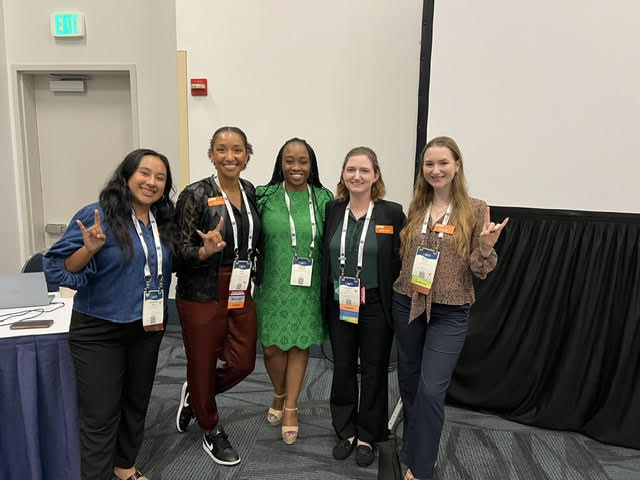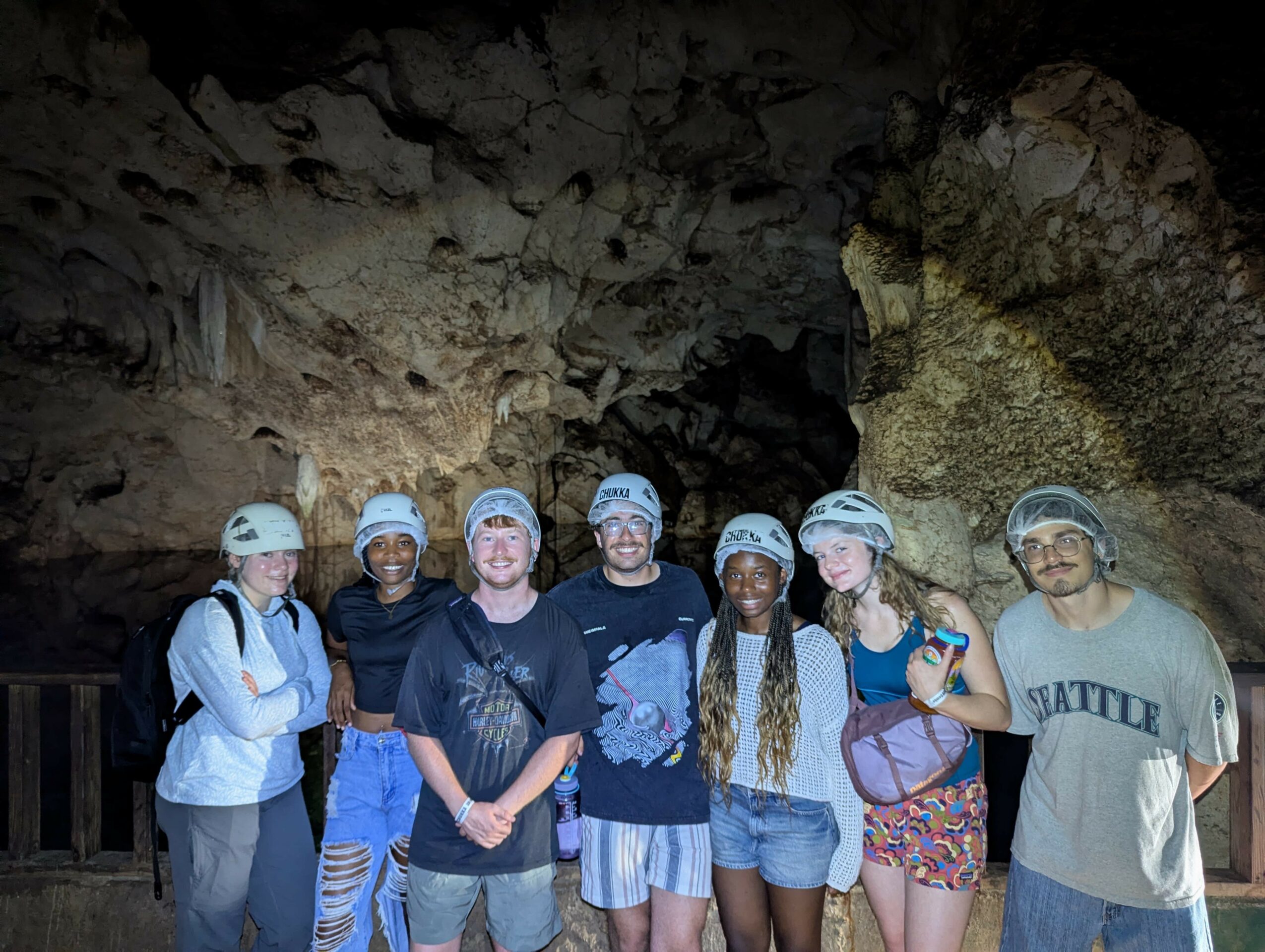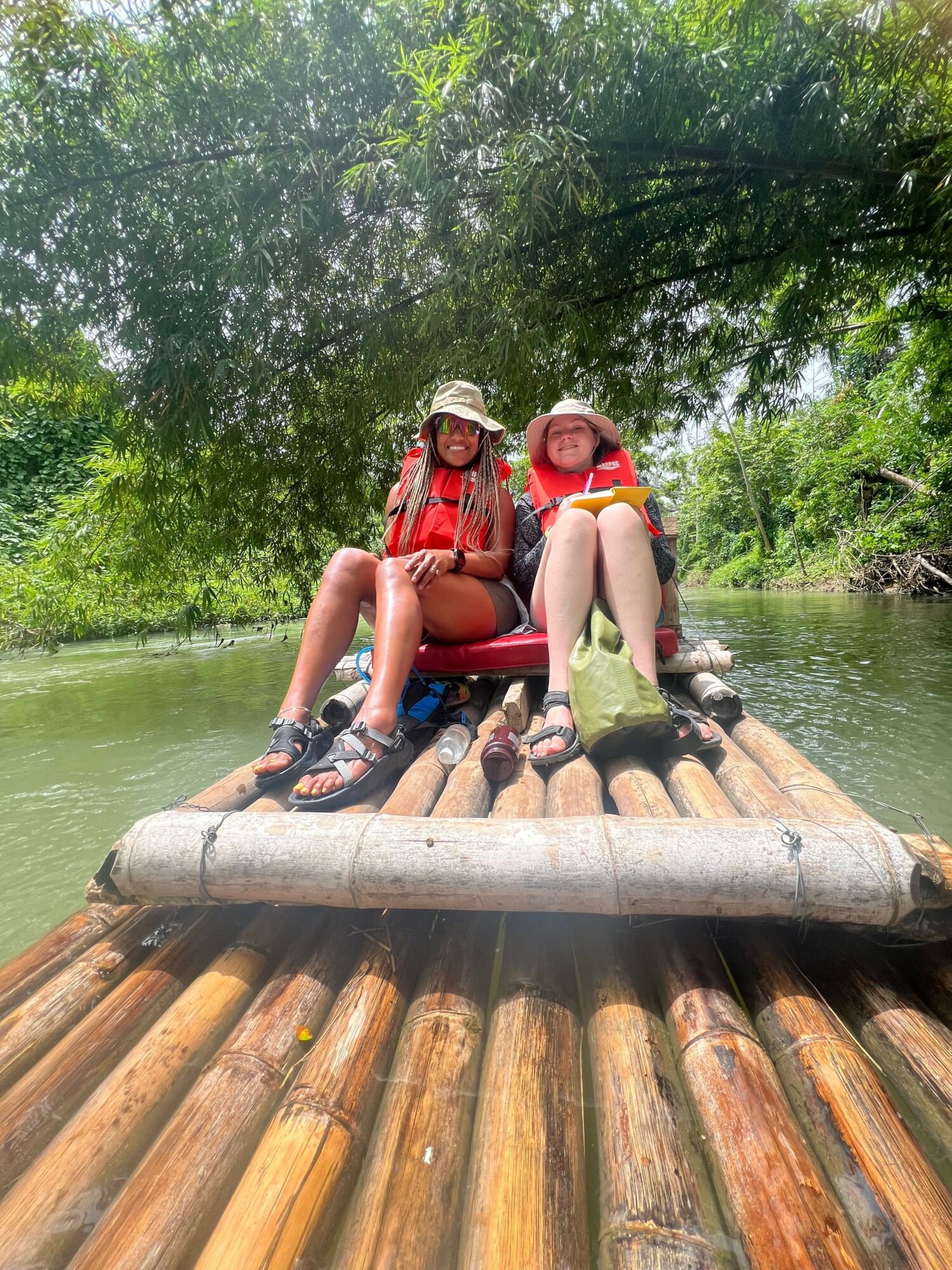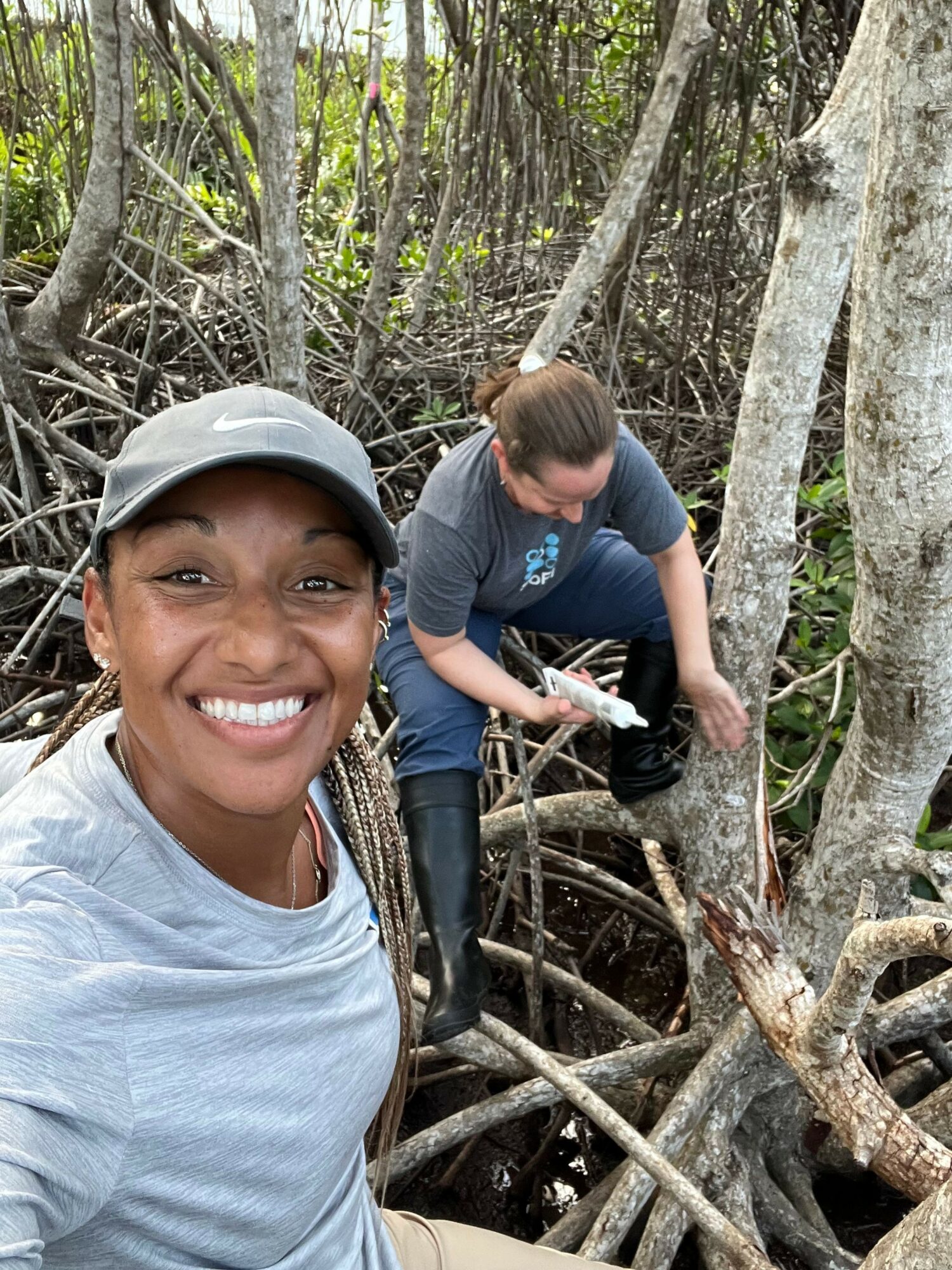



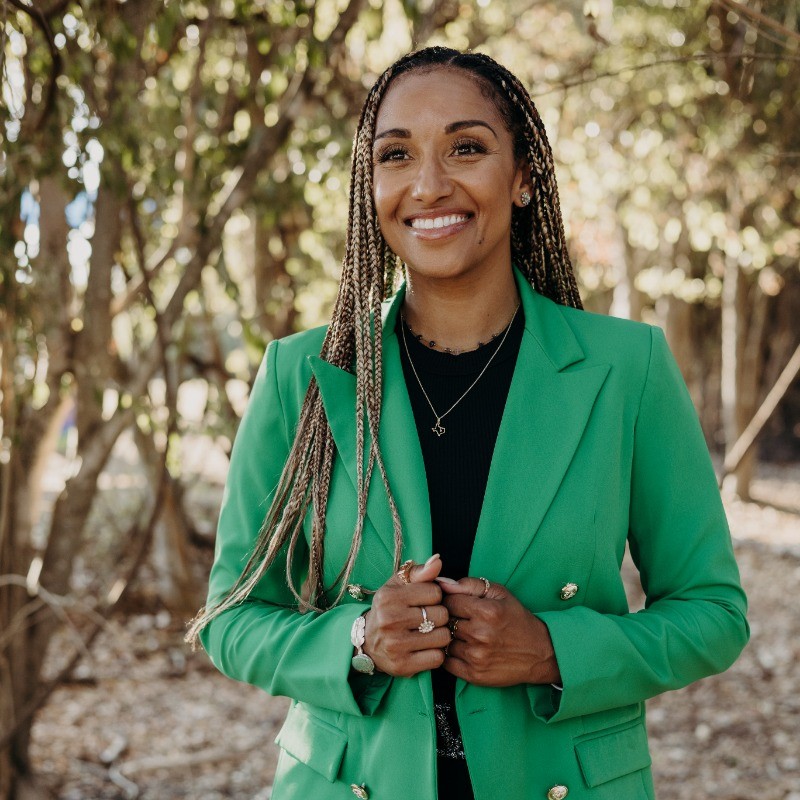
Today we’d like to introduce you to Leah Turner.
Hi Leah , thanks for joining us today. We’d love for you to start by introducing yourself.
I started my career in higher education and after I finished my Ph.D., I worked directly with students and communities focused on workforce and career development. Over time, my work expanded from running programs to building the partnerships, funding strategies, and organizational infrastructure that allow those programs to thrive.
That led me into leadership roles across higher education, nonprofit organizations, philanthropy, and corporate and community partnerships. I’ve led multimillion-dollar initiatives, secured and managed federal funding, built cross-sector partnerships, developed talent pipelines, and helped organizations translate ambitious missions into strategies that can be executed and measured.
The common thread across all of my work is operationalizing impact. I help organizations move from “we want to make a difference” to *“here is the strategy, infrastructure, partnership model, and measurement system that will allow us to do it.”
I founded Broader Impact Partners, where I now work with nonprofits, foundations, educational institutions, and other mission-driven organizations on strategy, organizational development, fundraising and partnerships, and impact. My path isn’t perfectly linear, but that’s become one of my greatest strengths. I understand programs, people, partnerships, funding, and organizational strategy. Mor importantly, I know how to connect those pieces so that a strong mission becomes sustainable impact.
Would you say it’s been a smooth road, and if not what are some of the biggest challenges you’ve faced along the way?
It definitely was not a smooth road., but I think the detours shaped me as much as the successes.
I was raised in a small northern Ohio town. My understanding of success was pretty simple. There were some who had it and some who didn’t. However, I had no idea how to attain it. From what I could see, medical doctors seemed to have big houses and money to spare. So, I majored in biology. I did well academically, but being capable of doing something doesn’t necessarily mean it is what you are called to do.
I learned very early how to navigate spaces where I was different while growing up in that small town. I experienced racism. I also became very good at adapting, reading a room, finding common ground, and figuring out how to belong without a roadmap. I learned at a young age that there is a difference between “belonging” and becoming very skilled at fitting in.
My path through higher education wasn’t particularly convenient either. During the first year of my Ph.D. program, I became pregnant with my second child while commuting between Charleston, West Virginia, and Athens, Ohio, for school. I was simultaneously a mother, a professional, and a doctoral student, trying to build a future while managing the very real responsibilities of the present. I ultimately earned my Ph.D., but that experience permanently changed the way I think about ambition. Success isn’t just about how hard someone is willing to work; people also need access, support, flexibility, and systems that make success possible.
Even after establishing my career, there were moments that reminded me how quickly circumstances can change. I experienced layoffs and organizational transitions, and I watched work I cared deeply about become vulnerable to decisions far outside my control. One particularly difficult example was having a federally funded National Science Foundation grant canceled after years of building the program, partnerships, and research.
You can do excellent work and still encounter circumstances that excellence alone cannot protect you from. That realization changed the trajectory of my career. I don’t measure security by a title, institution, or position, I think much more seriously about what I know how to build, what problems I am uniquely equipped to solve, and where I can create the greatest value.
I appreciate my reinvention. I believed there was a prescribed path to success, but my career taught me that sometimes the most consequential moments are when that path changes and you decide what you are capable of building next.
We’ve been impressed with Broader Impact Partners, but for folks who might not be as familiar, what can you share with them about what you do and what sets you apart from others?
Broader Impact Partners is a social impact strategy and consulting firm built around the idea that good intentions are not enough. Impact has to be operationalized.
We work with nonprofits, foundations, educational institutions, companies, and other mission-driven organizations that know the change they want to create but need help building the strategy, partnerships, resources, and infrastructure to make it happen.
Our work spans strategic planning, organizational development, fundraising and philanthropy, partnership development, program design, leadership and board development, and impact strategy and measurement. I don’t think of those as separate services as much as interconnected pieces of the same problem. An organization can have a brilliant strategy, but without the right people, funding, partnerships, systems, and accountability behind it, that strategy remains a document rather than becoming impact.
That is where Broader Impact Partners is different.
My background crosses sectors and disciplines: science, higher education, workforce development, nonprofit leadership, philanthropy, research, fundraising, and partnership development. I see organizations as systems. I can move between the 30,000-foot strategic question and the very practical question of, “Okay, who is doing what on Monday morning?”
The ability to bridge strategy and execution has become one of the defining characteristics of our work.
We are also intentionally broader than traditional consulting. The name “Broader Impact Partners” is important to me. We aren’t interested in simply delivering recommendations and walking away. We work alongside our clients to build their capacity, connect resources that may otherwise remain siloed, develop partnerships across sectors, and create solutions that can continue producing value after our engagement ends. The goal is a stronger organization.
I’m particularly proud that the brand has become increasingly synonymous with what I call “operationalizing impact’: taking an ambitious mission and asking the harder questions. What does success actually look like? How will we measure it? What resources will it require? Who needs to be at the table? What systems need to exist? And how do we move from aspiration to execution?
Ultimately, I want people to know that Broader Impact Partners is for organizations that are serious about making a difference and equally serious about building what is necessary to sustain it.
We all have a different way of looking at and defining success. How do you define success?
My definition of success has changed tremendously over the years. When I was younger, success looked like achievement: degrees, titles, recognition. Although I’m proud of those things, accomplishment and success aren’t necessarily the same thing.
Today, success for me is having the agency to build a life that reflects my values while creating opportunities that extend beyond me. Professionally, that means I want to understand who isn’t in the room, why they aren’t there, and what we can build differently so that they can be. I don’t want to run successful programs or organizations. I want to build systems, partnerships, and pathways that continue creating opportunity after my role in them is finished.
Personally, success is much simpler than I once made it. It’s being present for my family. It’s having meaningful work without allowing work to become my entire identity. It’s having the freedom to choose what I build, who I build it with, and what I am willing (or unwilling) to sacrifice along the way.
I spent my life achieving the next thing. These days, I’m much more interested in building things that matter. So, if I had to define success today, I would say: Success is having enough courage and freedom to build a life that is authentically yours.
Contact Info:
- Website: https://www.broaderimpactpartners.com
- LinkedIn: https://www.linkedin.com/in/leah-turner-phd/