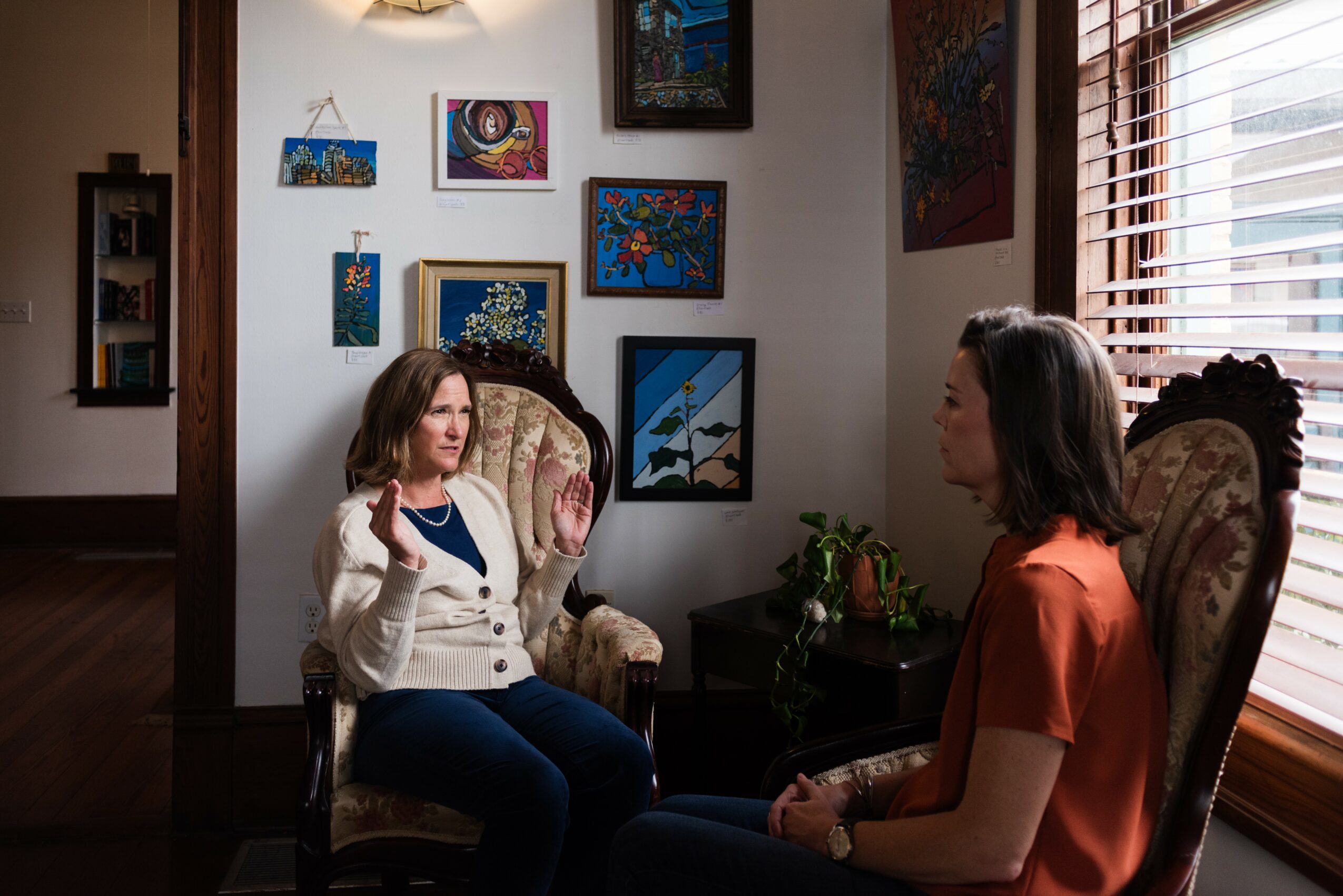



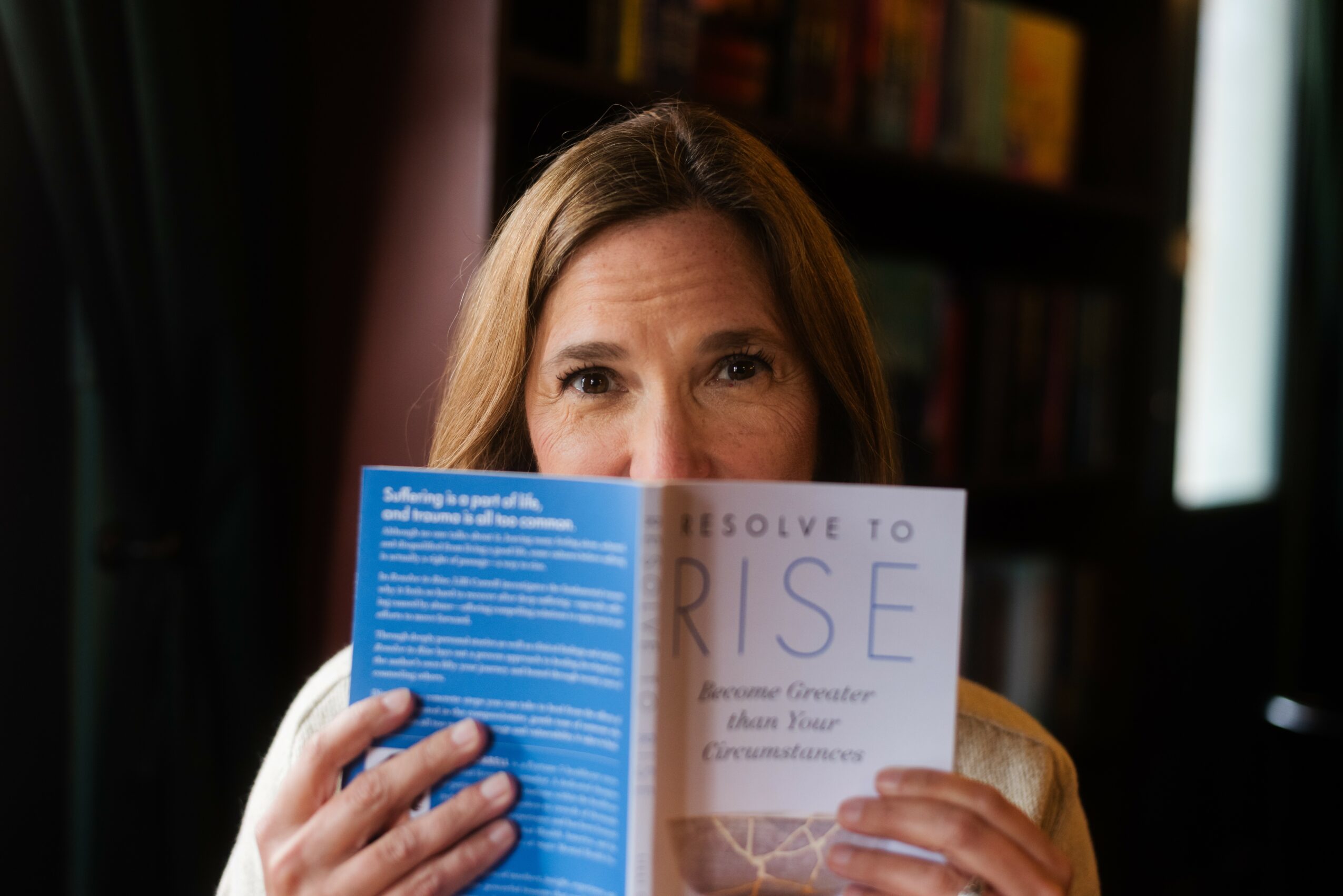
Today we’d like to introduce you to Lilli Correll.
Hi Lilli, we’re thrilled to have a chance to learn your story today. So, before we get into specifics, maybe you can briefly walk us through how you got to where you are today?
My path to Resolve to Rise has been shaped by three different perspectives: my own experience with trauma, nearly three decades as a clinician, and a career as a healthcare executive. But it really began taking shape as something bigger after I published my bestselling book, *Resolve to Rise: Become Greater than Your Circumstances*.
Writing the book grew out of my own journey and what I had learned about our capacity to move beyond difficult experiences. But it also caused me to look differently at what I had been seeing throughout my career.
I spent many years in executive leadership within Fortune 50 healthcare organizations, including leading large-scale behavioral health and clinical operations. From that vantage point, I saw people with significant trauma histories cycle through the healthcare system—sometimes repeatedly—without the underlying trauma ever being identified or addressed. They were diagnosed, medicated, hospitalized, and treated for individual symptoms, but too often they were treating what was showing up on the surface without asking what might be driving it.
I saw versions of the same thing in clinical practice—and even experienced it in my own counseling. We are very good at assessing for depression and anxiety, identifying symptoms, assigning diagnoses, and reaching for familiar treatments. We are far less consistent about asking whether trauma may be contributing to what we are seeing.
Over time, those experiences began to connect. I had seen the issue from inside the healthcare system, from the clinician’s chair, and through my own lived experience. I knew I wanted to do something with that perspective.
What started with the book gradually became Resolve to Rise as a business. Today, it brings together work that once existed in very different parts of my life—healthcare leadership, clinical practice, speaking, consulting, coaching, and writing. It took me a while to realize those weren’t separate chapters of my career. Together, they gave me a perspective and a platform I could use to contribute to meaningful change.
We all face challenges, but looking back would you describe it as a relatively smooth road?
It definitely hasn’t been a smooth road. I had always been very comfortable working for someone else and letting them worry about things like profitability and where the next opportunity was coming from. I considered myself risk averse.
Then one day, I made a very small change in how I described myself. Instead of saying, “I am risk averse,” I said, “I’ve always been risk averse.” It sounds insignificant, but for me it changed something. The first statement defined who I was; the second left room for who I might become.
I’ve now been working independently for nearly two years, and building a business while making sure the bills are paid has required me to stretch in ways I didn’t anticipate. In the beginning, that meant doing work through other consulting groups while I built my own thought leadership, relationships, and reputation.
I feel like I’m just now beginning to see the reach that Resolve to Rise can have. I’m making important connections, gaining traction both financially and as a thought leader, and shifting from primarily supporting the work of other consulting organizations to stepping more fully into my own.
There is still risk in that, of course. The difference is that I no longer let being “risk averse” define what I’m willing to do.
Appreciate you sharing that. What should we know about Resolve to Rise?
Resolve to Rise is built around a simple belief: **we are adaptive, not defective.**
I work at both the individual and systems level to change how we understand and respond to trauma. Today, that work takes several forms—keynote speaking, healthcare consulting, executive coaching, and a small counseling practice.
What sets Resolve to Rise apart is the combination of clinical expertise and healthcare leadership behind the work. I’ve spent nearly three decades in behavioral health, including more than 20 years providing direct care, while also having led large-scale clinical operations within Fortune 5 healthcare organizations. I understand what happens in the therapy room, but I also understand the systems, incentives, operational realities, and decisions that shape the care people ultimately receive.
Increasingly, my work is focused on helping healthcare organizations become more trauma-informed in meaningful, practical ways. That goes beyond simply asking whether someone has experienced trauma. It means understanding whether trauma is affecting them today, recognizing that behaviors we often label as problematic may have developed as adaptations to survive, and ensuring treatment is flexible enough to meet people where they are. It also means measuring whether what we are doing is actually helping.
Through speaking, I bring those ideas to larger audiences and challenge clinicians and healthcare leaders to think differently about the people they serve. Through consulting, I help organizations translate those ideas into strategy, clinical models, operations, and better systems of care. My counseling and coaching work keeps me connected to the individual experience and reminds me why changing those systems matters.
What I’m most proud of is that Resolve to Rise doesn’t ask people to see themselves as broken in order to heal. We can honor the adaptations that helped someone survive while also recognizing when those adaptations no longer serve them. That idea applies not only to individuals, but to organizations and systems as well.
Ultimately, I want Resolve to Rise to be known for helping move behavioral healthcare beyond managing symptoms and toward understanding what is driving them—so that we can help people do more than survive. We can help them reclaim their lives.
Is there anything else you’d like to share with our readers?
If there is one thing I would want readers to take away, it is to be a little more curious about themselves and a little less judgmental.
So often, we look at the parts of ourselves we struggle with—the anxiety, the need to stay busy, the difficulty trusting, the need for control, or the ways we cope—and ask, “Why am I like this?” I think a more useful question is, “How did this once help me?”
Our brains and nervous systems are remarkably good at helping us adapt to what life requires of us. Sometimes those adaptations continue long after we need them, but that doesn’t mean there is something inherently wrong with us.
That is really the heart of Resolve to Rise for me. We can honor what helped us get here without allowing it to determine where we go next. There is tremendous hope in that.
Contact Info:
- Website: https://www.resolvetorise.com/
- Instagram: https://www.instagram.com/resolvetorise/
- LinkedIn: https://www.linkedin.com/in/lilli-correll/
- Youtube: https://www.youtube.com/@resolvetorise