


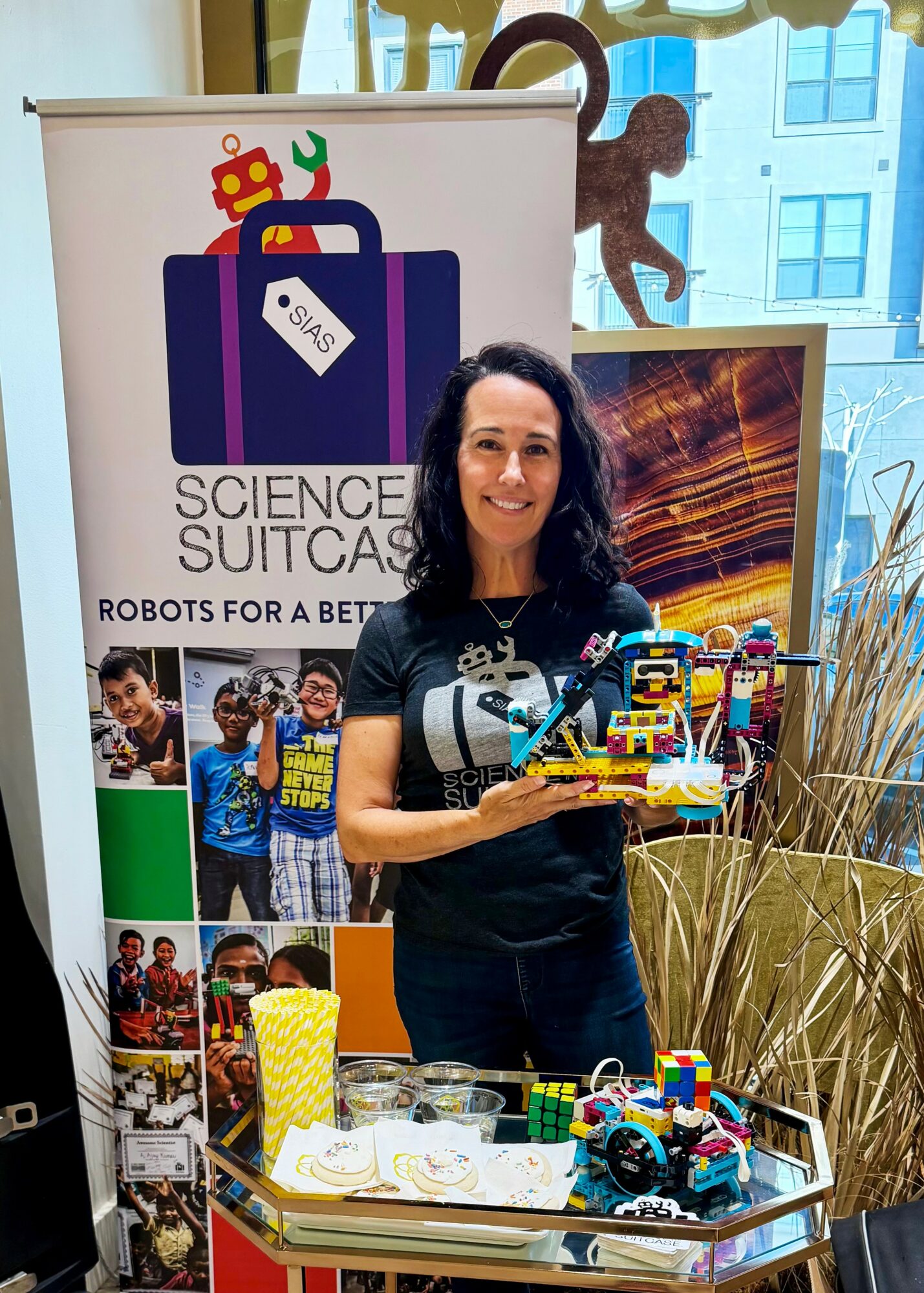
Today we’d like to introduce you to Nicole Richard.
Hi Nicole, so excited to have you with us today. What can you tell us about your story?
I landed in Austin after graduating from the University of Colorado with a degree in electrical and computer engineering and started my career at NI. Somewhere along the way, my engineering career took an unexpected turn, and I found myself building robots for kids.
I had the amazing opportunity to spend close to a decade leading the software teams that designed and developed several robotics platforms in partnership with LEGO, including LEGO MINDSTORMS and LEGO WeDo. We were building technology that could spark a child’s curiosity about science and engineering, and I loved seeing that connection firsthand.
I just didn’t know yet where that connection would lead me.
In 2010, NI donated several LEGO WeDo kits to a school in rural Cambodia. I was copied on an email from the school asking a question about the software, and I noticed they were also asking if anyone could come teach them how to use the kits. I happened to be flying to Bali for a friend’s wedding, so I thought, sure, why not? I’ll just swing through Cambodia on my way.
That trip changed my life.
I’d done a lot of traveling before, but I’d never been invited into people’s lives and communities on that level. I traveled for hours and hours down dirt roads to get to the village and stayed in a house where you used a small foot pump to pull water out of the ground through a hose to get a little trickle of a shower. In the morning, I’d walk along these really muddy roads to get to the school, where kids were lined up around the building at 7 AM on their last few days of summer vacation, waiting an hour before the workshops were supposed to start.
The kids had never seen LEGO before. They’d never built with it. At first, they handled the pieces tentatively, figuring out how they fit together. And then something clicked. Suddenly, the room came alive. They started building faster, comparing what they were making, helping each other, racing to see what they could create. It was joyful and a little chaotic and completely contagious.
Then they learned to program what they’d built, to make it move, sense the world around it, make decisions, and act. They weren’t just learning how to use technology. They were learning to create with it. And they were completely enamored with it.
I was hooked.
I started looking for more opportunities to bring these fairly expensive hands-on learning platforms to kids who otherwise might never have access to them.
A few months later, I flew to India. I partnered with the Miracle Foundation, another Austin-based nonprofit, to start a robotics club at a children’s home they were supporting at the time. It was the first time any of those kids had used LEGO, and they were so taken with building and programming a robot that I couldn’t get them to leave the computer lab. We finally got them out when the power cycled so many times that even the battery backups died. They were so proud of what they’d built. They’d wave their arms, call me over, and yell, “Auntie! Auntie!” to show me their latest creation.
I also got to teach local tribal kids who came into the facility during the day. I didn’t have a translator, but somehow they picked up the concepts so easily. One minute I was showing them how to use a computer mouse, and the next minute they were customizing their programs to make their robot make funny sounds. You could almost see worlds opening up in their minds. I’ll never forget the smiles on their faces.
Those experiences kept pulling me back to Southeast Asia. Over the next few years, I made two more trips to Vietnam with another organization, teaching and traveling and getting a better sense of how much I loved this kind of work.
In 2014, I was five months pregnant with my first kiddo and figured I should probably get the travel bug out of my system for a while. So I dragged my husband and two fellow robot enthusiasts all over Southeast Asia, eating our way through Thailand, Cambodia, and Vietnam and teaching robotics along the way. Somewhere on a hot, sticky bus ride through Vietnam, we decided to make it official and found a non-profit organization.
The idea was simple: pack science experiments and engineering equipment into a suitcase and bring them to kids who might otherwise never get the chance to use them. Sometimes that meant traveling halfway around the world. Sometimes it meant driving across town.
Over the years, we partnered with organizations to create programs in Cambodia, India, Vietnam, Suriname, South Africa, and here in Austin.
One of my favorite Austin programs was roboARTS, a partnership with the Paramount Theatre that brought robotics into Ann Richards and Lamar Middle School classrooms and into a summer camp. The kids wrote their own plays and then built robots to perform alongside them on stage. They weren’t thinking about the math needed to program a robot to detect and follow a black line. They were thinking about the math needed to help Bob, the blind underwater sea snail searching for his soulmate, follow a line across the stage so he could deliver his punchline. It was a completely different way of making robotics and STEM accessible to kids with different backgrounds, interests, and ways of thinking, and one of the most unique and fun robotics programs I’ve ever been part of.
Then the pandemic hit, and everything came to a halt.
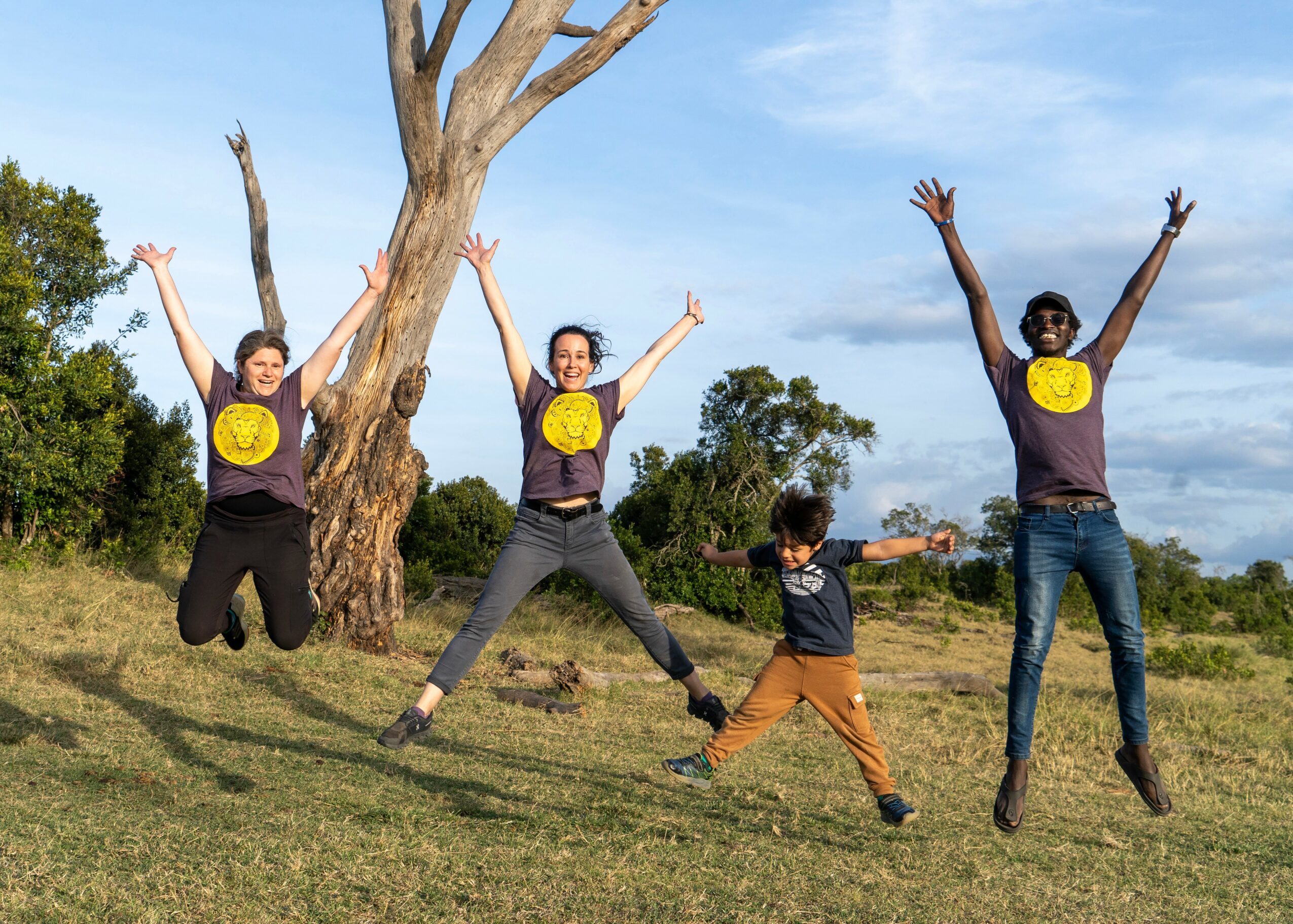
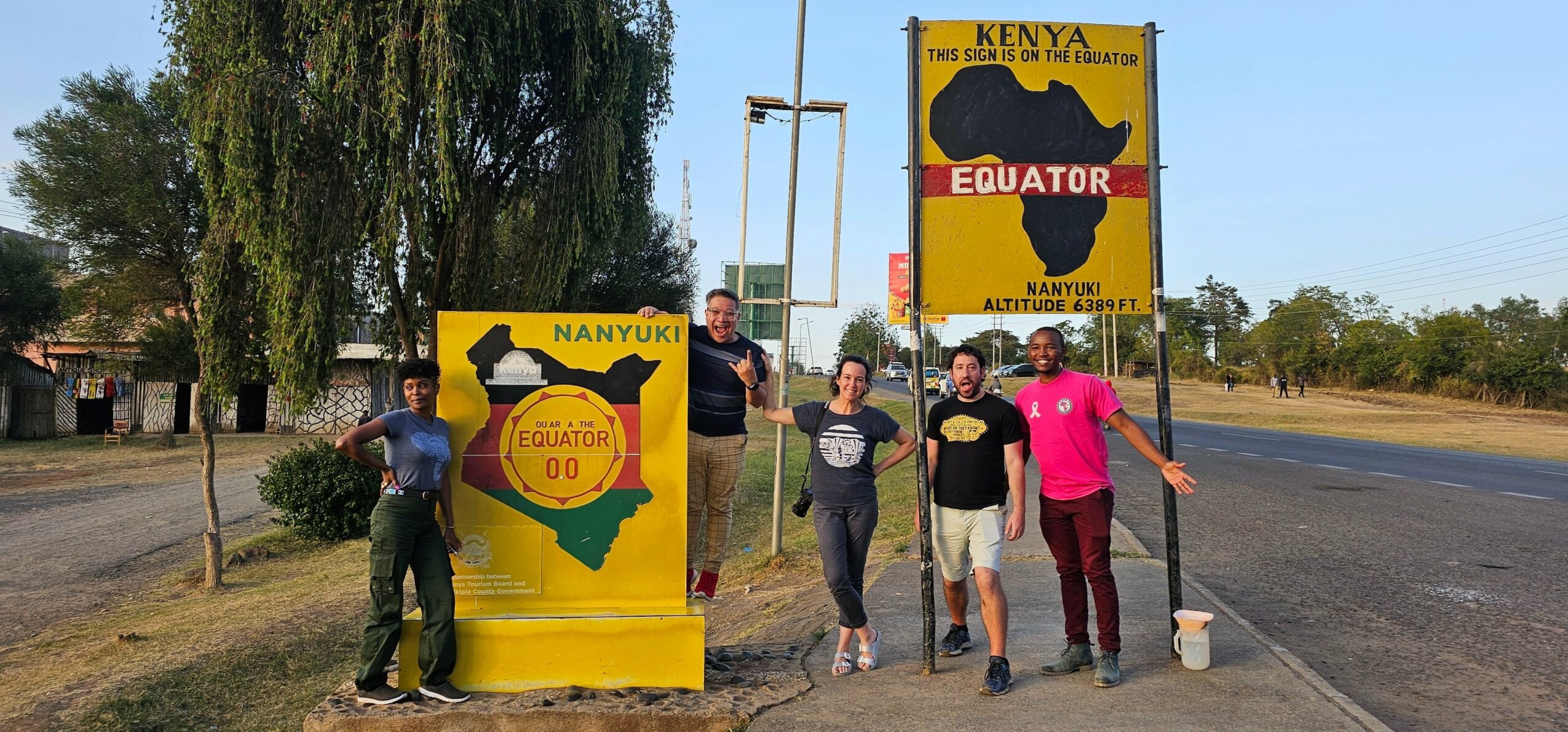
We restarted in 2023, in Kenya.
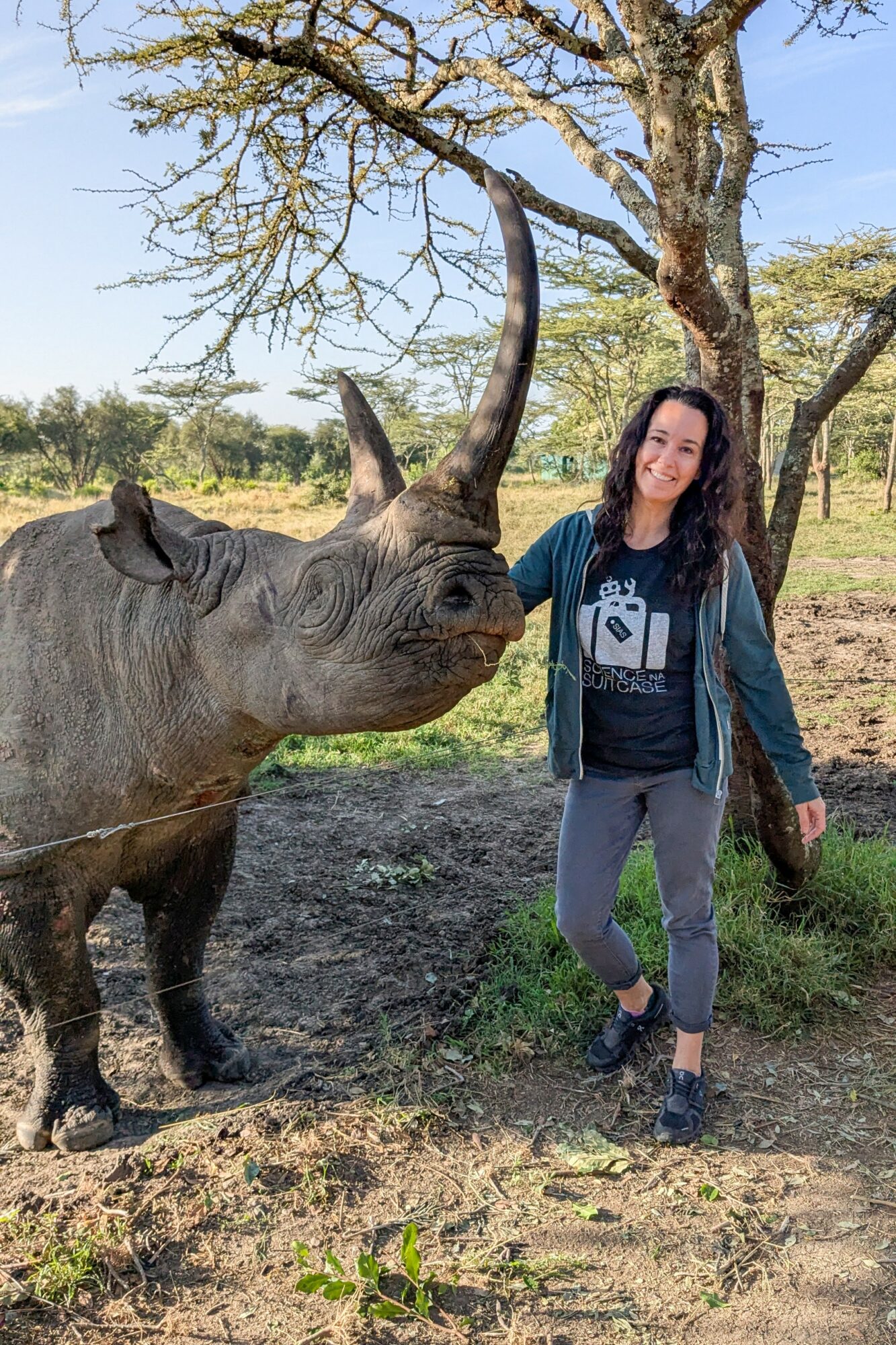
Our travel partner, Barbara Joubert, connected us with Ol Pejeta Conservancy near Nanyuki. Ol Pejeta does a lot of work supporting the communities around the conservancy, including a digital literacy program that had already put computers and offline servers into rural schools. That infrastructure matters. We can’t come in with robotics if there’s nothing to run them on.
My co-founder, Antonio Delgado, flew over with suitcases full of robotics parts. We’d been introduced to a young guy named Jeremy, who had just graduated from college. Antonio taught him robotics in a hotel room, and then the two of them spent a week training teachers and students at two schools.
Jeremy had never touched a computer until college, much less learned robotics.
He was hooked.
The teachers were hooked.
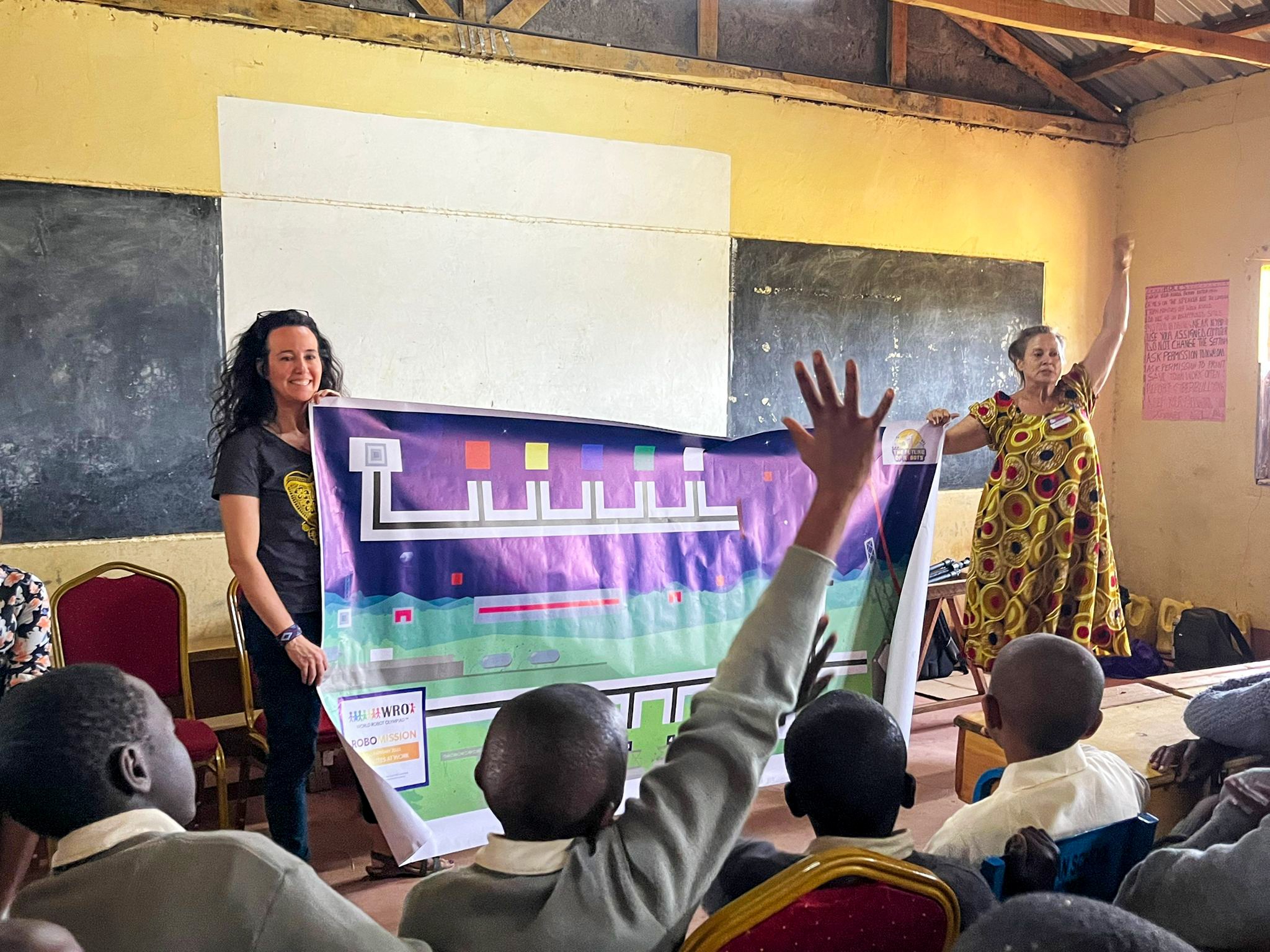
We hired Jeremy to run the clubs, Antonio flew home, and two weeks later teams from both schools traveled to Nairobi to compete in the World Robot Olympiad national competition.
Three years later, we’re in six rural schools, reaching close to 200 kids a year. We’re reaching roughly two girls for every boy.
For three years running, one of our schools has earned an invitation to compete internationally: South Africa, then Singapore, and this fall, India.
Somewhere along the way, the program became much bigger than I had imagined when Antonio first showed up in Kenya with a suitcase full of robot parts.
We all face challenges, but looking back would you describe it as a relatively smooth road?
One of the hardest lessons took me years to learn, and I learned it mostly by getting it wrong.
Early on, I’d build up a team. We’d fly somewhere really remote, run an incredible week of workshops with an organization, train a teacher, get the kids excited, and leave feeling like we’d done something meaningful. And we had. The kids were excited. The teachers were excited. We’d kickstarted a whole new program. It felt like success.
Then eventually, the teacher would move on to another opportunity. And sometimes the whole program would disappear. There’d be nobody to pick up the mantle, and everything we’d built would quietly fade away.
Part of the challenge is that the communities we work with are often remote and have limited access to the kinds of resources that can help a new program take root. Internet connectivity can be unreliable or nonexistent. There may be very few other teachers nearby with experience in robotics or technology to learn from. There isn’t always a local network of trained professionals, suppliers, or organizations to call when something breaks or a teacher gets stuck.
We started looking for opportunities where we could build more of a community around the programs, rather than expecting each organization or school to sustain one on its own.
That became an important part of how we approached Kenya. We started with two schools, then expanded to four, then to six. We built relationships between the teachers, created an ongoing network around the programs, and connected the students to a larger robotics community through the World Robot Olympiad, an international robotics competition program. Our local coordinator, Jeremy, became the person connecting all those pieces on the ground, traveling by motorbike between schools, helping teachers troubleshoot, mentoring students, and keeping the whole thing moving.
That’s still a work in progress. But it’s a very different model from simply showing up, training a couple of teachers, and trying to support an individual program from afar.
Then there’s funding, which is every nonprofit’s struggle. I’m an engineer by training, not a fundraiser, and building the financial side of a nonprofit has been a whole new skill set for me to learn. Science in a Suitcase is almost entirely volunteer-run. That allows us to put a very high percentage of what we raise directly into the programs, but it also means there are limits to how quickly we can grow. The demand for what we’re doing is much greater than our current capacity to fund it.
And then there’s the practical side of getting kids to competitions. The possibility is incredibly motivating. Getting them there is another story. Just getting a child from one of these rural communities a passport can be enormously difficult.
Some of these kids come from families who had to move suddenly and don’t have official birth certificates. Others have lost important documents when a home burned or flooded. In some of these communities, housing and infrastructure can be particularly vulnerable to fires, flooding, and other disruptions, so replacing those documents can be a long and complicated process.
We’ve spent hours and hours going back and forth between Nanyuki and Nairobi, chasing down documents and trying to piece together the paperwork needed for a passport and official permission to leave the country.
Every year, we think we know what we’re getting into. Every year, we underestimate it.
Appreciate you sharing that. What should we know about Science in a Suitcase?
Science in a Suitcase is a small nonprofit with a fairly simple idea: we bring hands-on science, engineering, technology, and arts experiences to kids in under-resourced communities, both around the world and right here in Central Texas, and use them to open up what feels possible.
Robotics has become one of our favorite ways to do that because it brings so many things together at once. Kids learn to code, engineer, troubleshoot, communicate, and work as a team, but they’re also constantly creating something they can see and touch. We use technology as a medium to nurture creativity, critical thinking, problem-solving, and confidence. We want kids to experience what happens when they build something, discover that it doesn’t work, and figure out how to make it better. Failure isn’t the end of the process. It’s information.
And none of that works if kids don’t have access to the tools in the first place. We collect and repurpose used robotics kits that might otherwise be sitting in closets or headed for retirement. We even purchased the Thinkery’s retired LEGO robotics kits here in Austin and have given them a second life in schools in Kenya and other underserved communities. A robot that has been sitting on a shelf for years can become the tool a child uses to discover that they love engineering.
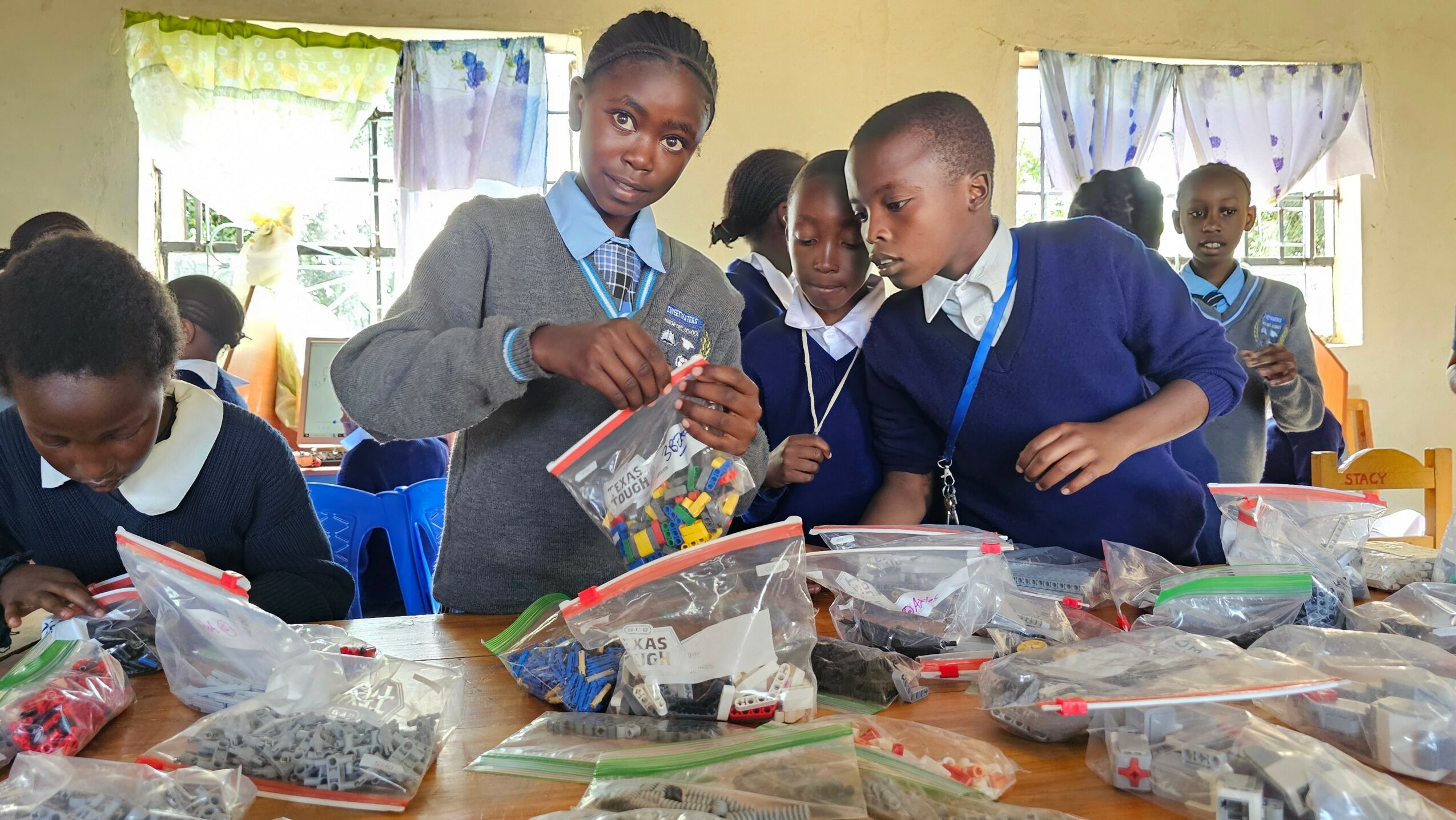
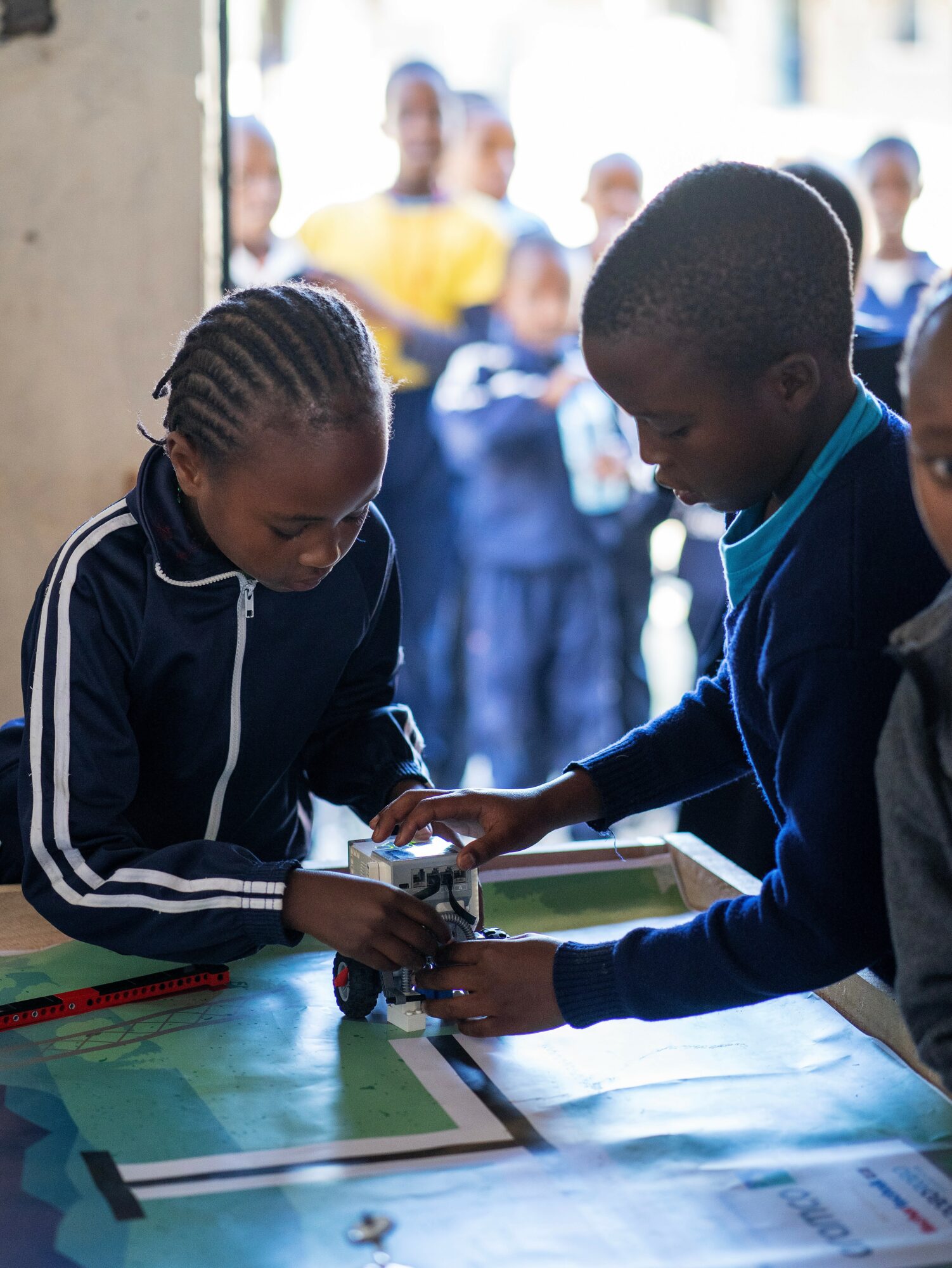
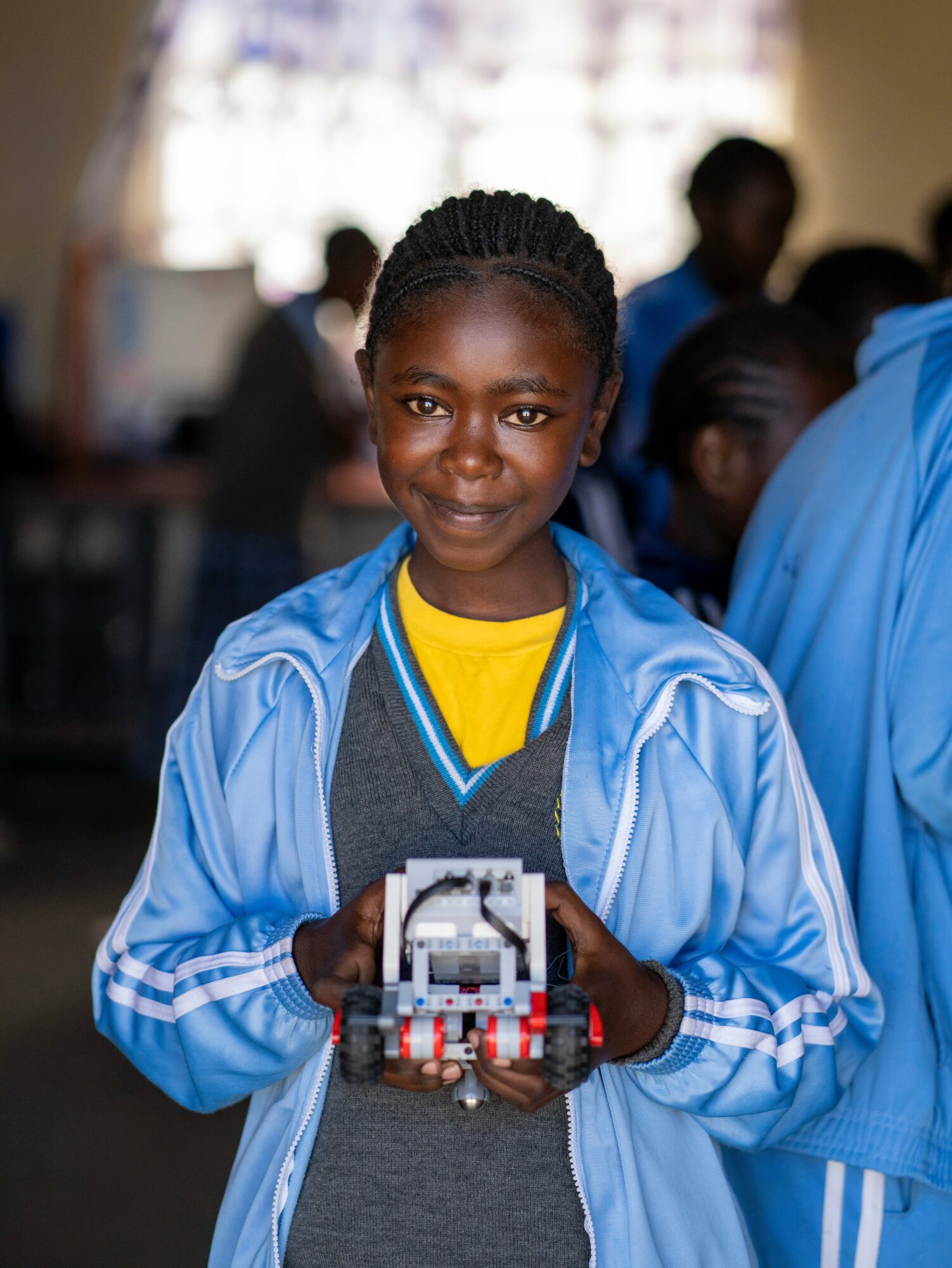
Today, much of our work is centered in six rural government schools in Laikipia County, Kenya, where about 150 students participate in our robotics clubs during the school year, with nearly 200 students reached when we include holiday workshops. We use the World Robot Olympiad as a framework, but the competition is really just one part of it. In the off-season, students take on open-ended challenges: identify a problem in your own community that matters to you and design a solution that leverages robotics and automation.
The ideas the students come up with are often my favorite part. We’ve had students design a robot to scare baboons away from crops, explore solar power for homes beyond the electrical grid, and build systems for sorting and removing waste. This year’s “Robots and Culture” theme for WRO led one team to design a dancing robot that teaches Yiakunte words and phrases as a way of preserving the language and traditions of the Yiaku community, where cultural knowledge is at risk of disappearing. I love that kind of thinking. They’re not just learning how to build a robot. They’re deciding what is worth solving.
That’s really what we’re after: giving kids tools and experiences that help them see themselves not just as people who can learn about the world, but as people who can shape it.
What would you say have been one of the most important lessons you’ve learned?
I’ve learned that sometimes the most important thing you can give someone is a first experience that makes the next experience imaginable.
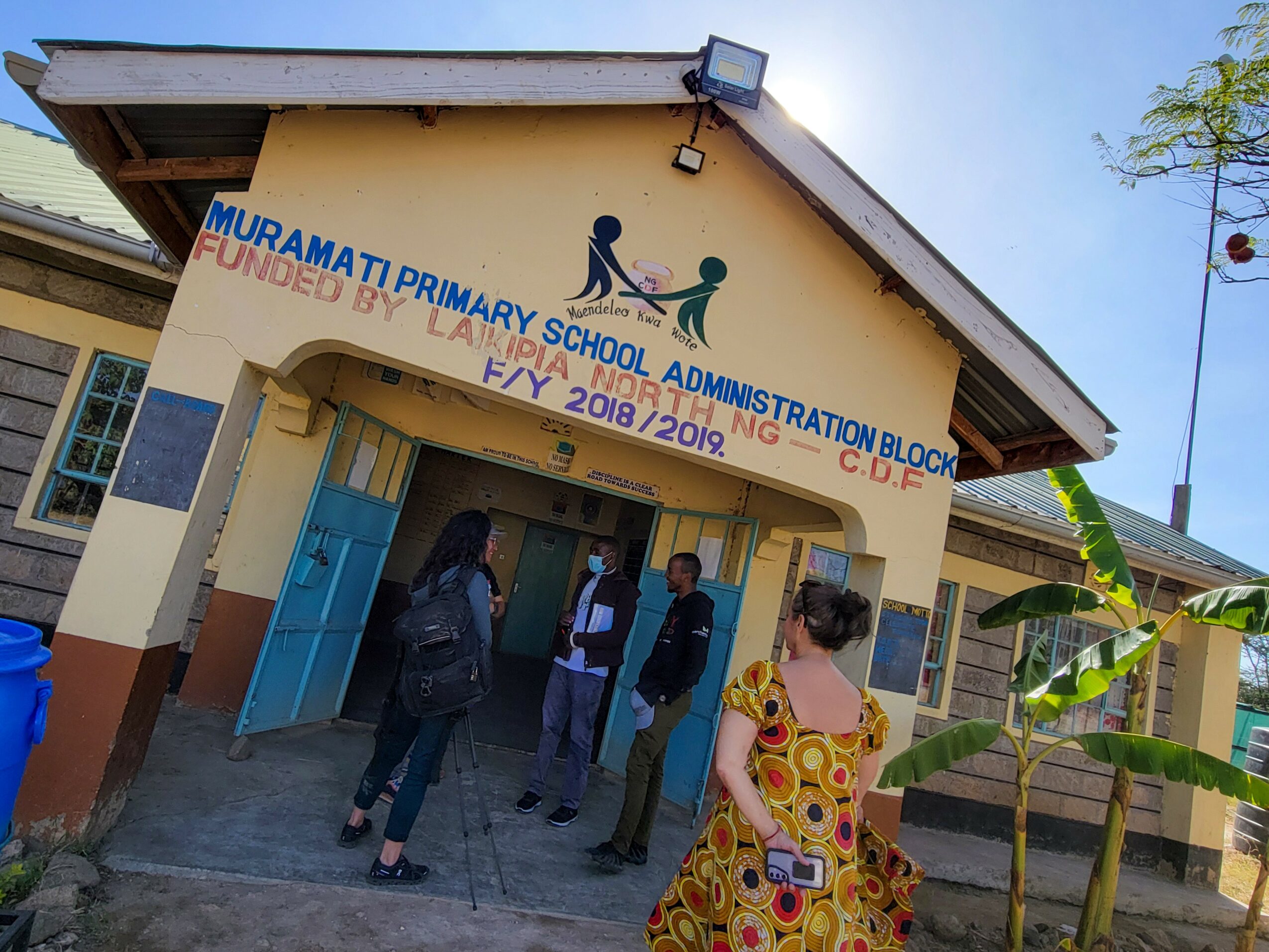
That’s what happened with Sheila, one of the first students we introduced to robotics when we started the program in Kenya in 2023. A year later, Sheila and her teammate from Muramati Primary and Junior School placed third at the national World Robot Olympiad competition in Nairobi, earning an invitation to compete in South Africa. They became the first students from a government school in their rural region to compete internationally in anything. The entire community was incredibly proud of what they had achieved.
For Sheila, who was being raised by a single mother, it was even bigger than that. She and her teammate were the first in their families to get passports, the first to fly on an airplane, and the first to leave Kenya. She told us that the trip “completely opened my mind on how the world is evolving and how I am thinking of my career to come.”
She came home and threw herself into STEM and her studies. At the end of that year, she earned the highest marks of any student in Laikipia County. She went on to earn a full scholarship to Alliance Girls High School, one of the top schools in Kenya, and a local donor has committed to supporting her university education.
Now she’s talking about studying Data Science at Oxford.
Did robotics cause all of that?
Of course not.
Sheila did the work. Her family supported her. Her teachers supported her. Donors opened doors. A lot of people contributed to that journey.
But I do think that first international experience changed what was possible for her, in more ways than one. She was a student from a rural government school who had learned robotics, competed nationally, and then represented Kenya at an international competition. That experience became part of her story, part of her confidence, and part of her understanding of what might be possible for her life. It opened the broader world to her.
She could see a new pathway.
And once you can see a pathway, you can start walking toward it.
That’s probably the lesson I keep coming back to. I don’t know what a child will do with an opportunity. That’s the exciting part. Our job is to put something new in their hands, give them the tools and the encouragement to explore it, and then get out of the way enough to let them surprise us. Sometimes that means learning a new skill. Sometimes it means a stage, a competition, a passport, a new country, or a new way to express an idea. The goal isn’t to decide where the pathway should lead. It’s to make more pathways visible. And then see where the kids take them.
And sometimes, the impact travels in directions you never expected.
Kenya Horticultural Exporters, a family-owned agricultural company that has been part of the region for more than 45 years, was so impressed that students from a rural government school in their community had traveled internationally to compete in robotics that they wanted to help. The robotics club had been practicing in a building with a dirt floor. The mission table wobbled because the ground was uneven, and when it rained, the room could become too muddy to practice. KHE ended up building three new school buildings with concrete floors, as well as new bathrooms, including an accessible bathroom for a student who uses a wheelchair. The students had done something no one in their community had done before, and in turn, the community wanted to invest in their success.
Speaking of travel, that’s another thing I completely underestimated: how powerful a motivator it could be.
For many of our students, robotics isn’t one of a dozen extracurricular activities competing for their attention. It’s a rare opportunity. They know they’ve earned their place on the team, they’re representing their school, and if they do well, there is a possibility that they could travel somewhere they’ve never imagined going.
We saw this very clearly with Sweetwaters Primary and Junior School. The school had only been introduced to computers in late 2024, and we helped start their robotics club a few months later. The students worked incredibly hard knowing that doing well could open the door to an international competition. They had seen what happened for Sheila and her team the year before. They eventually tied for first place at the Kenyan national competition against a very well-resourced private school. That earned them an invitation to compete in Singapore.
Again, for these students and teachers, it was their first time on an airplane. They went from a rural school in Kenya to modern Singapore, and one of the students described it perfectly: “I felt like we were stepping into a fairytale.”
I had underestimated how much that possibility could fuel the work. It’s almost become a mantra for us: “When we travel, the kids travel.”
It creates an interesting challenge for us as an organization, too. Every dollar we have forces us to make a choice: do we put robotics into the hands of more students and more schools, or help one of our existing teams take an opportunity like this to the next level?
Both are important. Both can be transformative. Figuring out that balance is something we’re still learning.
Pricing:
- Our programs are free to the schools and students we serve. They’re funded by donors, foundations, and partners who believe these opportunities should be accessible to kids regardless of where they live or what resources their school has.
- A new robotics kit costs roughly $500, and a good kit can stay in a classroom for years. We also accept donations of used LEGO robotics kits. If you have kits gathering dust in a classroom, closet, or storage room, we can give them a second life.
- Monthly giving is especially valuable to us because predictable support lets us plan ahead, retain staff, maintain equipment, and keep showing up week after week. Even $10 a month makes a real difference.
- International competitions are a bigger lift. Sending a team costs around $15,000. For our trip to Singapore, Google and the Camden Education Trust covered more than a third of the cost, and more than 70 individual donors helped raise the rest.
- You can donate or get in touch at scienceinasuitcase.org.
Contact Info:
- Website: https://Scienceinasuitcase.org
- Instagram: https://www.instagram.com/scienceinasuitcase
- Facebook: https://www.facebook.com/scienceinasuitcase
- LinkedIn: https://www.linkedin.com/company/science-in-a-suitcase/
- Twitter: https://twitter.com/sciencesuitcase