


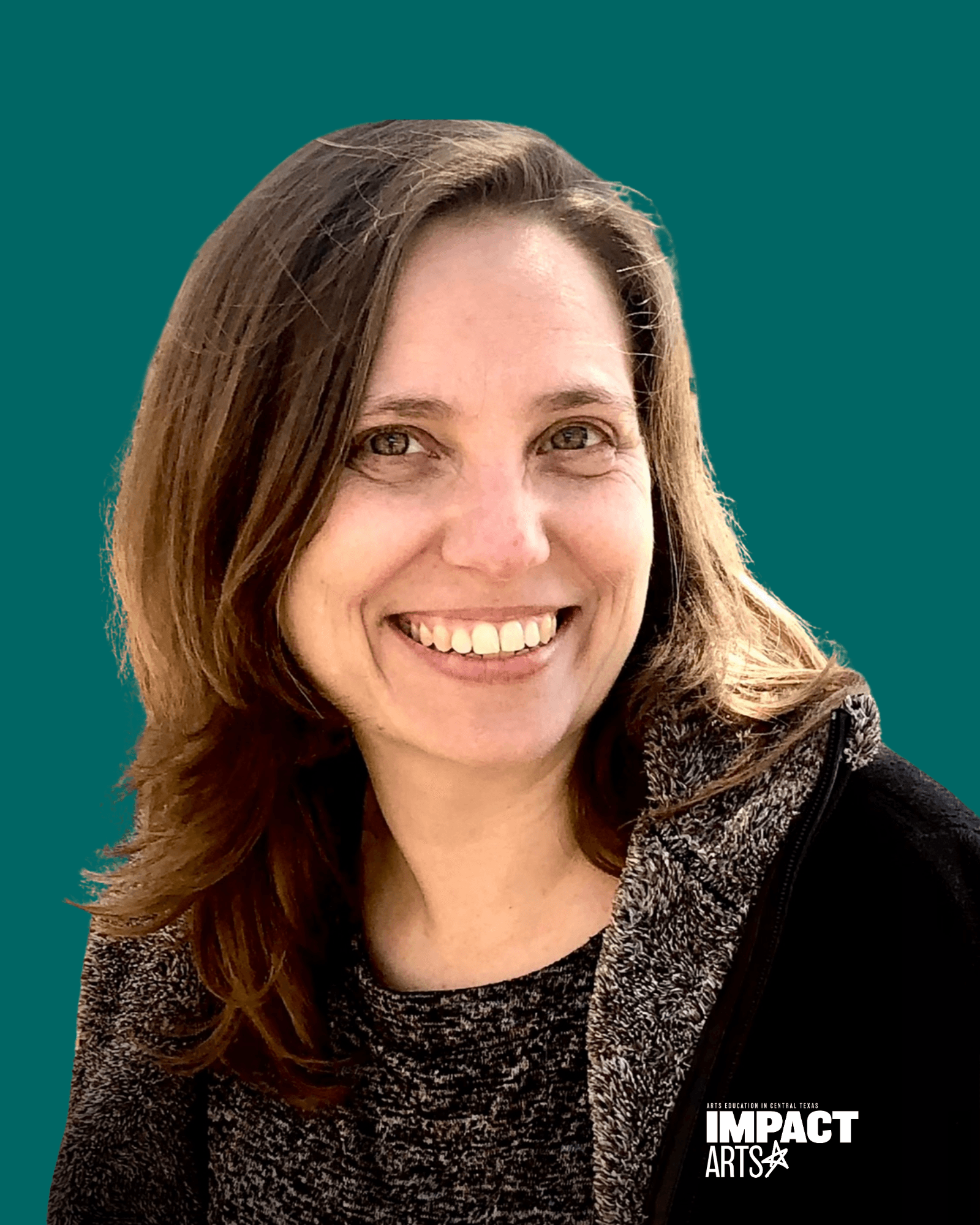
Today we’d like to introduce you to Ginger Morris.
Hi Ginger, thanks for joining us today. We’d love for you to start by introducing yourself.
I grew up in McAllen, Texas, where theatre was pretty much my entire world. There weren’t a lot of opportunities in the arts outside of school, but about 20 miles away was a little community theatre housed in an old water reservoir that had been converted into a performance space. Every summer, that’s where you’d find me. Everyone did everything, from performing to building sets to whatever needed to be done. It was our home away from home, and I discovered a sense of belonging and community there that I hadn’t experienced anywhere else. During the school year, I practically lived in my high school theatre department. Rehearsals came before homework, performances were the highlight of my year, and apparently, I even answered the phone in the drama department office. I guess I thought I ran the place!
In 1994, I moved to Austin to attend the University of Texas, fully expecting to spend my college years performing. Instead, I discovered that what I really loved was everything that went into making theatre happen. I worked in the prop shop, learned about scenery, lighting, and costumes, and became fascinated by educational theatre and directing.
While I was at UT, I saw a flyer for musical theatre workshops being offered by a new professional theatre company called Austin Musical Theatre. I signed up, met the founders, and discovered a whole world of career possibilities I hadn’t really considered. They were preparing to produce *Peter Pan* at the Paramount Theatre, and I asked if they needed any help. They told me they needed a rehearsal stage manager. I’d never stage managed anything in my life, and honestly didn’t even know what a stage manager did, but I said yes anyway. Then I went to UT’s Fine Arts Library, checked out every book on stage management I could find, and tried to figure out what I’d just gotten myself into.
I was 19 years old, and that one decision changed the course of my life. I went on to stage manage million-dollar productions and eventually helped establish and run the company’s performing arts academy. I was in way over my head, but I was surrounded by people who believed in me and gave me opportunities to do things I never imagined I was capable of.
I vividly remember standing backstage during the curtain call of our first production, peeking through the curtains as the audience leapt to their feet in applause. I started to cry. I could feel that we had created something extraordinary, something that mattered to the people onstage and the people in the audience. I knew I wanted to spend my life being part of experiences like that.
Looking back, those two very different theatre experiences shaped everything I’ve done since. The little theatre back home taught me the power of community, connection, and belonging. Austin Musical Theatre showed me what was possible when talented artists came together to create something truly exceptional. And the people who took a chance on me taught me how life-changing it can be when someone sees potential in you before you see it in yourself.
At my core, I’m an educator. But musical theatre has always been the vehicle through which I’ve seen lives change in more ways than I could ever count. I wanted to build programs that cared as deeply about artistic excellence as that professional theatre company did, while nurturing the same sense of community and belonging I experienced growing up.
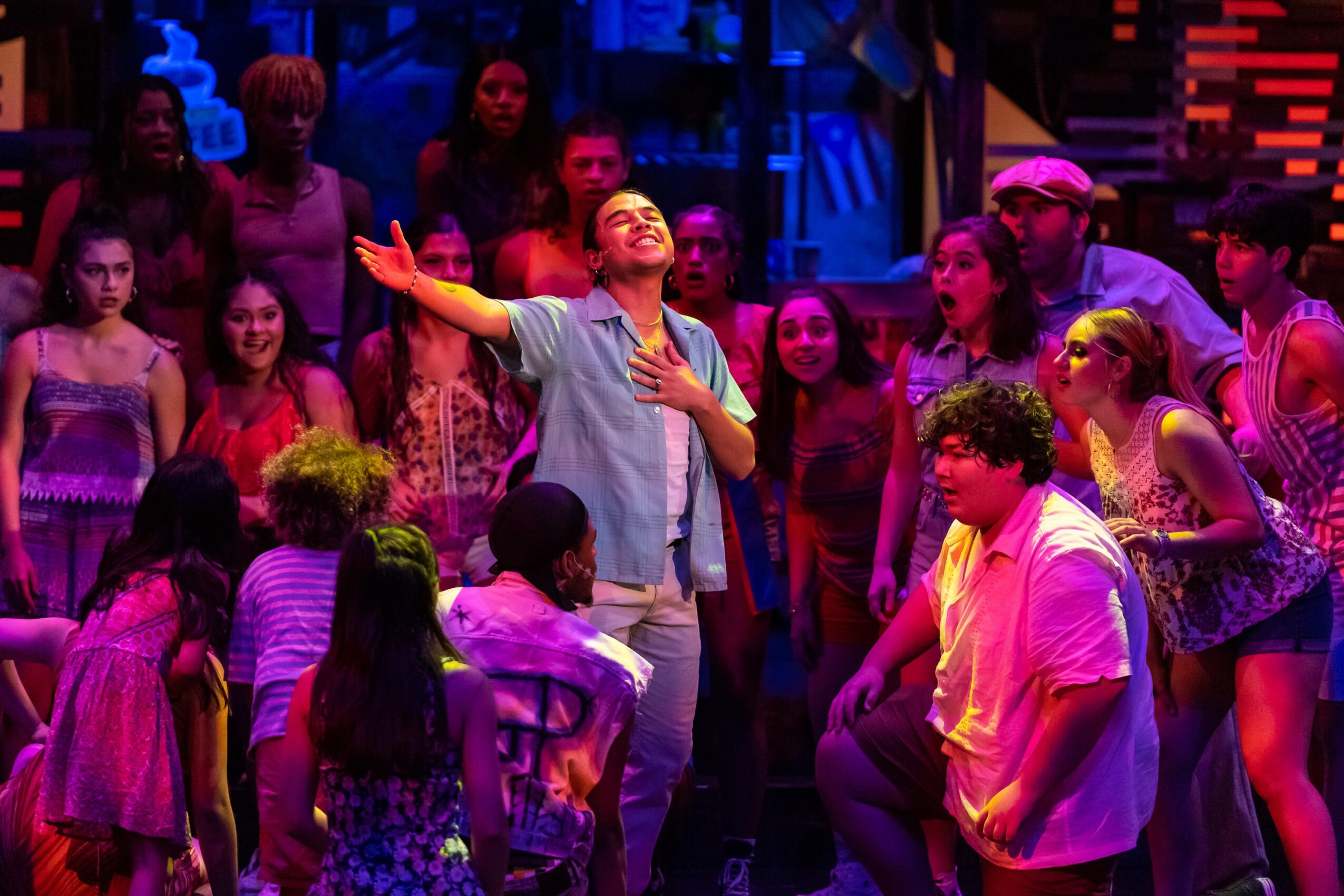
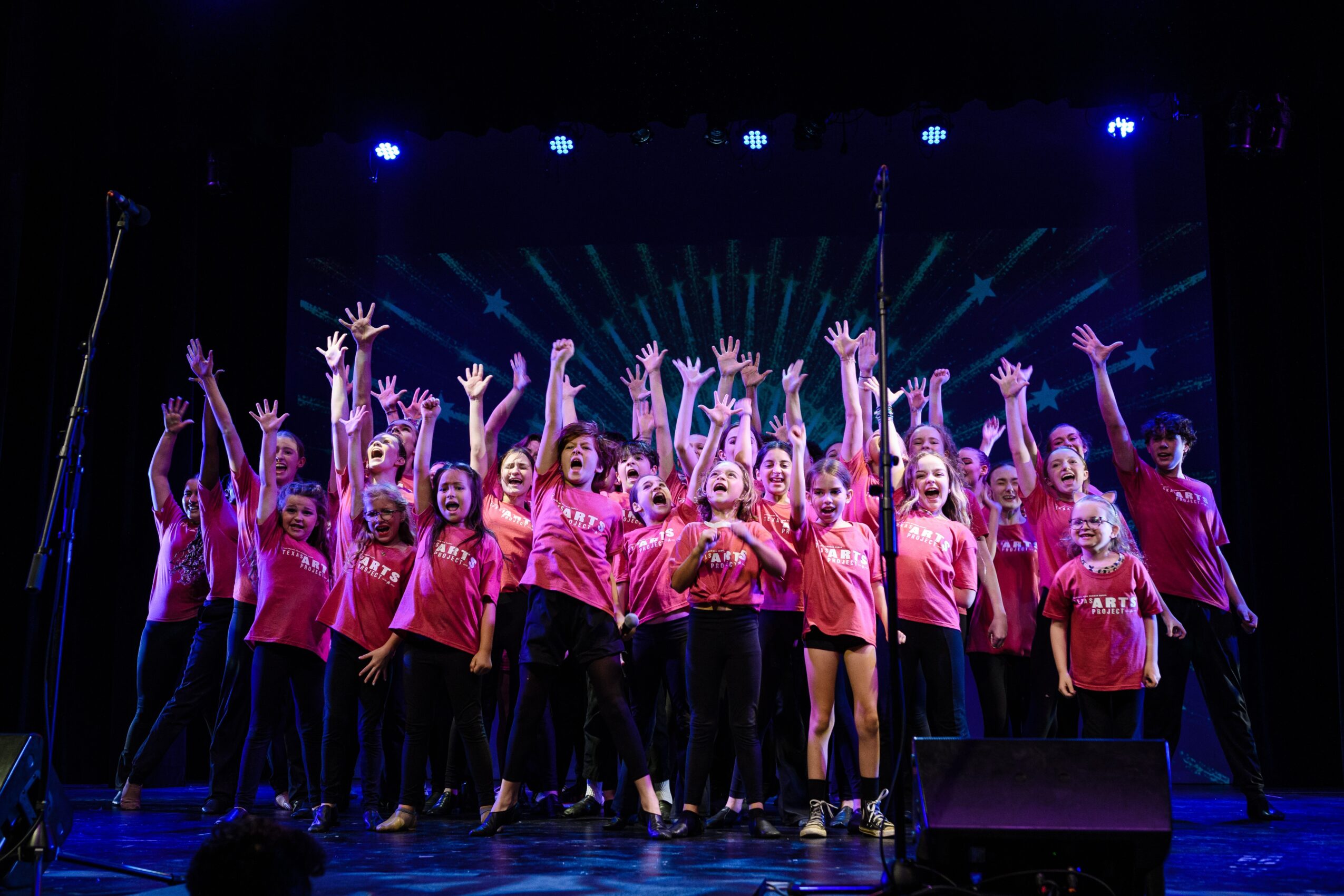
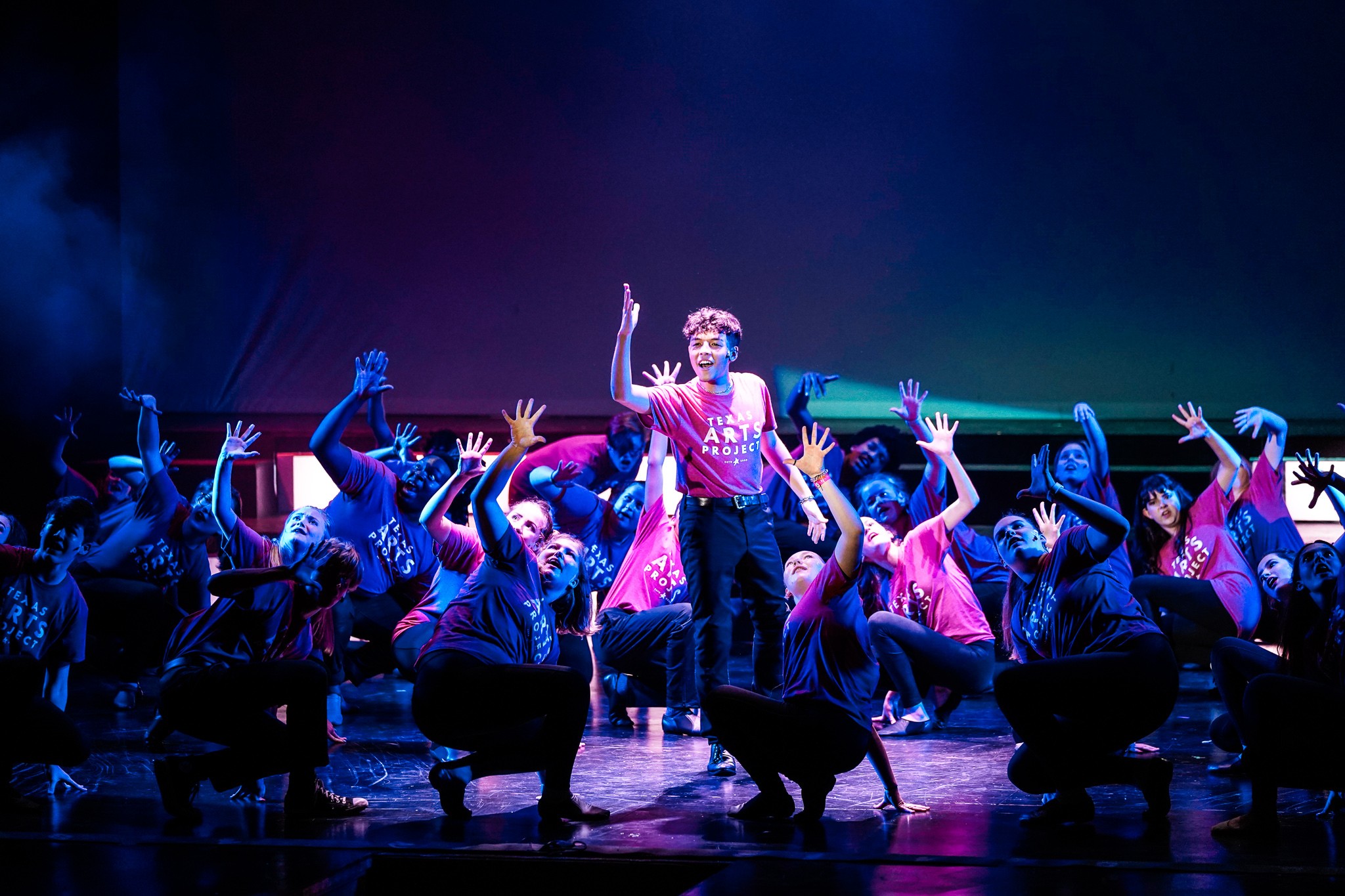
As my career evolved, I began directing and choreographing productions for schools and theatres throughout Austin. I helped launch Texas Arts Project, an immersive summer performing arts camp, and one night, during a very late conversation at Bennigan’s, my friend and colleague Michael McKelvey and I started dreaming up what would become Summer Stock Austin. We wanted to create a program where young artists could work alongside professionals and produce extraordinary theatre without having to pay tuition to participate. I don’t think either of us imagined how much that idea would grow.
Over the years, the work expanded to include the Heller Awards for Young Artists, college audition preparation, and additional training and professional opportunities. When the pandemic disrupted so much of the arts world, it also created an opportunity to reimagine how our programs could operate and grow. With the help of some incredible colleagues and collaborators, we established Impact Arts, bringing together programs that had previously operated separately under a shared mission.
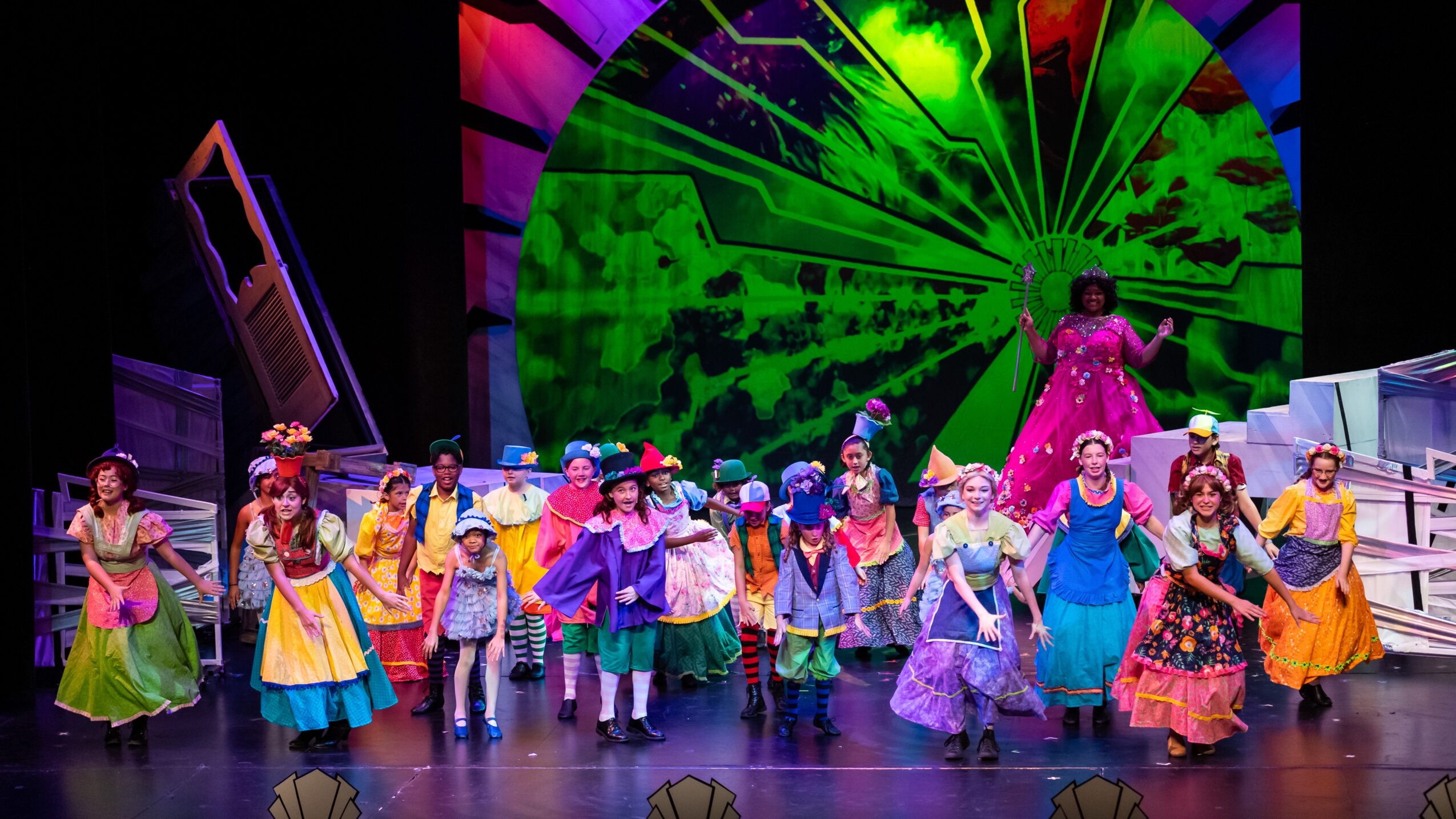
Today, I’m the Co-Founder and Executive & Artistic Director of Impact Arts, where I get to work alongside an incredible community of artists, educators, and industry professionals to create opportunities for thousands of young people while producing theatre for Austin audiences. Our students are doing extraordinary things, from discovering theatre for the very first time to performing on Broadway and building professional careers throughout the entertainment industry.
Being inducted into the Austin Arts Hall of Fame was an incredible full-circle moment. I may have been born in McAllen, but in so many ways, I grew up in Austin. This city gave me opportunities that changed the course of my life, and I’ve spent nearly three decades trying to create those same opportunities for others.
I didn’t necessarily know what I wanted to be when I grew up, but I knew how I wanted people to feel when they walked into a theatre: welcomed, inspired, challenged, and part of something bigger than themselves. That’s what I experienced in that little theatre in McAllen and backstage at the Paramount, and it’s what we’ve worked to build at Impact Arts. I feel incredibly fortunate that I get to do this work, and even more excited about what we still have ahead of us.
Would you say it’s been a smooth road, and if not what are some of the biggest challenges you’ve faced along the way?
Has anyone ever described a career in nonprofit theatre as a smooth road? If so, I’d love to meet them!
There have certainly been plenty of challenges along the way, both in creating and sustaining arts programs and in figuring out how to be the kind of leader I want to be.
One of the greatest challenges has been balancing artistic ambition with the practical realities of running a nonprofit. I’m an artist and educator at heart, and I have pretty big expectations for what we create. I want our audiences to be moved, inspired, and sometimes genuinely awestruck. I want our students to experience what it’s like to create something extraordinary. But making that happen requires resources, time, money, and a tremendous amount of work from a lot of people.
I don’t really approach our work as running a business that happens to produce art. We’re creating art and educational experiences, and we need a strong business structure to make that possible. But that means constantly balancing artistic excellence, accessibility, fair compensation for artists, and financial sustainability. I’ve had to learn that not every great idea can happen immediately, and sometimes the most important thing you can do is recognize what needs to be in place before you can take the next step.
I’ve also learned some hard lessons about leadership. I was given enormous responsibilities at a very young age, and I was a bit of a workaholic. I loved what I was doing, wanted everything to be perfect, and assumed everyone else should approach their work the same way.
I remember getting incredibly frustrated with my staff during an early summer at Texas Arts Project. A friend and colleague finally told me that if I spent my life expecting everyone to work at the same level and in the same way I did, I was going to spend my whole life disappointed. That was a pretty important moment for me.
I realized that being a good leader wasn’t about expecting everyone to work the way I did. It was about communicating expectations, understanding people’s individual strengths, and creating an environment where everyone could contribute their best work. I’m still learning those lessons. I care deeply about the quality of what we produce, and I still struggle with delegation. Someone once told me that I was actually very good at delegating, but if the person didn’t do it within ten minutes, I’d just do it myself. Unfortunately, there was some truth to that!
Another challenge has been learning when to hold tightly to a vision and when to let go. I’ve spent years building programs that mean an enormous amount to me, and there have been times when circumstances, limited resources, or competing organizational priorities made it difficult to move those programs forward. That’s especially frustrating when you can see the potential of something but can’t find a way to help it grow.
One of the biggest lessons I’ve learned is how important it is to surround yourself with people and organizations that share your values. Financial sustainability is essential, but I’ve always believed it should serve the mission, not the other way around. For me, the experiences we’re creating for young people have to remain at the center of our decisions.
The pandemic was a major turning point. Like so many people in the arts, we faced enormous uncertainty, but it also gave us the opportunity to rethink how our programs were structured and what they could become. Establishing Impact Arts allowed us to bring our work together under a shared mission, make decisions with greater intention, and build partnerships that genuinely supported our vision. It’s been exciting to see how much opportunity for growth that has created.
I think one of the most important things I’ve learned over the years is how to recognize which battles are worth fighting. When I was younger, I was so emotionally connected to everything I created that any challenge to the work felt like a challenge to me personally. Over time, I’ve gotten better at separating the two, understanding where compromise is possible, and identifying the things that really matter.
And I think that’s another lesson: learning to embrace change. The funny thing is, I don’t particularly like change! But I’ve learned that change is inevitable, and often necessary for growth. Sometimes the thing that feels like an obstacle is actually what pushes you toward something better.
I certainly haven’t figured it all out, and I don’t think I ever will. But I try to keep learning, adapting, and surrounding myself with people who believe in what we’re building. As long as we’re creating meaningful opportunities for young people, I know the challenges are worth it.
We’ve been impressed with Impact Arts, but for folks who might not be as familiar, what can you share with them about what you do and what sets you apart from others?
I’m the Co-Founder and Executive & Artistic Director of Impact Arts, an Austin-based nonprofit dedicated to transforming our community through accessible arts education and outstanding artistic experiences.
At Impact Arts, we believe arts education can be about so much more than learning to sing, dance, or act. It can be a pathway to discovering your voice, building confidence, finding your community, and developing skills and relationships that can change the course of your life.
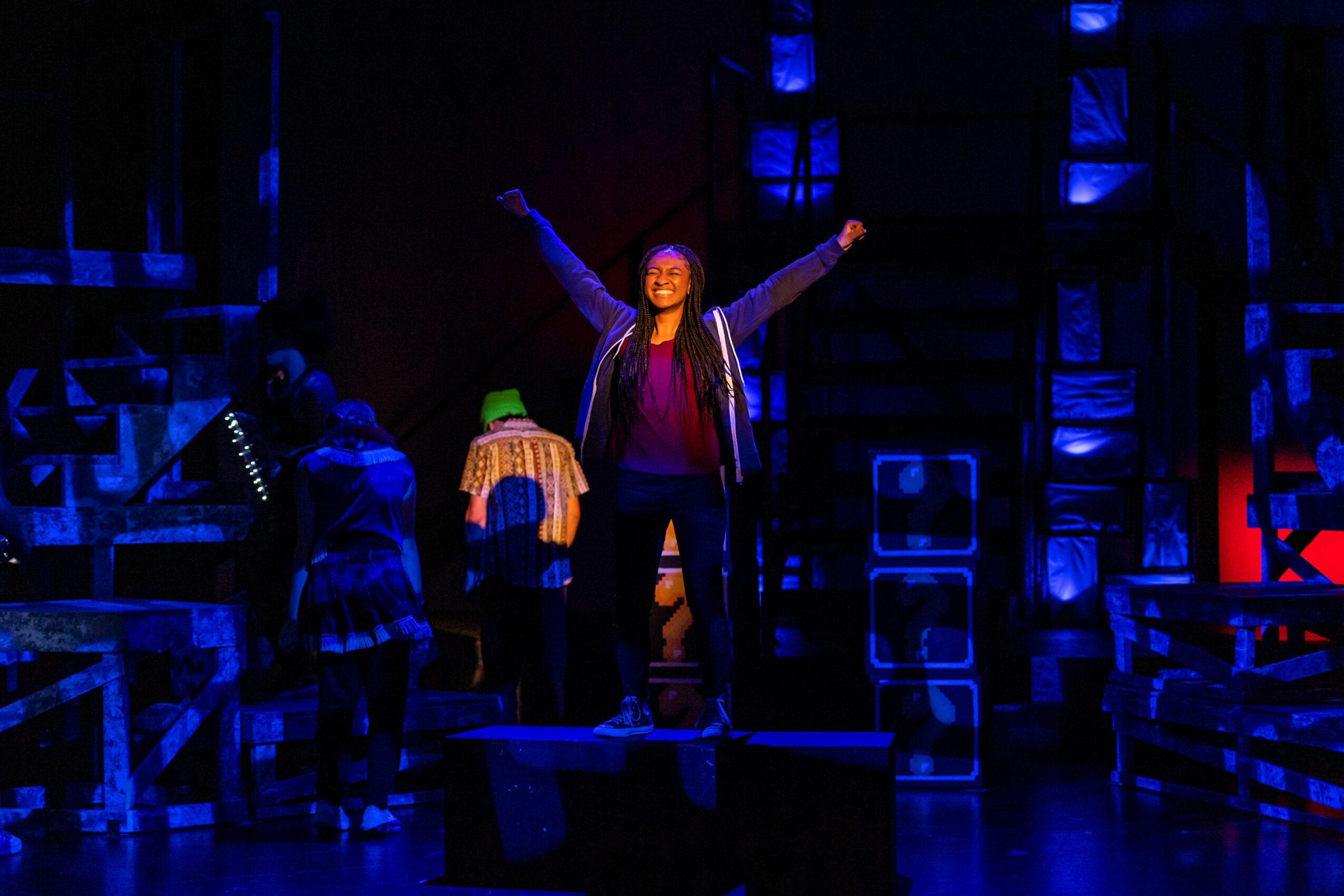
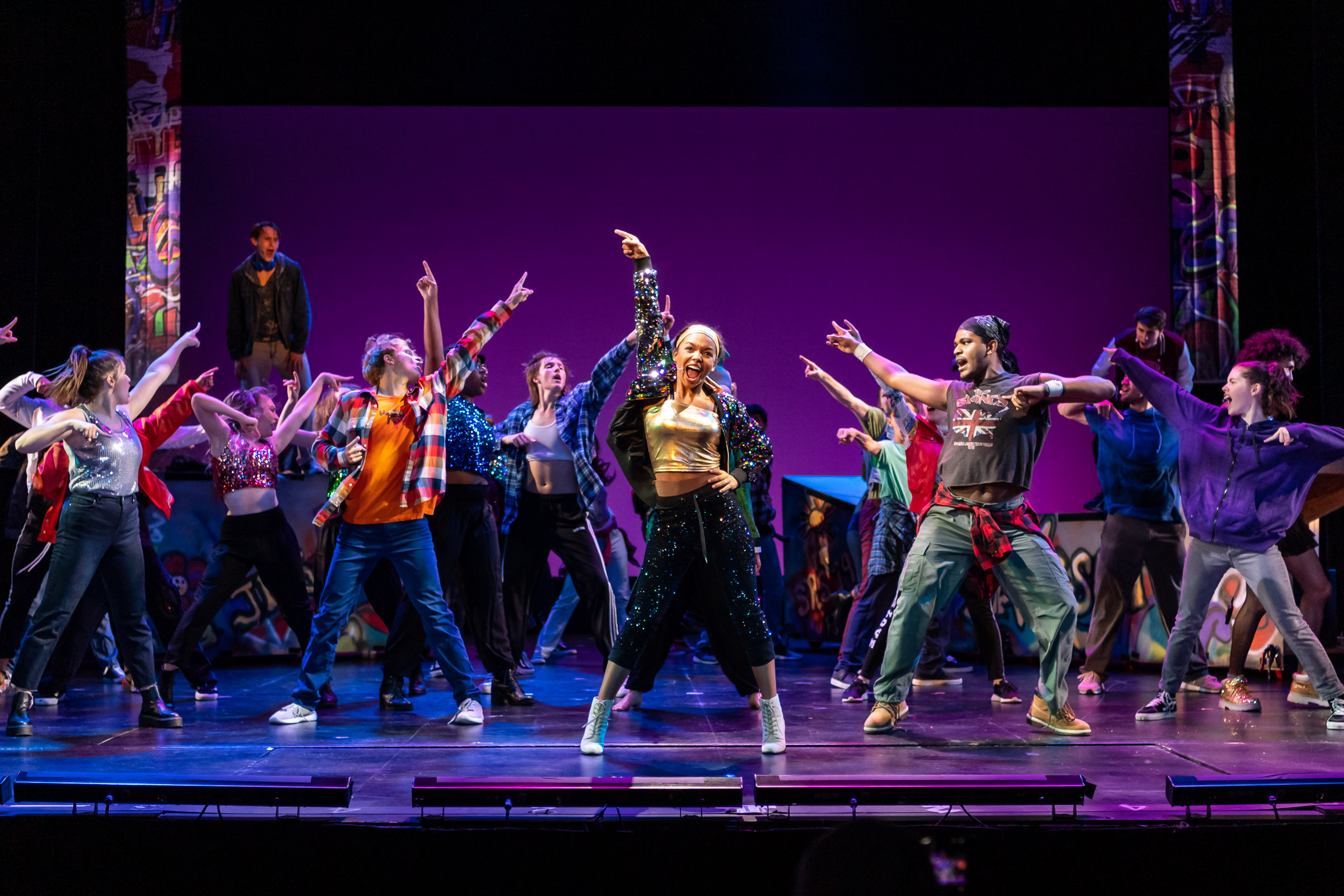
What makes our organization unique is the way we’ve connected arts education with real professional experiences. We’re not just teaching young people about theatre. We’re inviting them into the process of creating it, working alongside industry professionals, and giving them meaningful responsibilities and opportunities to contribute.
I think there’s sometimes an assumption that because a production is educational, the artistic expectations should somehow be lower. I’ve never believed that. Some of the most exciting theatrical experiences I’ve been part of have been created with young artists. When you surround students with talented professionals, give them meaningful responsibilities, and challenge them to work at a high level, extraordinary things can happen. And I think the experience becomes even more transformative when the process is collaborative, supportive, and genuinely values the people involved. We shouldn’t have to choose between creating exceptional art and creating a positive experience for the people making it.
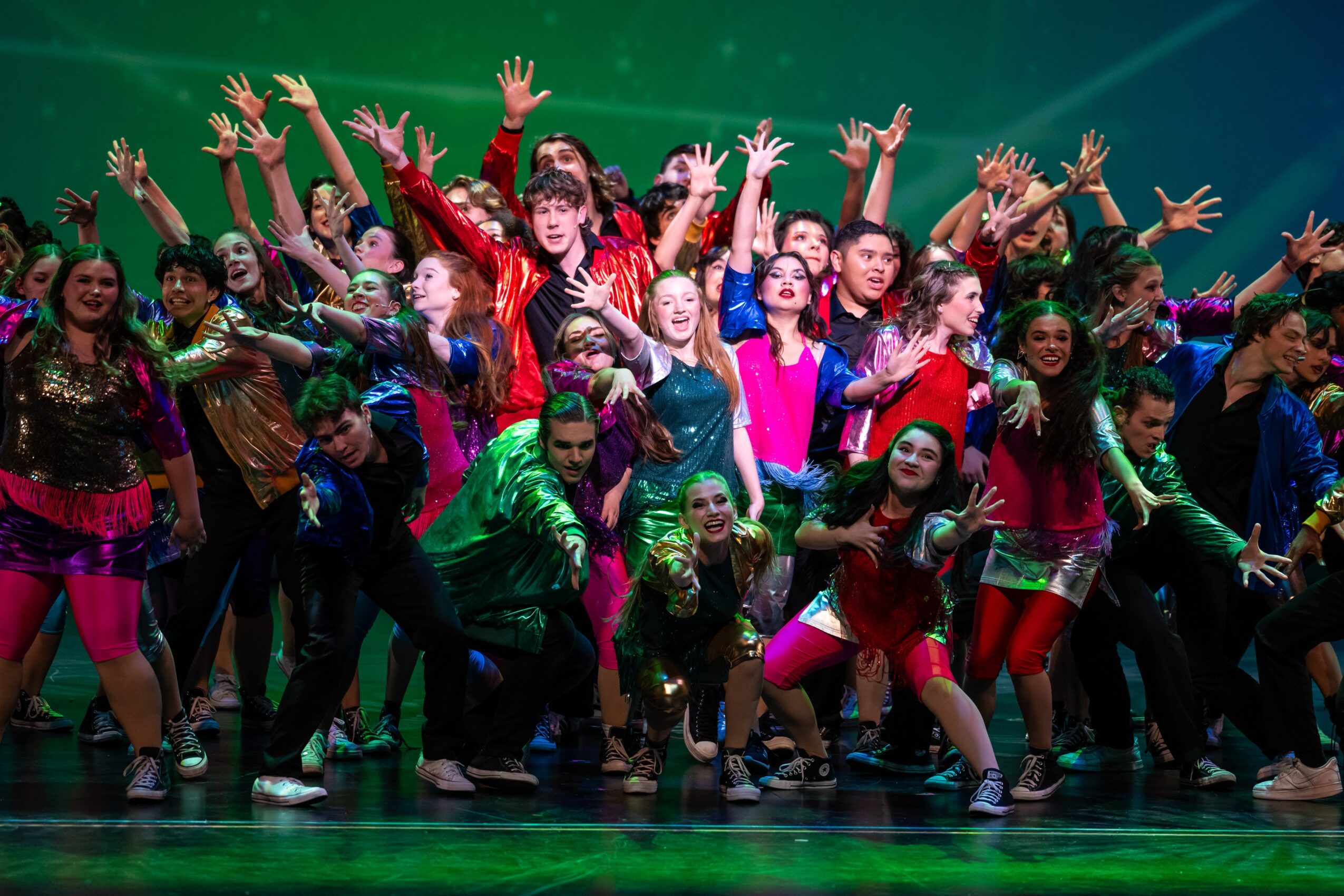
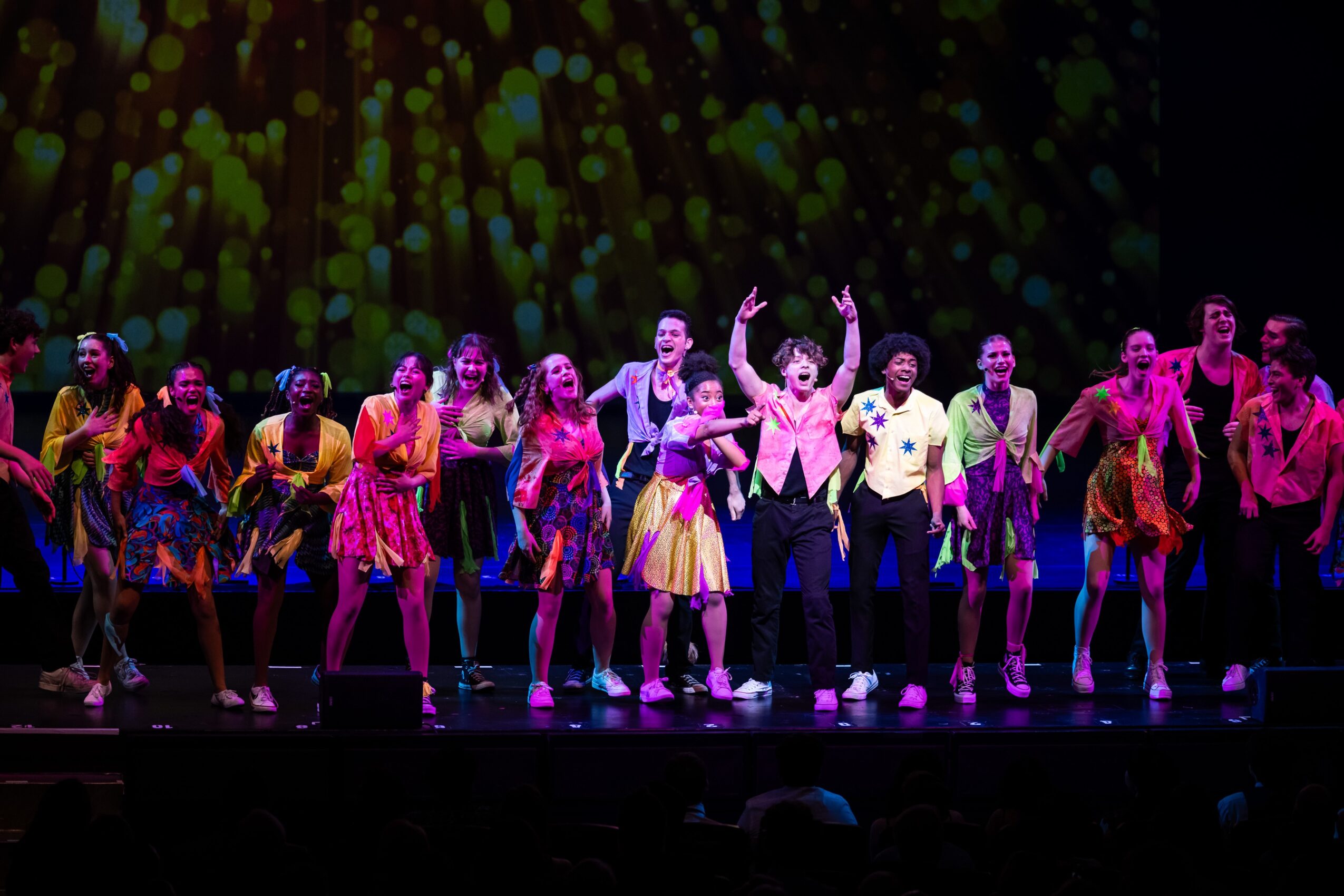
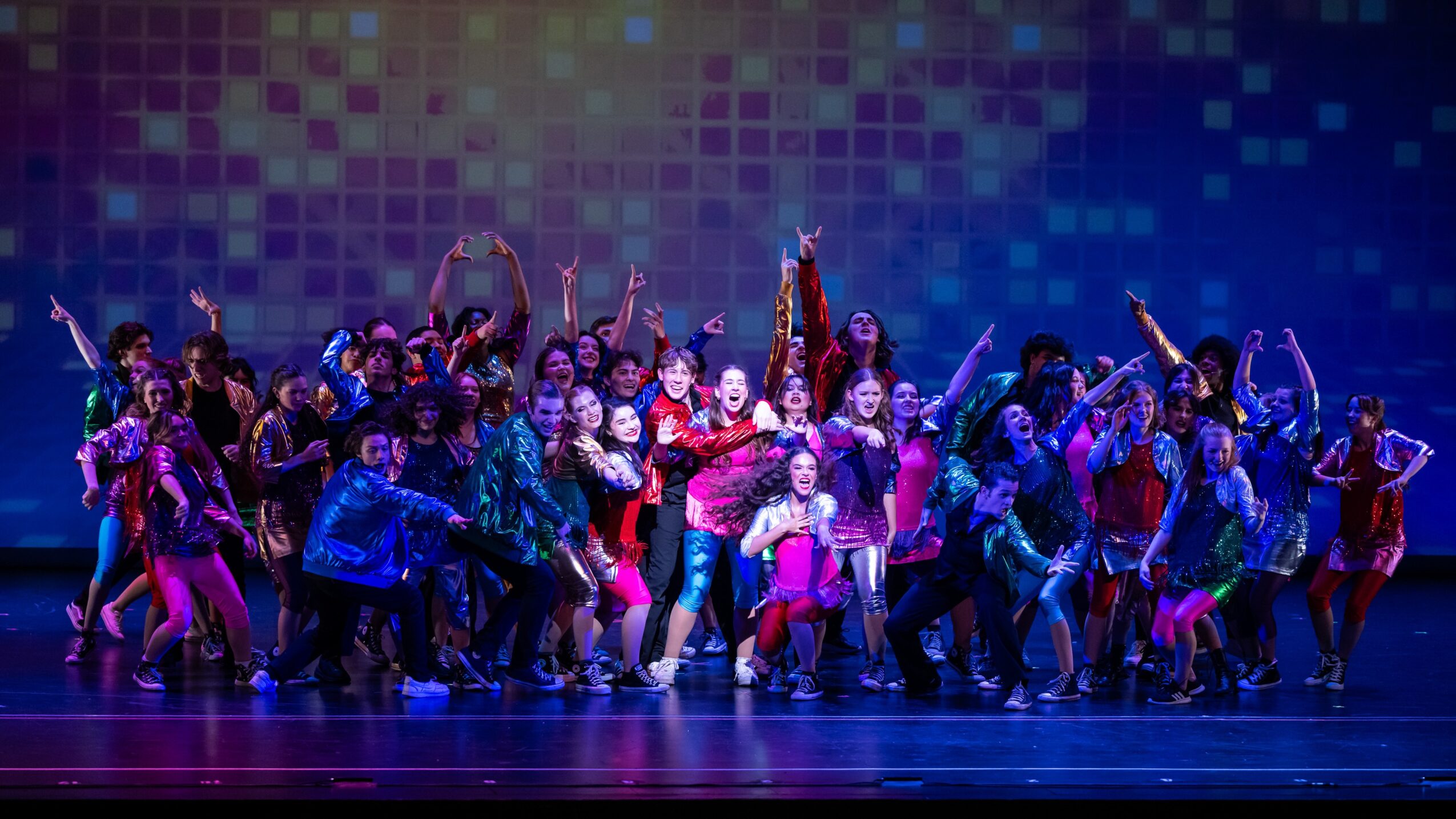
Our programs serve young artists at different stages of their development. Texas Arts Project introduces students to immersive musical theatre training. Summer Stock Austin brings together emerging artists and industry professionals to produce fully realized musicals for Austin audiences. Our College Audition Program helps students navigate the process of pursuing theatre education at the college level, and our internships and mentorship opportunities give young artists real-world experience both onstage and behind the scenes.
We also co-produce the Heller Awards for Young Artists with Texas Performing Arts, celebrating excellence in high school musical theatre throughout Central Texas. The program recognizes the work of hundreds of students and educators each year, provides professional feedback and educational opportunities, and gives young artists the chance to perform on the stage of Bass Concert Hall. Our Select Ensemble offers tuition-free advanced training and performance opportunities to high school artists, helping remove financial barriers to that level of artistic development.
Our partnership with Texas Performing Arts has been especially exciting because it’s allowed us to strengthen and grow the Heller Awards in ways we’d envisioned for years. It’s a wonderful example of what can happen when organizations bring their strengths together around a shared commitment to young people and the arts.
Another part of our work that’s particularly important to me is our Theatre for All initiative. We believe extraordinary theatre should be accessible to everyone, not just those who can easily afford a ticket or navigate a traditional theatre experience. Through accessible performances, language interpretation, sensory accommodations, and affordable ticket options, we’re working to make live theatre more welcoming and inclusive for our entire community.
I think one of the things I’m most proud of is that we’ve created a continuum of opportunity. A young person might first come to us as a nine-year-old camper, eventually become a high school performer, participate in advanced training, return as a college intern, and ultimately be hired as a professional artist or educator. They grow up with us, and then they become the people creating opportunities for the next generation.
And that’s something I find incredibly meaningful. So many of the artists, educators, designers, and staff members we work with have been part of our community for years. Some are former students who have gone on to build successful careers and now return to share their skills and experiences with the next generation. Others are longtime collaborators who continue to give their time and talents because they believe in what we’re creating together.
We’ve reached thousands of students and audience members over the years, and we’ve been fortunate to see incredible success stories emerge from our programs. Some of our alumni are now performing on Broadway, touring nationally, working in television and film, or building professional careers behind the scenes. But the moments that stay with me aren’t necessarily the awards or professional accomplishments. Sometimes it’s a student discovering they belong somewhere for the first time, or realizing they’re capable of something they never thought possible.
When I think about what we’ve built, I’m incredibly proud of the quality of the work we produce. But I’m equally proud of the community that surrounds it. We want people to feel they’re part of something meaningful, whether they’re a nine-year-old camper, a professional artist, or an audience member seeing one of our productions for the first time.
Ultimately, I hope the work we do creates a ripple effect. That the young people we invest in today will go out into the world with greater confidence, creativity, and compassion, and that many of them will turn around and create opportunities for someone else. To me, that’s what lasting impact looks like.
So, before we go, how can our readers or others connect or collaborate with you? How can they support you?
There are so many ways to be part of what we’re building at Impact Arts, and I think that’s one of the things I love most about this work. It really does take a community.
First and foremost, come see a show! Summer Stock Austin brings together extraordinary young talent and professional artists to create theatre that we hope our community will be excited to experience. When you buy a ticket, you’re not just supporting a production. You’re helping create opportunities for the next generation of artists while experiencing some pretty fantastic theatre.
We’re also always looking to connect with individuals, businesses, foundations, and community organizations who believe in the importance of arts education and access. Financial contributions and sponsorships help us provide scholarships, offer tuition-free training, create paid professional opportunities for young artists, and expand our accessible programming.
But collaboration doesn’t always have to mean financial support. Some of the most meaningful things we’ve created began with a conversation. Someone had an idea, someone else had a resource or a connection, and together we figured out how to make something happen. That’s how so much of this work has grown.
We’re especially interested in connecting with artists and industry professionals who want to mentor young people, educators looking for opportunities for their students, businesses that want to invest in the next generation of creative talent, and community organizations that can help us reach people who might not otherwise have access to these experiences.
And if you know a young person who loves theatre, whether they dream of performing on Broadway, designing the lights, managing a production, or just want to try something new, please introduce them to our programs. You don’t have to know exactly what you want to be to find your place in the arts. I certainly didn’t!
I think one of the greatest gifts someone can give a young person is an opportunity they might not have discovered on their own. Someone did that for me, and it changed my life. Every day, we’re trying to make sure more young people have that same chance.
You can learn more about our programs, upcoming productions, and ways to get involved at www.impactarts.org.
Contact Info:
- Website: https://impactarts.org
- Instagram: impactartsatx
- Facebook: impactartsatx
- LinkedIn: https://www.linkedin.com/company/impactartsatx/
- Twitter: impactartsatx
- Youtube: impactartsatx