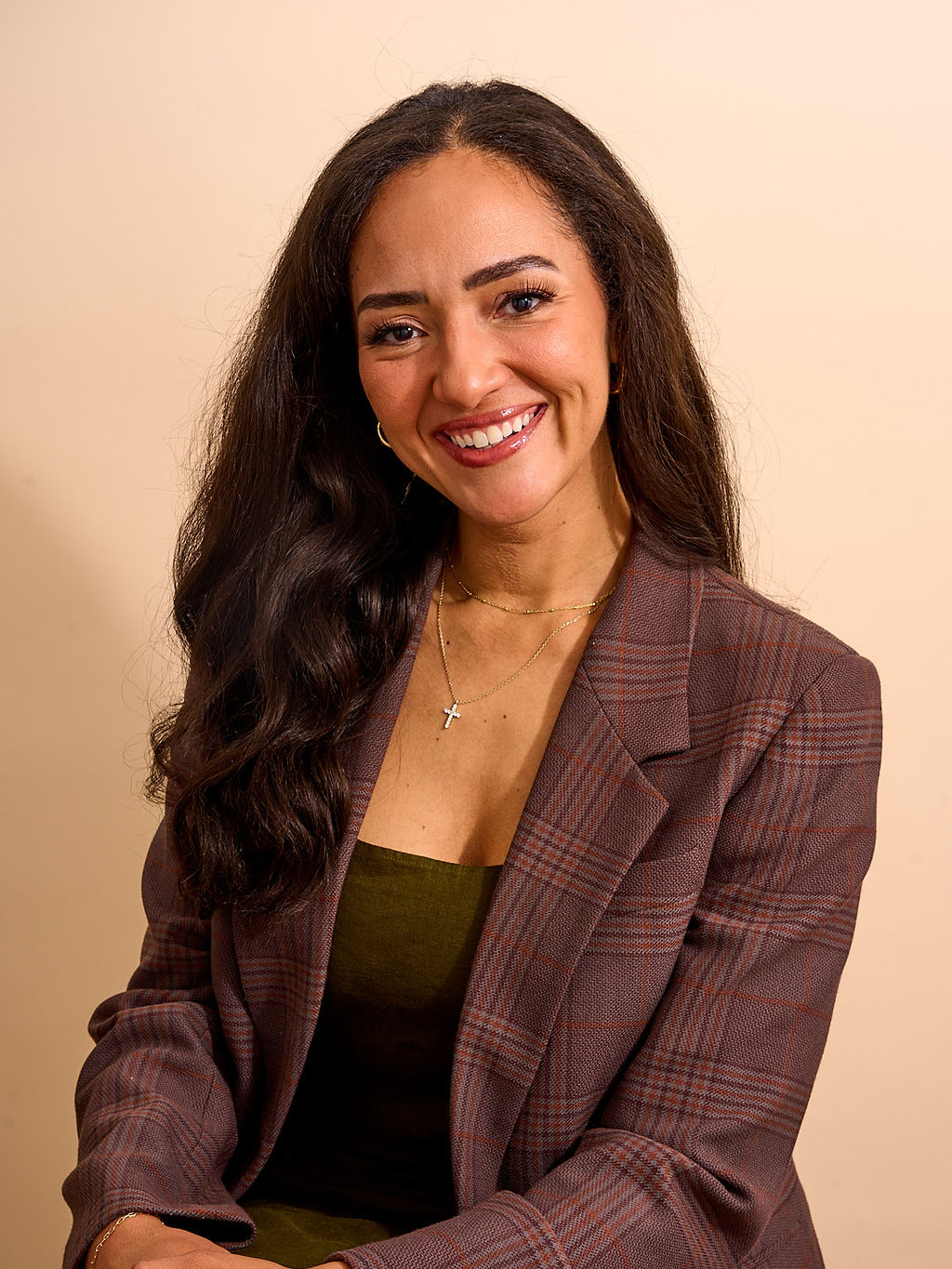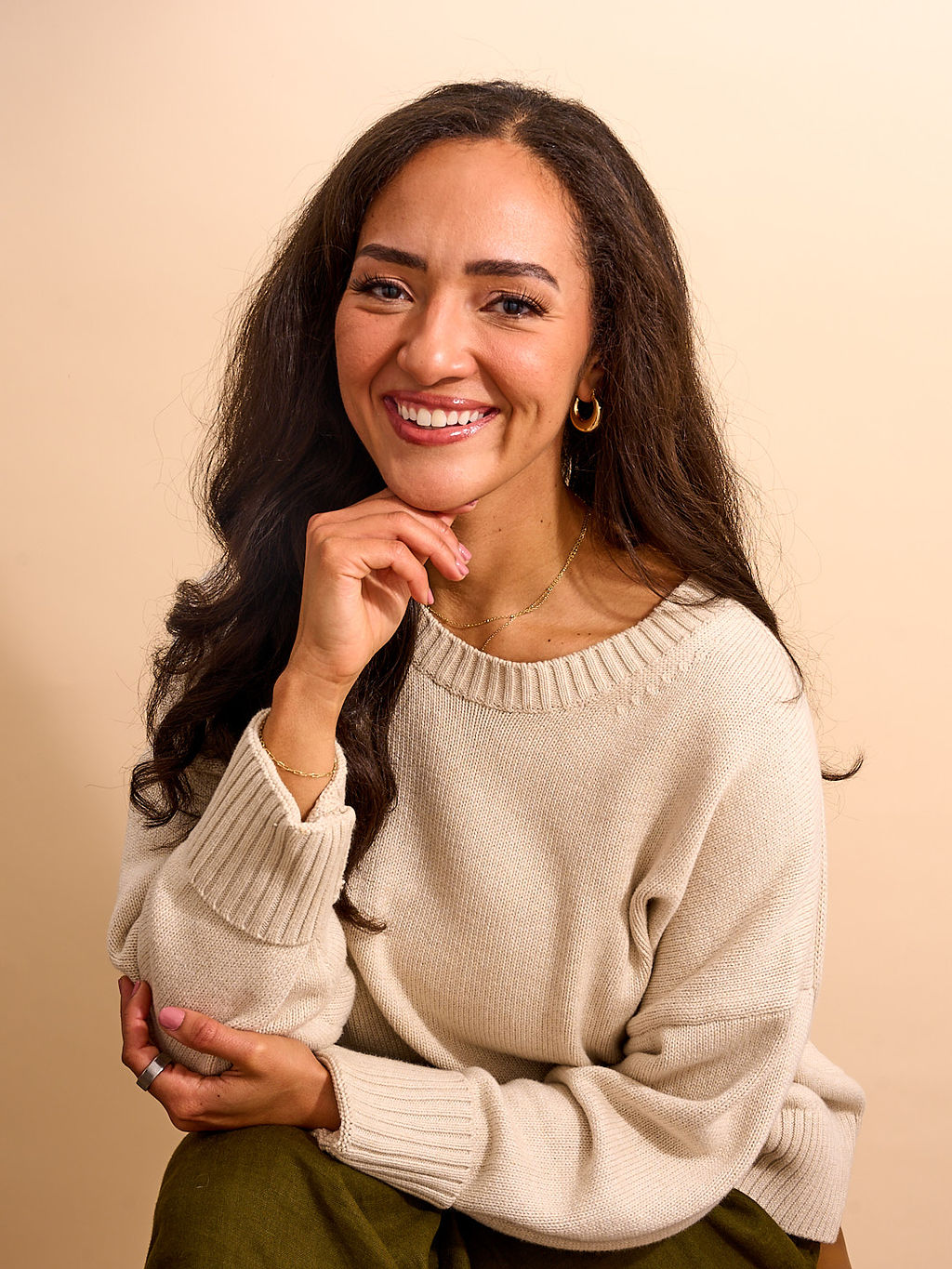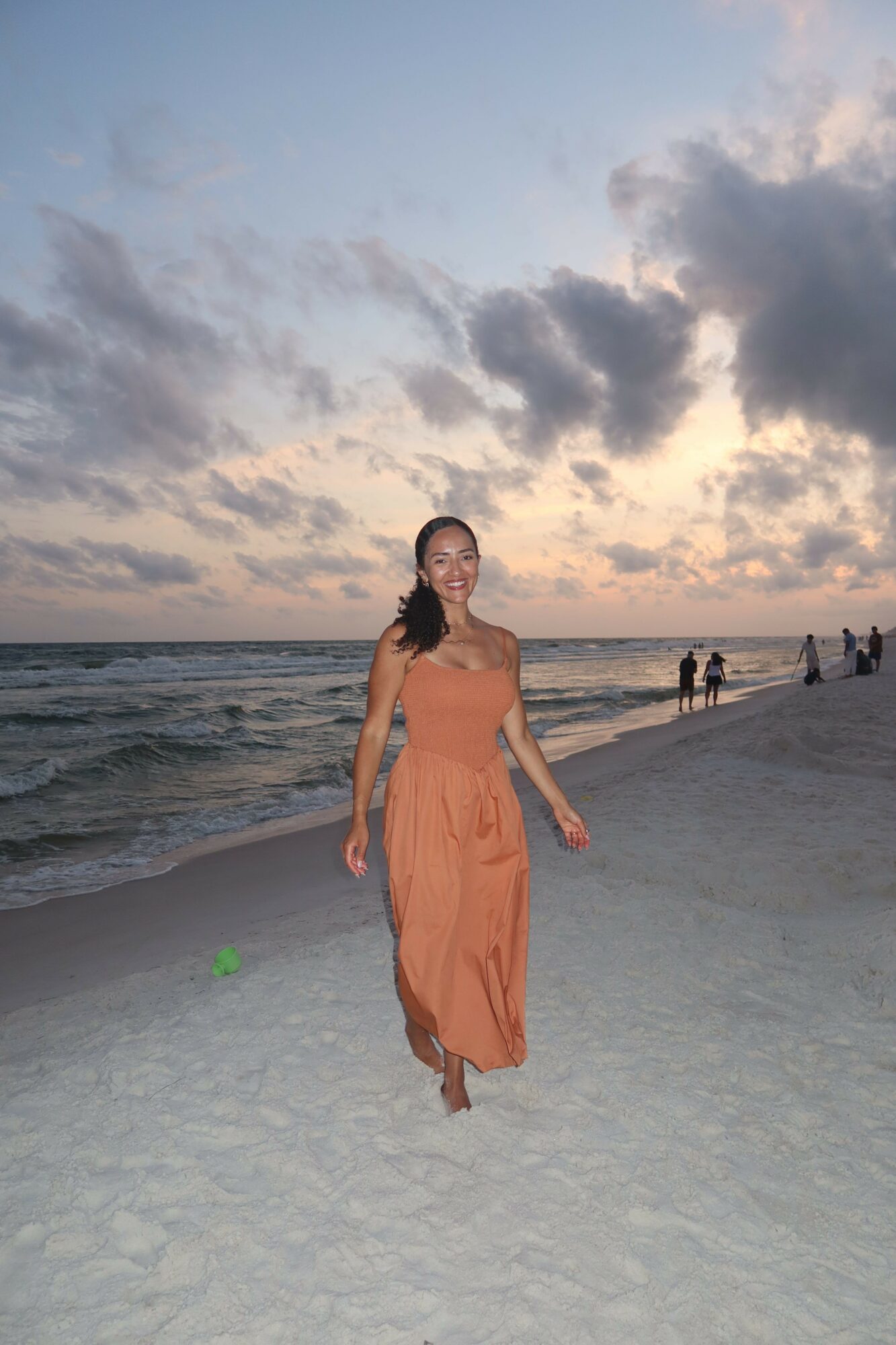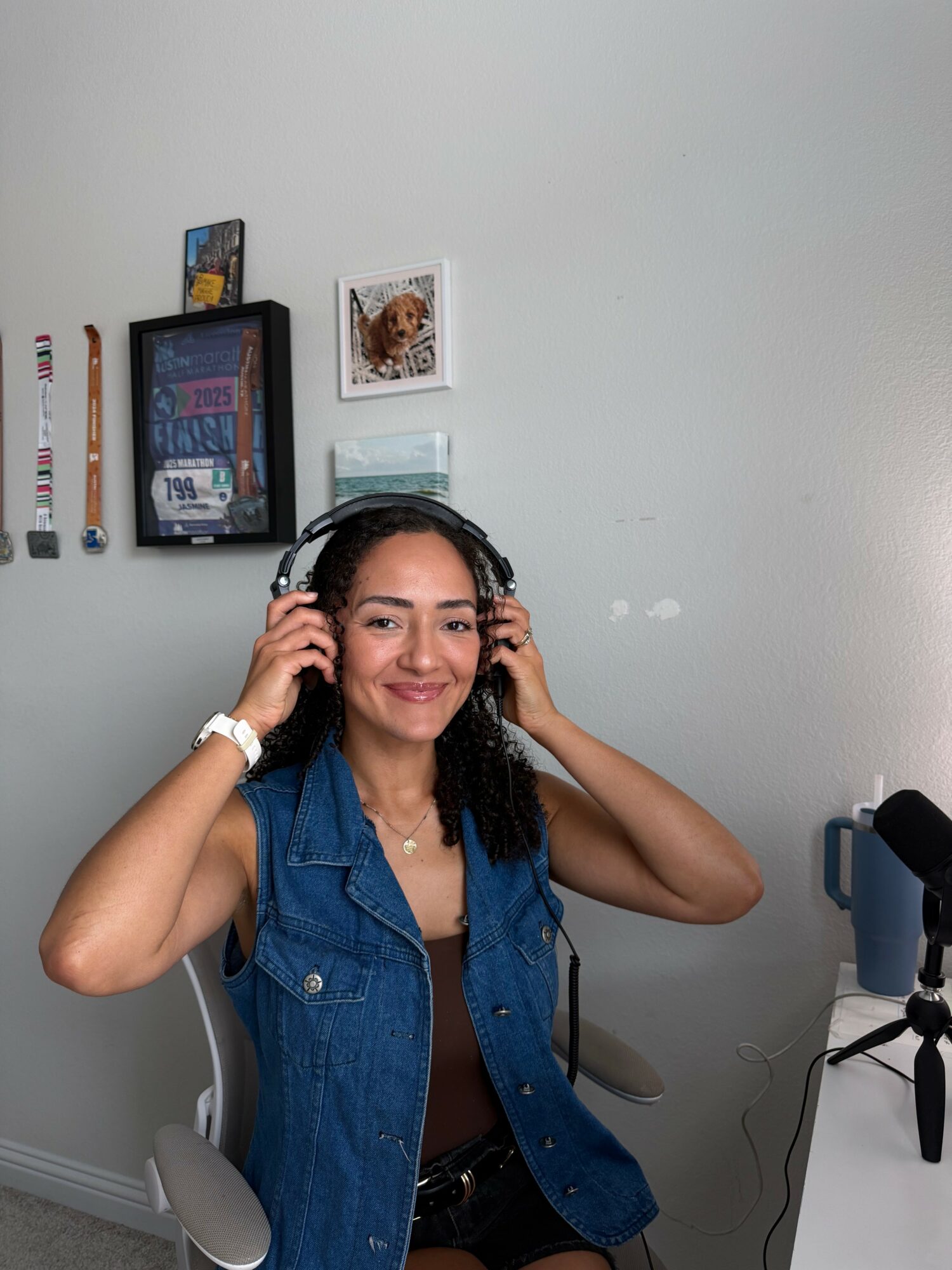




Today we’d like to introduce you to Jasmine Adeoye.
Hi Jasmine, thanks for joining us today. We’d love for you to start by introducing yourself.
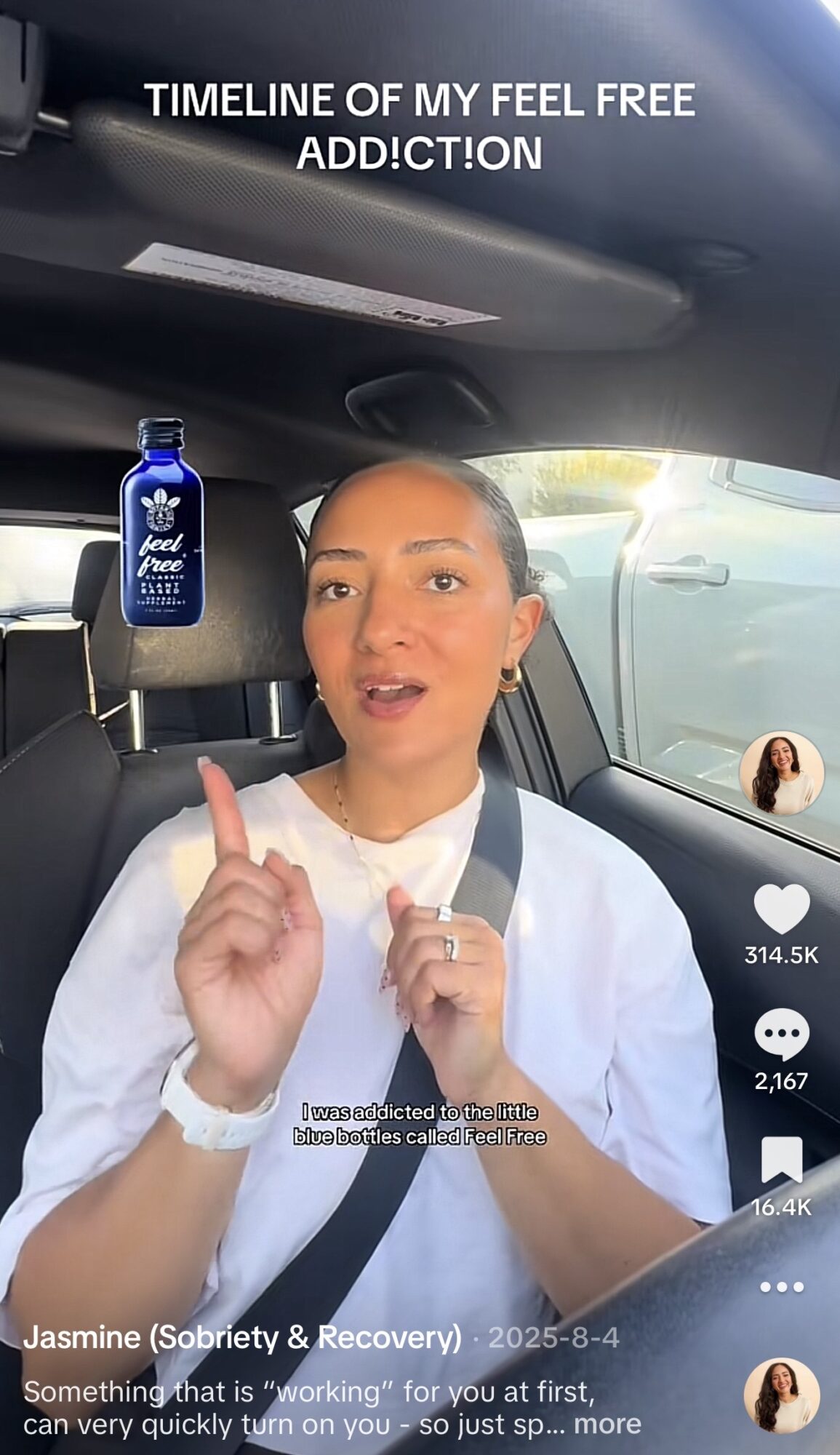
I got sober from alcohol in June of 2022 and was introduced to Feel Free tonics on my favorite wellness podcast. It was originally marketed as an alcohol alternative for sober people, so it seemed like something I would enjoy. The marketing primarily focused on it being a kava product, which I had taken before, so I didn’t see any issues with it.
Feel Free also contained kratom, which binds to your opiate receptors. At the time, I didn’t know this. I had heard of kratom compared to matcha or tea, so I didn’t see any issues with it then, either. My use of Feel Free started casually on the weekends, and at first I thought it was a godsend. It helped me have less social anxiety and made me feel more talkative without the crutch of alcohol.
For about a year I used Feel Free somewhat responsibly, until I was in a toxic work environment, working remotely and very self-isolated. Using Feel Free after work or on nights and weekends turned into my replacing my morning coffee with it, to make my depression from my work environment more bearable. The emotional crash from using Feel Free was so intense that a few hours later I’d have to dose again. This turned into one bottle after another, all day, every day.
By March of 2024, I was $15,000 in debt and drinking on average 9-12 bottles a day. I was waking up in physical withdrawal every morning and secretly hiding my addiction from everyone. I was constantly lethargic, and everyone around me just thought the stress from my job had manifested as illness.
On March 15, 2024, I got engaged to my now-husband, and two days later decided to come clean to my loved ones about my addiction. After bringing the darkness of my addiction into the light, I was finally able to get help.
Two months after getting sober, I started sharing my story on social media and was floored by the number of responses I got from people experiencing the same addiction. It was absolutely overwhelming.
Now my goal is to continue to create a safe space for individuals to talk about kratom addiction without stigma. We need more education and regulation of a substance that is far too easily accessible. So many people are struggling in silence because they believe people won’t take their addiction seriously.
I also help lead a 12-step recovery program in my church’s recovery ministry, in addition to working with women who struggle with kratom addiction as a certified addiction recovery coach. It’s some of the most rewarding work I’ve ever experienced.
We all face challenges, but looking back would you describe it as a relatively smooth road?
The biggest challenges of my Feel Free addiction were struggling in silence during the addiction, the acute physical withdrawals that lasted 3-4 days, and the post-acute mental withdrawals that lasted 6-9 months after getting sober.
No one talks about what this addiction does to you mentally. My dopamine was completely depleted by the end of it, and it took time for my brain to re-regulate. The mental struggle was quite the battle, but I’m really grateful for my faith and the support of my community, which allowed me to keep pushing through as my brain healed.
Appreciate you sharing that. What should we know about Kratom Addiction Recovery Coaching ?
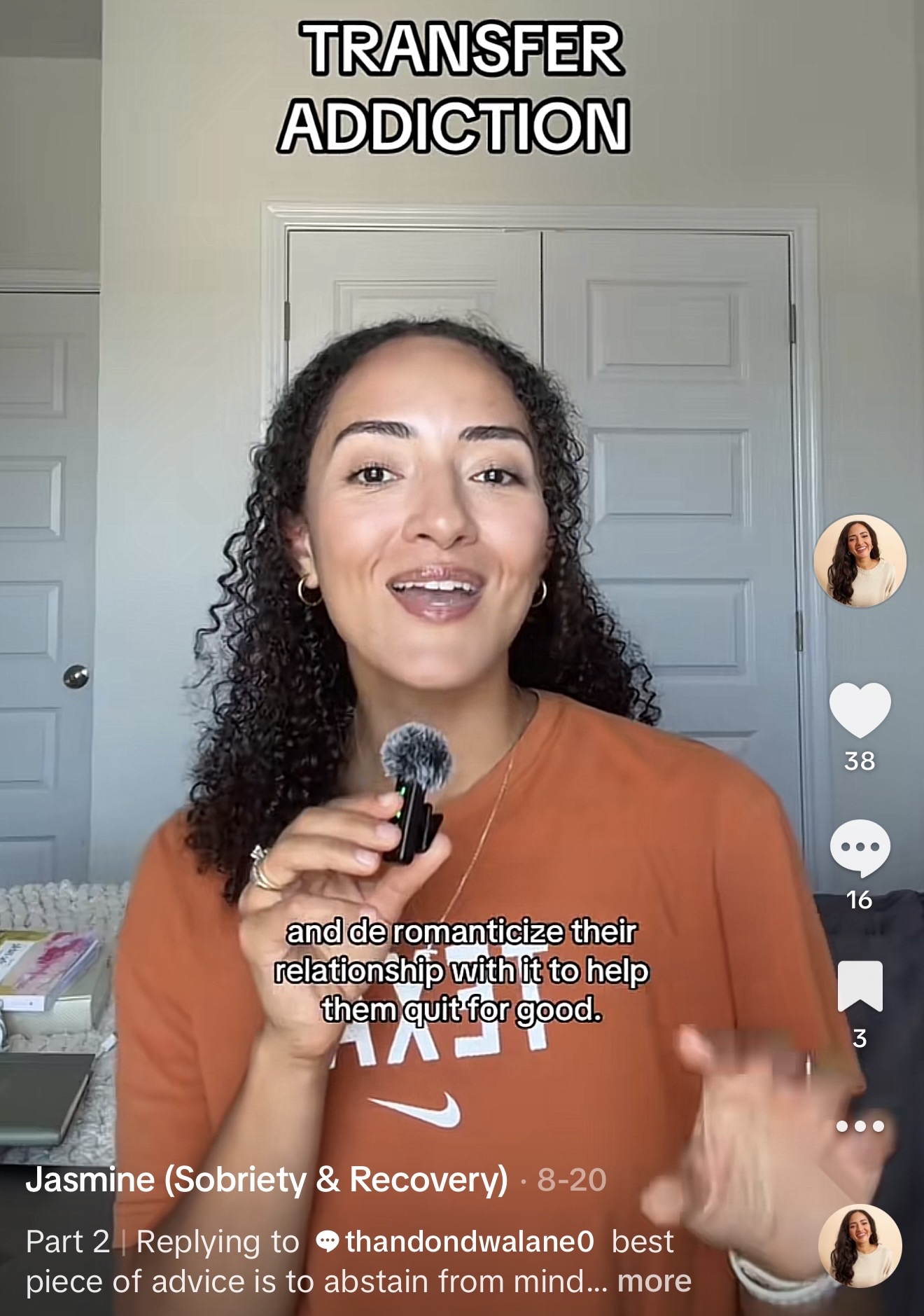
I work a standard 9-5 during the day, but in my spare time I work as a certified addiction recovery coach with women who battle kratom addiction. I’m certified through the American Association of Christian Counselors and created a program to dismantle the mental and emotional attachment to kratom.
My program is structured around positioning kratom as a toxic romantic partner who has convinced my clients that they can’t live without them. We work together over the course of five weeks to mentally process how their relationship with kratom began, the reality of the relationship, what it’s stealing from them, and how to take back their life. Oftentimes, these women just want someone to talk to who gets it and has actually experienced what they’re going through.
There still aren’t a lot of resources for those struggling with kratom addiction, so I’m really grateful I can be one of them. My clients typically consist of very high-functioning, high-achieving women. Think students, stay-at-home moms, medical professionals, business owners, etc. They feel they can’t tell anyone about their addiction because it’s their job to “keep it all together.” I give them the space to process and ask for help from their loved ones, since this can be incredibly hard to do with so many responsibilities.
I’m really proud of the success I see in my clients. I do not promise that they will be able to completely quit kratom physically after working with me (considering that is out of my control and I am not a medical professional), but I am able to make the physical quit much more approachable and within reach as they begin to come to terms with the reality of their addiction, and that kratom isn’t providing any long-term benefits.
What makes you happy?
My faith makes me happy. I was raised Christian, but didn’t develop a relationship with Jesus until my late 20s and my experience with addiction has strengthened my faith even more. I’ve seen the way God has worked in my life and He gives me reason and purpose to get out of bed every day and remain sober.
My husband and I also love to travel with the most recent trips being Costa Rica and Mexico City. I love spending quality time with family and friends – it really fills my cup. I love exercising, cooking, baking, reading, and finding random, fun hobbies like knitting.
Contact Info:
- Website: https://jasmineadeoye.carrd.co/
- Instagram: https://www.instagram.com/jasminetellsyou/?hl=en
- Youtube: https://www.youtube.com/@JasmineTellsYou
- Other: https://www.tiktok.com/@jasminetellsyou