


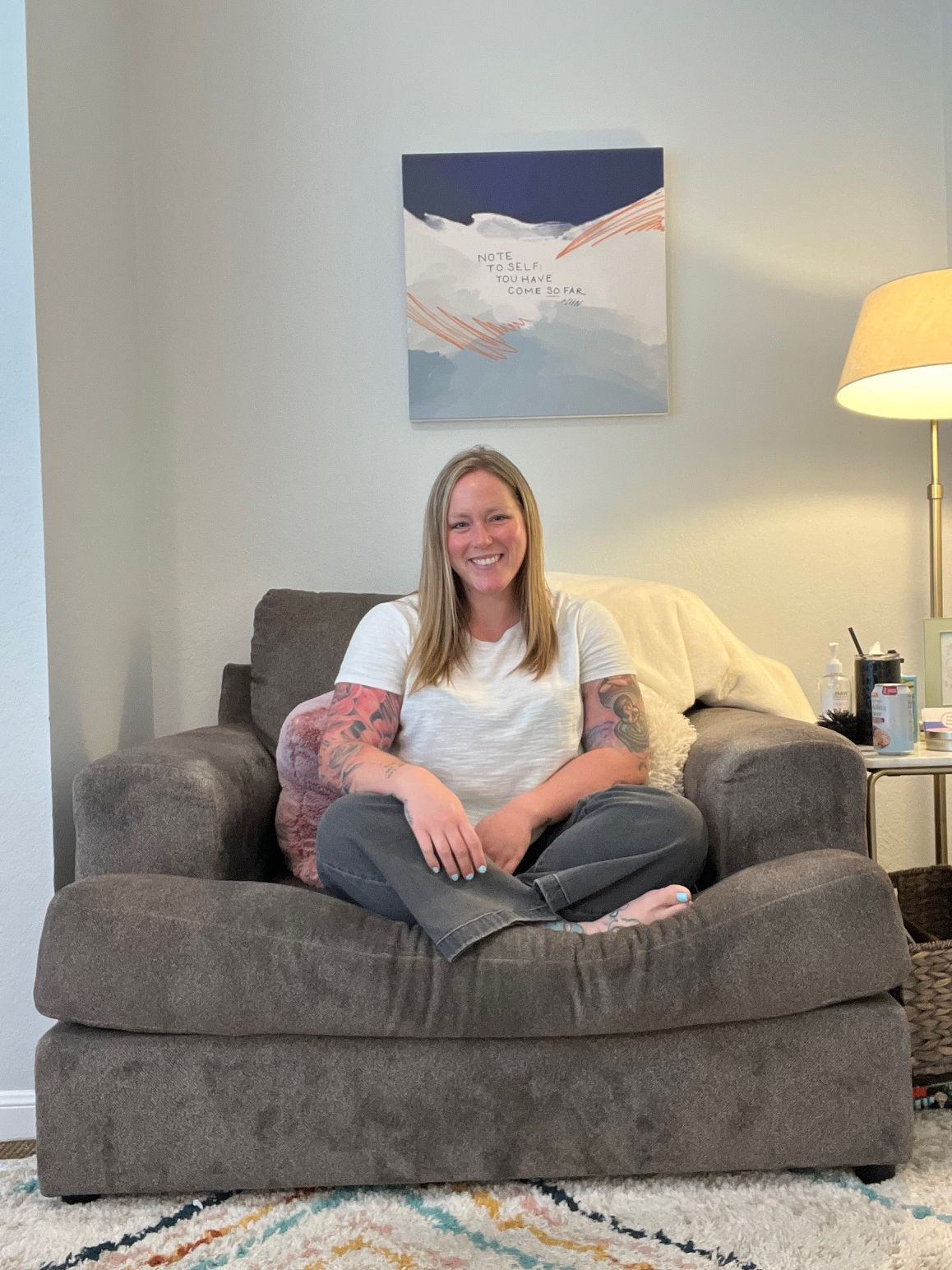
Today we’d like to introduce you to Julie Burke.
Julie, we appreciate you taking the time to share your story with us today. Where does your story begin?
I love this question because I never know exactly where (or how) to start. So, I’m listening to the Hamilton soundtrack for inspiration…is my life ANYTHING like Hamilton’s? Absolutely not. Do I sometimes listen to this for inspiration? Yes. Do with that what you will.
Anyway…how I got started and were I am today. Let’s see…I was always a big feely human (in a family that didn’t really know what to do with feelings). I never went to therapy in my youth (although I often wonder what may have been different had I had those opportunities) and I don’t think I really ever understood what therapists did/said/were like? I heard the term “shrink” in various tv shows, movies, and (very rarely) in regular conversation with people…but I didn’t know what that was. Throughout the years, I was often the friend who at parties (after imbibing, more often than not), who would console the crying or stressed person. I was coined the person who could get people to calm down or the person who could get through to people. I say that thinking about my early adulthood self with ZERO training…just a lot of life lived and a lot of experiences feeling left our and misunderstood (and just generally wanting to be a kind person to show up for others). This ultimately sparked the idea that I wanted to work with people in some capacity (although I didn’t really know what that meant or looked like). So, naturally, I got an undergraduate degree in psychology (despite being told numerous times by people that a BA in psychology alone was basically useless). Side note: for anyone reading this, please refrain from sharing those kinds of insights (unless asked) with people. Is it true? In theory, yes? Maybe? I needed to go to grad school to do what I’m doing now…which is fine AND it’s exceptionally discouraging to be embarking on “what’s next” only to be told time and time again what you’re doing is pointless. I digress.
Long story short: after my undergrad degree, I worked with special needs adults for many years (which I often claim is my first love, professionally). I LOVED the work and also was exhausted and worn out by it (for many reasons I’m not going to get into). A lot of the work I did was rooted in behavioral interventions–which is fine (and has its place) and didn’t fully scratch the itch of getting into the feely-human work that I so desperately wanted to do. In short: I liked feelings too much to be focused on behavioral-based interventions. So, I ended up going to grad school and getting an MA in Counseling (I often lovingly refer to grad school as “feelings school”). I left grad school both full of excitement at the possibility of me helping others and also terrified at the thought that I had someone’s mental health & well-being in my hands (in hindsight–I don’t actually have *that* much control over the trajectory of someone’s life…thank goodness. Having said that–there are definitely good therapists our there and some that can be quite harmful. I’m happy and proud to consider myself a good therapist). Again, I digress. Through a lot of hard work, determination, and perhaps a little luck along the way (regarding who I met and when & how I met them)–I found some incredible opportunities for work and connected with some even more incredible people.
I worked at a group counseling office for just shy of 5 years; I credit this place for teaching me how to be a therapist, what marketing means (and looks like), and how to run a practice. I left this practice in August 2020 (so I’m coming up on 6 years of having my private practice–which is wild and SO exciting) and have been doing my own things since then. I’ve learned about 1,000 things along the way (and that’s probably not even an accurate number…truthfully, it should be much higher). I’ve made mistakes, learned what clients I’m really good at working with (and who I’m not a good fit for) and how to show up authentically in the work I do. I’m incredibly grateful and have shared the belief before that being a therapist is one of the strangest jobs ever…and also, undoubtedly, one of the most special.
We all face challenges, but looking back would you describe it as a relatively smooth road?
The road to where I started to where I am now certainly has not (always) been easy–I want to also name it hasn’t always been hard though, either. When I think of some of the challenges along the way, I can’t help but think about personal experiences and life happenings I experienced along the way. As a therapist, a lot of what I do is show up fully human and hear and absorb what clients are sharing. I’ve laughed with clients, I’ve cried with them, I think about them between sessions…I genuinely care about the people I work with (and also very much care about what I do).
Being a feely human in a complicated world by default can be challenging–being a human in a very feeling-forward and relationally based job is even more challenging. Without getting into details, I can’t help but think of some of the things I’ve experienced (personally) while trying to show up professionally: breakups, new relationships, more breakups, moving, arguments with family & friends, friends moving, navigating complicated feelings around death, trauma (both personally and also societally). I can think of one time (many years ago) after an unexpected breakup, I couldn’t stop crying before a session and ended up cancelling on a client less than 5 minutes before our session was scheduled; it didn’t feel good to do and I legitimately could not show up as a therapist in that moment. A few summers ago, I was also broken up with and was between sessions at work–I cried (pretty hard) and then had to intentionally pause my feelings to show up for another person. There have also been times–I’m thinking of societal tragedies (specifically, right now, I’m thinking about the school shooting in Uvalde, Texas in May 2022 or Trump being re-elected in January 2025) and how heavy those sessions were (for their own reasons). This was especially challenges because I was feeling my own grief with this (which I did share with clients), however, it made my tolerance/bandwidth for conversations around these topics with people in my personal life arguably nonexistent.
I will say–this is all part of the process and part of what makes this job both special and complicated all at the same time. This is also just a snapshot of what comes to mind when I think of some of the struggles I’ve experienced along the way. A HUGE part of how I navigate these things is by going to my own therapy weekly–having an intentional space to process what I’m experiencing or feeling or needing with someone who gets it is invaluable. I’m also a licensed supervisor (which means I have the honor of supporting provisionally licensed therapists with working towards licensure in the state of Texas) and this is a big part of what we talk about in supervision together–how being fully human in a profession like this can be challenging (and how to listen to your body and take care of yourself along the way).
We’ve been impressed with Violet Crown Therapy, but for folks who might not be as familiar, what can you share with them about what you do and what sets you apart from others?
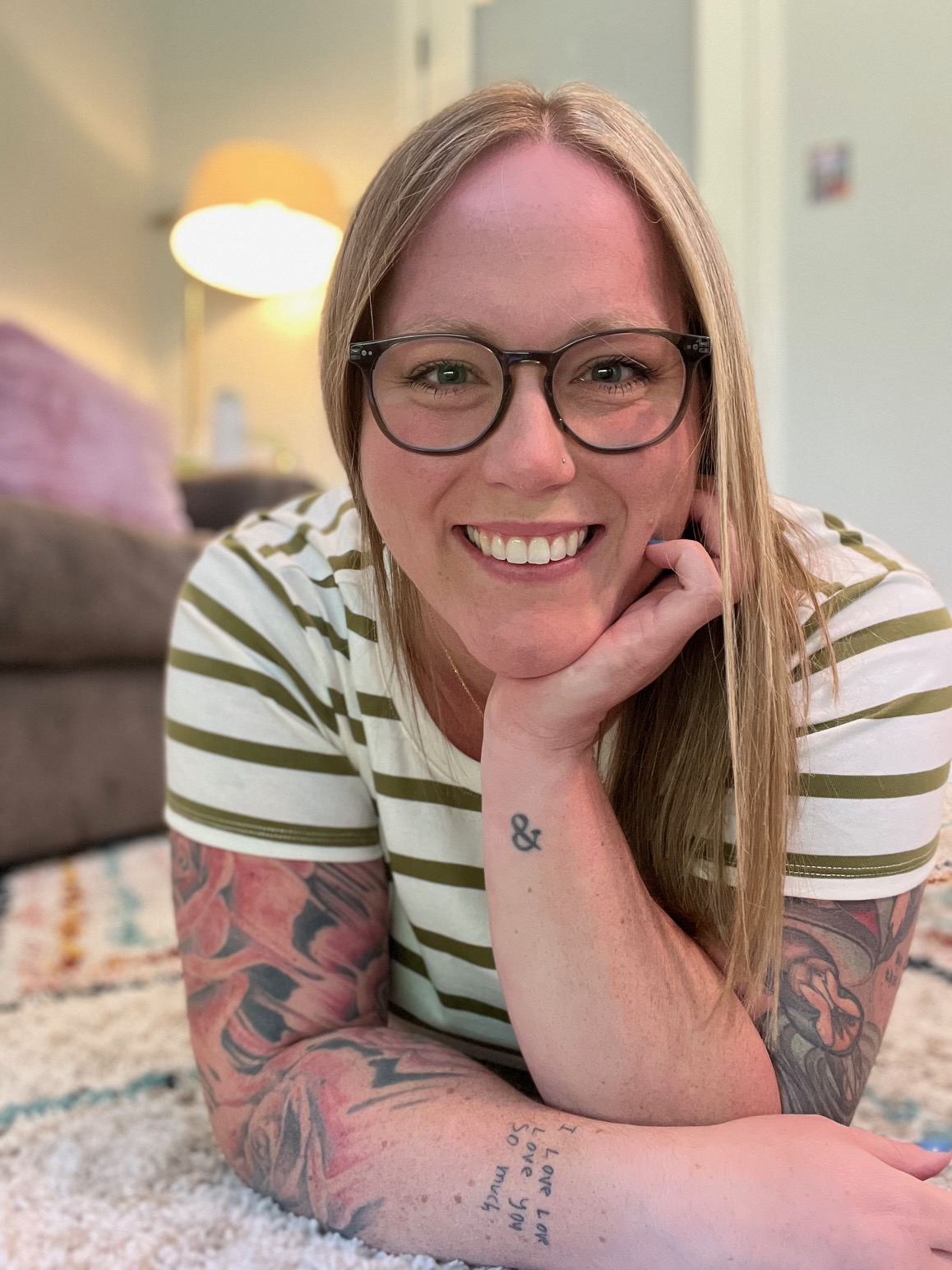
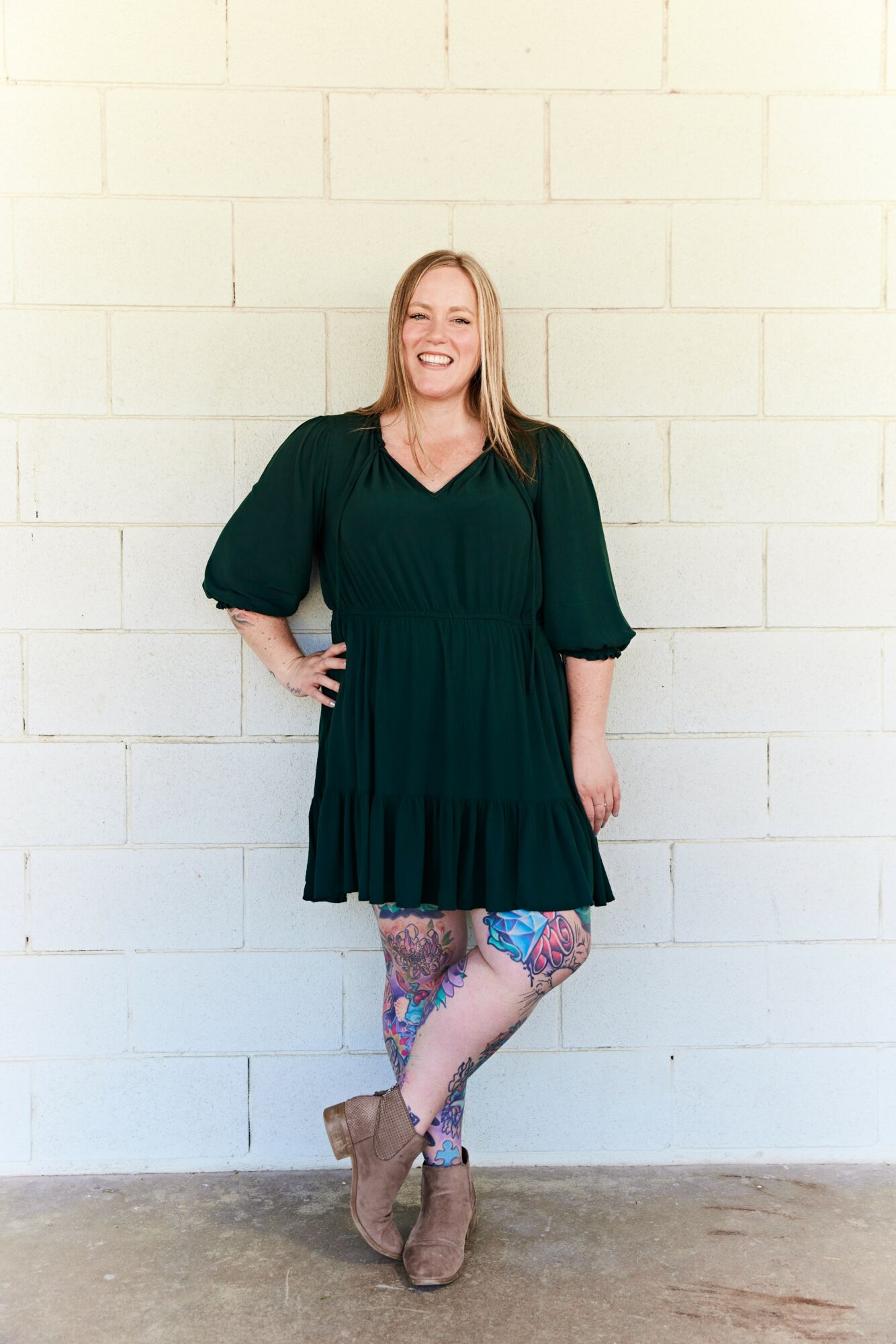
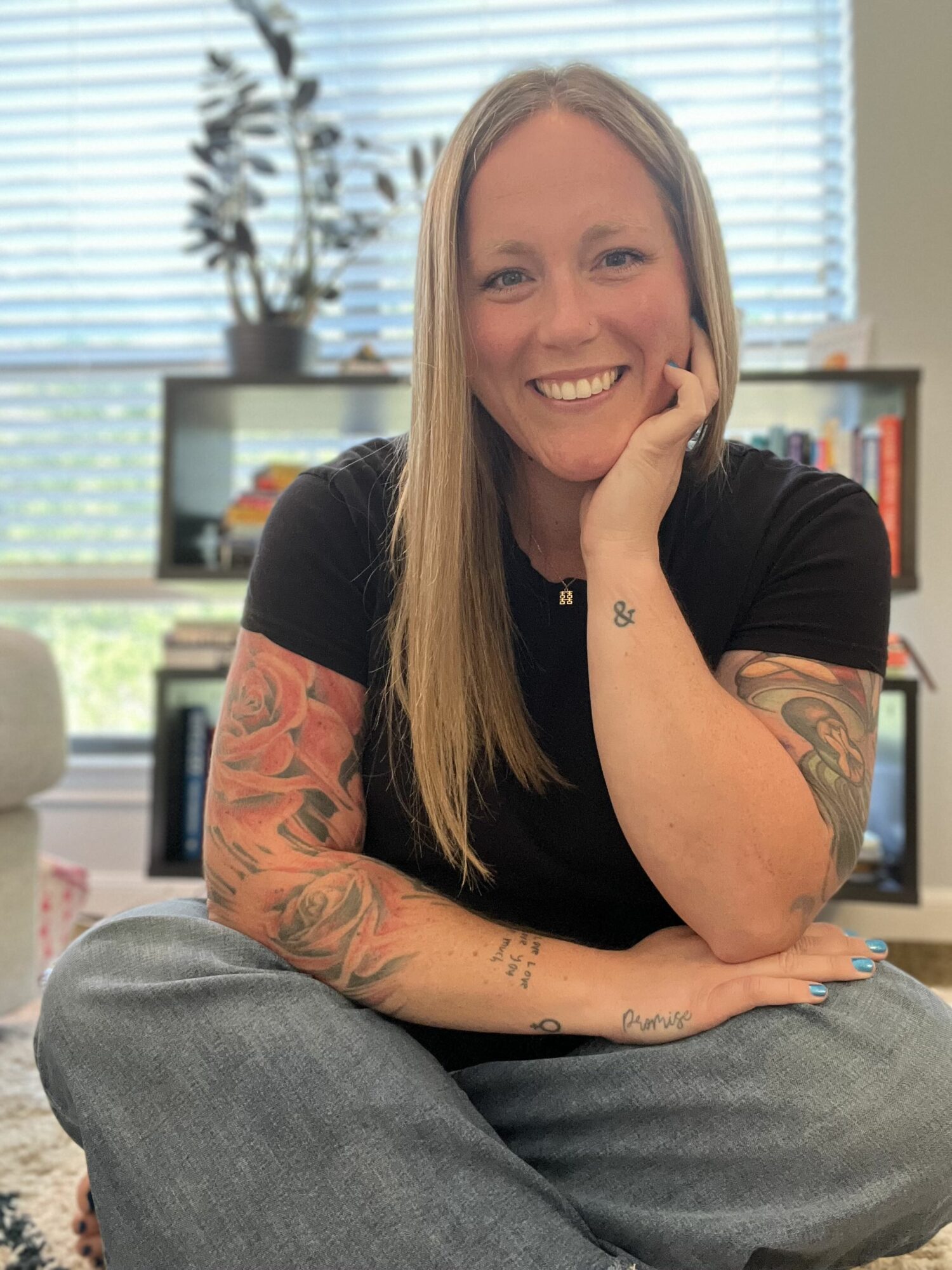
I am the owner + therapist of Violet Crown Therapy–a private therapy practice in Austin, Texas (although I can work with clients virtually all over Texas) specializing in identity, neurodivergence, and burnout. I work with tweens (11+), teens, and adults including high achievers, people pleasers, and queer clients who are navigating relationships, overwhelm, and and a desire to feel more like themselves. I take this job incredibly seriously, but try not to take myself too seriously. At the core of my job, I focus on the relationship with the client(s) I work with and intentionally show up to connect with them–this might look like laughing with clients, poking fun at them (if/when appropriate), crying with them, and ALWAYS asking to see any furry friends that are nearby. The work I do centers around helping people build more authentic relationships, both with themselves and with others around them; I have experience with individuals, families, and couples/relationships; I really love what I do.
I’m also a licensed supervisor in the state of Texas and LOVE being a supervisor. Having the opportunity to work with provisionally licensed clinicians and supporting them through working towards full licensure is an incredible vulnerable, empowering, and special relationship; I am working with an associate who has lovingly referred to the associates I support as “Julie’s Angels”. What a compliment–and one that I don’t take lightly!
I also love teaching in various capacities–this may look like various things, but an offering I have (both a recorded version and potentially upcoming live-opportunities) is an ethics training for clinicians about knowing when to refer clients out (or not) and how to trust your clinical judgment (and also clinical/ethical rules pertaining to your license). This has been SO FUN to do and something that has felt empowering to share with the community around me; I’m definitely hoping to do more trainings in the future (so, anyone in Texas–stay tuned!)
Do you have any advice for those just starting out?
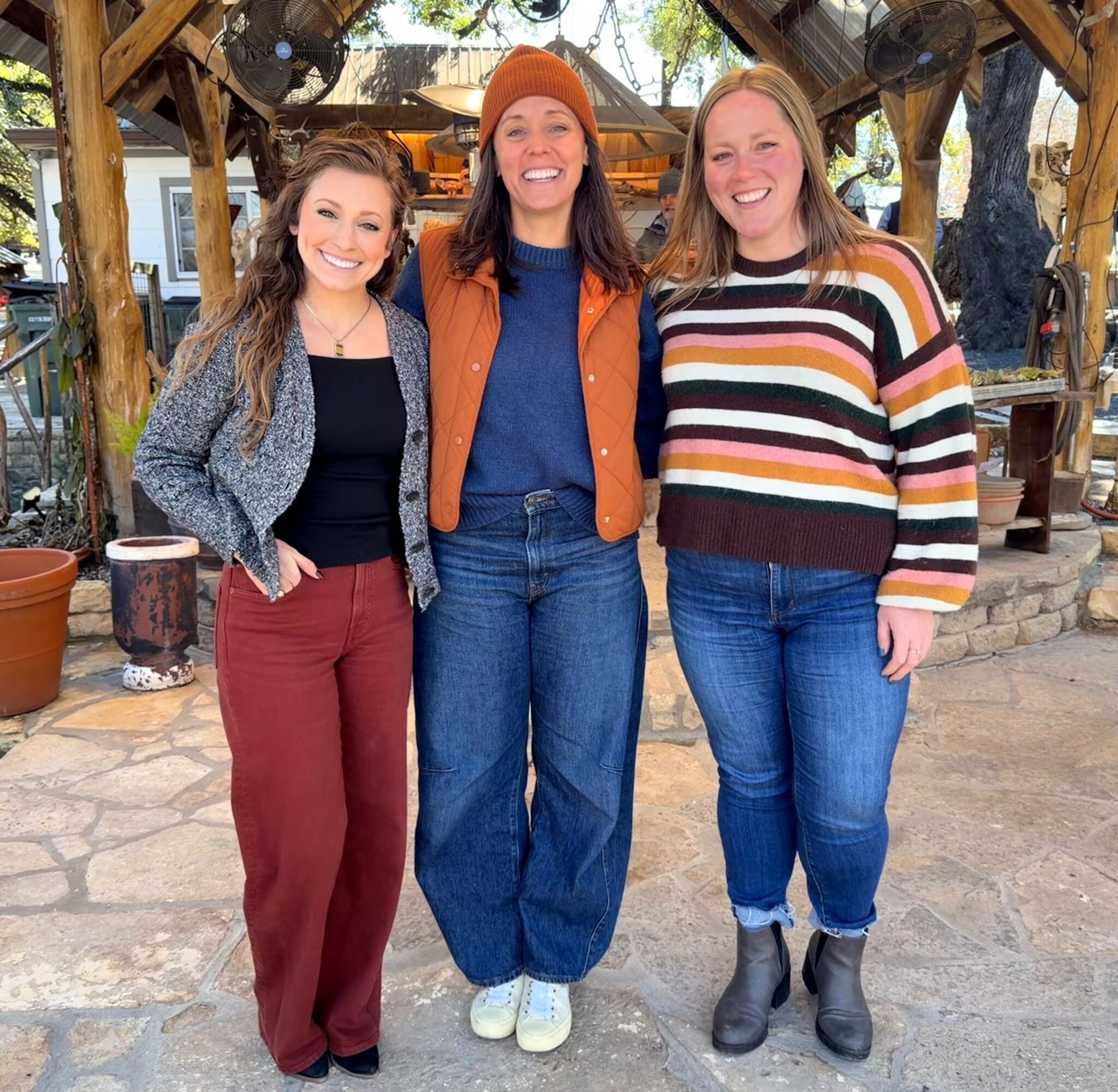
Hmm…advice for those who are just starting out? I can’t help but think about the word: community. Build community in ways you are able to (both professionally and personally). This job can be really isolating (in various ways) and it’s something that non-therapists don’t always get. When we show up open-hearted with clients, we often have that expectation of people in our personal lives (and it doesn’t always happen). Side note: Jeffrey Kottler talks about this in his book “On Being A Therapist”–I read the book when I was in grad school and re-read it again in early 2026 and that was something that really resonated with me this time around. Anyway–I’m thinking about therapist friends I have and the conversations we have–obviously not all of them are therapeutic in nature or DEEPLY in the feelings space AND we just show up differently for each other (and in the world). I am eternally grateful for the therapist friends and community I have…whether it’s to talk about a personal thing I want/need space to process, a case consultation, or a reality check–this community is incredibly important to me. I’m also thinking about people in my personal community–particularly, I’m thinking of my best friend (an attorney) and my partner (a math teacher)–and while these are people who aren’t in big-feeling-professions, the community and connection I have with them is JUST as important (for various reasons).
So, yeah…I think my advice is to connect with people (old & new) and to rely on the people in your community in the ways that feel most aligned and safe for you to do so.
Contact Info:
- Website: https://www.violetcrowntherapy.com
- Instagram: https://www.instagram.com/violetcrowntherapy/