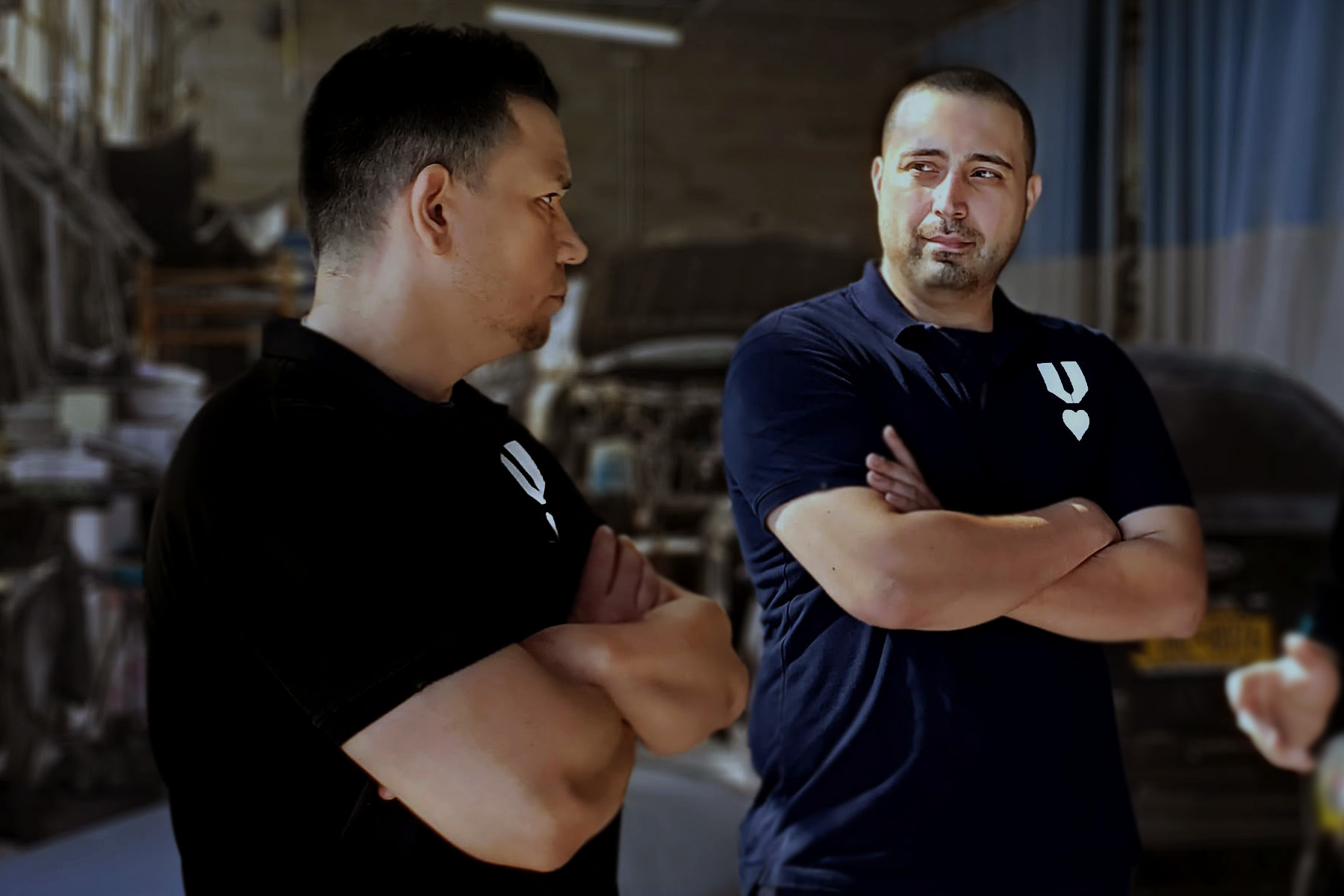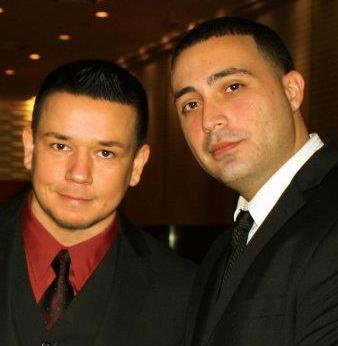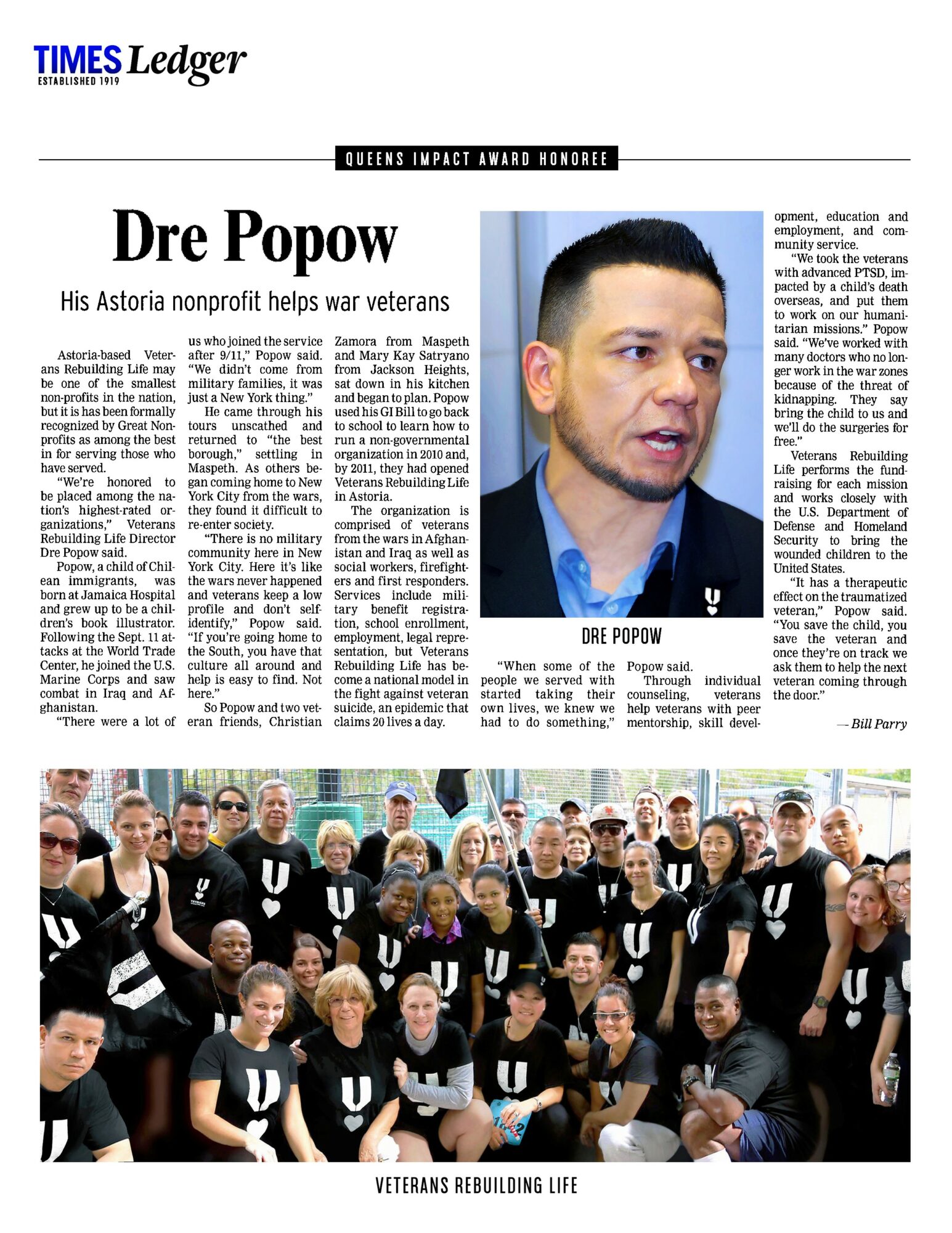



Today we’d like to introduce you to Dre Popow.
Hi Dre, thanks for sharing your story with us. To start, maybe you can tell our readers some of your backstory.
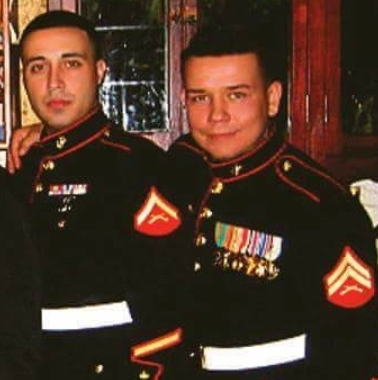
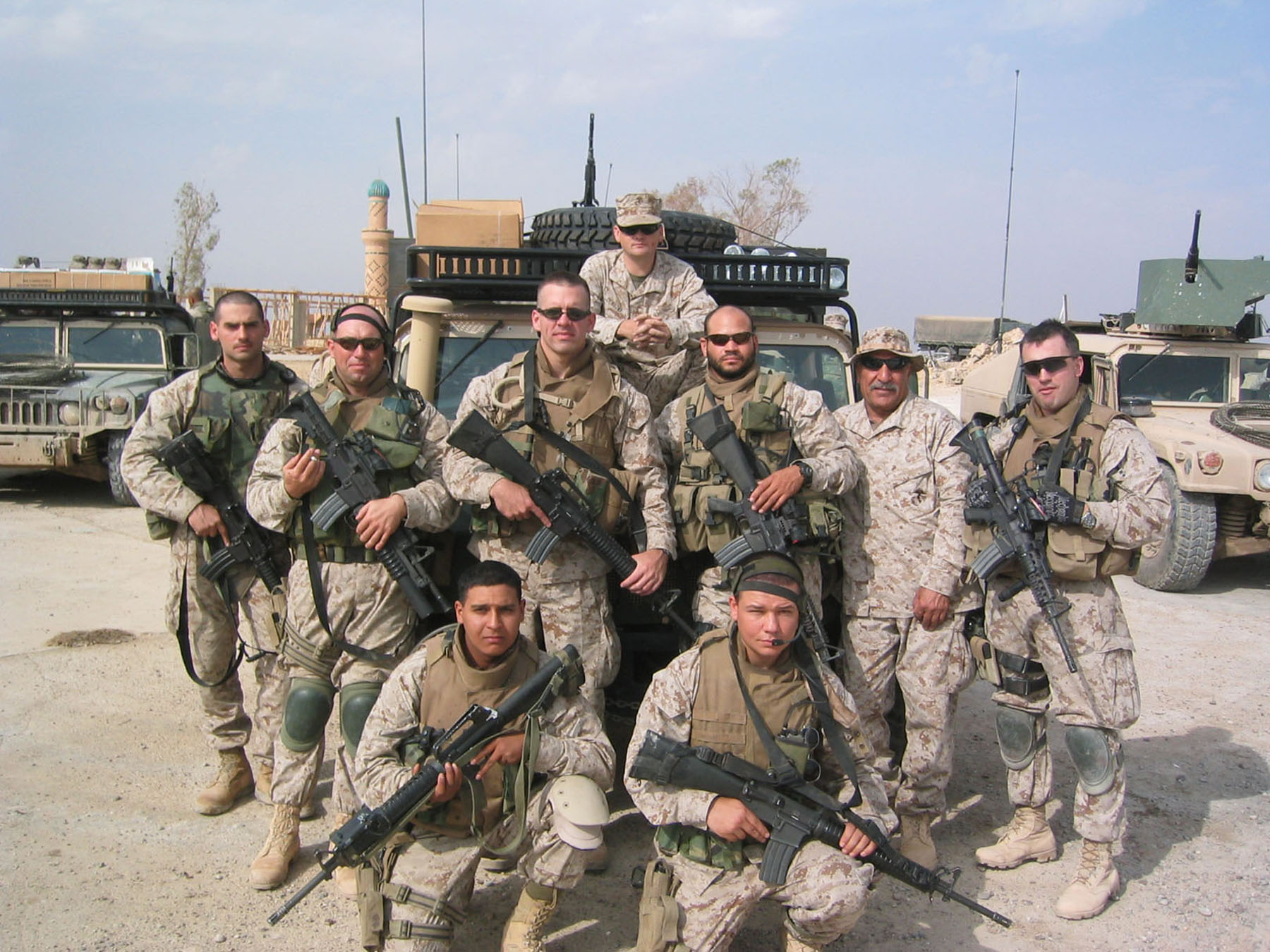
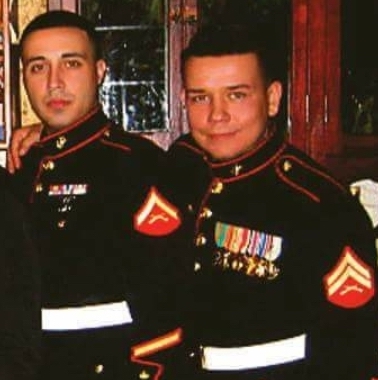
I am the Executive Director and Co-Founder of Veterans Rebuilding Life. I was born and raised in New York, Dre enlisted in the Marines after September 11th, 2001 and served combat operations in Iraq and Afghanistan. After losing most of the people I served with to suicide, I founded VRL and authored its objective: to assist children and American soldiers harmed in the crossfire of war. I was honorably discharged from the Marines as a noncommissioned officer. I graduated with honors from FIT and NYU where he studied NGO Development, Nonprofit Law, Graphic Design and Fine Arts.
I am a child of Chilean immigrants and was born at Jamaica Hospital, and grew up to be a children’s book illustrator. Following the Sept. 11 attacks at the World Trade Center, I joined the U.S. Marine Corps and saw combat in Iraq and Afghanistan.
We didn’t come from military families; it was just a New York thing. I came through my tours physically unscathed, but the reintegration back into society was extremely difficult. As others began coming home to New York City from the wars, they found it difficult to re-enter society too. There is no military community here in New York City. Here it’s like the wars never happened and veterans keep a low profile and don’t self-identify. If you’re going home to the South, you have that culture all around and help is easy to find. Not here.
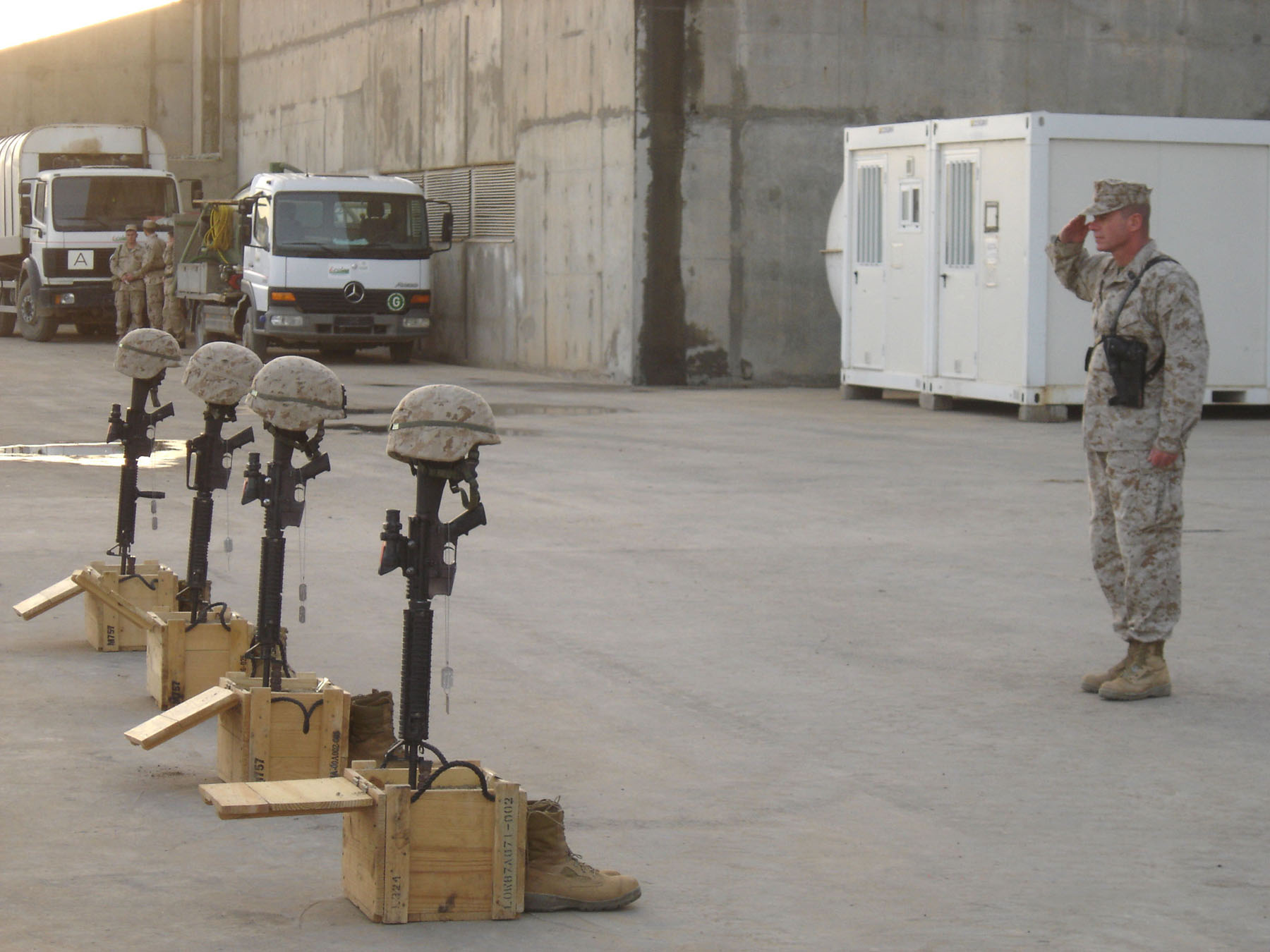
There were a lot of friends, that committed suicide. So one day, I sat with my friends Christian Zamora from Maspeth and Mary Kay Satryano from Jackson Heights, in my kitchen and began to plan. I used my GI Bill to go back to school to learn how to run a non-governmental organization in 2010 and, by 2011, we had opened Veterans Rebuilding Life in Astoria.
I am inspired by volunteering with the same people I once served with in combat and knowing that they are driven by a sense of duty only soldiers understand. No matter the obstacles, they push forward and endure for no other reason than because it is the right thing to do. Because no one should ever be left behind. That motivates me to keep going.
I would like to be remembered for the work that we do at Veterans Rebuilding Life, for the number of children that we have helped through our humanitarian missions, for the number of veterans who have rebuilt their lives, and for helping our communities when they needed us the most.
I am deeply proud of all of the volunteers who are the reason VRL has accomplished so much. No matter the obstacle, they always find a way, with the limited resources they have, to help others even when they are told it’s not possible. And they succeed! They remind me every day that you can always do something. Impossible is not in their vocabulary.
We all face challenges, but looking back would you describe it as a relatively smooth road?
Awareness and funding. Most civilians don’t know that 24+ veterans per 100,000 people in New York state took their own lives in 2025. Most folks don’t understand our unique mission – to repair the lives destroyed by war, both veterans and civilians caught in the crossfire. We are an all-volunteer team and to expand our operations to meet the need, we need to be able to pay for full-time staff.
We’ve been impressed with Veterans Rebuilding Life, but for folks who might not be as familiar, what can you share with them about what you do and what sets you apart from others?
ABOUT VETERANS REBUILDING LIFE
Veterans Rebuilding Life (VRL) is an award-winning 501(c)(3) nonprofit organization founded in 2011 that provides humanitarian assistance to both US veterans and victims of war abroad. VRL’s core mission is to end the veteran suicide epidemic, prevent veteran criminal justice involvement, improve reintegration and health outcomes for veterans and military families, and re-engage veterans in their communities through meaningful activities, humanitarian aid, and local community service. VRL uses a uniquely collaborative peer-to-peer service provision model, designed to improve measurable outcomes for veterans across all dimensions of wellness. This comprehensive approach has proven effective, maintaining a record of zero suicides among VRL service recipients since its inception.
HISTORY
Foundation (2011)
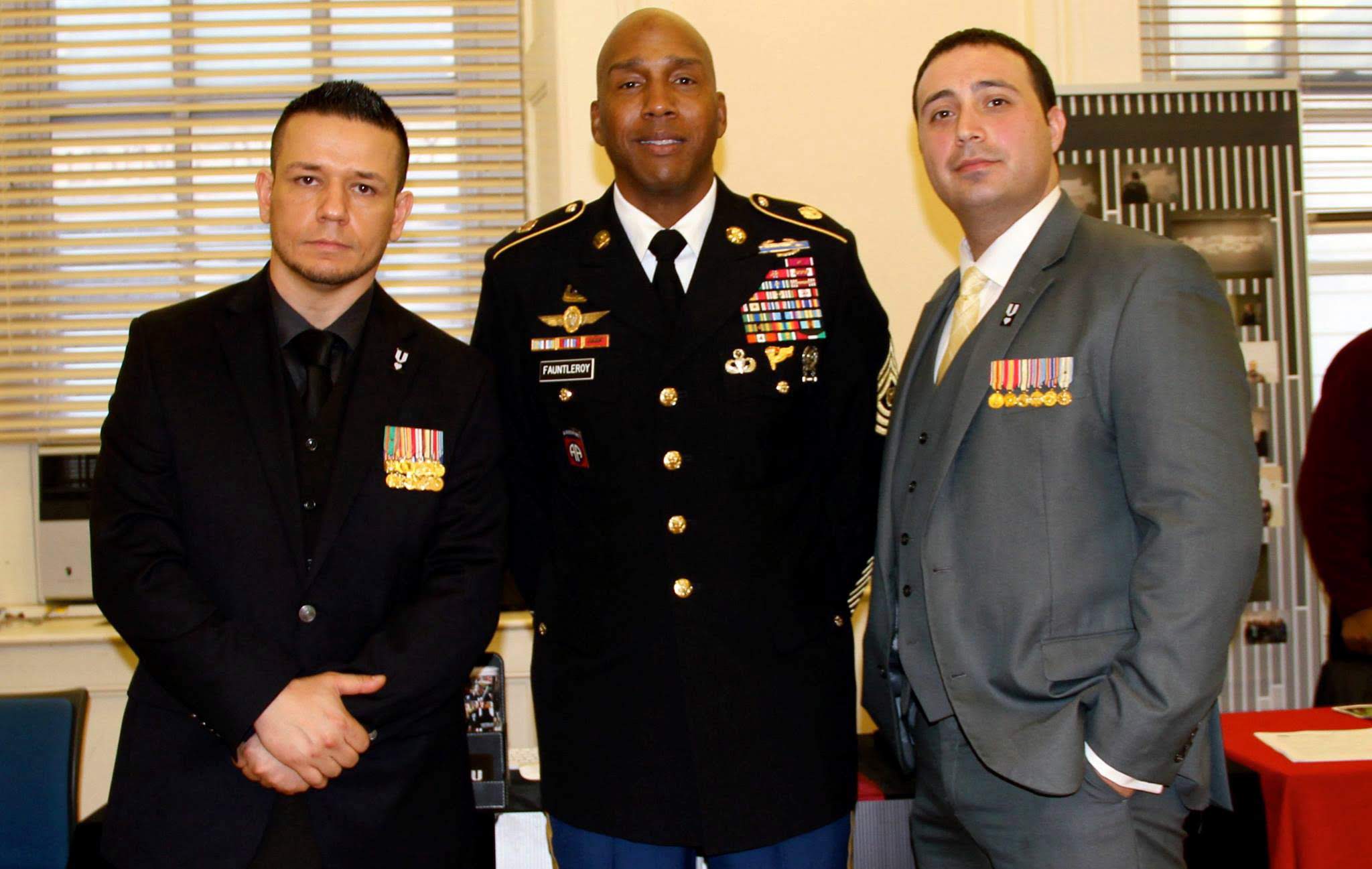
Veterans Rebuilding Life (VRL) was founded in 2011 by three veterans: Sgt. Dre Popow (Marines), Corporal Christian Zamora (Marines), and Major Marikay Satryano (Army), all of whom are native New Yorkers. They enlisted in response to the devastation caused by the Sept. 11th attacks and faced a challenging reintegration process upon returning from combat in Iraq.
Through their experiences, they observed that many veterans were grappling with untreated physical and emotional wounds from their service. These issues led to strained relationships, unemployment, homelessness, and a profound sense of hopelessness, leaving civilian life feeling empty and purposeless. Consequently, many veterans struggled with substance abuse, frequent involvement with the criminal justice system, and, tragically, suicide.
By 2011, the founders of Veterans Rebuilding Life (VRL) had devastatingly lost more of their fellow veterans to suicide than to the war itself. Despite the available services at the time, the Department of Veterans Affairs (VA) reported a national average of 22 veteran suicides per day.
In response, Popow, Zamora, and Satryano established Veterans Rebuilding Life with the mission to end the veteran suicide epidemic. They identified a lack of purpose as a critical, yet often overlooked, factor contributing to veteran suicides. Their solution focused on helping veterans rebuild their lives by engaging them in meaningful humanitarian projects that provided a sense of closure and atonement, followed by a renewed sense of purpose through charitable service. This approach has been instrumental in preventing suicides among all VRL service recipients to date.
First Humanitarian Missions (2011-2013)
VRL’s first veteran mission focused on Army Sgt. Brendan Marrocco, the first quadruple amputee to survive since the Vietnam War. Brendan’s injuries left him entirely dependent on others for assistance. VRL partnered with a network of organizations to help construct specialized housing that would allow Brendan to live independently. The wheelchair-accessible, voice-activated home was completed in 2013, restoring the independence that war had taken from him. For the veterans involved in this mission, many of whom had lost fellow veterans in combat, this effort provided a renewed sense of hope and purpose, showing them that they could still make a positive impact.
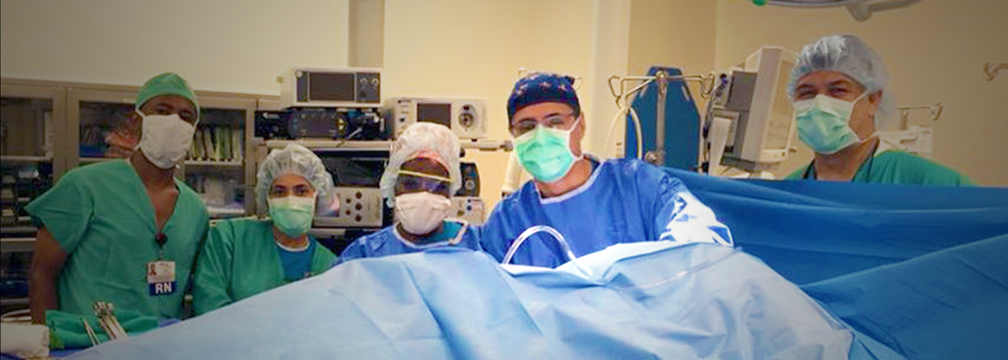
VRL’s first child mission involved Tabarek, an innocent eight-year-old girl who was severely wounded during the Iraq War and unable to walk. Iraq’s medical infrastructure had been destroyed in the war, leaving Tabarek without access to necessary treatment. VRL partnered with Shriners’ Children’s Hospital and fundraised to cover the cost of bringing Tabarek to the U.S. for surgery. Just days after her medical operation, Tabarek was able to walk without assistance. The veterans who participated in this mission, many of whom had served in Iraq and witnessed children injured by war, reported a renewed sense of purpose in their lives.
These early successes demonstrated a clear reduction in suicidality among veterans after participating in humanitarian missions – particularly those that were related to their military service. Over the next few years, VRL continued to employ this strategy of engaging veterans in meaningful and relevant humanitarian work, leading to significant long-term improvements in the overall health and well-being of the participating veterans.
Project 360º (2014-2020)
Despite notable successes, the broader veteran suicide crisis persisted, with the number of deaths continuing to rise each year. In response, VRL sought to develop a systematic approach to prevent veteran suicide. Following extensive meta-analyses of veterans’ reintegration experiences and evidence-based holistic treatments, the founders launched Project 360º—a distinctive and comprehensive veteran reintegration and suicide prevention program.
Project 360º employs a peer support model, where trained veterans provide services to their fellow veterans, fostering a strong sense of safety, trust, and mutual understanding. Uniquely, Project 360º addresses the full spectrum of factors contributing to veteran suicide, rather than focusing on a single issue. The program was designed to promote overall well-being by addressing every dimension of wellness for veterans in a three-phase model.
Phase 1 focuses on improving veterans’ health by addressing physical and mental health challenges such as PTSD, chronic pain, and substance use. Veterans work with peer mentors to choose appropriate traditional and holistic treatment options, such as yoga, Reiki, and outdoor therapy. Veterans receive ongoing support for benefits registration and treatment monitoring.
Phase 2 addresses social risks like isolation, financial stress, and unemployment. Peer mentors ensure veterans’ basic needs are met and help them set and achieve occupational and financial goals. Veterans can access educational programs, employment training, and family mediation services, all aimed at building stability and security.
Phase 3 helps veterans find purpose by engaging them in community service and humanitarian missions. This phase addresses the lack of meaning and moral injuries (MIE’s) that contribute to suicide ideation, offering veterans opportunities for atonement and long-term growth.
From 2014 to 2020, over 300 veterans successfully graduated from Project 360º, with zero suicides reported. Additionally, VRL provided short-term support services to nearly 1,500 veterans and their families and sponsored numerous child medical missions and community service projects.
COVID-19 Response (2020-2022)
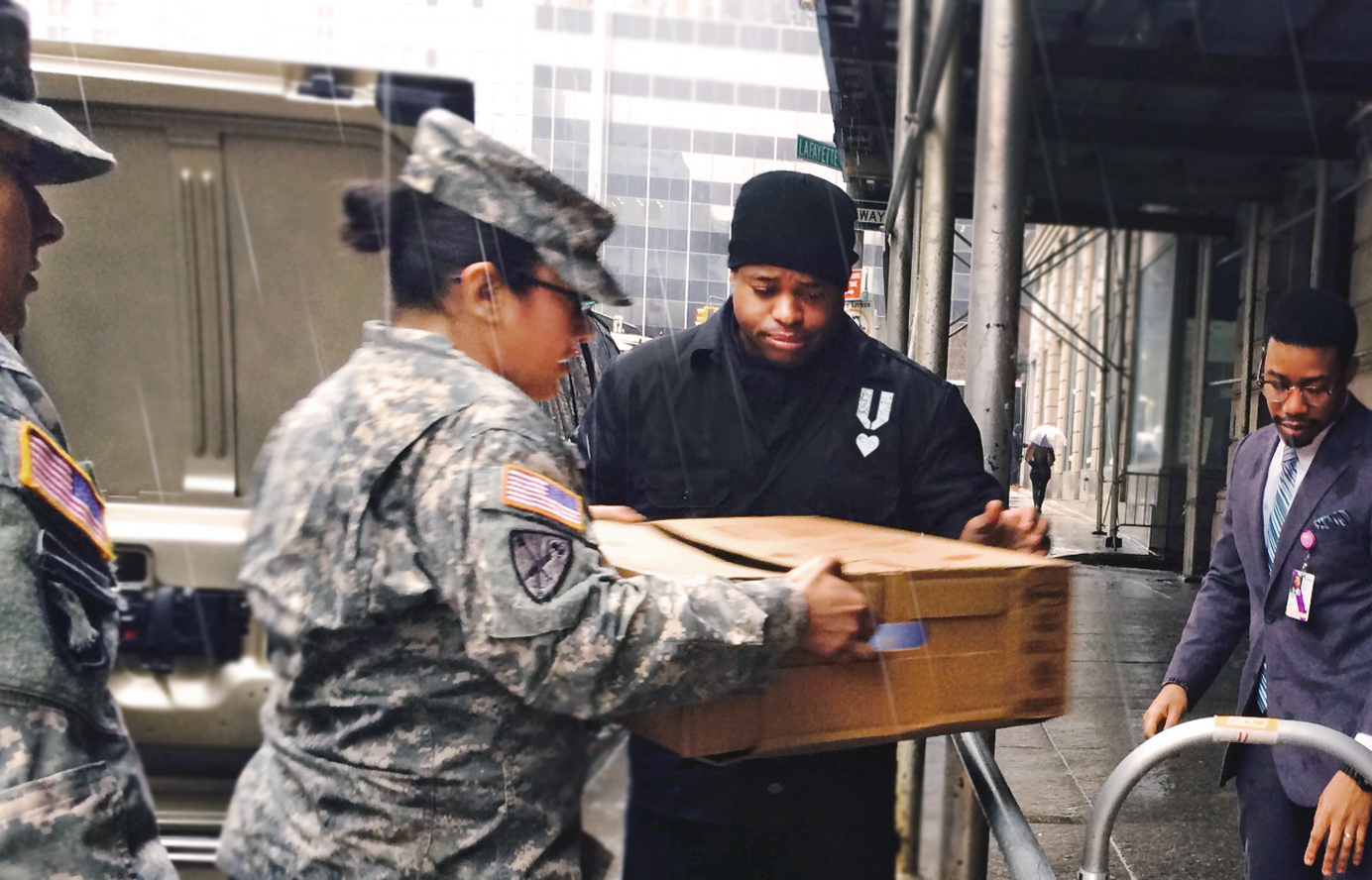
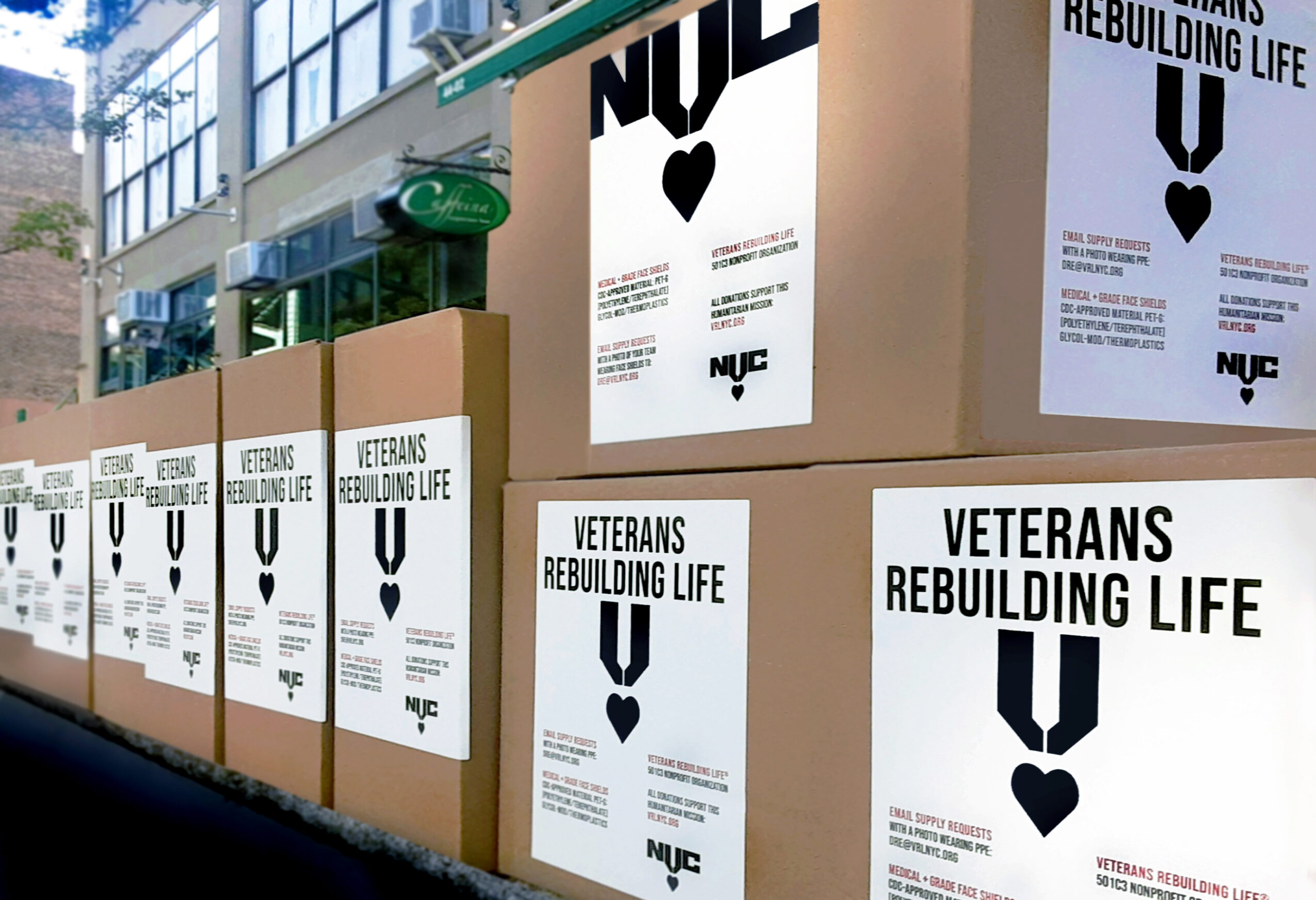
During the COVID-19 pandemic, VRL quickly adapted to address the urgent needs of the local community. The organization redirected its resources to provide essential services, such as distributing personal protective equipment (PPE), offering crisis counseling, and delivering food across New York City. Although fundraising efforts were significantly hampered during this period, VRL maximized its assets, including partnerships with community organizations and state agencies, to ensure the health and safety of those in need. However, this necessary shift in focus and the depletion of critical resources meant that Project 360º was temporarily paused from 2020 to 2022.
Rebuilding and Expanding (2023-Present)
In 2021, the veteran suicide rate increased, reversing the decline seen in previous years. The Dept of Veterans Affairs (VA) reported a 10.2% rise in the sex and age-adjusted veteran suicide rate between 2020 and 2021. However, demographics such as men aged 35-54 experienced a 14.9% increase. This trend highlights the persistent challenges in addressing mental health needs among veterans, particularly as the COVID-19 pandemic exacerbated many stressors that contribute to suicide risk. For VRL, this increase underscores the need for programs like Project 360º.
With the financial support of the New York State Department of Veterans’ Services and sustaining donors, VRL successfully relaunched Project 360º in September 2022. Since its relaunch, VRL has assisted nearly 300 additional veterans and their families, helping them access healthcare, obtain housing, secure employment, submit disability claims, enroll in education benefits, engage in holistic treatments, and participate in meaningful community service and humanitarian missions. Project 360º has seen continued success, maintaining a record of 0 suicides among program participants.
Thanks to additional funding in 2024, VRL was able to expand therapeutic programming to veterans who need it most. We successfully completed an outdoor therapy wilderness excursion for 30 disabled combat veterans in June of 2025, where veterans were able to connect, engage in healthy physical activity, and learn new therapeutic skills.
VRL will also be able to expand services to an additional 125 veterans at risk of homelessness in 2025, with the support of the Cigna Veterans Mental Health and Housing Grant by providing financial assistance, case management, and peer mentorship to Veterans throughout NY, NJ, CT, and PA who need assistance moving out of the shelter system into stable housing.
Significant work still lies ahead. VRL is committed to expanding its programs to better meet the ongoing needs of veterans. We are focused on ensuring inclusion, equity, and accessibility for all veteran identities, including female, elderly, minority, and disabled veterans. Through Project 360º, VRL has seen the positive effects of community-based holistic treatments such as Reiki, sports, hiking, and wilderness therapy on veterans’ well-being. We are dedicated not only to increasing access to these treatments but also to training veterans to use these methods independently and potentially offer them within their local communities.
Most importantly, we have seen the incredible impact of comprehensive community-led services in that we maintain a record of 0 suicides among the 500+ Project 360 recipients since 2014.
OFFERINGS
Veterans Rebuilding Life provides comprehensive support services tailored to meet the needs of New York State veterans, service members, military families, and Gold Star families, with an emphasis on those at heightened risk of suicide. VRL takes a holistic approach to serving these populations, offering short-term crisis interventions and long-term structured support through programs that engage veterans in meaningful ways, including in outdoor therapeutic settings and activities.
Direct Services and Tangible Support:
VRL offers a range of short-term services aimed at addressing the immediate needs of veterans in crisis. These services include crisis counseling, benefits registration, pro-bono legal assistance, mental healthcare, holistic treatments such as outdoor therapy, Reiki, family mediation, and peer support and advocacy in areas such as legal matters, education, health, and employment.
In addition to these immediate interventions, VRL’s Project 360º program offers long-term, peer-supported suicide prevention and reintegration assistance, providing veterans with consistent support with health, security, and life purpose over three to nine months. This incremental and comprehensive approach ensures that veterans receive ongoing care and guidance in every area of need as they navigate challenges in their lives.
Community-Based Engagement and Outdoor Therapeutic Activities:
VRL is also deeply committed to supporting community-based efforts that engage veterans, Gold Star families, and other military-connected individuals in outdoor therapeutic settings and activities. We recognize the unique benefits that outdoor environments can offer in the healing and reintegration process, and we actively facilitate opportunities for veterans to connect with nature, each other, and their communities in meaningful ways.
Some of our key initiatives include:
Organizing and Funding Community Runs: VRL organizes and funds local team runs such as the Tunnels to Towers Run, Howard Beach Community 5K, and the NYC Marathon. These events provide veterans, military families, and Gold Star families with the opportunity to engage in physical activity, build camaraderie, and connect with their communities in supportive and empowering ways.
Support for Disabled Veteran-Coached Athletics: VRL has provided funding and organizational support for disabled veteran-founded and coached children’s sports teams such as Team Rock NYC and Riptide Athletics. These programs not only promote physical fitness and teamwork among youth but also offer veterans the chance to share their skills and experiences in a meaningful and impactful way.
Family Days and Military Appreciation Events: VRL hosts annual Family Days and Military Appreciation Days at locations such as Flushing Meadows Park, Astoria Park, and Bedford, NY. These events bring together veterans, Gold Star families, and other military-connected individuals for a day of games, food, and fellowship, fostering a sense of community and belonging in a relaxed outdoor setting.
Outdoor Reiki and Peer-Mentorship Counseling: VRL offers Reiki treatment and peer-mentorship counseling to veterans in both indoor and outdoor settings. These services provide veterans with holistic, non-invasive support that complements traditional therapeutic approaches and promotes overall well-being.
Appalachian Trail Hikes: VRL organizes hikes on the Appalachian Trail, bringing small groups of veterans and peer mentors together in a natural setting to build resilience, trust, and mutual support. These hikes offer veterans a chance to reconnect with nature, challenge themselves physically, and find peace and solace in the wilderness.
Creative Arts Therapy: VRL hosts bi-weekly creative arts workshops where veterans can connect, build community, and express themselves in a supportive environment.
Through these initiatives, VRL provides veterans with tangible, community-based support that fosters healing, connection, and empowerment. We are dedicated to continuing our work in New York State, ensuring that veterans, Gold Star families, and other military-connected individuals have access to outdoor therapeutic settings and activities that can make a profound difference in their lives.
WHO WE HELP
Veterans Rebuilding Life (VRL) is committed to supporting all veterans, service members, Gold Star families, and military families throughout New York State, irrespective of their backgrounds. We particularly focus on veterans who are at a heightened risk of suicide, including combat veterans, disabled veterans, and those from marginalized or minority groups. These priority populations include LGBTQIA2+ veterans, women veterans, and veterans of color.
Our focus on these groups is driven by the unique challenges they face, which can exacerbate their susceptibility to mental health crises, substance abuse, homelessness, involvement with the criminal justice system, and, ultimately, suicide. By extending our services to their families, we aim to strengthen and protect the social support networks essential for their well-being.
Combat and disabled veterans are especially vulnerable to physical and psychological trauma, including Complex Post-Traumatic Stress Disorder (PTSD), Traumatic Brain Injury (TBI), chronic pain, and moral injury. These challenges are often intensified by social isolation, stigma, and difficulties reintegrating into civilian life, leading to increased rates of substance abuse, unemployment, homelessness, and family conflict, all of which significantly raise their risk of suicide.
Marginalized and minority veteran groups face additional layers of systemic barriers that impact their well-being. LGBTQIA2+ veterans may experience the long-term effects of military sexual trauma (MST) and the repercussions of discriminatory policies such as “Don’t ask, don’t tell.” Women veterans encounter higher rates of MST, along with increased homelessness and unemployment. Veterans of color frequently face systemic racism and disparities in access to healthcare, housing, and employment, further exacerbating their risk of suicide.
Research has identified key factors contributing to the risk of veteran suicide, including:
Physical Health Factors: Chronic pain, amputations, hearing loss, sleep disorders, TBI.
Behavioral Health Factors: PTSD, MST, Substance Use Disorders (SUD).
Social Health Factors: Isolation, family conflict, homelessness, unemployment, toxic culture.
Meaning Factors: Moral injury, a sense of meaninglessness, lack of purpose.
To effectively prevent veteran suicide, research suggests that programs should prioritize early detection and address multiple risk factors over extended treatment periods. VRL’s Project 360º program offers an evidence-informed solution by addressing all of these key risk factors through peer support over 3 to 12 months.
WHAT’S NEXT
Veterans Rebuilding Life’s Project 360º has a proven track record of significantly improving the well-being of at-risk veterans and reducing suicide rates. If organizations and individuals provide additional donations, VRL will build on this success by continuing to expand our services to reach more veterans from the high-risk groups, including: combat and disabled veterans, women veterans, veterans of color, and Gold Star families.
Is there anything else you’d like to share with our readers?
Call us if anything.
Contact Info:
- Website: https://www.vrlnyc.org
- Facebook: https://facebook.com/vrlnyc
- Youtube: https://www.youtube.com/@VeteransRebuildingLife