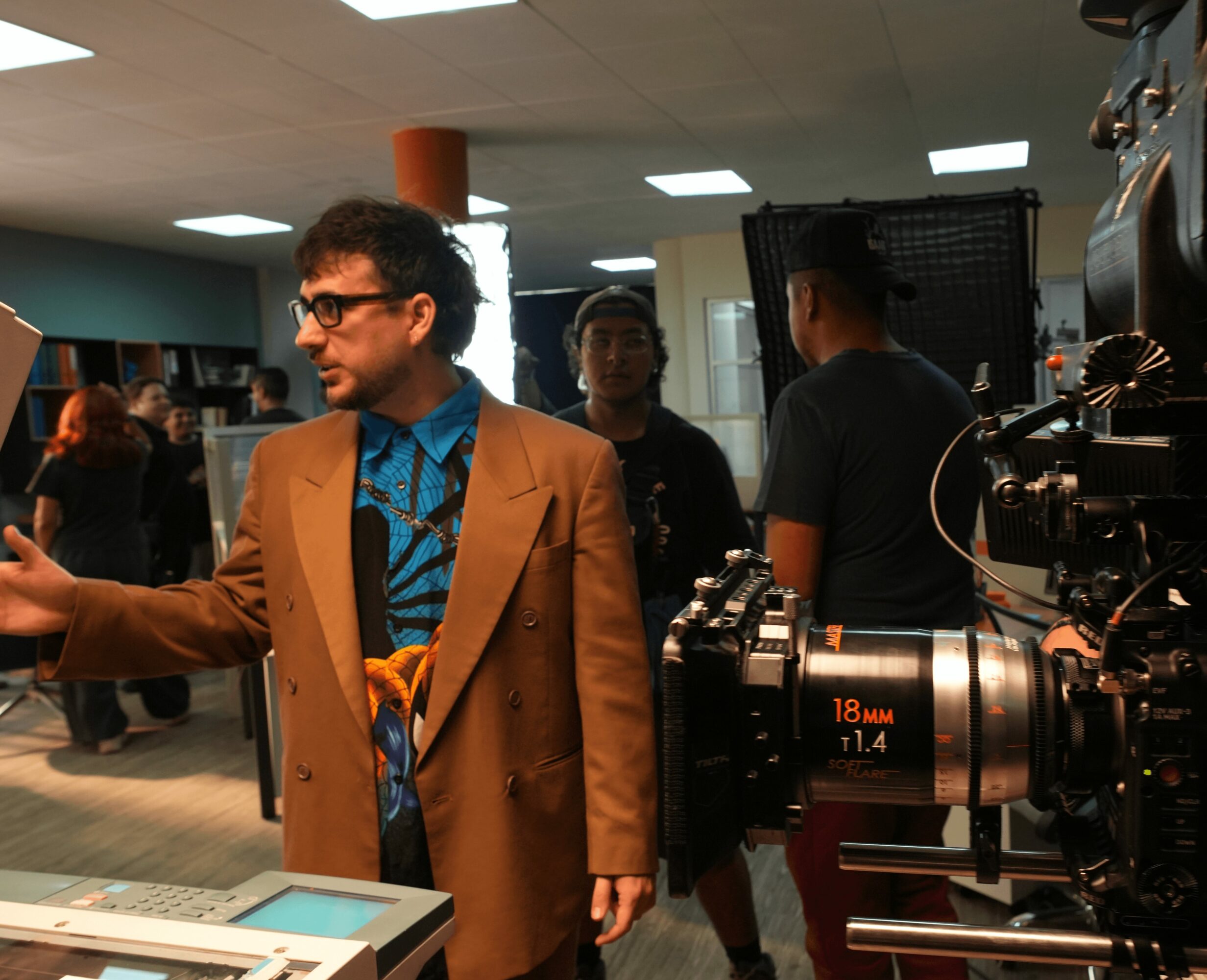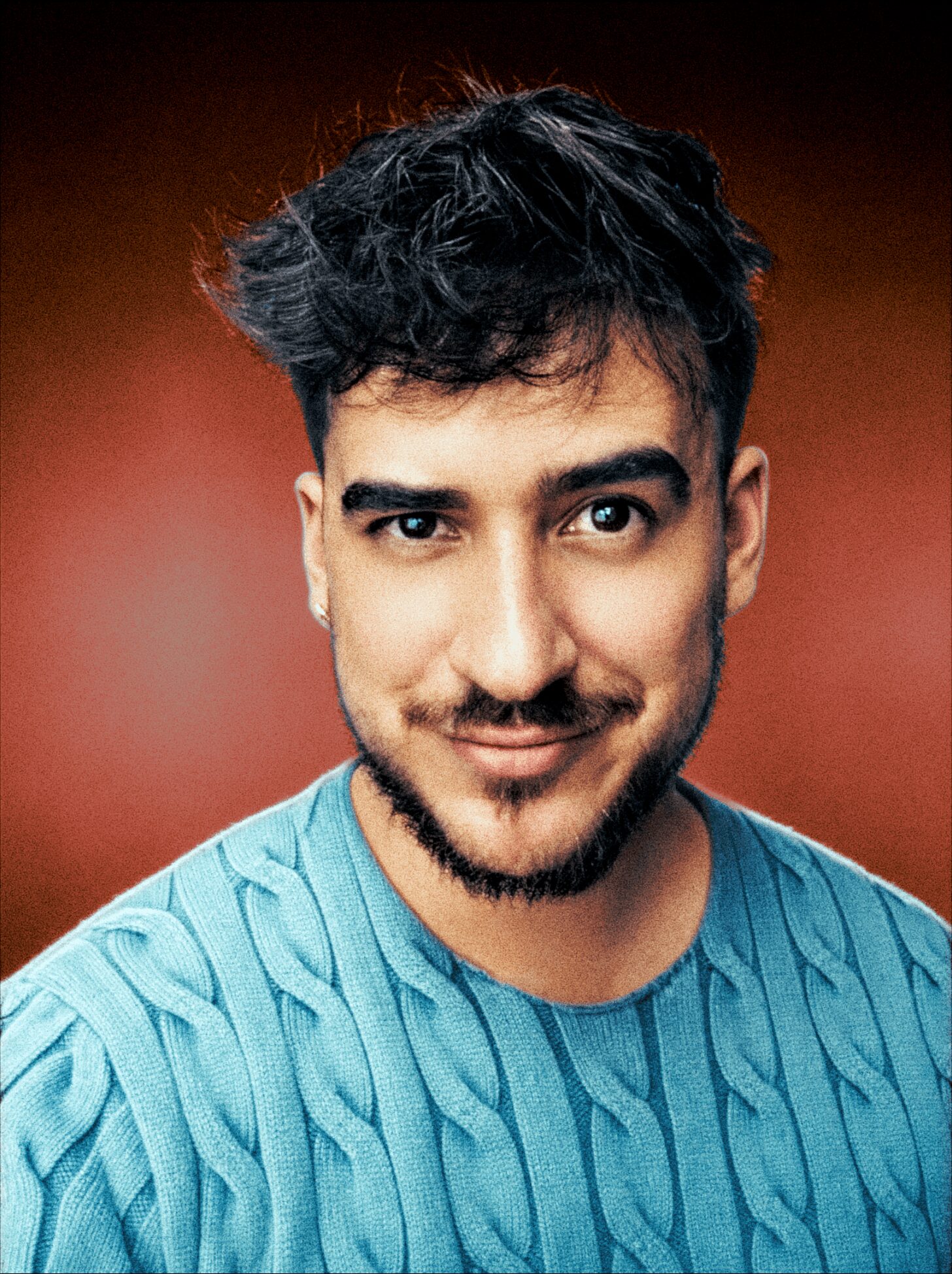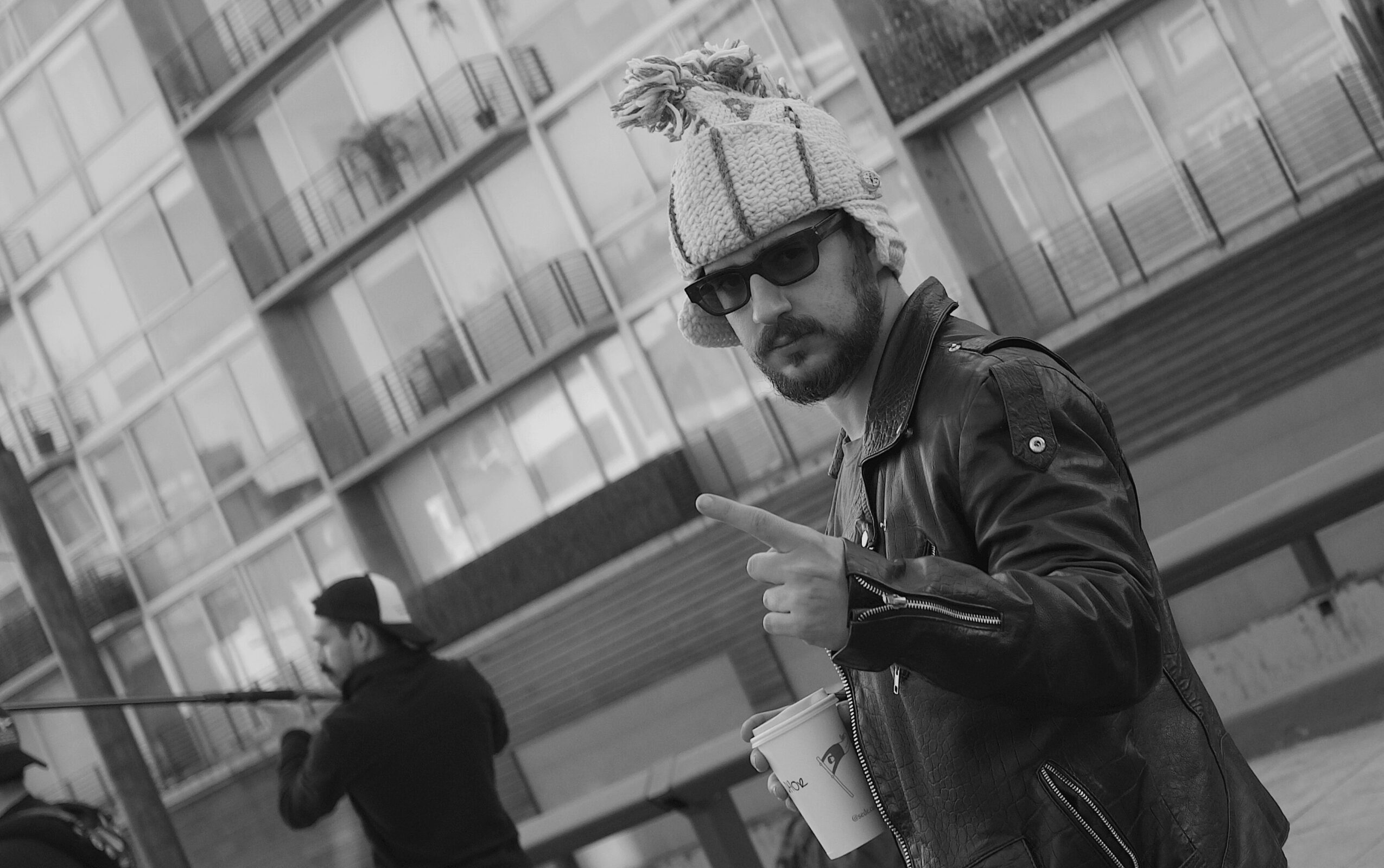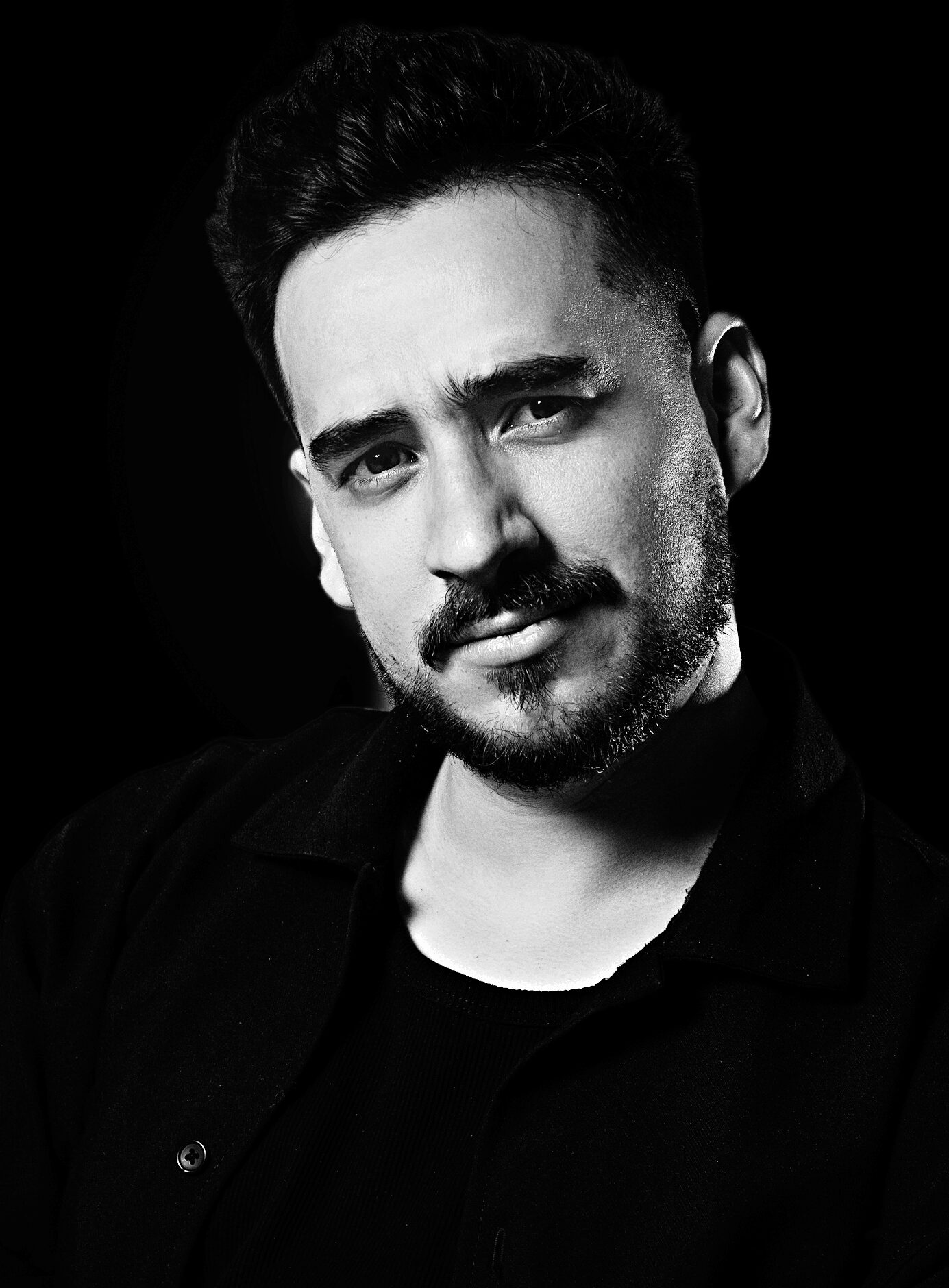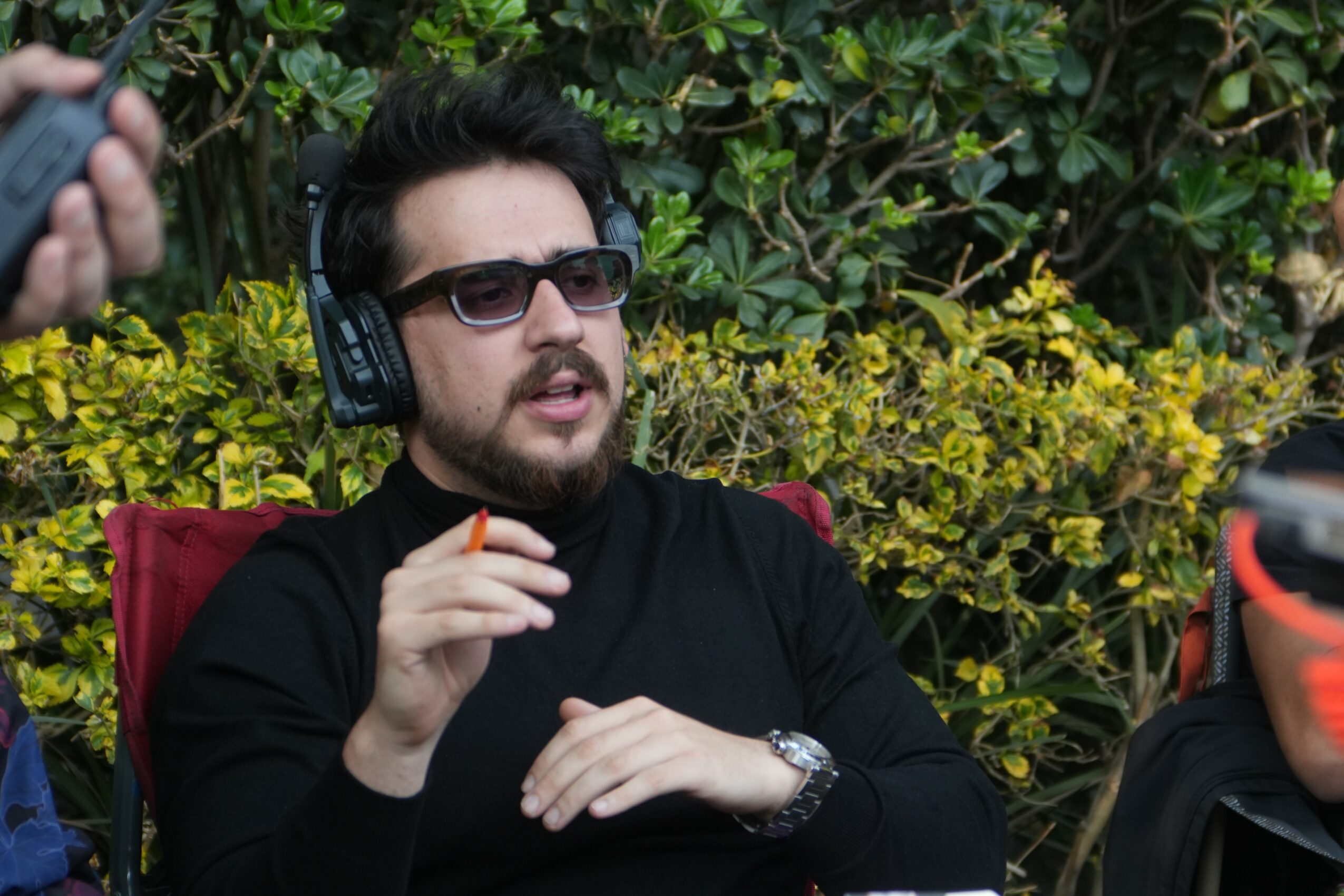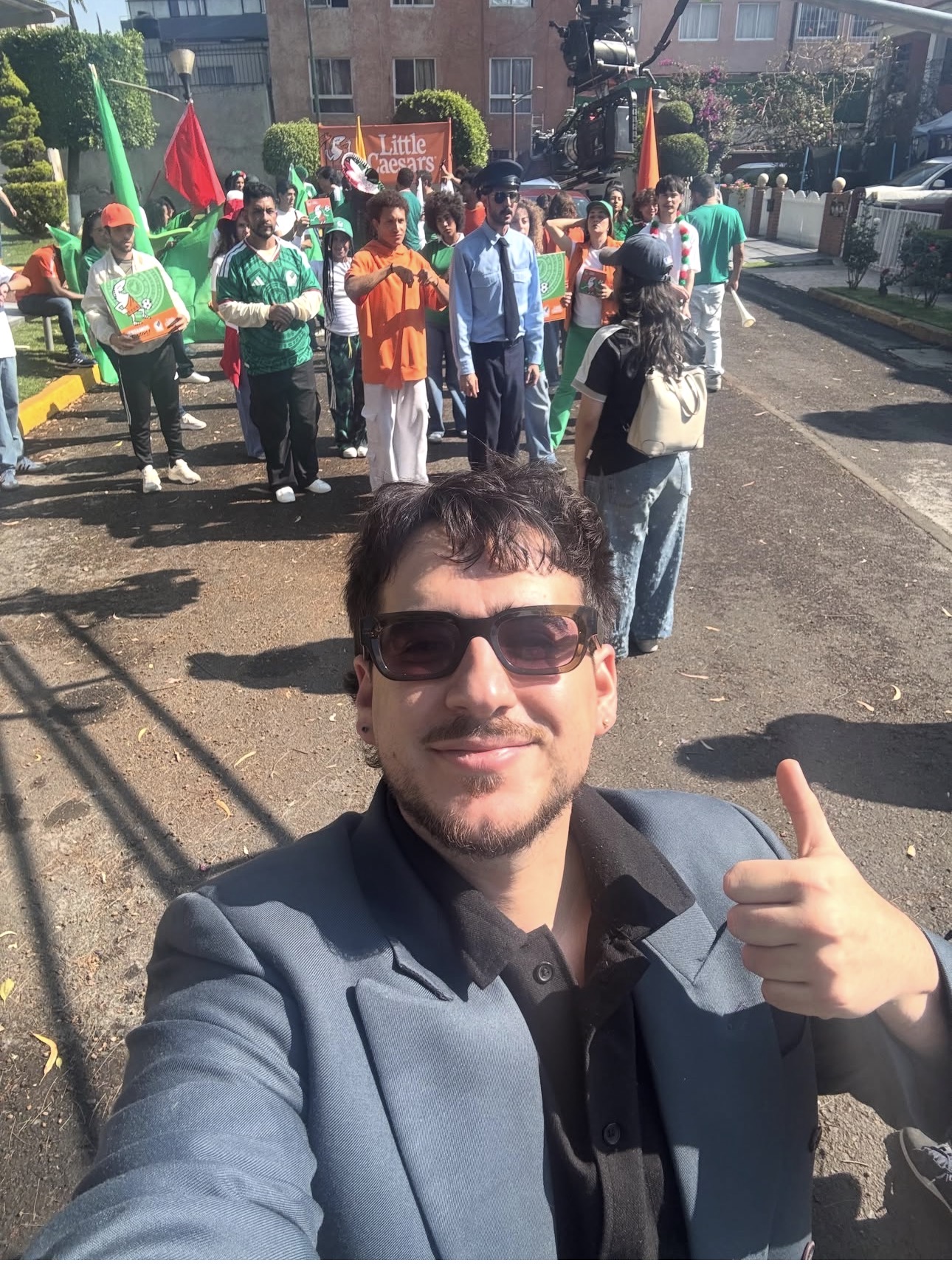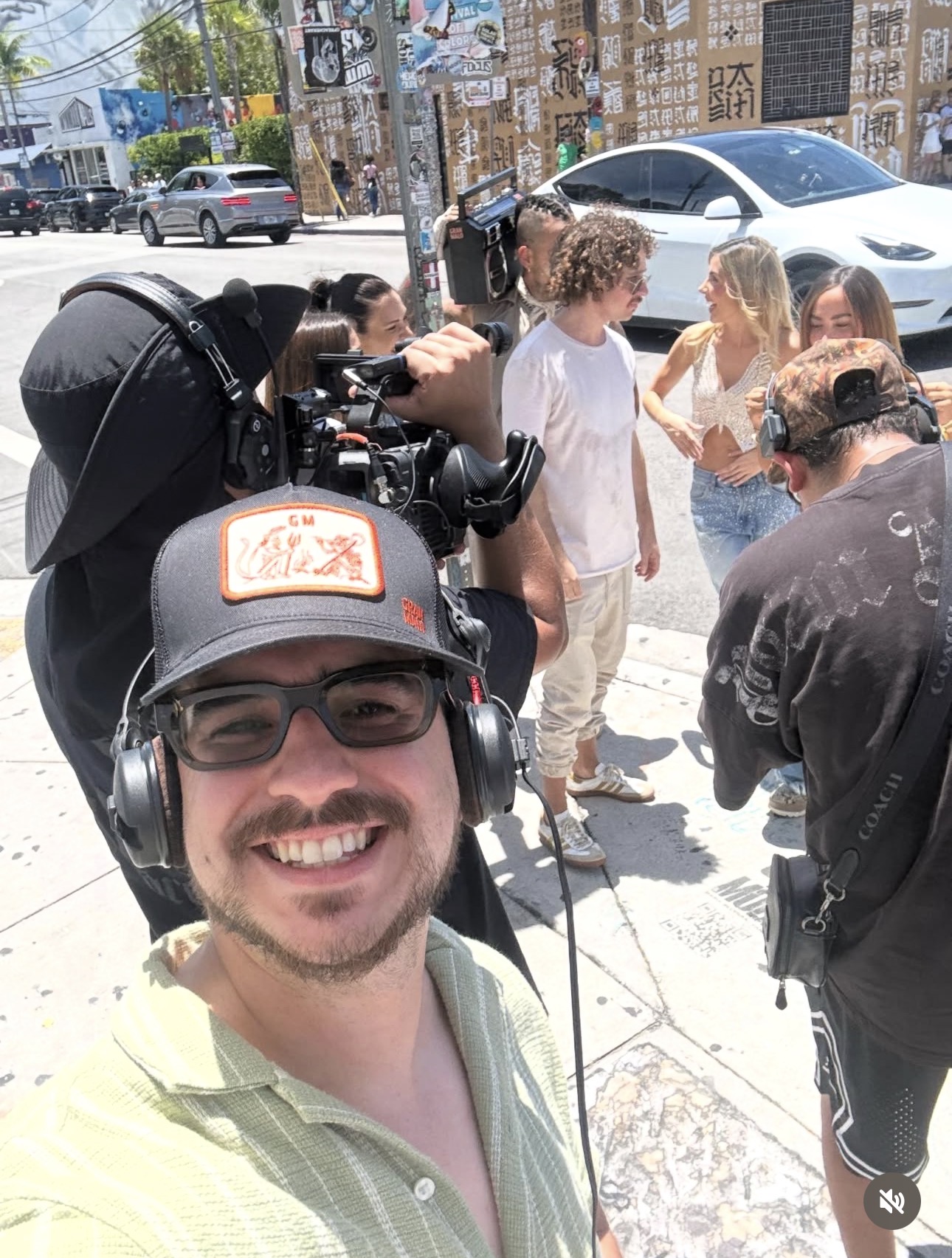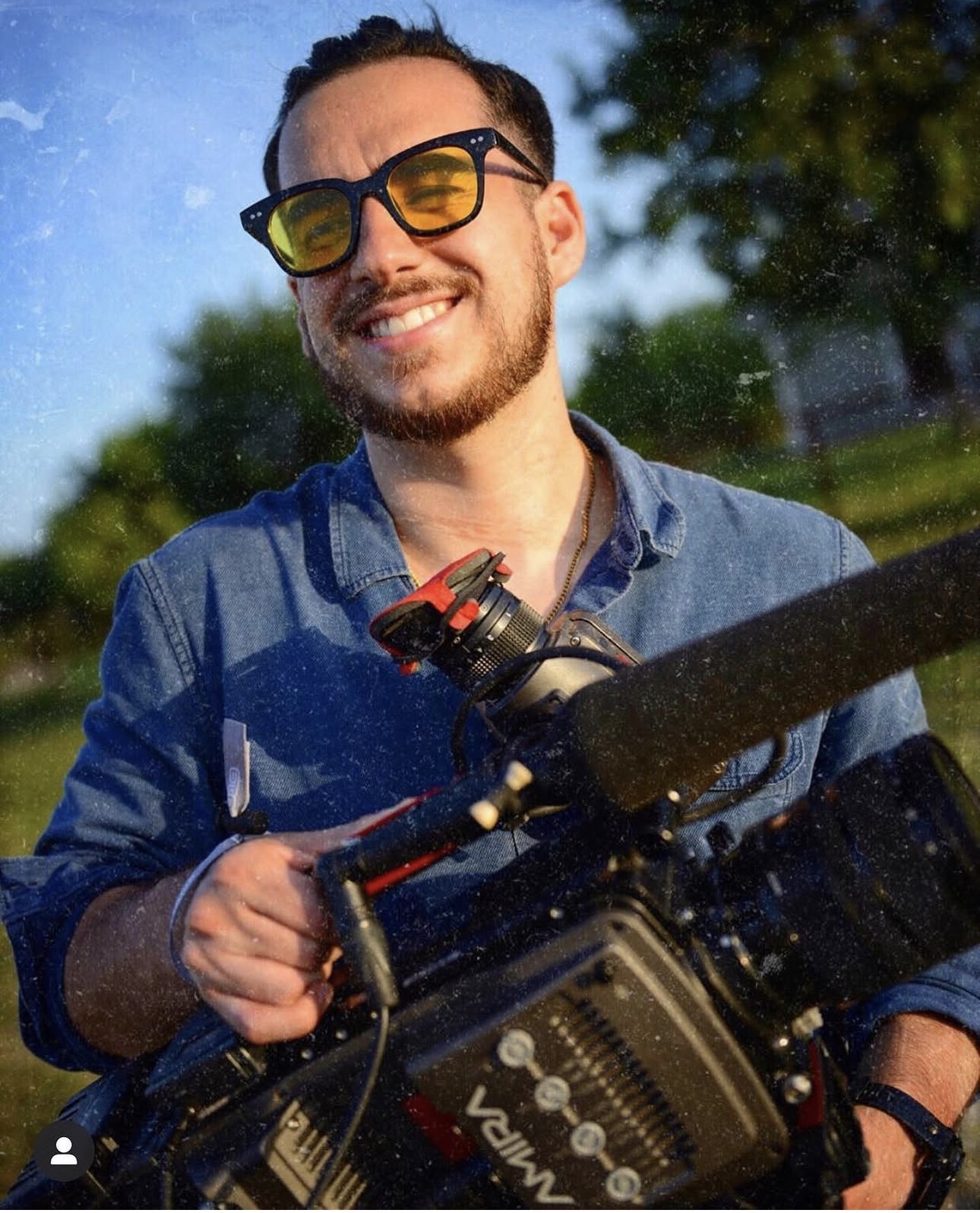



Today we’d like to introduce you to Diego Lozano.
Hi Diego, we’d love for you to start by introducing yourself.
I was born in Monterrey and lived there until I was fourteen.
One of my clearest memories from those years is sitting with my grandfather, wrapped in a Mexican blanket, eating al pastor tacos and watching an old Western on his television. I was eleven. There were horses, gunslingers, huge landscapes and Ennio Morricone coming through the speakers. Something about it completely overwhelmed me.
I remember looking over at my grandfather. He was just watching the movie.
I was somewhere else entirely.
A few years later, my life moved north. At fourteen, I left Monterrey for McAllen, Texas, where the other side of my family lived. That move put me between two places and, in a lot of ways, between two cultures. Mexico was where I came from. Texas was where I started figuring out who I wanted to become.
By seventeen, I knew I wanted to direct.
For a high-school assignment, my class was asked to adapt a short story into a film. Most people treated it like homework. I treated it like my first production.
There were thirty-five students. I stood up and told everyone that if they wanted to make something great, they could stay and work with me. If they didn’t, they could give me fifty pesos toward the budget.
Seven people stayed.
We made the film for around five hundred pesos. It won a few local awards and my school continued screening it after I graduated. I didn’t know much about filmmaking yet, but I already understood something about myself: I wasn’t going to wait around for somebody to tell me I could direct.
At eighteen, I moved deeper into Texas—to Austin.
I originally went there to study film, but when the traditional film-school path didn’t work out the way I expected, I started building my own version of it.
Austin became the place where I learned by doing.
I started filming bands in dive bars, tiny venues and nearly empty rooms. Then I worked my way onto bigger stages and music festivals. I chased musicians, managers, labels and anybody who might let me make the next video.
At the same time, I shot whatever kept me moving.
Local commercials. Events. Small businesses. Frat boys’ birthday parties.
Some jobs were exciting. Some definitely weren’t. But every one of them taught me something about a camera, an edit, a client, a crew, or how to solve a problem when there wasn’t enough money or time.
Those years were basically **bands and brands**.
Slowly, the scale changed.
The independent music videos became projects for artists on labels like Universal and Sony. The small commercial jobs became campaigns for brands like PepsiCo, Hyundai and Pokémon.
And the map kept getting bigger.
Austin led me back into Mexico, then onto productions farther away. I found myself directing in places I used to think of as impossibly distant—from Vietnam to Dubai—working with crews from completely different cultures and realizing that the language of a set is surprisingly universal.
Camera. Performance. Light. Rhythm. Story.
I had started with seven classmates and five hundred pesos. Now filmmaking was taking me around the world.
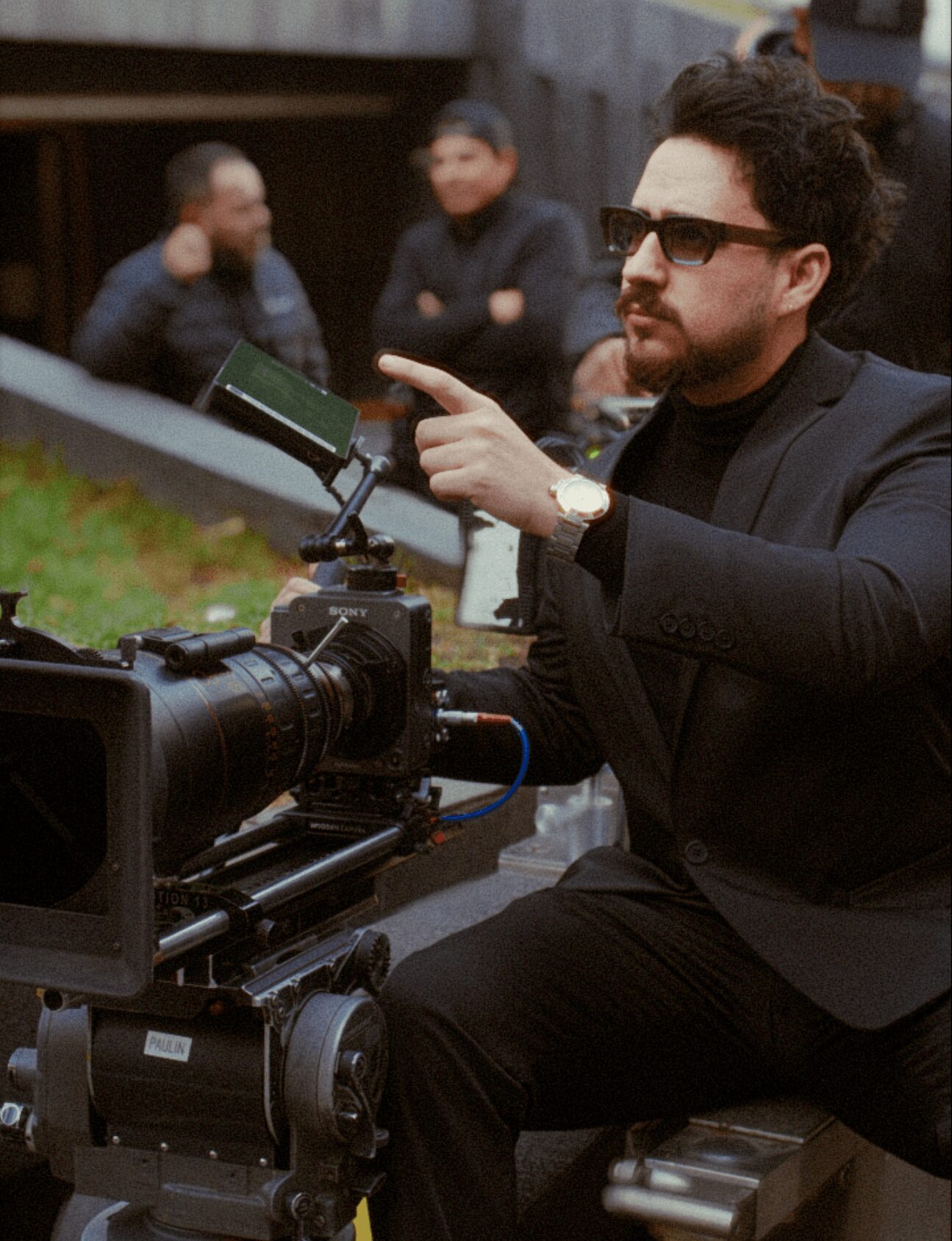
Today, I’m still directing advertising, still traveling for work and continuing to push into new markets. At the same time, I’m in the middle of making my first independent feature film.
That part feels less like a career change than something coming full circle.
The kid watching movies in Monterrey, the teenager making a short with whatever money he could collect, the eighteen-year-old running around Austin with a camera, and the director standing on a set halfway across the world were all after essentially the same thing.
I wanted to make images that moved people.
I knew that part early.
Everything since has been the journey of learning how.
I’m sure it wasn’t obstacle-free, but would you say the journey has been fairly smooth so far?
The biggest challenge was that there was no obvious way in.
I didn’t come from a family of filmmakers. Nobody could introduce me to a producer, get me onto a set or explain how this business actually worked. I had to figure out how to get my foot in the door while I was already trying to become good enough to belong there.
I got rejected more times than I can count. I lost pitches I was sure I would win. I made bad deals. I had to learn how to negotiate the hard way, how to protect my work, how to handle money, clients, pressure and all the parts of filmmaking nobody dreams about when they first pick up a camera.
I got into trouble. I lost my mind a few times in the process.
One of the people who kept pushing me was my grandfather in Texas. He believed in my films early and actually invested in them. When I wanted to make something bigger, he pushed me to take it further. Having someone believe that strongly in what I was trying to build mattered enormously when most of the outside world was still saying no.
The strange thing is that the obstacles don’t disappear when you become successful.
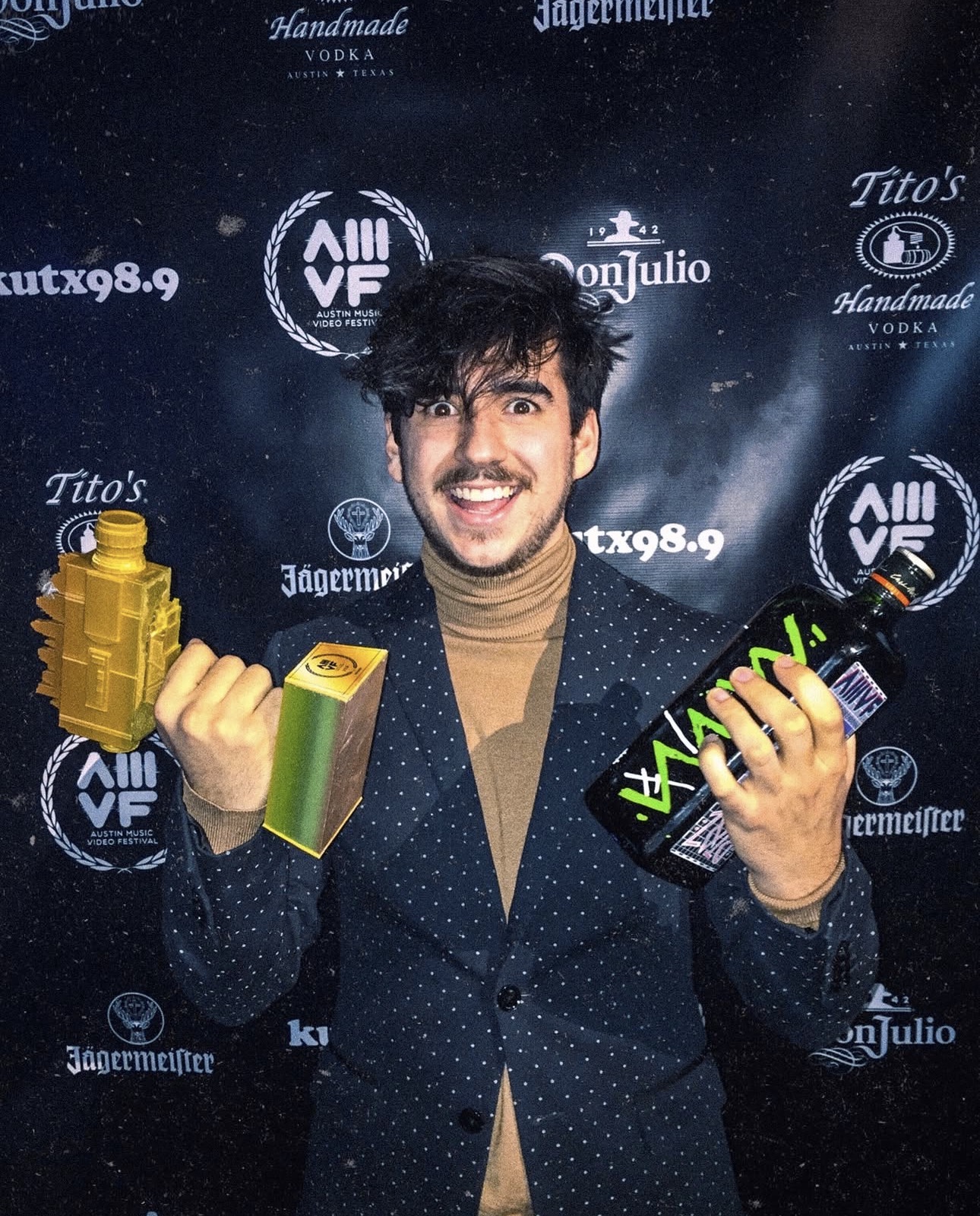
At 31, I can say I’ve directed around the world, worked with major brands and artists, earned recognition for my work and built a career that once felt impossibly far away.
And I still feel like there is an enormous amount ahead of me.
There are films I haven’t made yet. Countries I haven’t worked in. Bigger ideas I haven’t been trusted with yet. I’m making my first feature now, and even that has reminded me how much further there is to go.
Maybe that’s the real challenge of this career: every time you reach the place you once thought was the destination, you realize it was just another starting point.
You have to keep pushing.
Thanks for sharing that. So, maybe next you can tell us a bit more about your work?
I’m obsessive about my work, but probably not in the romantic way people imagine directors to be. I obsess over how things **move**—not just the camera, but the whole experience. Where your eye goes. When something should make you laugh. When an image should breathe. When music should take over. When a commercial stops feeling like advertising and starts feeling like its own little world.
I grew up editing my own work, so I’ve always thought in complete pieces rather than isolated shots. That became a big part of my artistic voice: colorful, kinetic, sometimes surreal, sometimes funny, always very aware of rhythm and of how quickly an audience decides whether they care. I love making things feel bigger, stranger, more emotional or more entertaining than they looked on paper. Sometimes that means a huge production. Sometimes it means one clever transition, one unexpected performance, or finding a technological solution nobody thought was possible.
But directing, to me, is also very much about people. I’ve worked with celebrities, musicians, athletes, children, first-time performers and crews from completely different cultures, and I’ve learned that people do their best work when they feel respected, understood and clear about what we’re trying to accomplish. I’m demanding, but I don’t believe in ruling through fear. I like to say I lead with an **iron mind, not an iron fist**. I know what I want, I communicate it clearly, I listen when somebody has a better idea, and I try to create an environment where everyone can bring something great to the table.
That balance is probably what defines me most. I can be deeply artistic and extremely practical at the same time. I can talk about emotion, color, music and visual ideas, then turn around and figure out how to actually make them happen with the time, money and tools we have. I know what needs money and what simply needs a better idea. I know when to do something for real, when to cheat it, and when technology can suddenly open a door that wasn’t there before.
And I work like hell. I prepare, I follow through, I stay close to the work until the final frame, and I take seriously the fact that people are trusting me with their money, their brand, their image and their time. I don’t want to make work that could have been directed by anybody. I want it to feel alive, current, unmistakable and, ideally, leave you wondering a little bit how we pulled it off.
How do you think about happiness?
What makes me happy is actually pretty simple. Cooking. My girlfriend. My family. Exercising, watching martial arts, playing video games with my boys. I love taking time to study something I don’t understand yet—a new technology, a new idea, some completely different way of making things—and then figuring out how I can use it. I love pushing myself. I’m competitive. I like kicking down doors, especially the ones that seem like they weren’t built for me to walk through. There’s something deeply satisfying about taking an idea that feels impossible, pulling all the pieces together and eventually watching it become real. But as ambitious as I am, I’ve learned that accomplishment without connection doesn’t mean very much to me. Calling my family, cooking with someone I love, laughing with my friends, being present with the people who have been there through all of this—that matters to me just as much as anything I accomplish in a day. I’ve built a life I’m proud of, and I still want to keep pushing it further. I just don’t want to be so busy building what comes next that I forget to enjoy what’s already here.
Contact Info:
- Website: https://filmsbydiegolozano.com
- Instagram: https://instagram.com/diegolozanofilms
- Vimeo: vimeo.com/diegolozanofilms