



Today we’d like to introduce you to Jan Mirkin-Earley.
Alright, so thank you so much for sharing your story and insight with our readers. To kick things off, can you tell us a bit about how you got started?
When I first found myself in the mountain villages of northern Vietnam, I wasn’t thinking about starting a brand. I was searching for something I couldn’t quite name yet — authenticity, artistry, soul. After spending decades in the music business, surrounded by artists, creativity, reinvention, and constant movement, I started craving a different kind of storytelling. Not through records or performances, but through textiles, history, and the hands of women whose work carried generations within every stitch.
That journey eventually became Lily Koi Saigon.
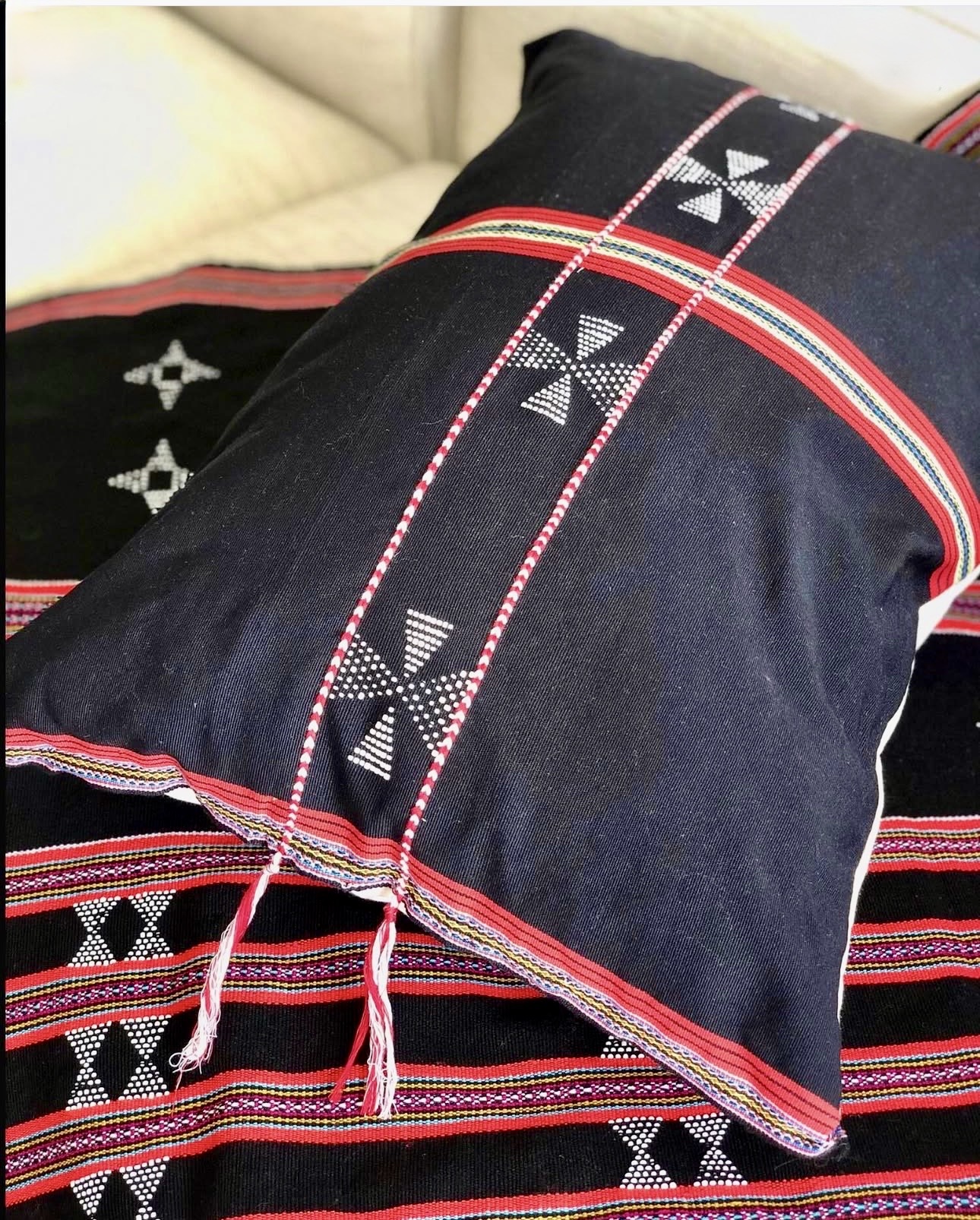
When I moved to Vietnam, I traveled far beyond the boutiques and tourist markets. I found myself deep in the small mountain villages outside Lao Cai Province, where textiles weren’t created as “fashion” — they were part of life itself. These pieces were made for ceremonies, marriages, births, celebrations, grief, and memory. Indigo-dyed hemp. Hand embroidery that could take months or even years to complete. Tribal weaving patterns passed down from mother to daughter for centuries.
The first time I held some of those textiles, I felt something immediately. They carried what I felt modern fashion and home décor had lost — spirit, imperfection, humanity. Every faded thread told a story. Every mark meant the piece had already lived a life before finding me.
I started hand-sourcing vintage textiles one piece at a time. No factories. No mass production. No trend forecasting. Just instinct, connection, and deep respect for craftsmanship. I spent time with artisans, listening to family histories, sitting on wooden floors drinking tea while women carefully unfolded textiles they had protected for decades inside cedar trunks and cloth bundles. Many of those pieces had never left their villages before.
At first, I didn’t even know exactly what the business would become. I just knew I felt called to preserve these works and share them in a way that honored where they came from.
Over time, collecting evolved into designing.
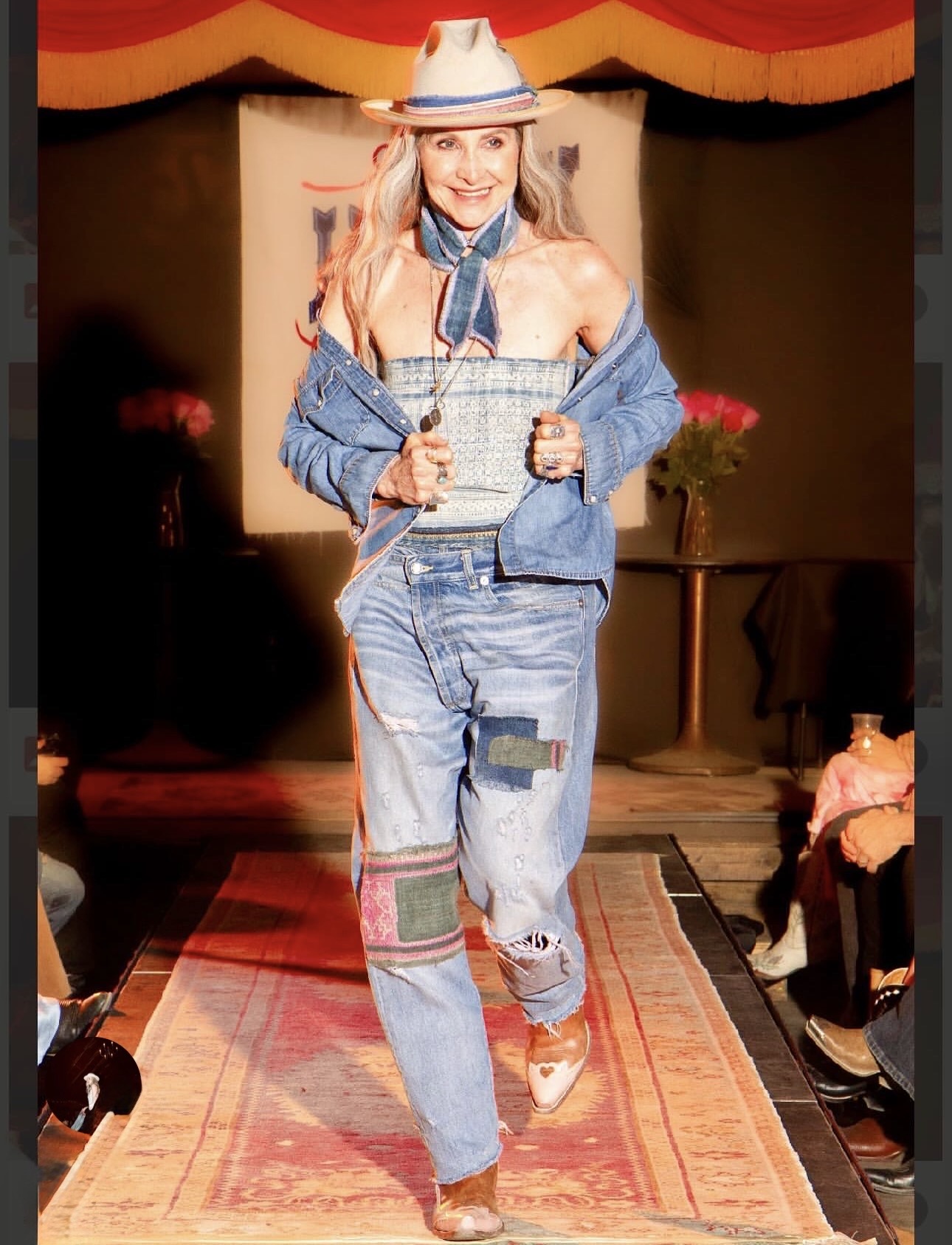
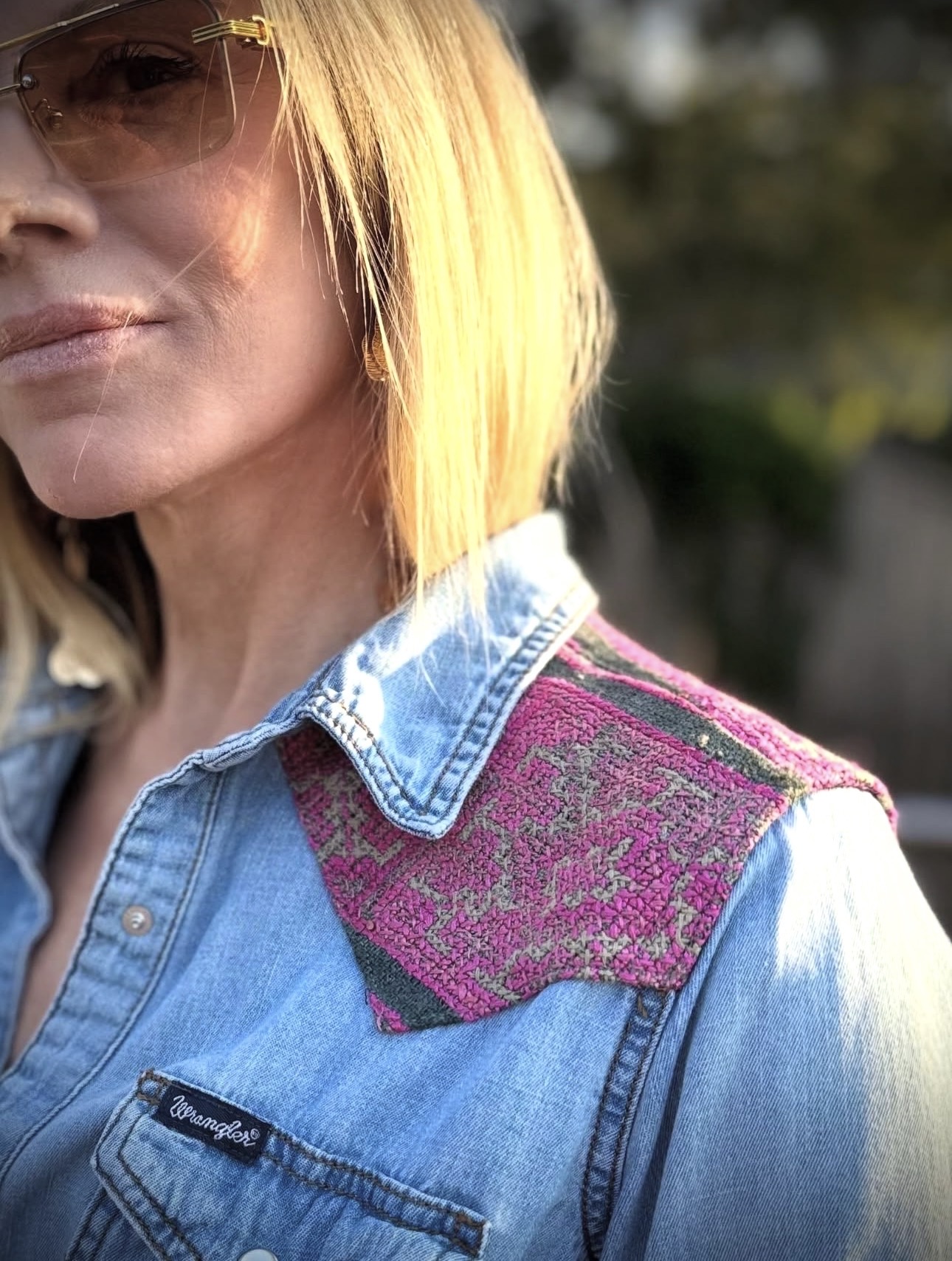
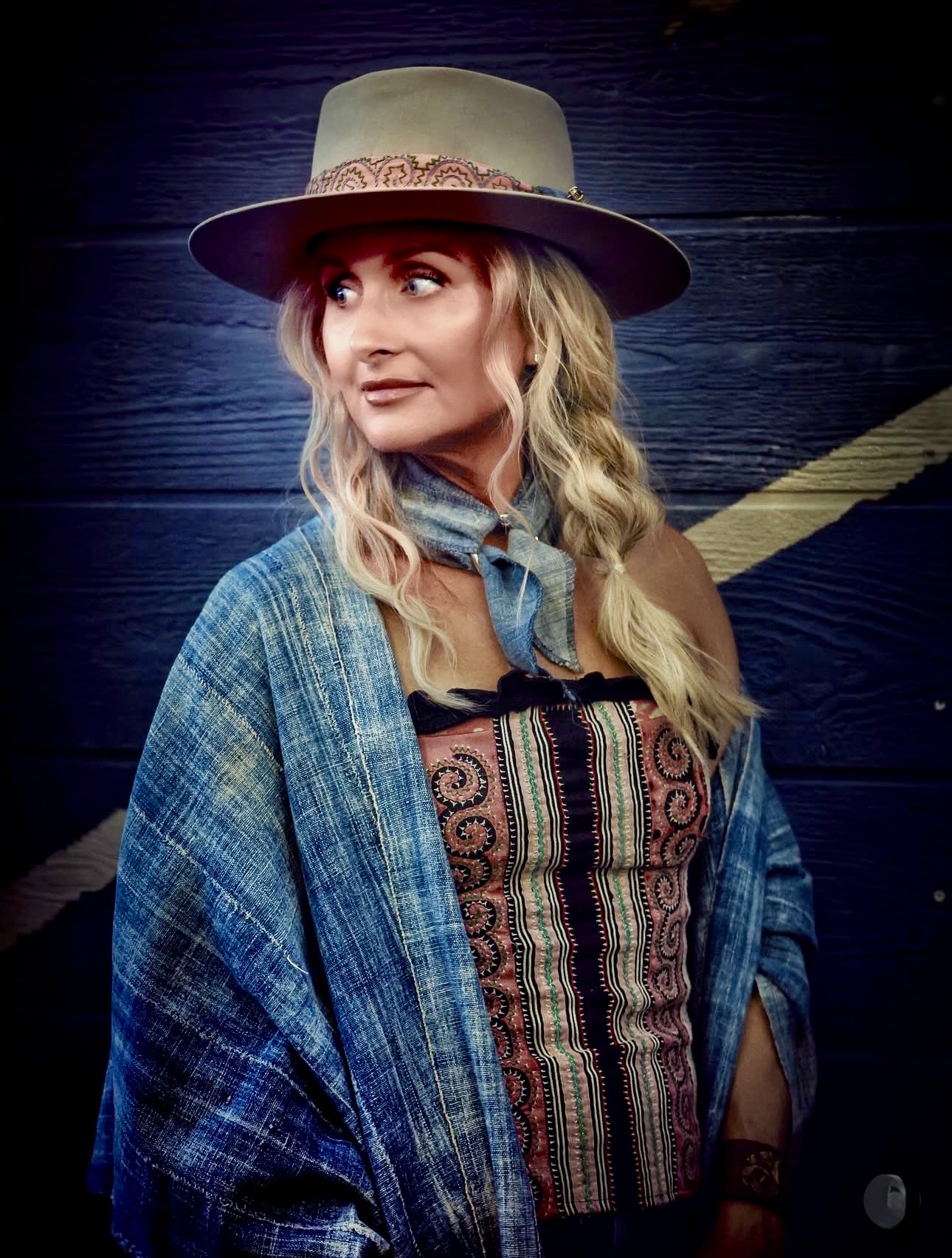
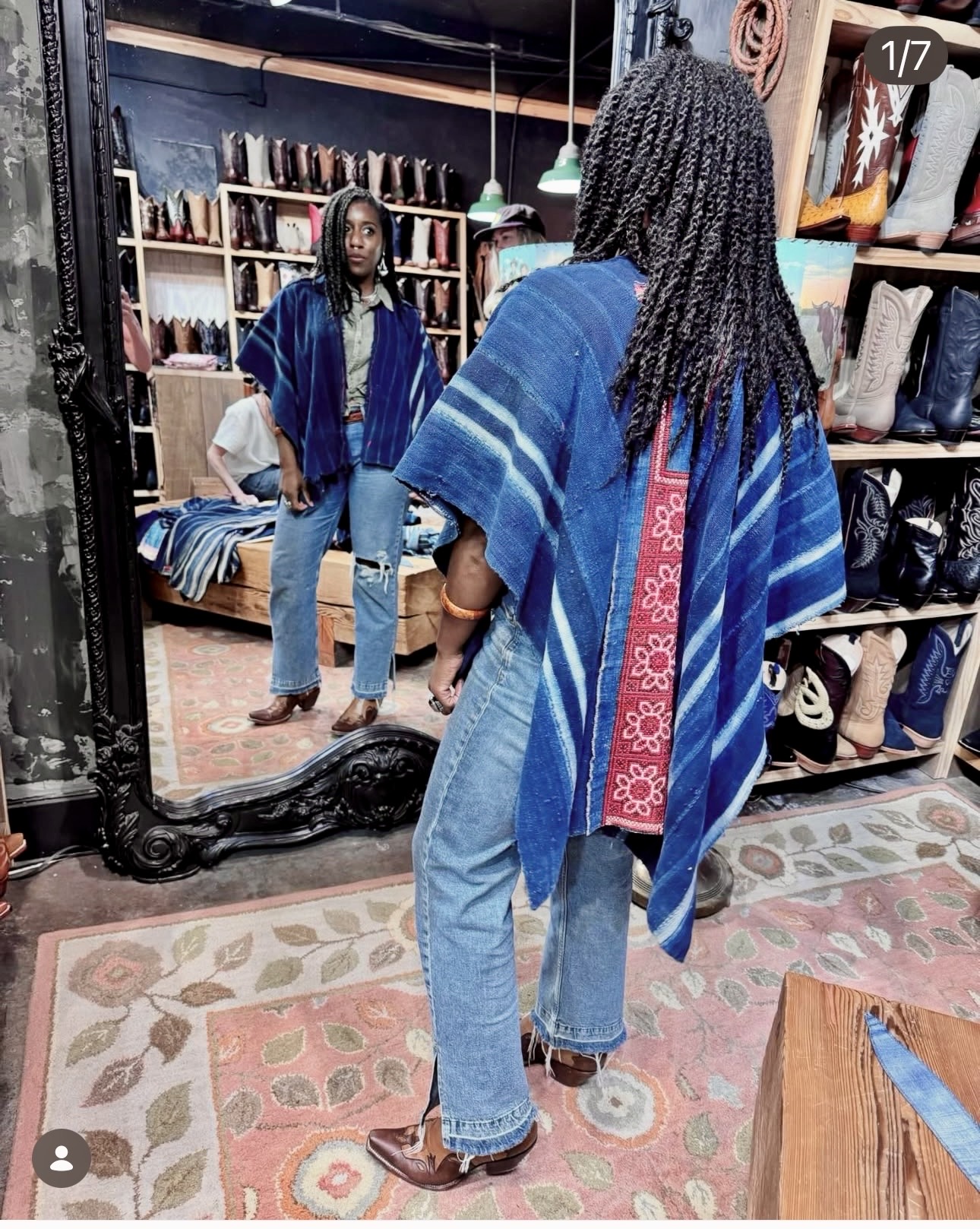
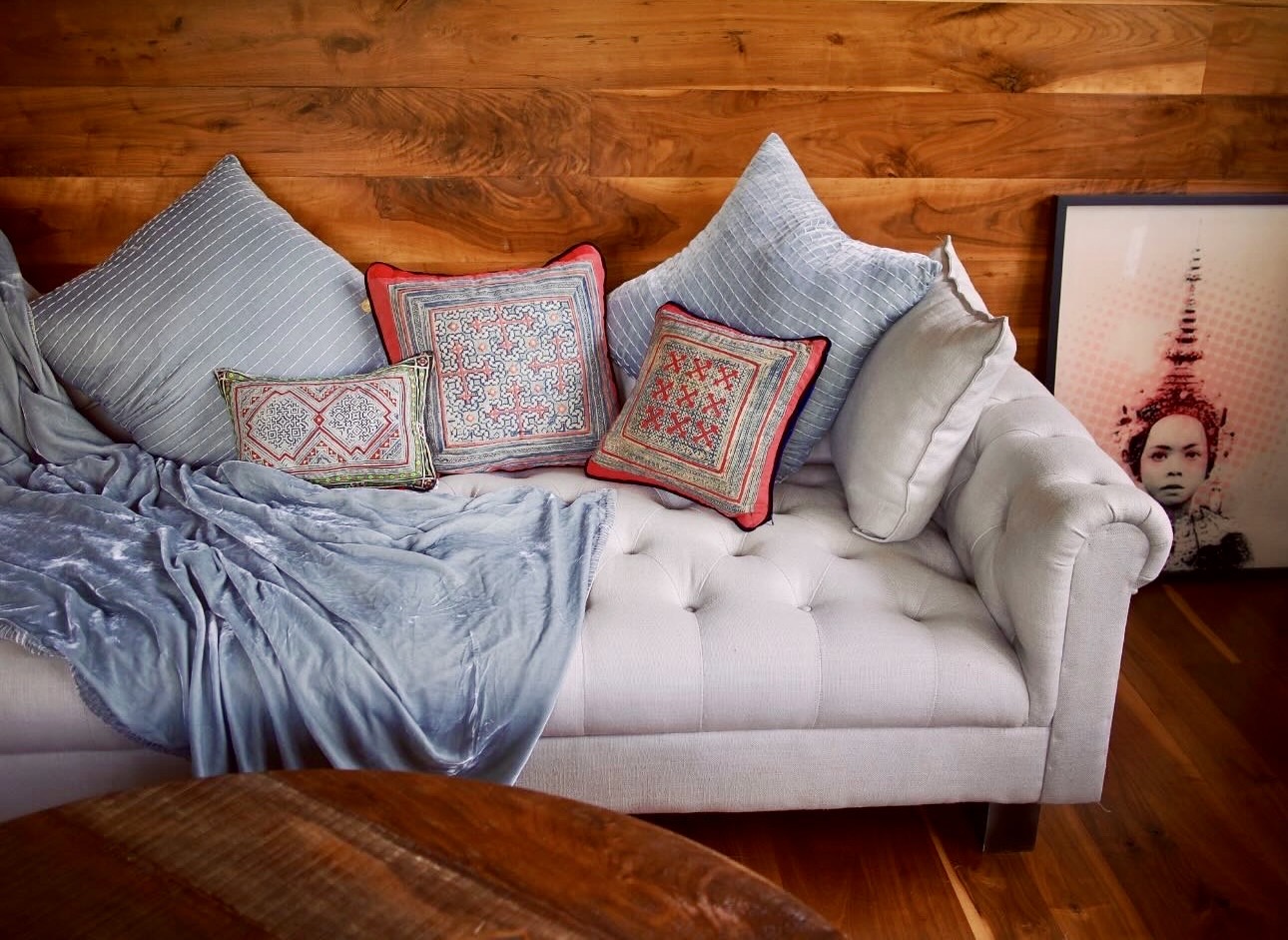
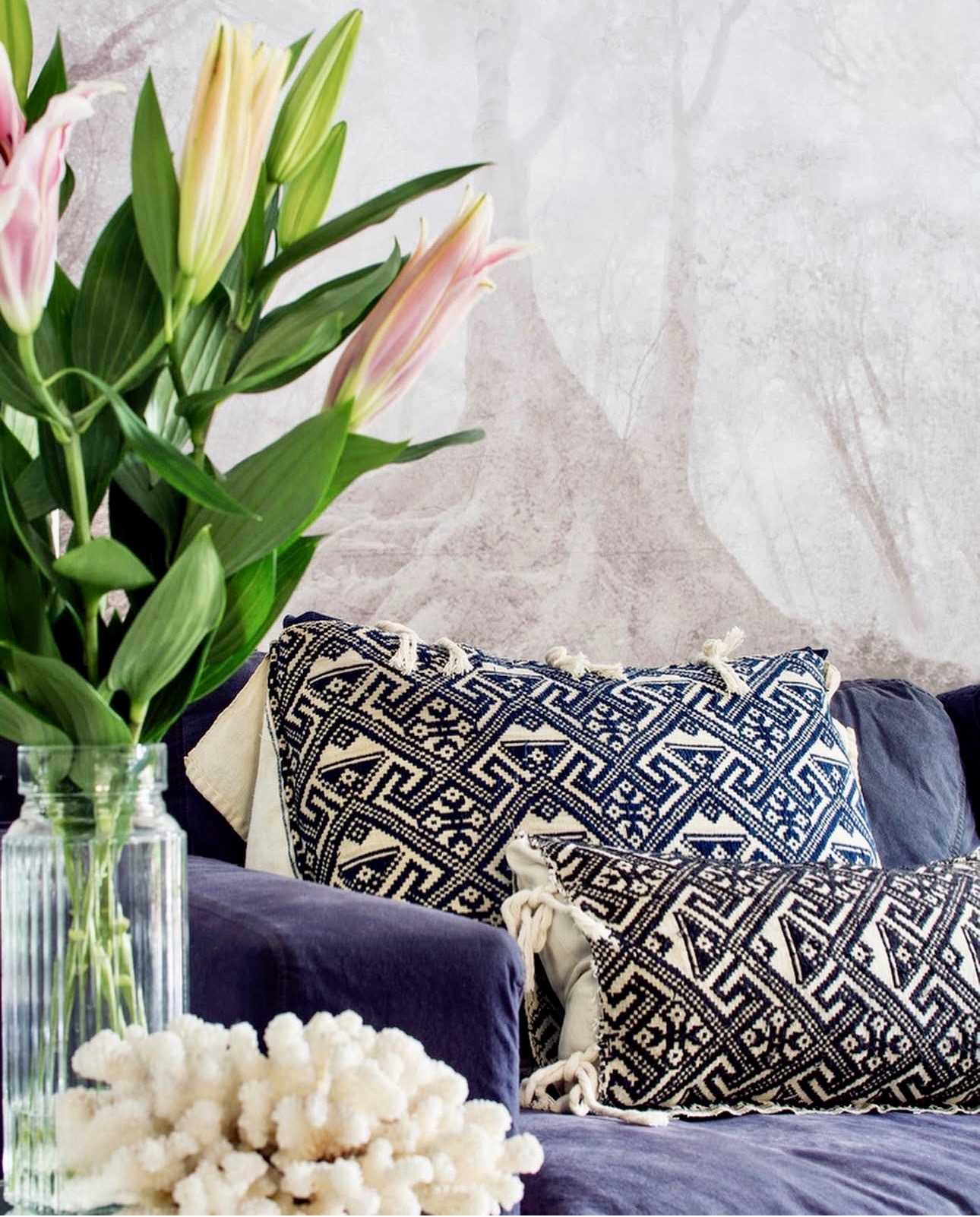
I began reimagining these textiles into wearable pieces and home décor while still preserving their integrity and soul. A vintage embroidered panel might become the heart of a modern jacket. A ceremonial tribal textile could transform into a flowing shawl, an heirloom coat, or a one-of-a-kind pillow for the home. I never wanted the pieces to feel like costumes or museum artifacts. I wanted them to live with people — in layered homes full of character, at dinners and concerts, at art openings, on horseback rides through Texas sunsets, during slow mornings with coffee, and inside the everyday moments that eventually become a life.
The philosophy became simple:
luxury with soul.
Not luxury built around logos or status, but luxury rooted in rarity, craftsmanship, history, and emotional connection.
Every piece carries history forward.
The path definitely wasn’t linear. There were language barriers, difficult travel, ethical sourcing challenges, and the constant balancing act between preservation and design. I had to learn how to build a business around intuition instead of traditional fashion rules. But honestly, that unpredictability became part of the DNA of Lily Koi Saigon itself.
Nothing is created for speed.
Nothing is disposable.
In many ways, the brand became an extension of my own life experience. My years in music taught me that people deeply crave authenticity. Real artistry always cuts through the noise. Whether it’s a song, a horse, a painting, or a handmade textile, people recognize soul when they feel it.
That became the heart of Lily Koi Saigon.
Today, the brand feels like a bridge between worlds — between ancient artistry and modern living, between preservation and reinvention, between remote mountain villages and contemporary style.
And every piece still begins with the same feeling that first found me years ago in Vietnam:
discovery, reverence, and wonder.
I never wanted to create fast fashion or disposable décor. I wanted to create pieces that feel found rather than bought. Pieces that carry memory. Pieces that become part of someone’s story the same way they became part of mine.
Lily Koi Saigon was never just about clothing or home décor.
For me, it has always been about honoring beauty that survives time.
I’m sure it wasn’t obstacle-free, but would you say the journey has been fairly smooth so far?
No, it definitely has not been a smooth road — but honestly, I think that’s part of what gave Lily Koi Saigon its soul.
When I started, I wasn’t coming from the fashion world or the home décor world. I came from the music business, so I had to learn everything from the ground up. I was navigating different cultures, language barriers, remote mountain travel, sourcing ethically, shipping logistics, customs, production challenges — all while trying to stay true to the integrity of the textiles and the artisans behind them.
One of the biggest struggles was that I never wanted this to become mass-produced or commercialized in a way that lost its meaning. That’s difficult in a world that moves so fast and constantly pushes volume over craftsmanship. Many of these textiles are one-of-a-kind and take months, sometimes years, to create. You can’t rush that process, and I never wanted to.
There were also challenges earning trust in the villages. These pieces are deeply personal and often tied to family history and tradition. Relationships had to be built slowly and respectfully over time. I spent years traveling, listening, and learning.
Financially, there were risks too. There were moments where I invested in pieces simply because I knew they were extraordinary, without knowing whether anyone else would understand their value the way I did. Building a business based on intuition, artistry, and preservation instead of trends can feel uncertain at times.
But I think the biggest challenge — and also the biggest reward — was staying authentic. I never wanted to create something disposable. I wanted every piece to feel soulful, timeless, and deeply connected to the hands that made it.
Looking back, every struggle shaped the brand. The imperfections, the unpredictability, the long journeys into the mountains, the cultural exchange, the human connection — all of that became part of the story of Lily Koi Saigon. And honestly, I wouldn’t want it any other way.
Thanks – so what else should our readers know about your work and what you’re currently focused on?
I’d describe what I do as a kind of modern preservation — but through design.
I work with rare, vintage, and hand-embroidered textiles that I source directly from remote mountain villages in northern Vietnam, especially around Lao Cai Province. These are pieces created by ethnic communities where textile work isn’t considered “fashion” at all — it’s cultural memory. It’s ceremony, identity, and heritage woven into fabric over generations.
Through Lily Koi Saigon, I specialize in taking these one-of-a-kind textiles and thoughtfully reimagining them into contemporary home décor and wearable art. That can mean transforming an antique ceremonial textile into a modern jacket, a shawl, or heirloom textile pieces for the home — always in a way that preserves the integrity, story, and spirit of the original work.
What I’m really known for is sourcing pieces that most people will never have access to. I spend time in places that are far from commercial markets, building relationships directly with artisans and families who have held onto these textiles for decades. Many of the pieces I work with have never left their villages before I find them.
I think what sets my work apart is that I’m not driven by trends or production cycles. I’m guided by instinct, story, and emotional connection to the work itself. I’m not trying to recreate something — I’m trying to reveal what already exists in these textiles and give it a new life in a way that feels relevant today.
What I’m most proud of is that every piece carries both history and continuity. Nothing is mass-produced. Nothing is replicated. Each item is truly singular — once it’s gone, it’s gone. But more importantly, it keeps the hands, stories, and traditions of the women who created it alive in a modern context.
For me, it’s not just about design. It’s about honoring lineage, slowing down how we experience beauty, and creating objects that feel deeply personal — like they were found rather than made.
Alright so before we go can you talk to us a bit about how people can work with you, collaborate with you or support you?
There are a few ways people can work with me, collaborate with me, or support what I’m building through Lily Koi Saigon.
The most personal way is through collaboration with my clients and collectors. I actually love creating with my customers. There’s something really special about it — they’ll look through the textiles with me, and something will just “speak” to them. A pattern, a color, a feeling, a history they can’t quite explain. From there, we create together. Sometimes it becomes a garment, sometimes a piece for the home, sometimes something entirely unexpected. But it always starts with that connection.
People can also support the work simply by collecting and wearing or living with the pieces. Every textile has already had a life before it reaches me, and when someone chooses one of these pieces, they’re continuing that story. They’re helping preserve something that would otherwise be lost or forgotten.
And I’m always open to thoughtful collaborations — whether that’s with designers, artists, stylists, or creatives who feel aligned with the idea of preserving heritage textiles and bringing them into a modern context in an authentic way. I’m drawn to people who value story, craftsmanship, and meaning over mass production or trends.
For me, it’s never just about selling a piece. It’s about connection. It’s about sitting with someone, feeling what resonates, and creating something that feels deeply personal — almost like it was always meant to find them.
Contact Info:
- Website: https://www.LilyKoi.com
- Instagram: @LilyKoi_Saigon
- Facebook: https://www.facebook.com/LKsaigon