


Today we’d like to introduce you to Jason Rosenblum.
Hi Jason, it’s an honor to have you on the platform. Thanks for taking the time to share your story with us – to start maybe you can share some of your backstory with our readers?
My story with the dojo grew out of decades of practicing Aikido and exploring how the mind and body work together. I hold the rank of yondan, or fourth-degree black belt, in Ki-Aikido, and Chuden (second dan) in Ki development, which focuses on mind-body coordination. I am also a certified instructor and associate examiner.
I started Austin Ki Movement in 2018 to create a community where people could build strength through focused mind-body integration in a dynamic martial art. We began—and have continued to be known—as Austin Ki Movement. Later, we became officially registered with Ki Society in Japan under the dojo name Center Point Ki-Aikido. Both names remain part of our identity: Austin Ki Movement is how many people know us locally, while Center Point Ki-Aikido reflects our formal recognition as a dojo.
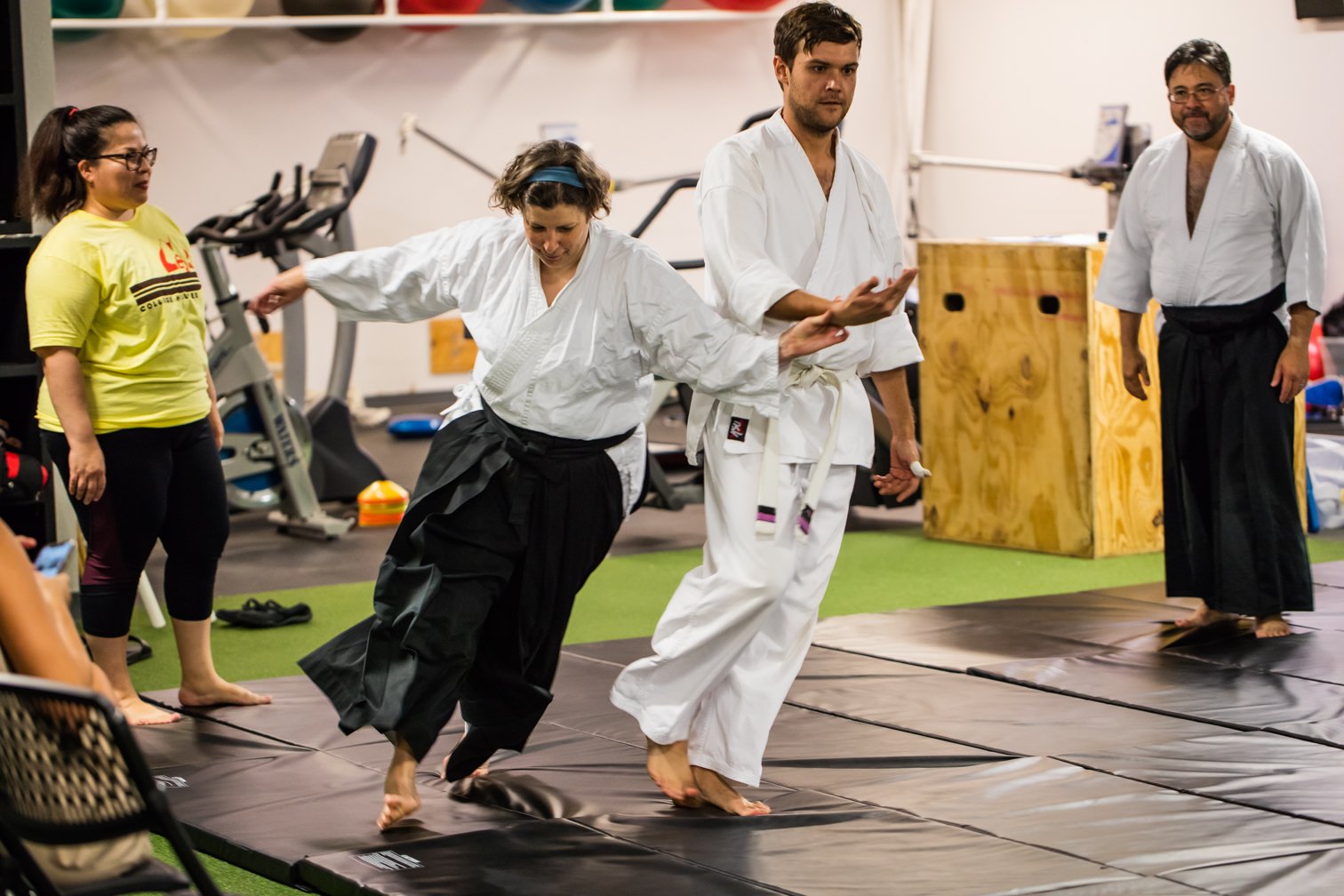
Today, our purpose remains helping people build confidence, develop self-defense awareness, and become more proficient and respond effectively in self-defense situations. We offer beginning and advanced classes, along with classes that teach seniors how to fall more safely. Small classes and individual attention allows us to give students individual attention while building a supportive community of practice.
That community commitment extends beyond our classes. We have sponsored the Texas Rollergirls and conducted fundraising for community nonprofits. For me, the dojo is a place to develop our capabilities together and carry what we learn into everyday life—through how we move, respond to challenges, and support the people around us.
I’m sure it wasn’t obstacle-free, but would you say the journey has been fairly smooth so far?
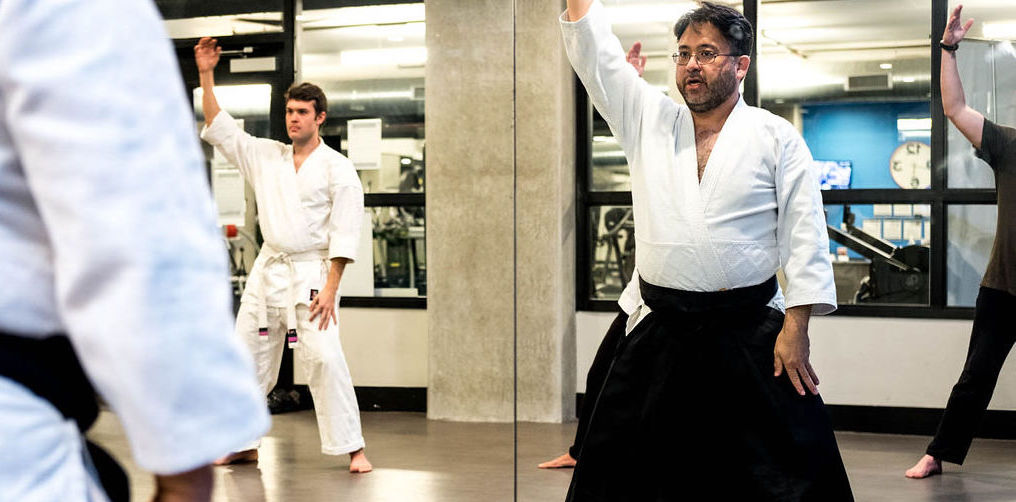
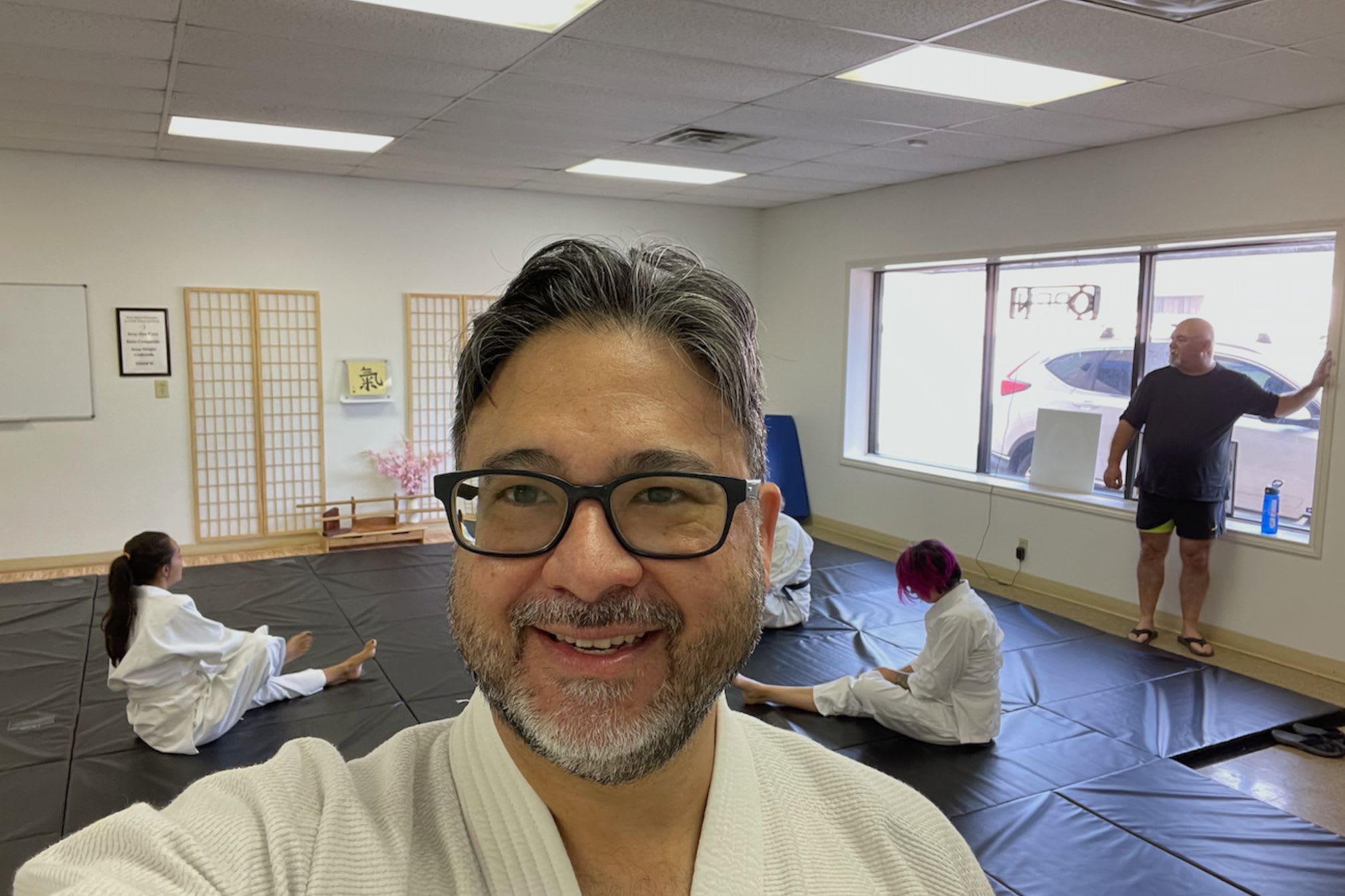
Our history has involved several locations and a good deal of flexibility and adaptation (as you can tell from the locations in the pics!). We began at Austin Sports Center and later trained in an apartment gym in East Austin. When the pandemic disrupted indoor classes, we continued training on my backyard porch and in a neighborhood park, adapting to distancing and masks. Friends at Barber to the People subsequently helped us return indoors, and we later moved to Austin Kickboxing Academy before reaching our current home at South Austin Gym. Throughout those changes, our students and instructors kept the community going.
Thanks for sharing that. So, maybe next you can tell us a bit more about your work?
I’m the founder and head instructor of Austin Ki Movement, officially registered with Ki Society in Japan as Center Point Ki-Aikido. I teach Ki-Aikido and mind-body coordination, helping people bring focused attention, balance, and coordinated movement into a dynamic martial art.
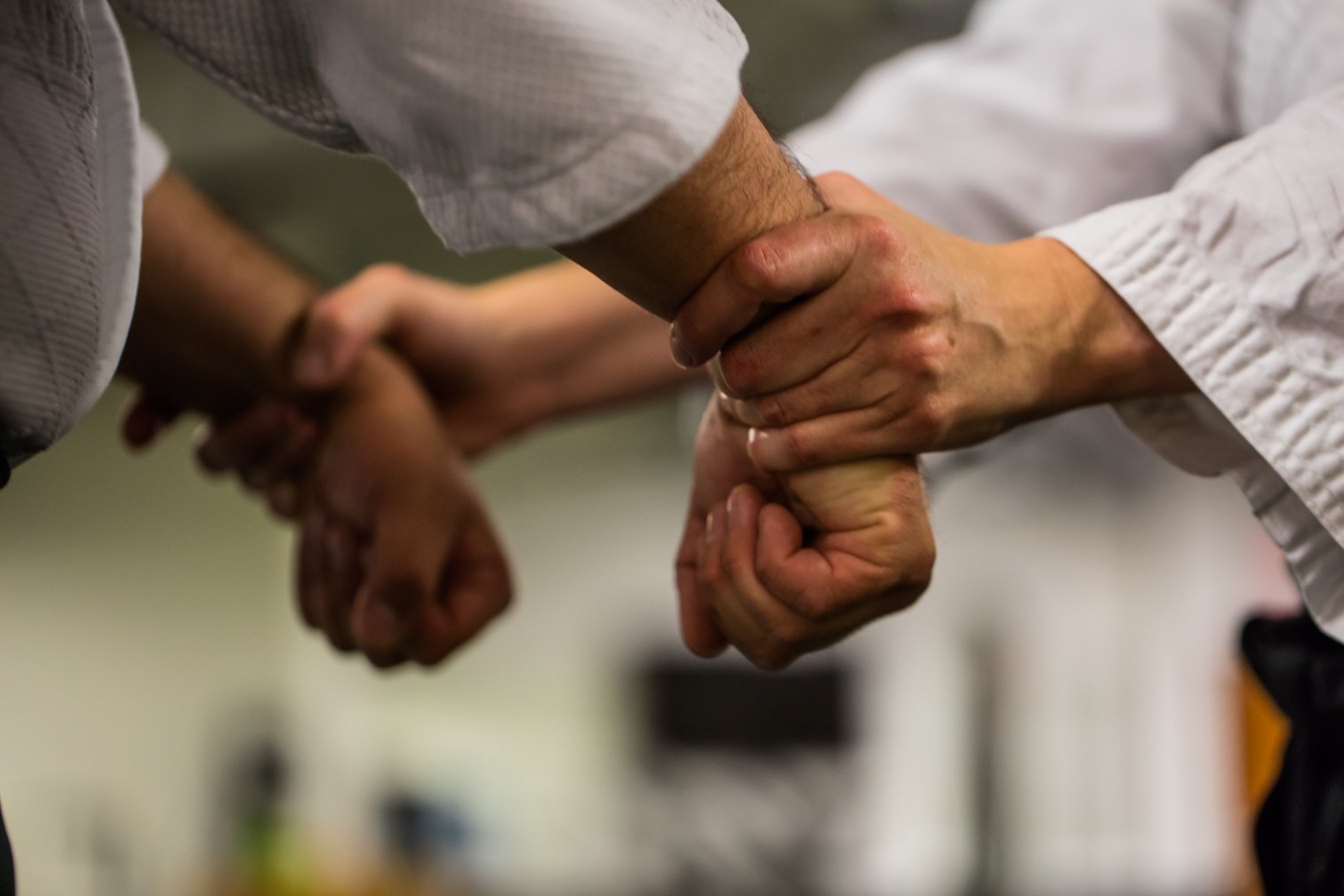
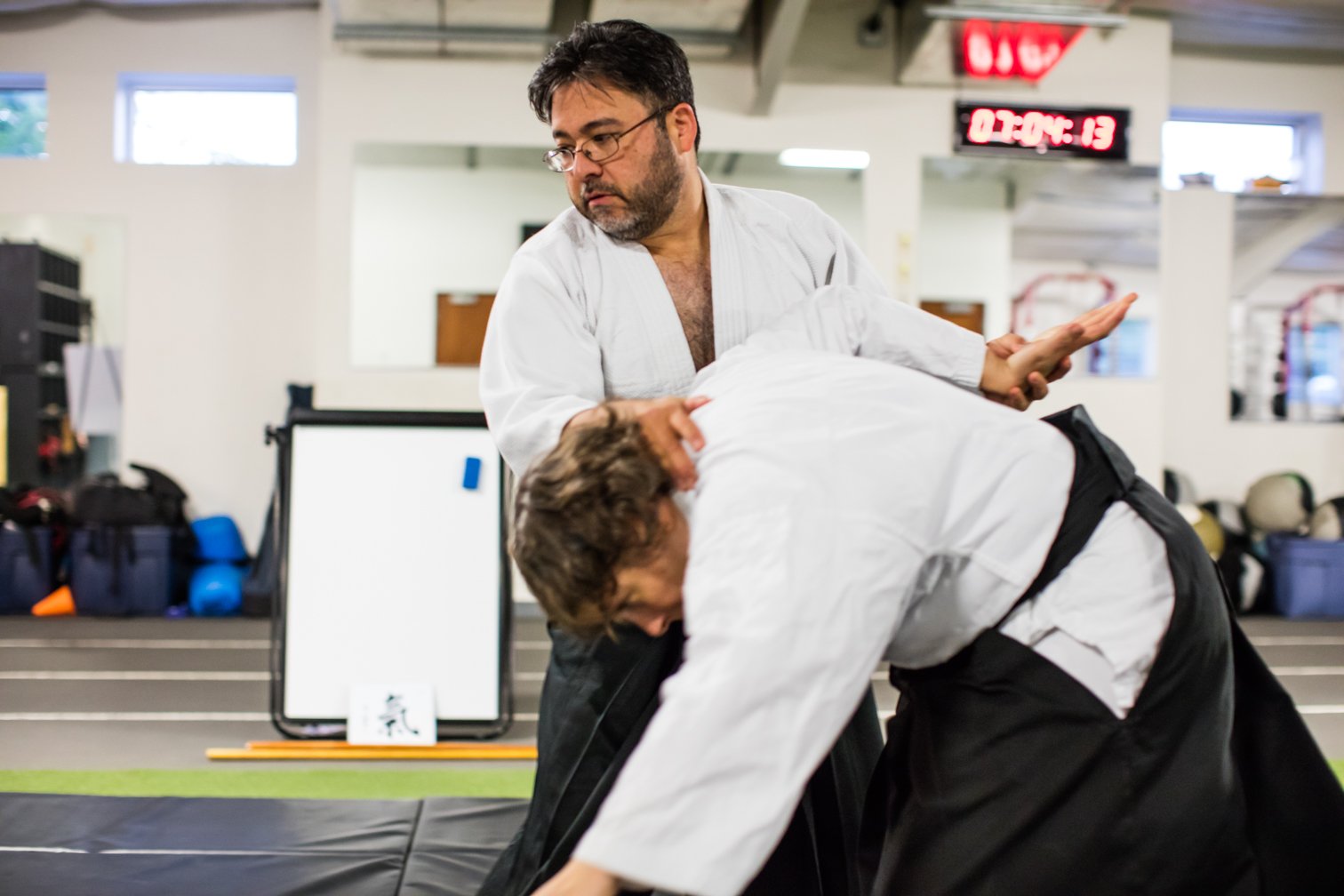
Ki-Aikido is a self-defense martial art. Our practice helps students develop self-defense skills through their responses to movement, pressure, and conflict. Through exercises and partner practice, students learn to recognize unnecessary tension, move with greater coordination, and respond with composure. Those lessons can become useful beyond the dojo—in everyday interactions and situations that call for confidence and clear judgment.
What distinguishes our approach is the individual attention students receive. Students have time to ask questions, receive specific feedback, and work through challenges at their own pace. We offer beginning and advanced instruction, along with classes that help seniors learn to fall more safely. We also value a diverse, LGBTQIA+ inclusive community where people feel comfortable learning together.
My work as a university educator shapes how I teach martial arts. I think carefully about how people learn, how to make unfamiliar ideas approachable, and how to help students understand a principle through experience. An explanation provides a starting point; students need opportunities to feel, test, and refine what they are learning.
I’m most proud of the community our students and instructors have sustained since 2018. They have kept practicing and supporting one another through changes in location and the disruption of the pandemic. Seeing a student understand a challenging movement, respond with greater composure, or become comfortable trying something new makes that ongoing work especially rewarding.
What does success mean to you?
I define success through the capabilities people develop and the ways they carry those capabilities into their lives. In the dojo, that might mean a student responding with greater calm under pressure, finding strength through better mind-body coordination, or gaining the confidence to attempt something they once found intimidating.
Rank and technical progress are meaningful milestones, but I also look for students becoming more aware of their choices: when to move, when to hold their ground, and how to respond thoughtfully to conflict. Success includes knowing you have options and developing the judgment to use them.
As an instructor, I also measure success by the community we build. Are students comfortable asking questions? Do they challenge and support one another? Are we creating a place where beginners and experienced practitioners can continue learning together?
Ultimately, success means that what we practice becomes useful beyond the mat—in how we meet challenges, care for ourselves, and interact with others.
Pricing:
- $100/month : all classes you can attend
- $20/class: mat fee
- 20% family discount
- sliding scale based upon income
Contact Info:
- Website: https://ki.life
- Facebook: https://www.facebook.com/AustinKiMovement/
- LinkedIn: https://www.linkedin.com/in/jasonrosenblumphd/
- Yelp: https://www.yelp.com/biz/center-point-ki-aikido-austin