


Today we’d like to introduce you to Kim Flor.
Alright, so thank you so much for sharing your story and insight with our readers. To kick things off, can you tell us a bit about how you got started?
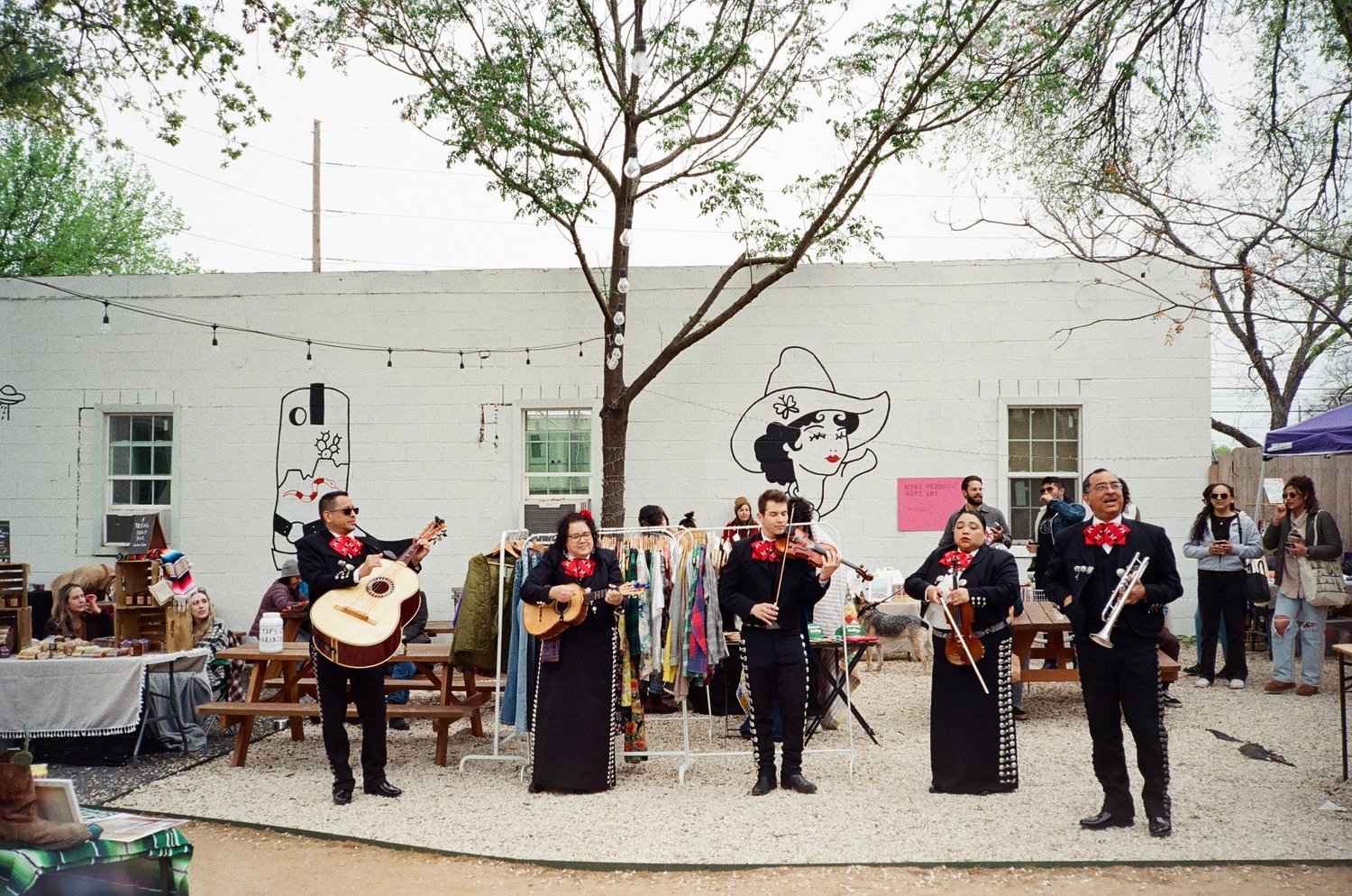
I’ve been curating events and building community around arts and culture in Austin for a long time. In the 2010s, I produced an arts magazine, and that early work of connecting artists, audiences, and ideas never really left me – even when I did. After a few years living in Los Angeles and Florida, I came back to Austin in 2022 and started Flores Market.
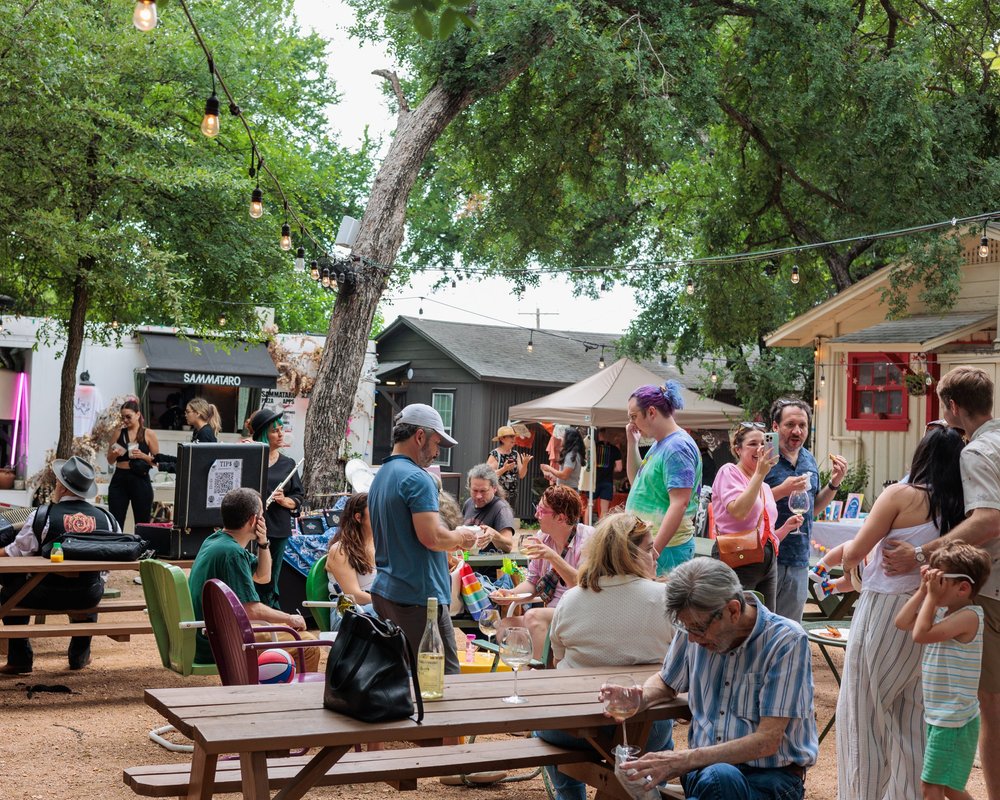
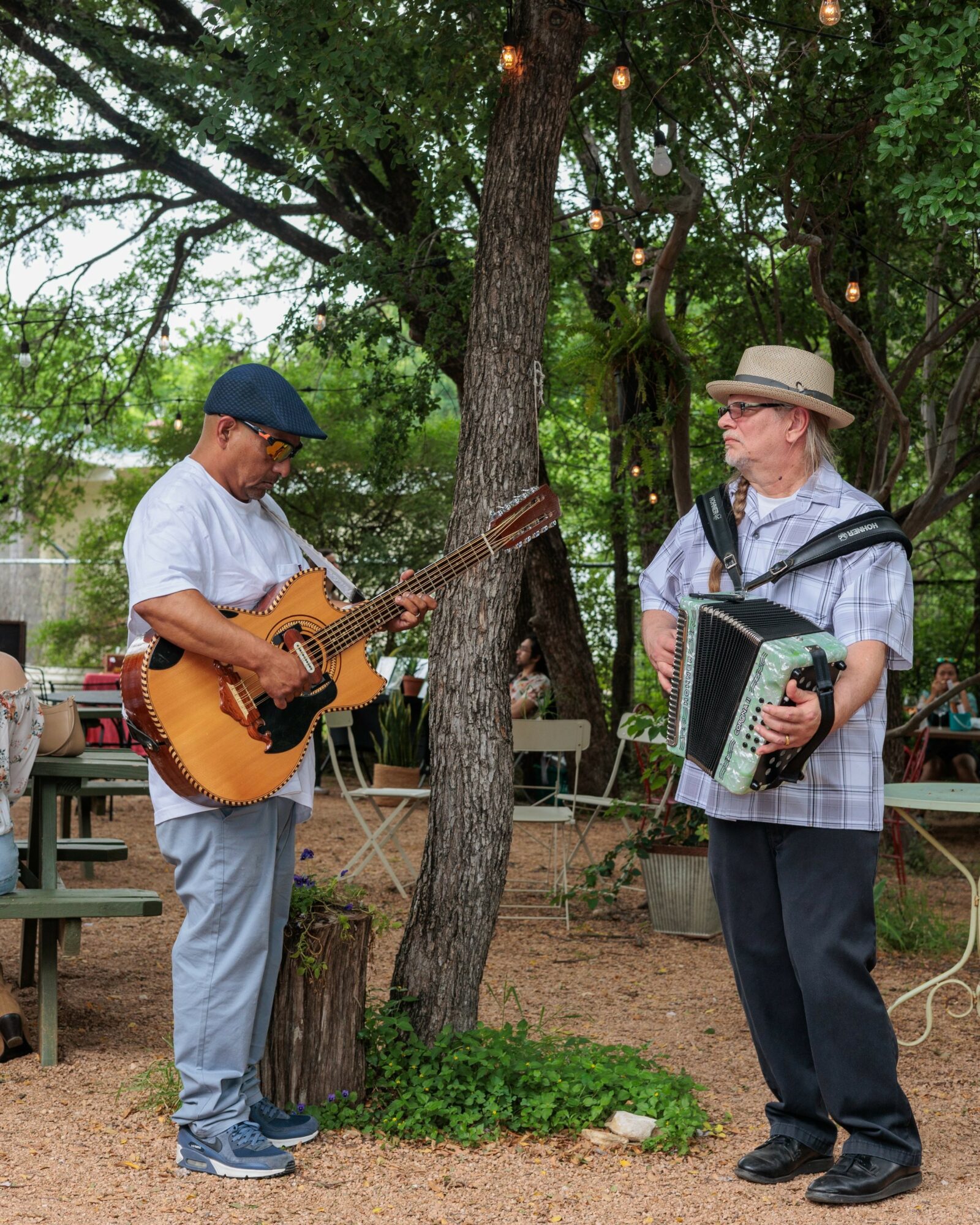
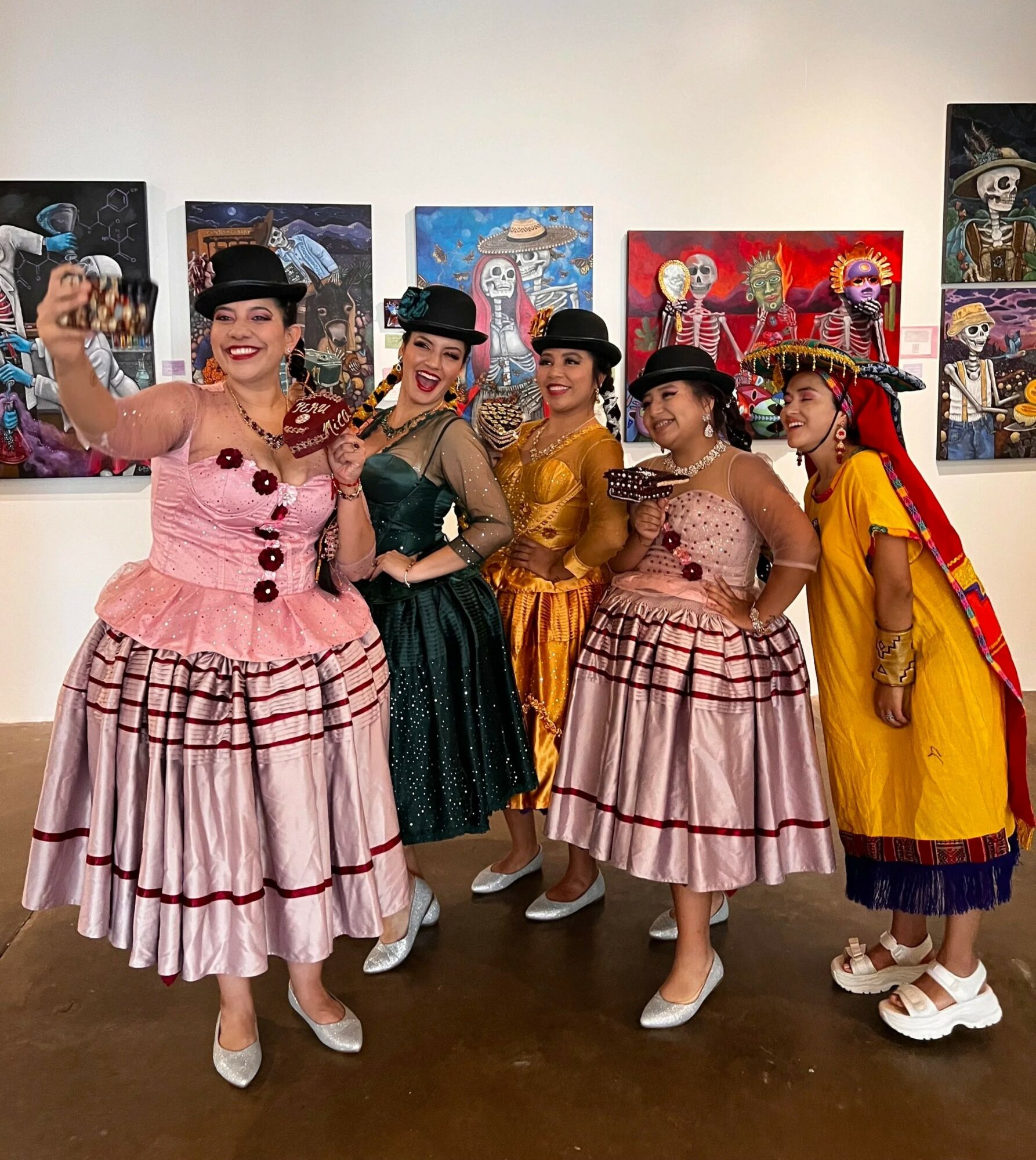
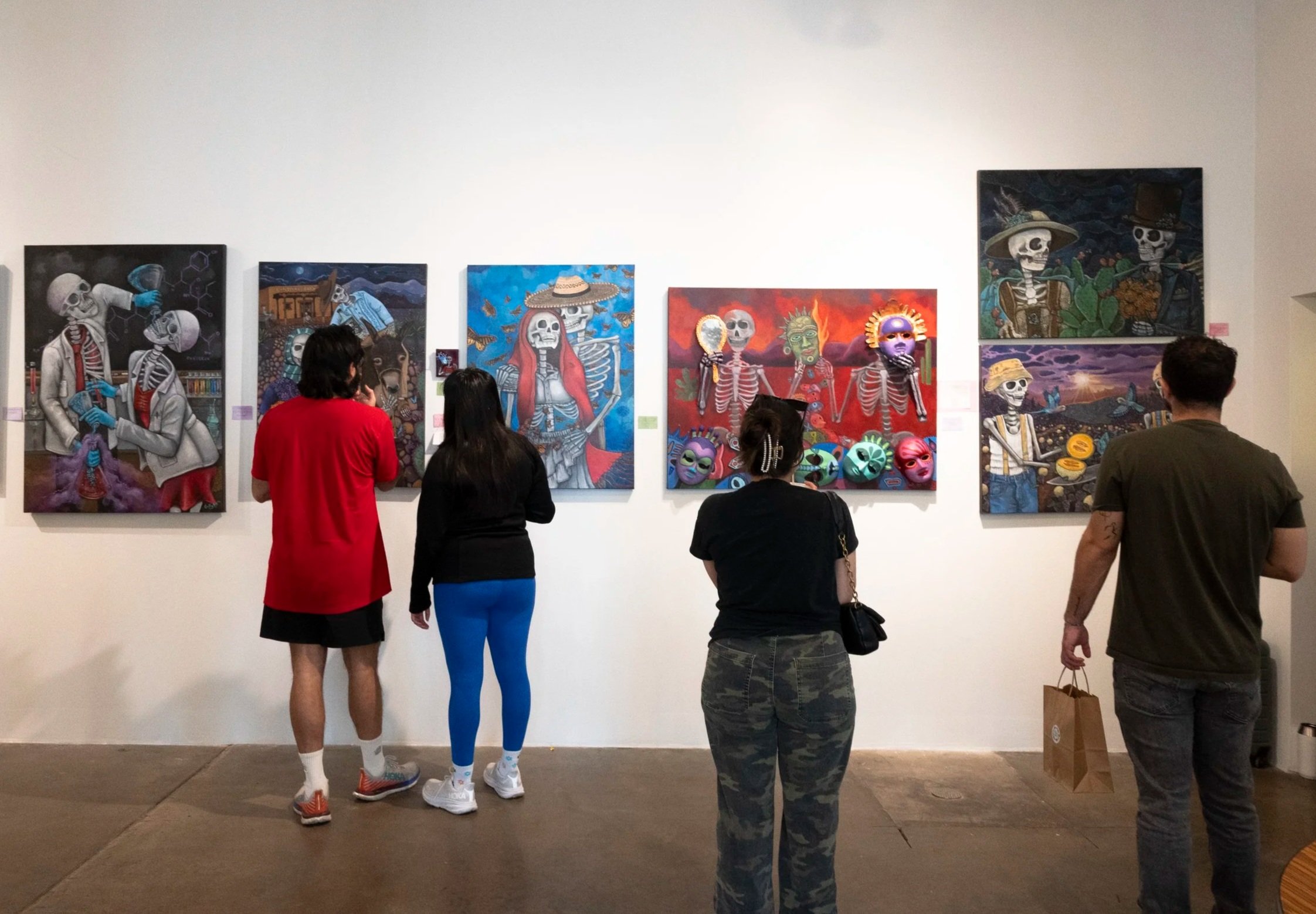
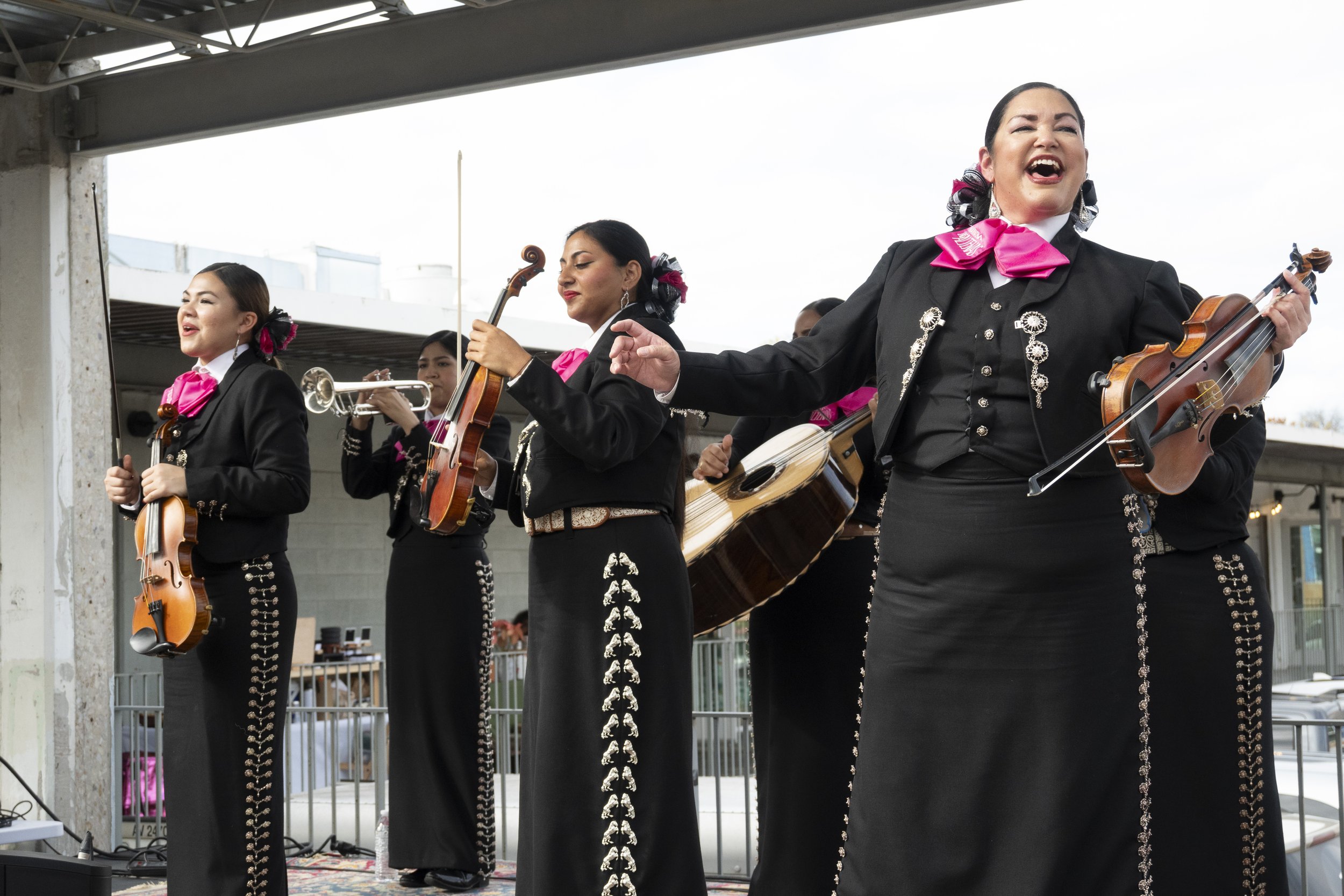
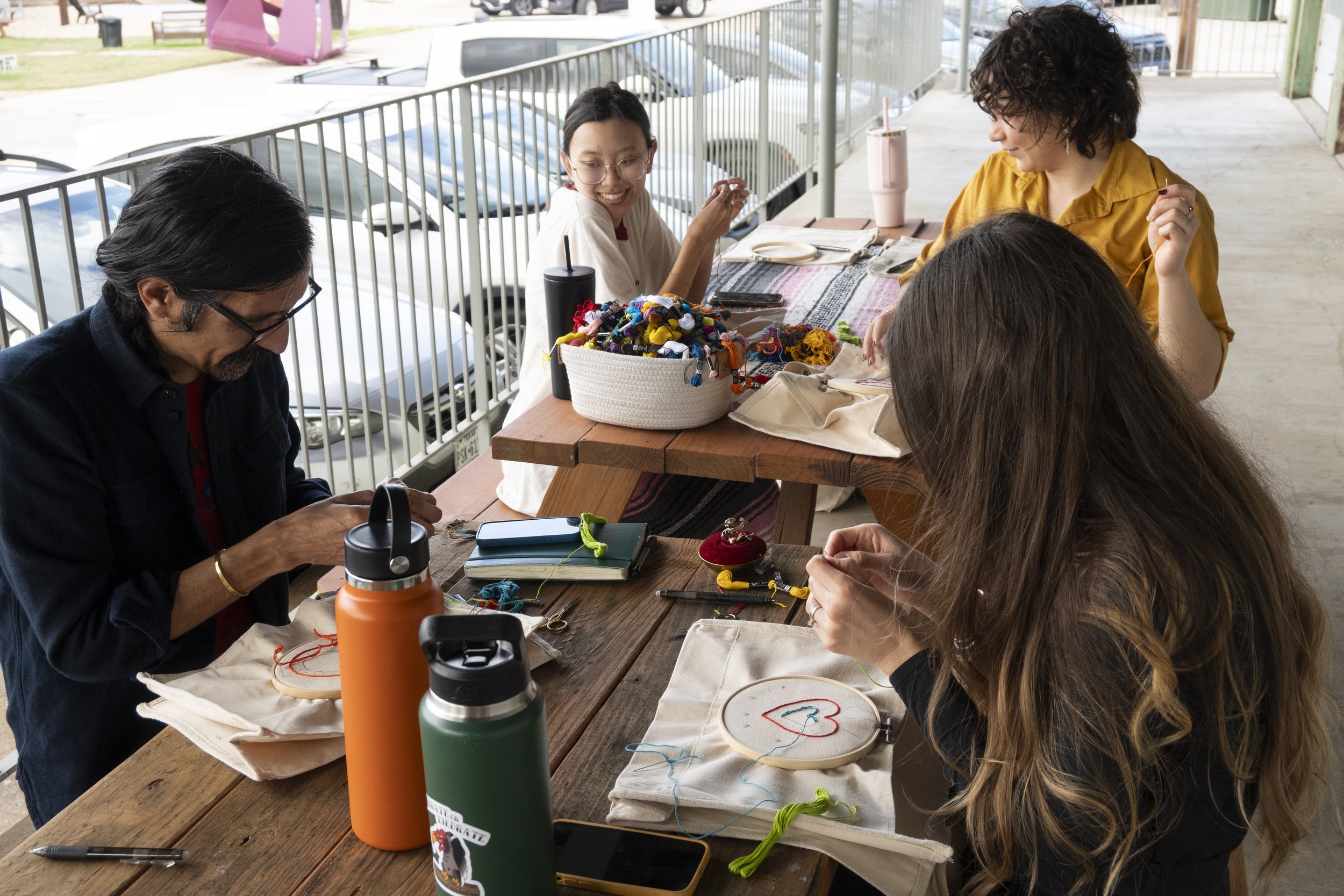
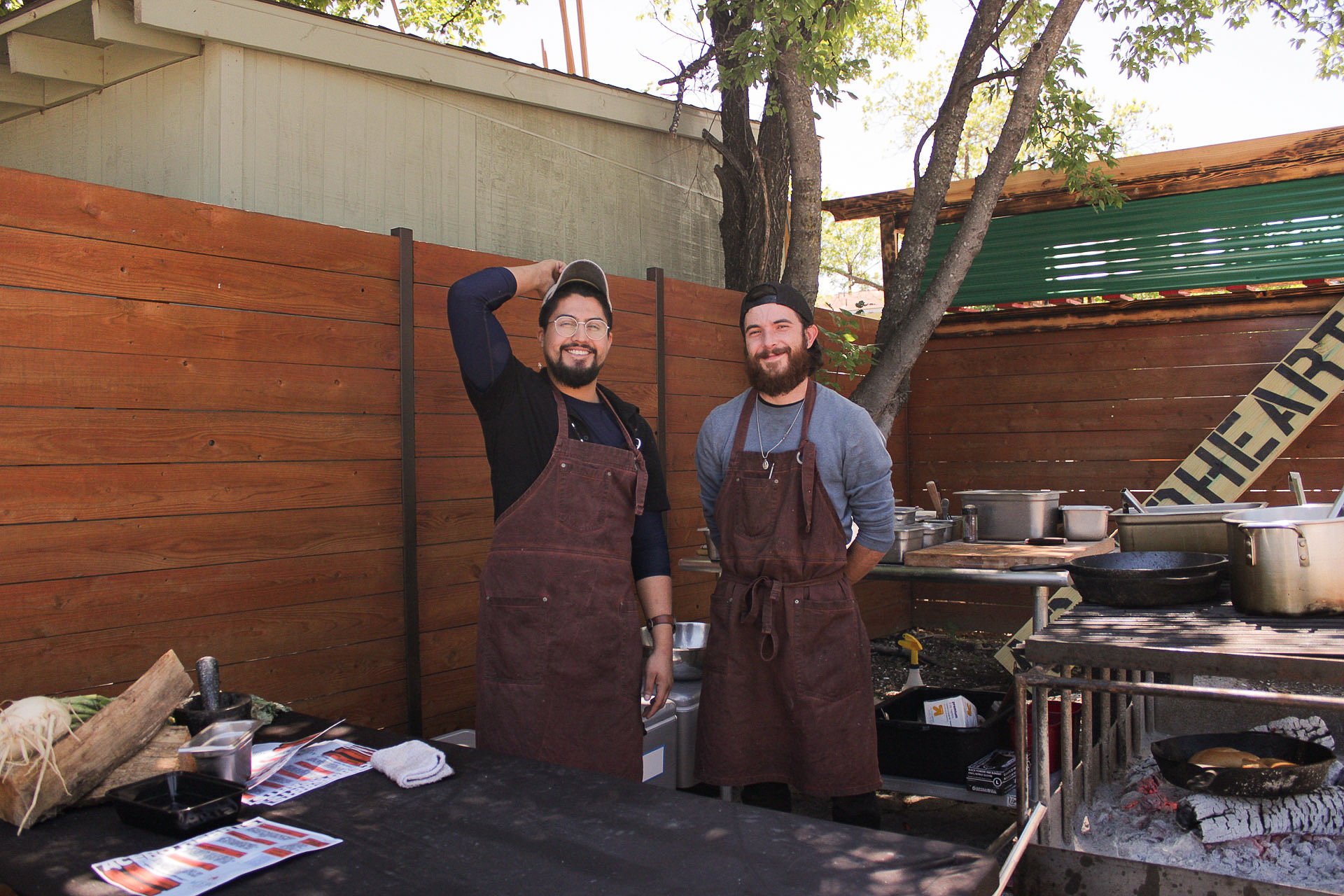
It began simply: a space to sell my own jewelry and create real opportunities for BIPOC and women artists and small business owners to show and sell their work. But it grew organically, in response to what the community actually needed. Live music, creative workshops, educational programming. And eventually, an annual arts exhibit and festival.
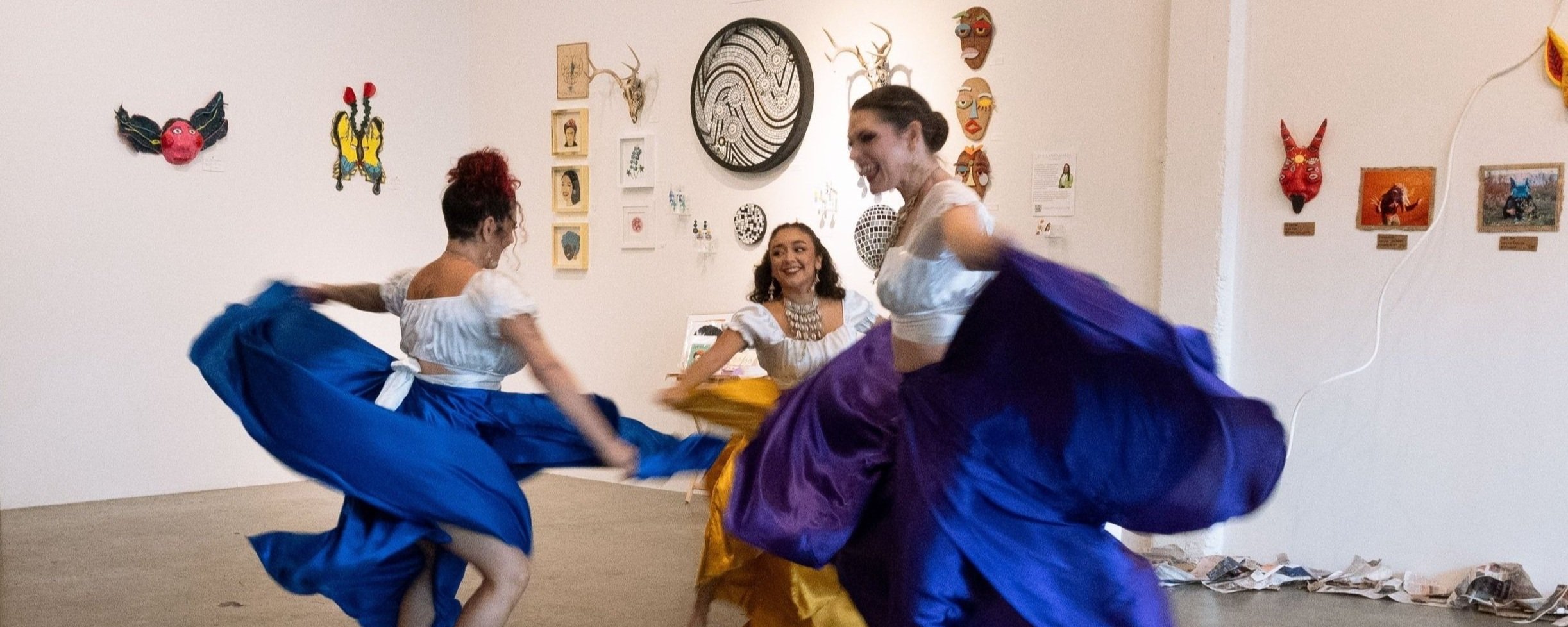
By its fourth year, Flores Market had grown into something larger than a market. It became Flor y Fuego Texas, a cultural arts organization rooted in Austin and focused on creative and educational programming that reflects and serves our community. The annual exhibit, the Flor y Fuego Festival, has expanded in ways I couldn’t have fully anticipated when I was setting up a vendor table.
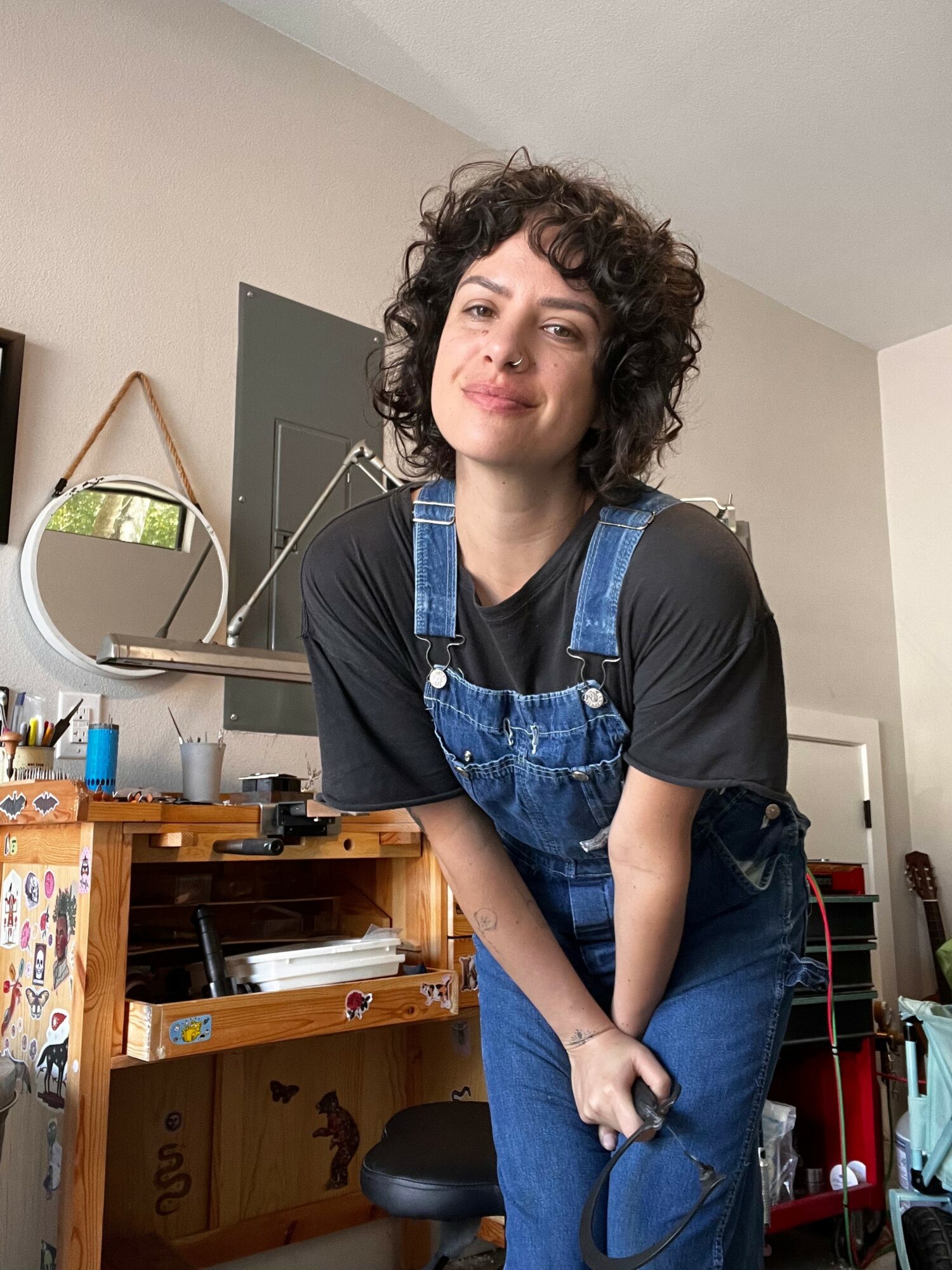
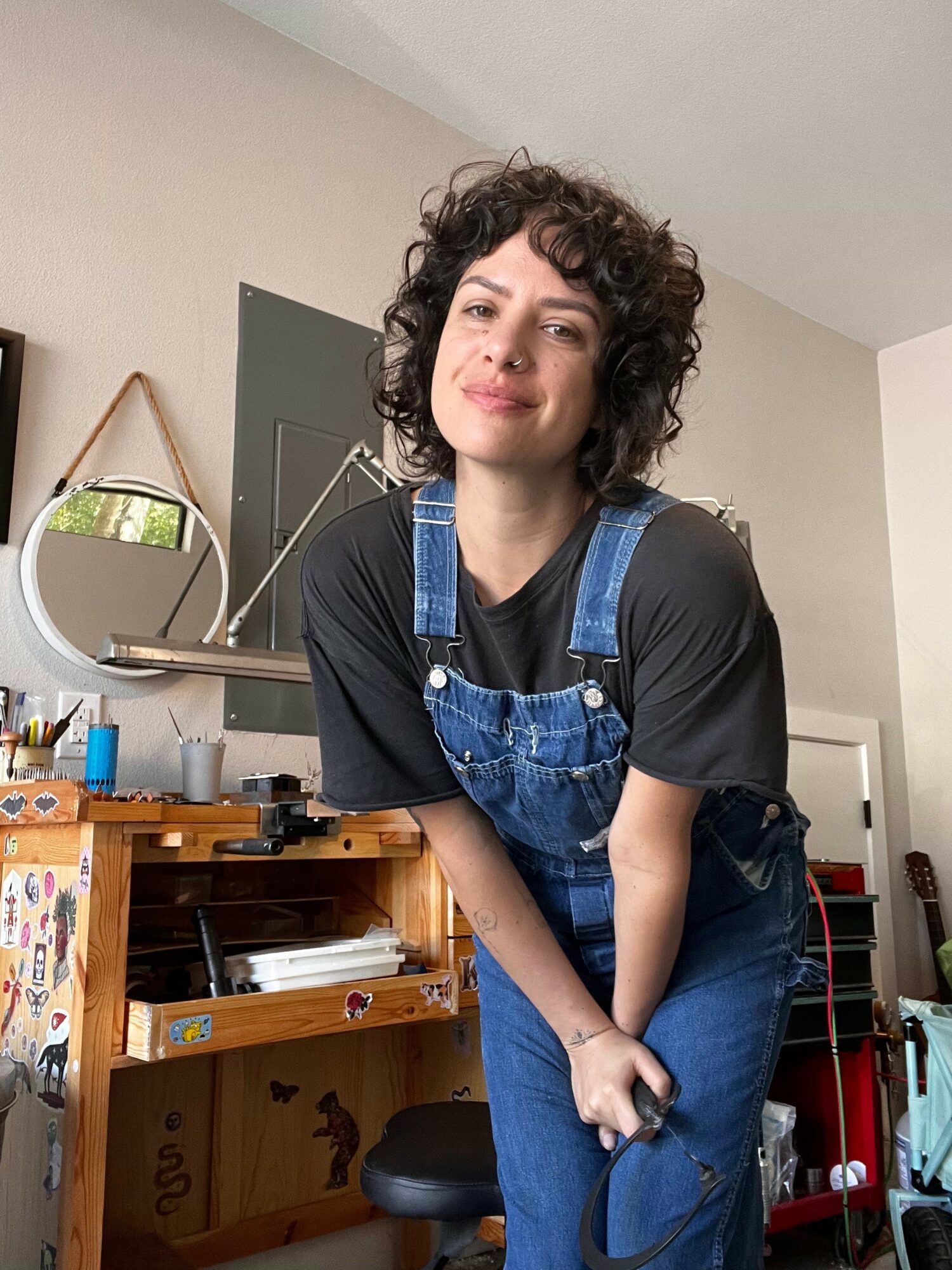
Although I still make jewelry in my home studio, my work is predominantly programmatic and communal. Alongside Flor y Fuego, I also lead accessible public events for Art Spark Texas, a disability arts nonprofit that has been part of Austin’s cultural fabric for thirty years. That work keeps me connected to the broader ecosystem of arts organizations in this city, and reminds me why building access and inclusion into programming from the beginning matters.
Would you say it’s been a smooth road, and if not what are some of the biggest challenges you’ve faced along the way?
Not even close. Returning to Austin after a few years away meant rebuilding from scratch: relationships, reputation, physical presence in a city that had changed significantly while I was gone. Starting Flores Market was an act of faith more than a plan.
The early years were a grind in wearing many hats without many resources – being creative to make things happen – and with the generosity and grace of partners and friends. Venue issues, funding gaps, doing everything yourself – running an independent market and cultural programming without institutional backing means you’re the curator, the coordinator, the marketer, and the person hauling equipment, often all in the same day. There’s no safety net, and the margin for error is slim.
The transition from market to organization brought its own weight. When something grows beyond what you originally imagined, you have to grow with it, and that’s not always comfortable. Building something that serves a community means the community is counting on you, and holding that responsibility while also sustaining yourself creatively and financially is a real tension. What kept me moving was the work itself and the people it was for. Watching artists, particularly the latine community and women artists who don’t always have obvious pathways thrive in events I’ve created has been worth every bit of the struggles.
Appreciate you sharing that. What else should we know about what you do?
As a Latina artist who didn’t grow up with financial security, I never had traditional pathways into the arts. No institutional backing, no inherited network, no obvious roadmap. What I had was a deep understanding of what it feels like to have a desire to create from a place of lived experience and culture – and being serious about your work and still finding the doors harder to open. That lived experience is why Flor y Fuego was built from the beginning around real access and opportunity for BIPOC and women artists, not as an afterthought but as the whole point.
What sets my work apart is its relational quality, which takes years to build. I’ve been connected to Austin’s arts and cultural community since the late 2000s, through the magazine years, through being away and coming back, through markets and exhibits and festivals. Those long-standing relationships mean that when I bring people together, there’s genuine trust and history in the room. That’s not something you can manufacture, and I think people feel the difference.
What I’m most proud of is that the work has stayed true to where it started. The scale has grown, but the intention hasn’t shifted.
Are there any apps, books, podcasts, blogs or other resources you think our readers should check out?
I’m a hardcore Libby fan and devour books in both audio and print formats. Lately, I’ve been inspired by Priya Parker’s approach to intentional gathering in *The Art of Gathering*, Octavia Butler’s *Parable* series, and works exploring grief, feminism, critical social thought, and history.
Books like *American Nations*, *The Shock Doctrine*, and *Grief Is the Thing with Feathers* have deepened my understanding of our collective experiences: how grief, trauma, love, culture, and place shape who we are and how we move through the world. I’m drawn to media that helps make sense of both personal and societal transformation, and those themes continually influence my work creating cultural programs, exhibits, and community-centered experiences.
Contact Info:
- Website: www.floryfuegotexas.com | www.kimberlyflor.com
- Instagram: @floryfuegotexas @florcomoflower