


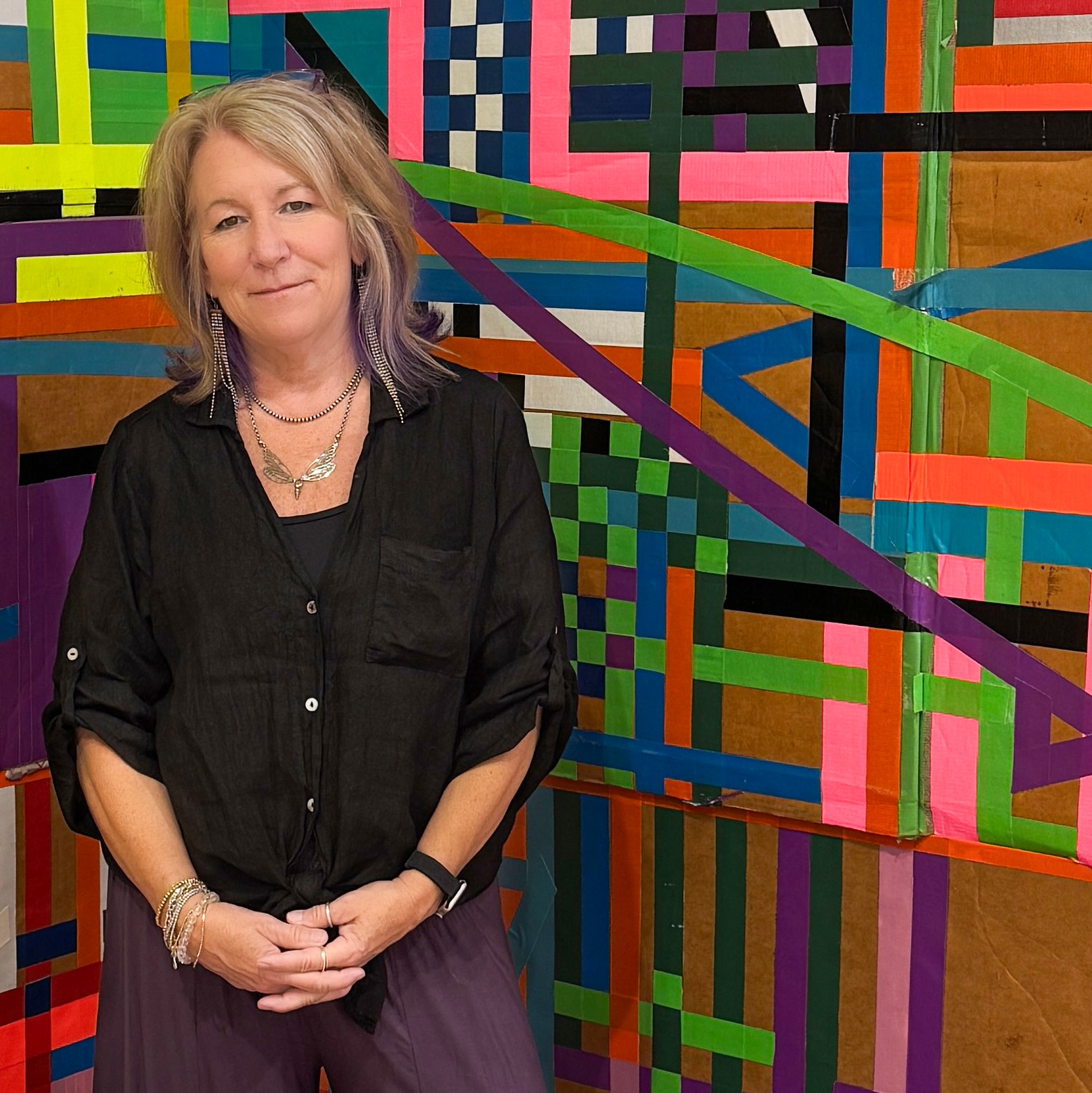
Today we’d like to introduce you to Leslie Kell.
Hi Leslie, so excited to have you on the platform. So before we get into questions about your work-life, maybe you can bring our readers up to speed on your story and how you got to where you are today?
I’ve always been drawn to creating. My formal training is in illustration and painting, but my career took several turns before leading me to the work I do today.
Early on, I worked in galleries, sign shops, and magazine production, taking every opportunity I could to learn. Much of my design education happened outside the classroom. I taught myself layout and design software through hands-on experience and eventually built a long career as a freelance designer.
Throughout those years, photography was the constant thread. Even as a child, I was fascinated by cameras and the way a photograph could reveal something beyond what was immediately visible. Looking back, it’s clear that photography wasn’t simply one of my creative interests. It was the foundation.
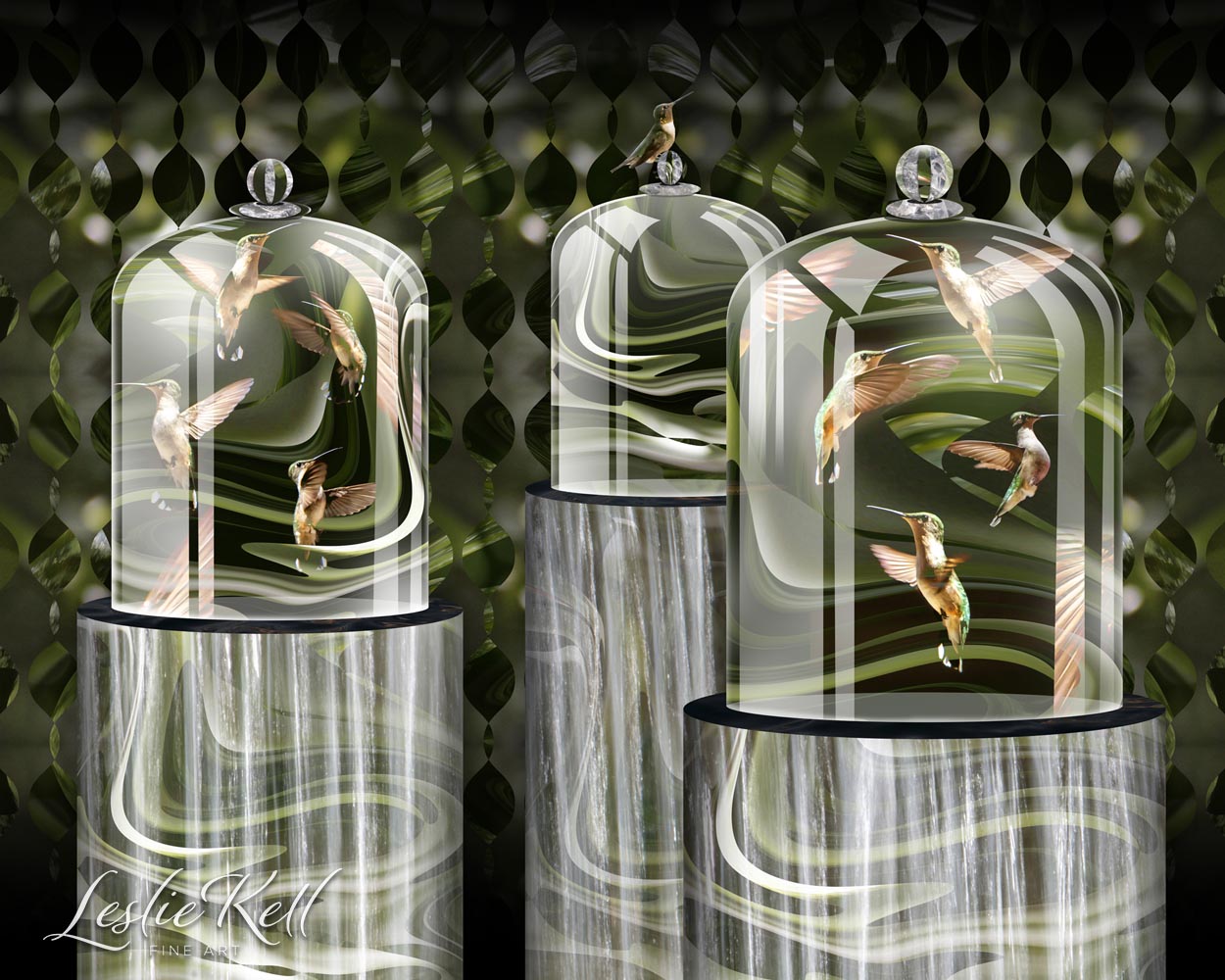
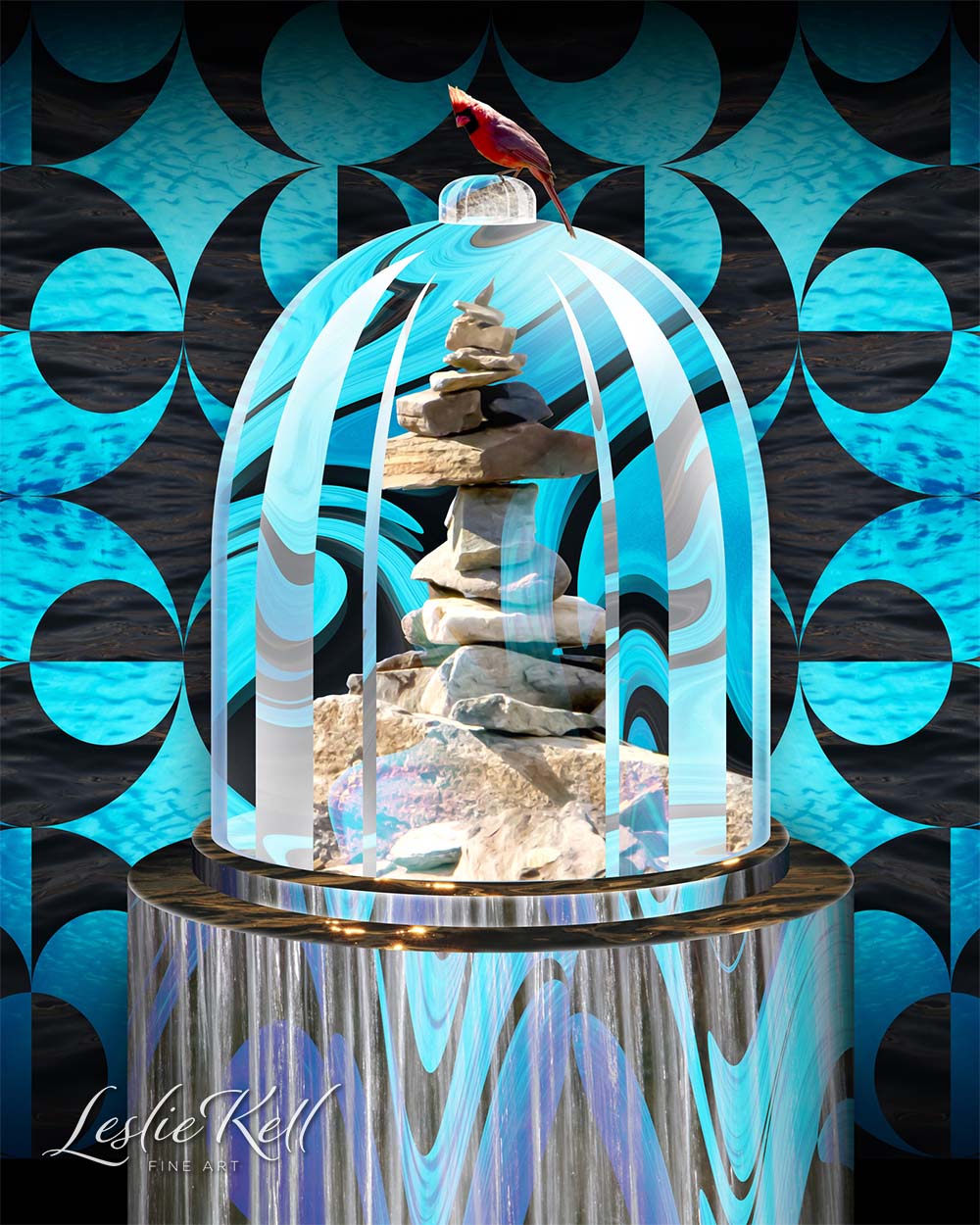
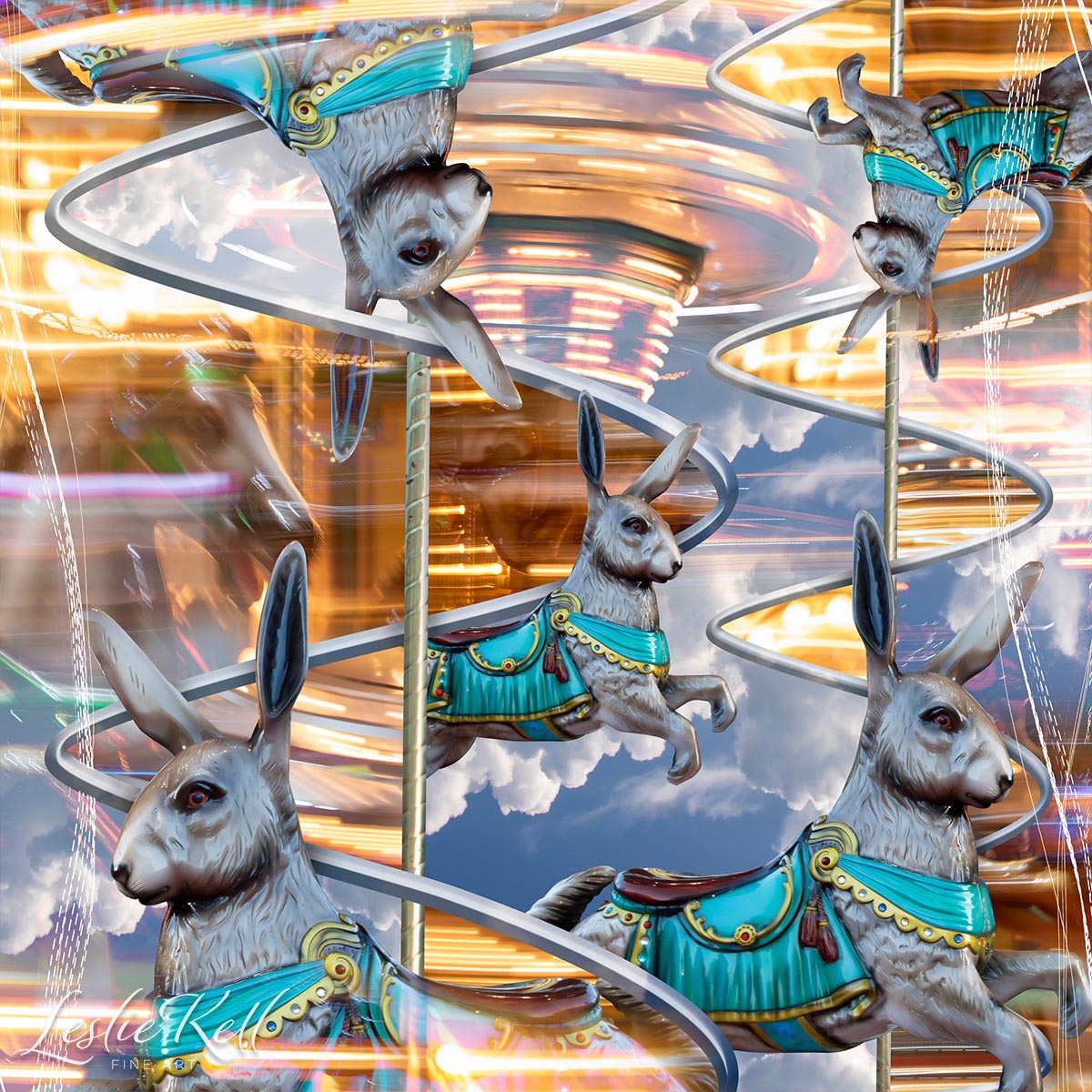
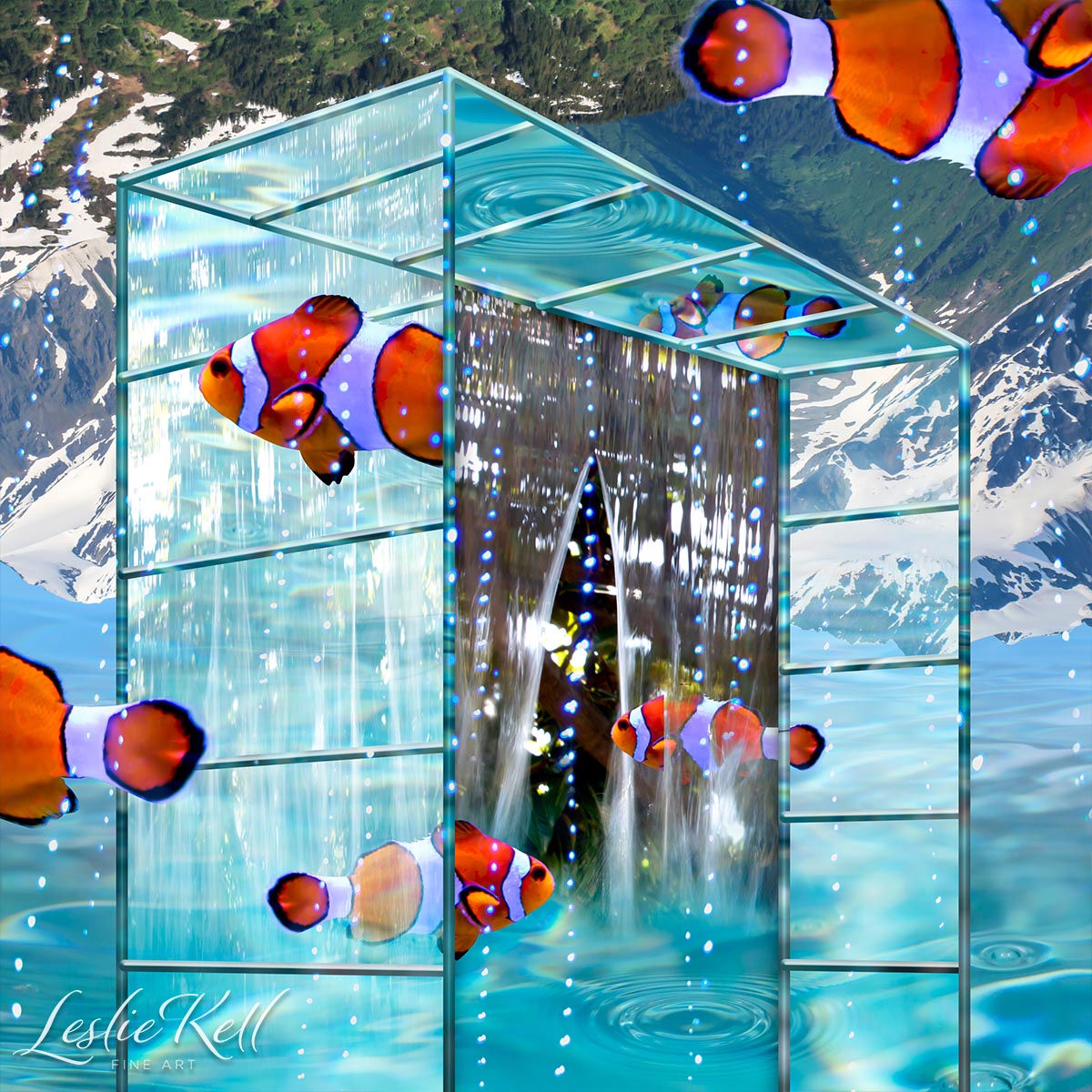
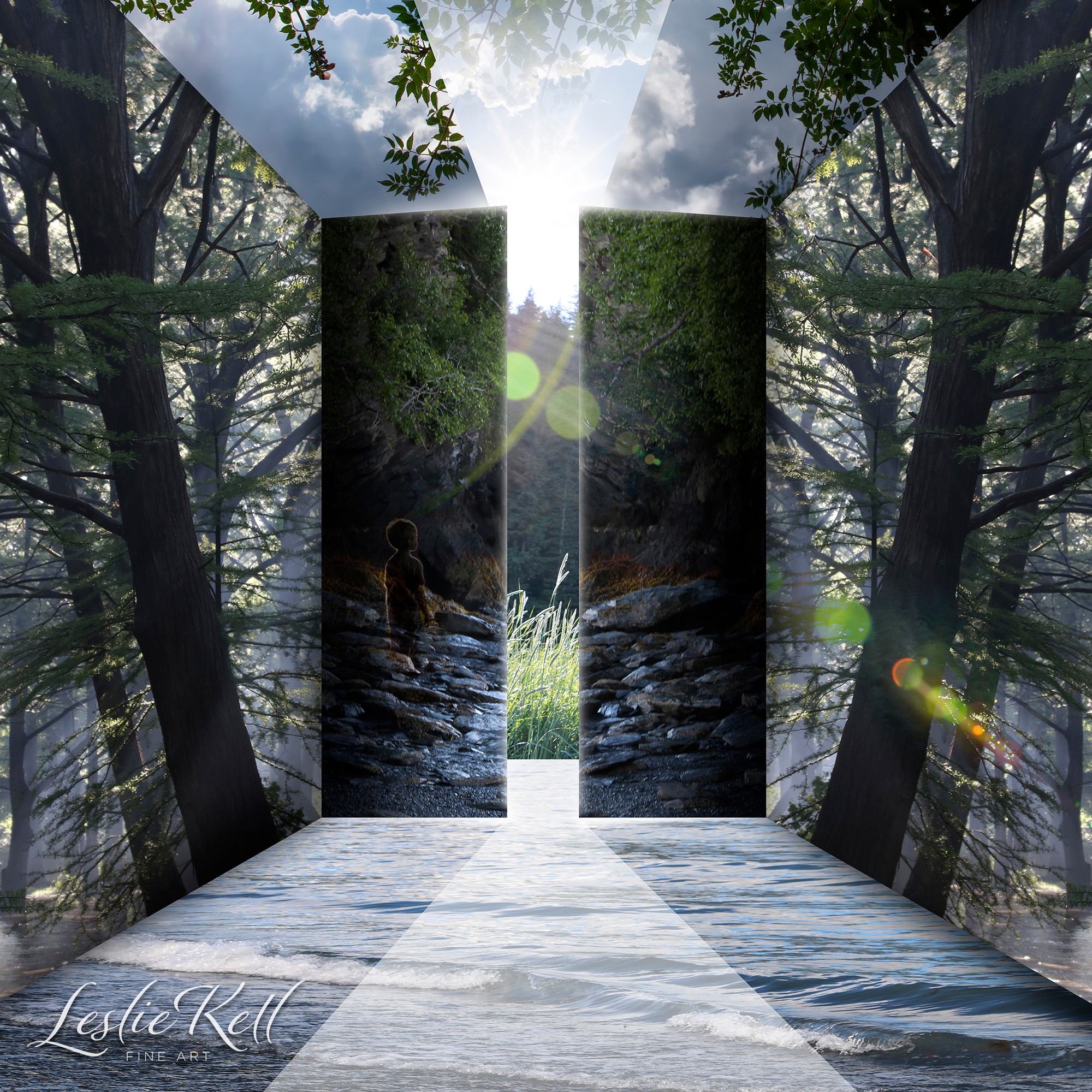
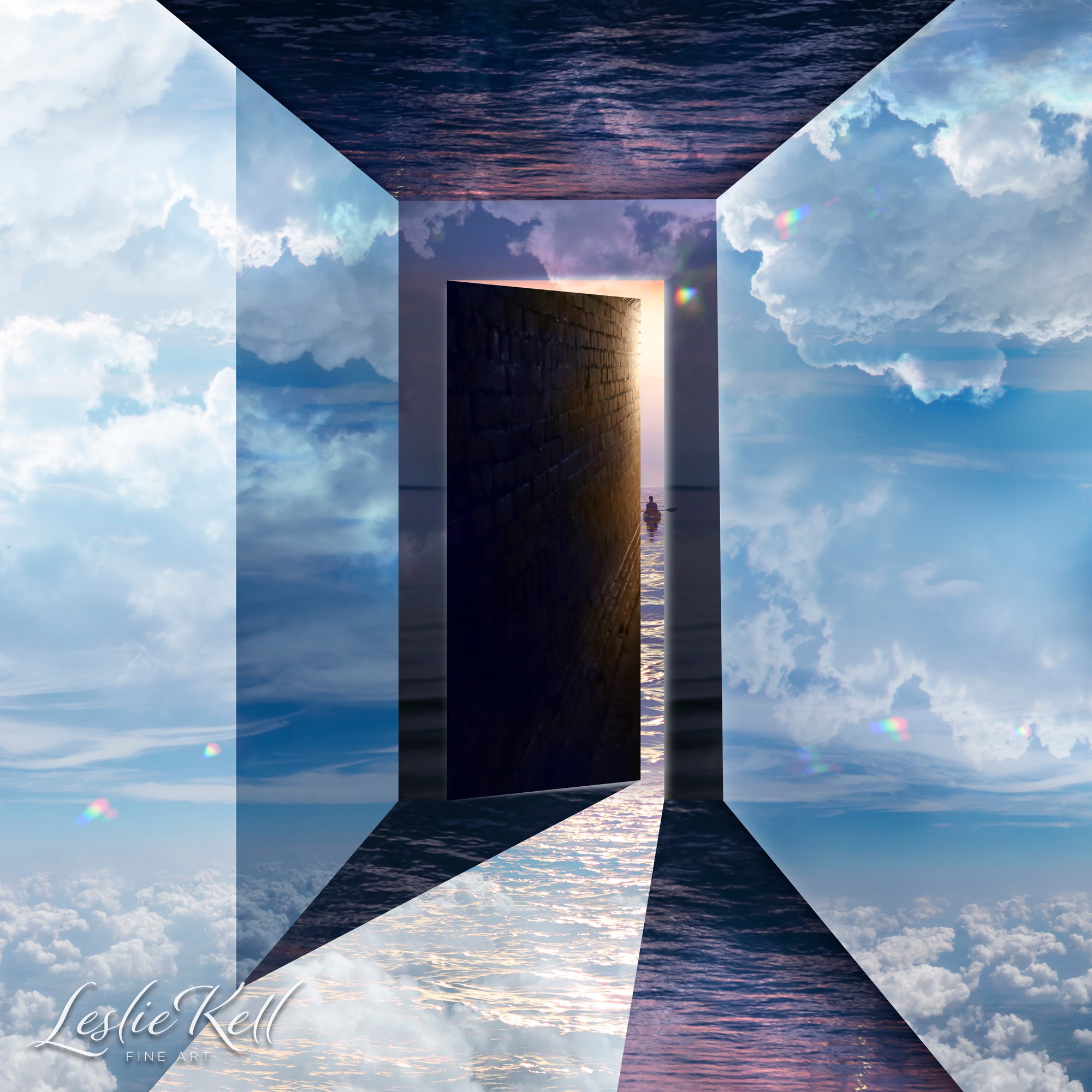
For most of my career, I’ve been exploring ways to bring photography, illustration, and design together into a single visual language. Around 2008, I began developing the process I still use today, layering my own photographs with design elements to create immersive, image-based worlds that feel both familiar and unexpected.
I’ve also spent many years volunteering with arts organizations and supporting the creative community that has supported me. Today, I maintain a studio at Canopy in East Austin, where I continue to develop new work and connect with fellow artists. It’s a place that constantly reminds me that art is both a personal practice and a shared experience.
We all face challenges, but looking back would you describe it as a relatively smooth road?
The road definitely hasn’t been smooth.
One of the earliest challenges was simply working in a medium that many people didn’t fully understand. Digital art occupied a strange space for a long time. It wasn’t always viewed with the same legitimacy as more traditional media, so there was often a need to explain the work before people could engage with it.
Ironically, the challenge today is almost the opposite. Digital tools are everywhere, and the technology evolves at a remarkable pace. As artificial intelligence becomes more prevalent, I’ve found myself talking more about process and authorship. My work is built from my own photographs and developed through a hands-on process that has evolved over many years. Nothing I do is automated, and the core of the work remains deeply personal and very human.
Looking back, those challenges have been valuable. They’ve forced me to examine why I make art, what I want it to communicate, and what parts of my practice are essential. That clarity has become one of my greatest strengths.
Appreciate you sharing that. What else should we know about what you do?
I create lens-based work that combines original photography, illustration, and design into layered visual environments. Much of the work explores perception, memory, wonder, and the spaces that exist between what is real and what is imagined.
My collections begin with an idea or an observation that sparks my imagination. I begin by developing the concept and creating the visual structure that will support it. From there, I incorporate my own photographs, layering them within illustration and design elements to create immersive images that couldn’t exist in a single frame. I’m less interested in documenting reality than in exploring its edges, creating spaces that encourage curiosity, reflection, and a sense of wonder.
The collections are often paired with an original piece of poetry that serves as a conceptual framework for the imagery. I enjoy the dialogue that develops between the written and visual elements.
Lately, I’ve been focused on a collection called Precious, which examines value, perception, and the ways we elevate ordinary objects through context and attention. I’m also excited about presenting work in illuminated light boxes. Light has always been one of the primary materials in my practice, and these pieces allow me to make that relationship more visible. In many ways, they bring viewers closer to the experience I have while creating the work.
What I’m most proud of is that the work feels authentic to my own voice. The imagery, the process, and the ideas have evolved slowly over time. They weren’t borrowed from trends or developed overnight. They’ve emerged through years of experimentation, curiosity, and persistence.
What does success mean to you?
Success happens in two places.
The first is in the studio. There’s a moment during the creative process when an image finally becomes what it was meant to be. It can take days or weeks to get there, and often I don’t fully understand what I’m searching for until I find it. When it finally clicks, there’s a sense of certainty that’s difficult to describe.
The second happens when the work leaves the studio and finds its audience. Some of the most meaningful feedback I’ve received has come from people describing an emotional response they weren’t expecting. I’ve had viewers tell me the work feels musical, or that it encouraged them to slow down and notice things differently.
Those moments remind me that art is ultimately about connection. If a piece creates a sense of wonder, curiosity, or recognition in someone else, I consider that a success.
Contact Info:
- Website: https://LeslieKell.com
- Instagram: https://www.instagram.com/lesliekell/
- Facebook: https://www.facebook.com/leslie.kell/
- Youtube: https://www.youtube.com/@KellCreative