


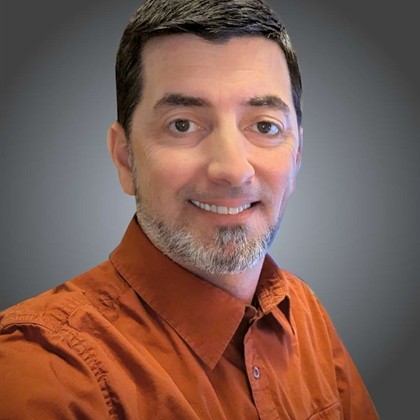
Today we’d like to introduce you to Michael Lambert.
Hi Michael, it’s an honor to have you on the platform. Thanks for taking the time to share your story with us – to start maybe you can share some of your backstory with our readers?
**From CAD Tech to Construction Tech Leader: My Journey in Surveying and Innovation**
My career began in the late 1990s, back when CAD was still gaining traction and GNSS hadn’t yet entered the conversation in the Surveying and AEC industries. I’ve always had a deep interest in technology and how things work, and I was fortunate to receive early training in computer-aided design and surveying—skills that would shape the rest of my career.
My first professional role was with a machine shop that manufactured high-purity stainless-steel fittings for the semiconductor industry. I worked as a CAD Technician, producing 3D models to drive CNC machinery. But when the tech bubble burst around 1999–2000, I knew I needed to pivot. That’s when I joined a local land surveying firm—and unknowingly stepped into the career path I was meant for.
I started as a CAD Tech drafting ALTA surveys and topographic maps but quickly became interested in the field side. I asked the RPLS if I could get hands-on experience, and soon I was splitting my days—half in the field, half in the office. That decision was one of the best I’ve made. It gave me the ability to connect both ends of the workflow, improving data collection in the field while streamlining the processing and modeling in the office. Within a year, I was leading a three-man crew as a Crew Chief—and right around that time, GNSS technology started to enter the picture.
After three years in land surveying, I was recruited by a **local general contractor** to help build out their survey, layout, and CAD department. That role expanded my view of construction—literally from the underground up. By embedding survey and CAD support directly into the workflow, we eliminated costly delays and helped projects move more efficiently. Eventually, I began leading the rollout of GNSS machine control, building 3D models for earthwork operations and configuring the machines that used them.
As the company’s needs grew, so did my responsibilities. I added IT to my role, earning a few Microsoft certifications and helping manage our growing tech infrastructure. I transitioned from doing the hands-on CAD work to mentoring and building a team. My title may have been Survey/CAD/IT/Machine Control Manager, but really, I was just doing whatever it took to make the system work better.
Around 2016, I began researching sUAS (drone) technology as a way to track materials, capture site conditions, and support estimating. That effort grew into full-scale site mapping operations. We were able to deliver accurate topographic surfaces, generate production reports, and close the loop from pre-con to closeout. I passed off the IT responsibilities, trained up a drone pilot, and built a system that shared valuable data across the organization. We were no longer just building—it felt like we were building smarter.
After more than 20 years with the company, it became clear I had reached a ceiling. I had delivered the systems and innovation they were willing to adopt, and I was ready for more. So my wife Amy and I launched our own geomatics services business. We did well, and I learned a lot. But just a few months in, Hensel Phelps reached out—and the opportunity to work on a national scale with one of the most respected names in construction was something I couldn’t pass up.
I’ve now been with Hensel Phelps for over two and a half years, serving as the Lead VDC Engineer on a \$700 million project in North Austin. I’ve helped manage full BIM coordination, led a team of VDC and BIM professionals, and now focus on deploying the full Trimble Ecosystem across our region. I act as the Trimble Subject Matter Expert for my area, and I’m excited to bring tools like FieldLink and SiteVision directly to the superintendents and field engineers who can benefit most from them.
What’s carried me through every transition has been a willingness to learn, a desire to solve problems, and a commitment to listening to where God is leading me. I’ve been blessed with opportunities and surrounded by people who trusted me to figure things out. My mission now is to stay at the edge of what’s possible and share that knowledge—whether through mentoring, forums, or partnerships with companies like Trimble. It’s incredible to see how far a CAD career can go when you’re open to growth and guided by purpose.
Can you talk to us a bit about the challenges and lessons you’ve learned along the way. Looking back would you say it’s been easy or smooth in retrospect?
Technology creates bumps in the road. Some good, some not so good. There’s always something that doesn’t work at first, but commitment and having the patience to implement it without disrupting the organization too much is totally worth it.
Appreciate you sharing that. What else should we know about what you do?
AS numbers-based and technical as my roles have always been I have always seen myself as a Technical Creative. I apply an art to what I do, a purpose to how I work, lead and mentor.
We love surprises, fun facts and unexpected stories. Is there something you can share that might surprise us?
As with most career related relationships, the majority don’t get to see the “fun” side, but the truth is that some of what I do for work is what I do for fun so there’s not a lot else to know. I share my faith and family events and try to be an open book to those around me. About the only thing non-tech that I do is golf and my peers all know about that!
Contact Info:
- Website: https://www.henselphelps.com
- LinkedIn: https://www.linkedin.com/in/michael-lambert-27692218
- Other: https://www.admgeomatics.com
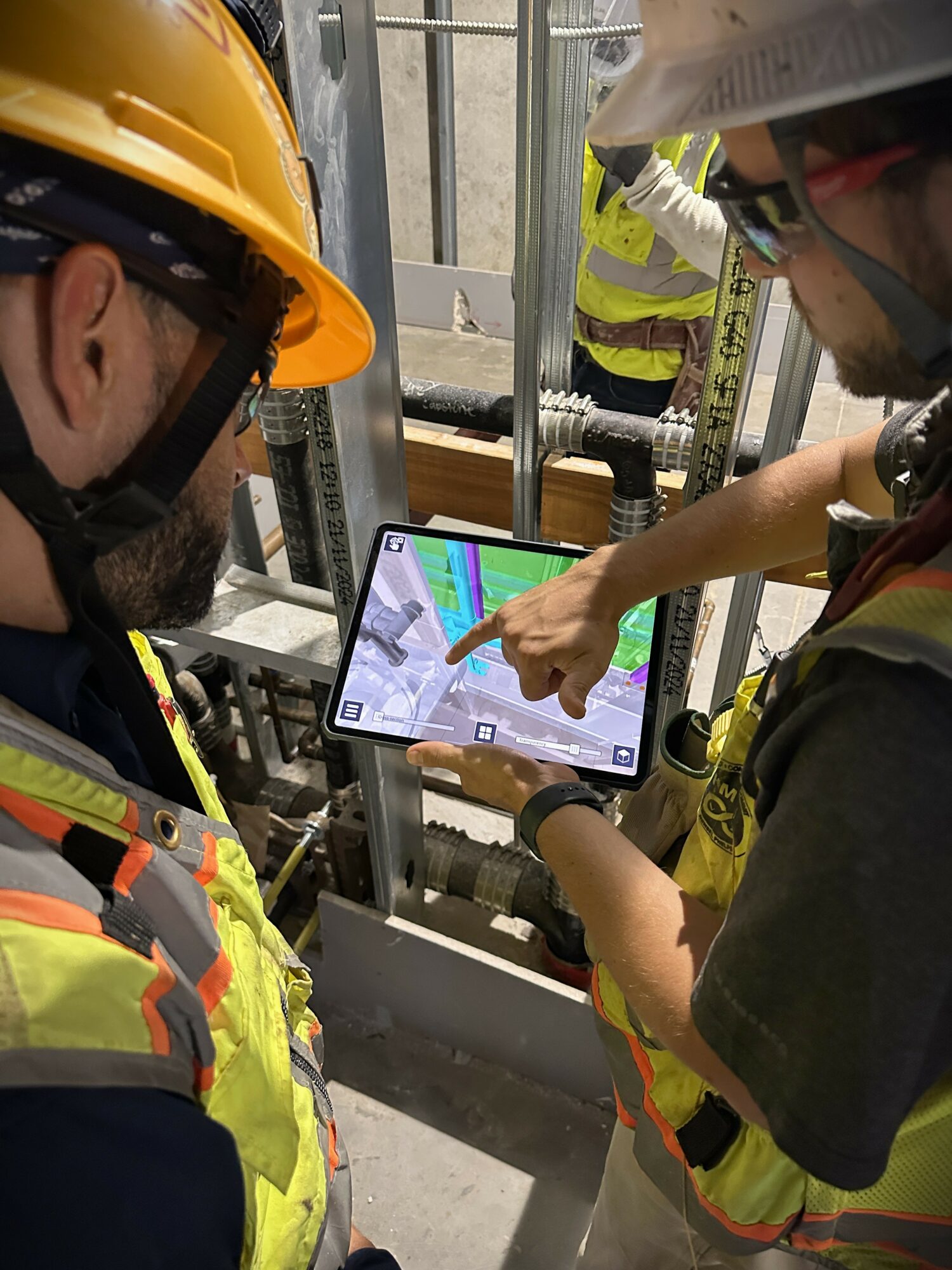
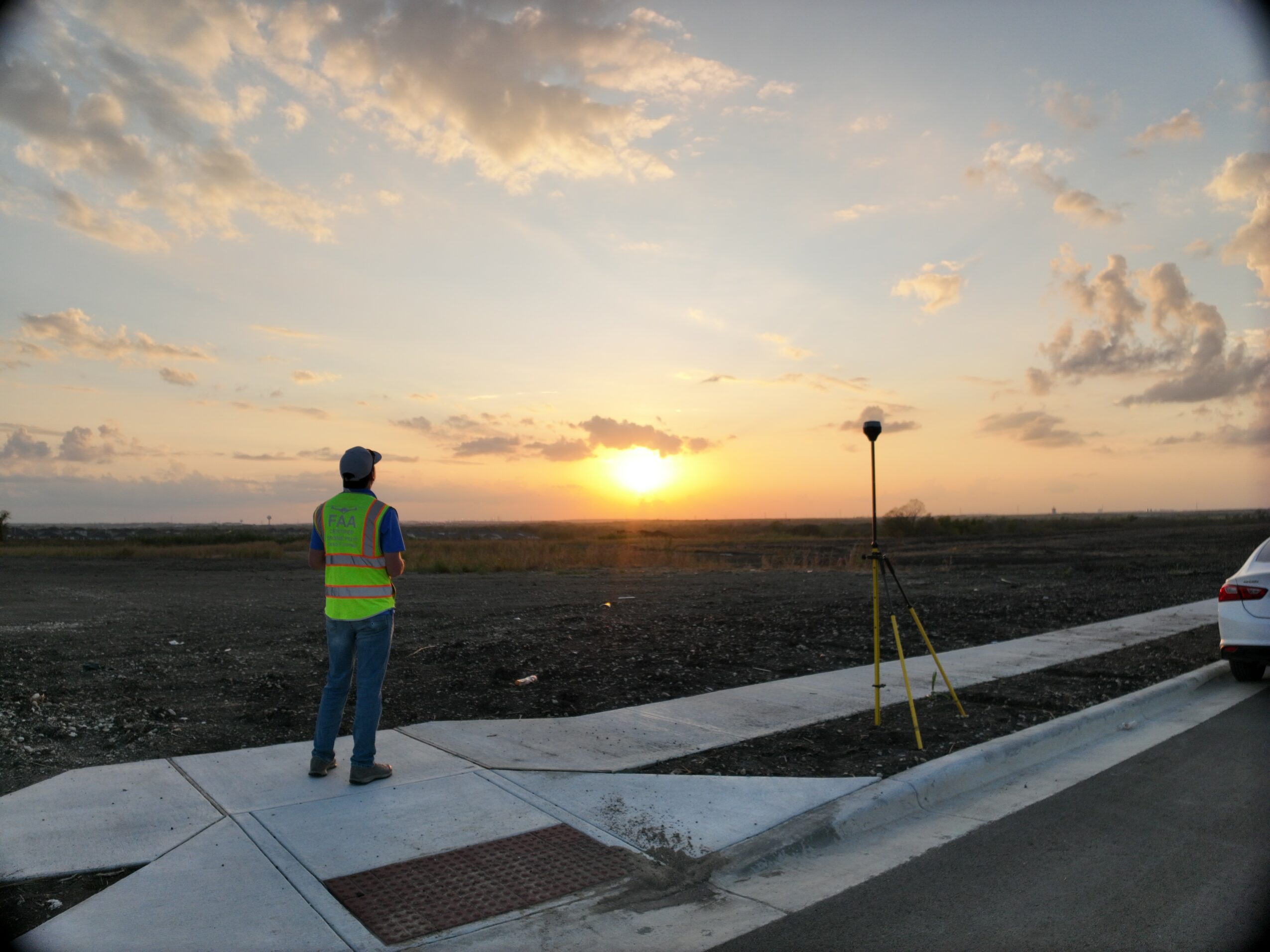
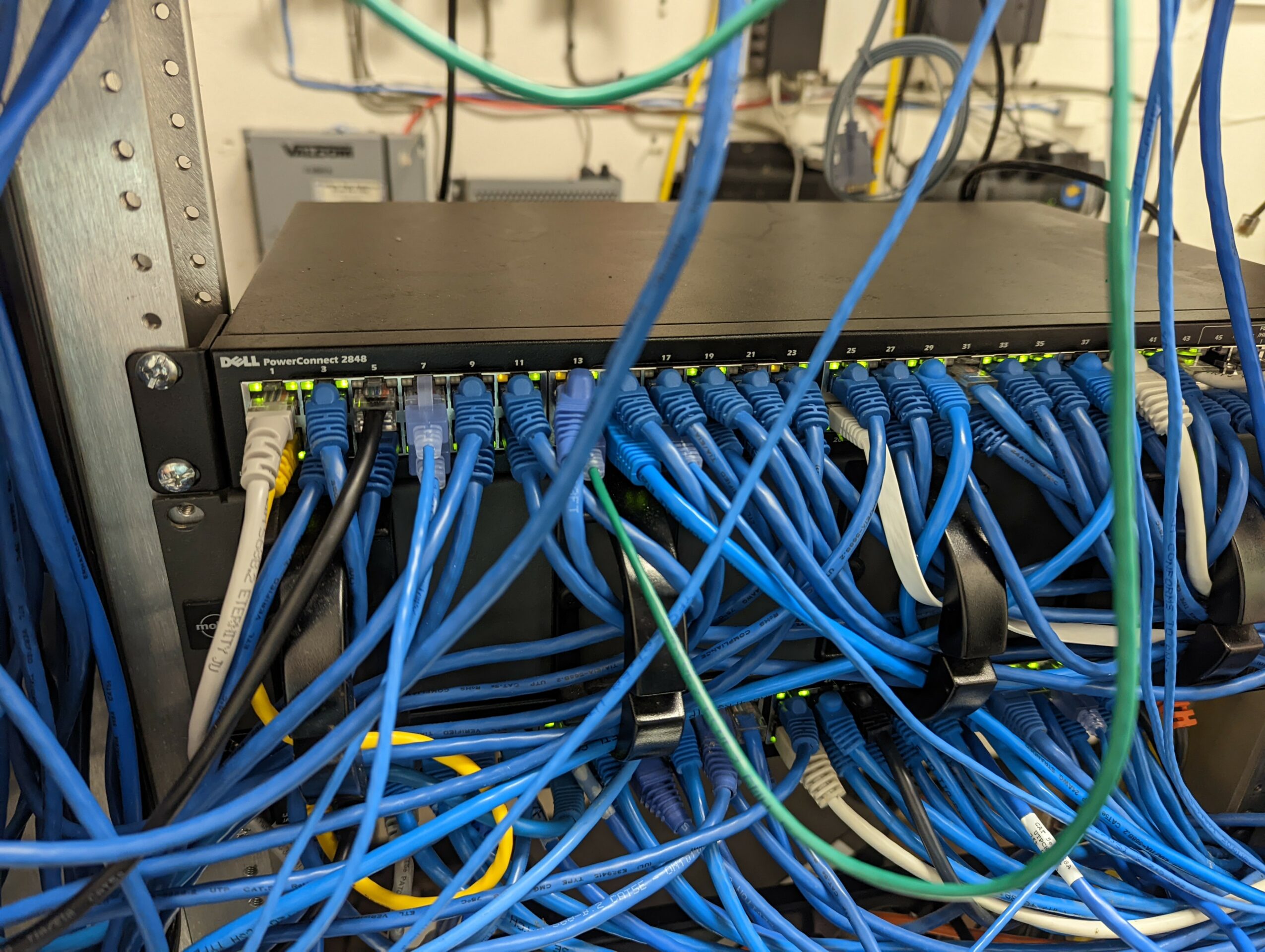
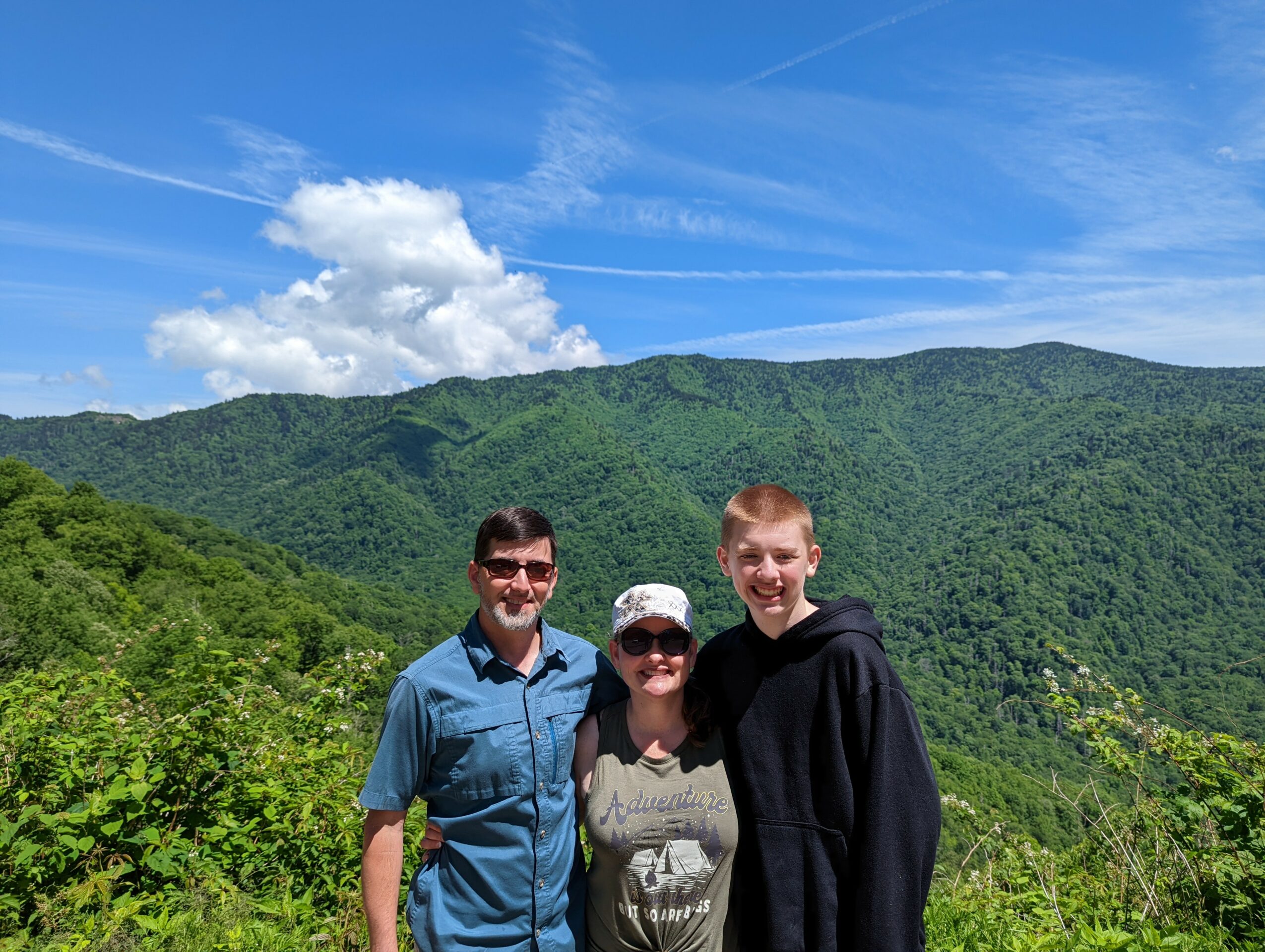
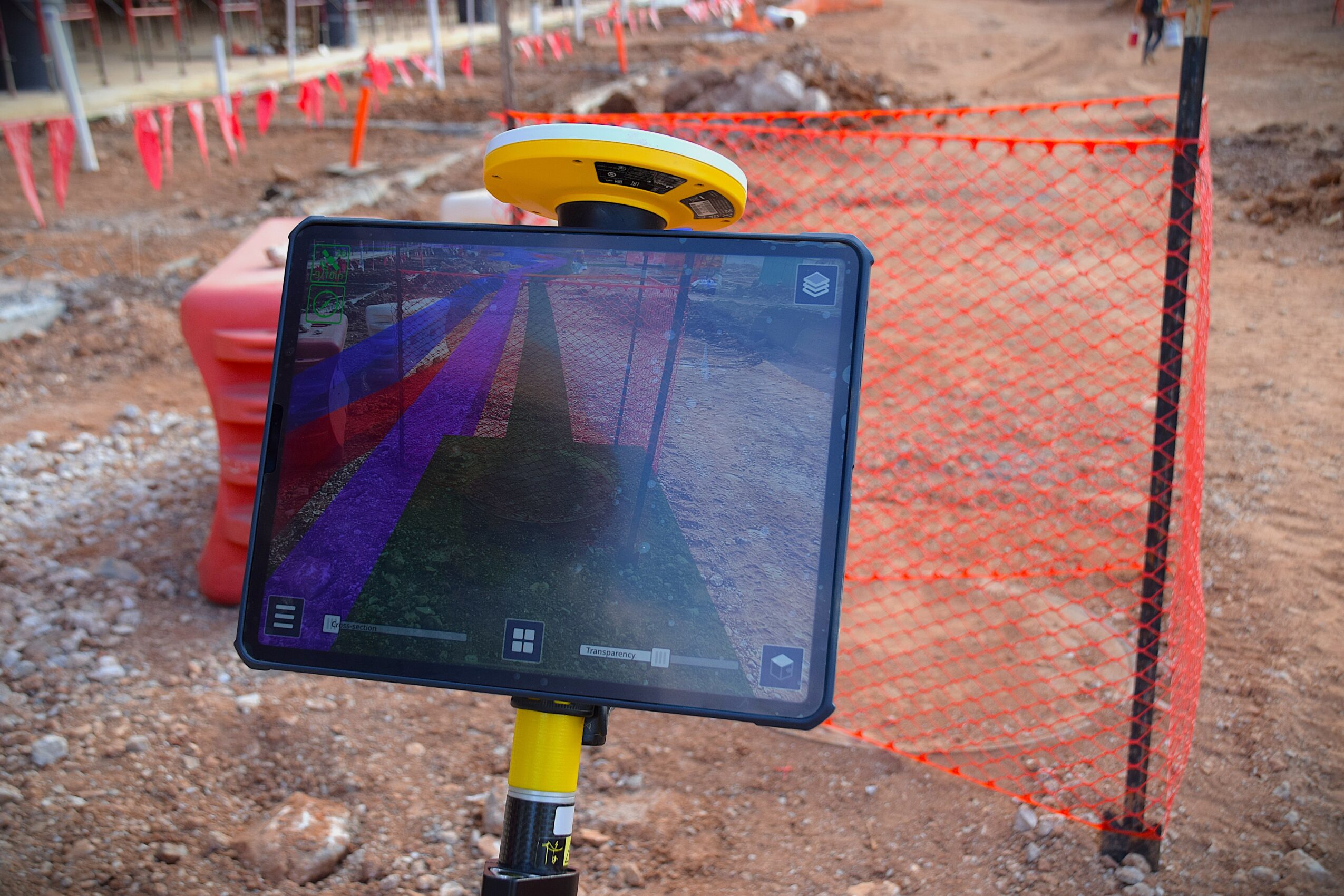
Image Credits
Michael Lambert