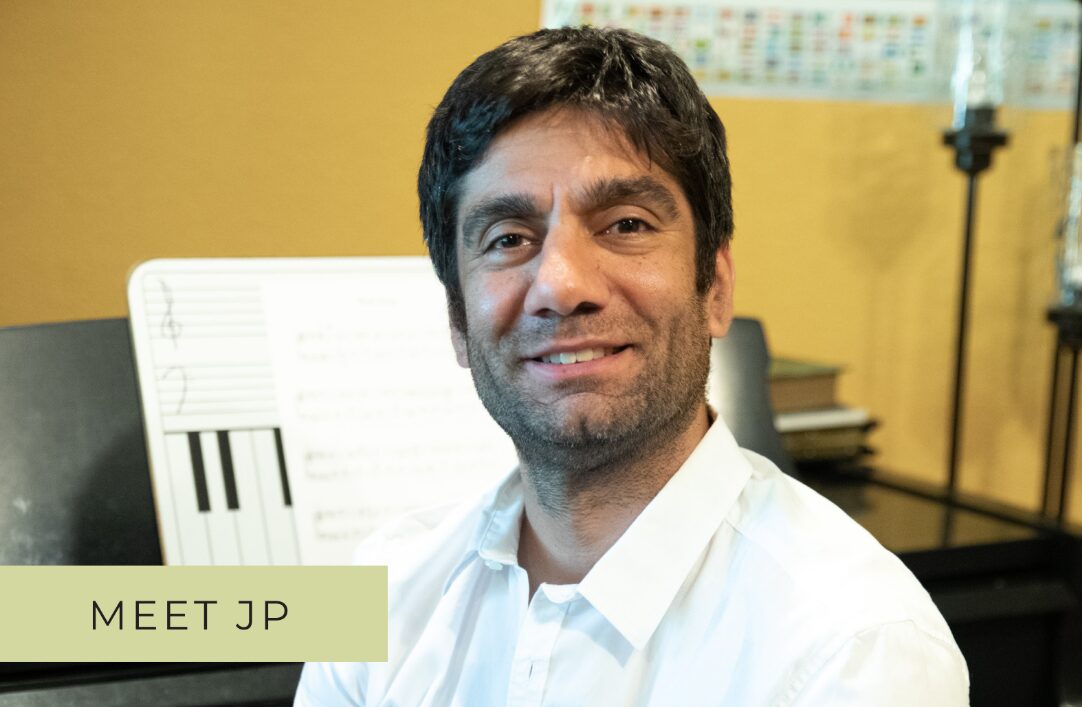




Today we’d like to introduce you to Shani Montique-Ahmad.
Hi Shani, we’d love for you to start by introducing yourself.
Franklin Music Academy really came out of necessity, purpose, and a desire for autonomy. We both realized pretty early on that we were not fulfilled working within systems where other people dictated how education should look, how creativity should function, or how we should spend most of our lives.
JP always had strong ideas about teaching and skill development. He saw firsthand that a lot of educational environments moved too slowly, lacked personalization, or were weighed down by unnecessary bureaucracy. Deep down, he knew he could build a stronger and more intentional program himself — one that focused not just on music, but on confidence, discipline, leadership, and long-term growth in children.
At the same time, we both wanted freedom. We wanted ownership over our time, our decisions, our lifestyle, and the direction of our future. We didn’t want to spend decades building someone else’s vision while suppressing our own ideas.
In the beginning, there really wasn’t a Plan B. It was make this work or go back to jobs and lifestyles that we already knew weren’t fulfilling for us. That pressure forced us to become resourceful very quickly. We started small, running everything ourselves as a husband-and-wife operation, teaching lessons, communicating with families, organizing recitals, cleaning, marketing — all of it.
One of the first moments we realized Franklin Music Academy was genuinely impacting people was after our very first recital. We watched shy students walk onto a stage terrified and leave with visible confidence. Parents were emotional watching their children do something they didn’t think they were capable of. After that recital, referrals started coming in naturally through existing families, and many of those early students stayed with us for over six or even ten years.
That’s when we realized we weren’t just teaching music lessons. We were helping shape people through music.
Even today, as the business grows, we still want Franklin Music Academy to feel grounded, personal, and intentional. We’re not trying to create a giant impersonal machine. We want families to feel human connection when they walk through our doors.
Alright, so let’s dig a little deeper into the story – has it been an easy path overall and if not, what were the challenges you’ve had to overcome?
One of the biggest challenges with building Franklin Music Academy was that there wasn’t really any safety net. We only had Plan A. It was either figure out how to make this business work or go back to working full-time for someone else in ways that we already knew weren’t fulfilling for us.
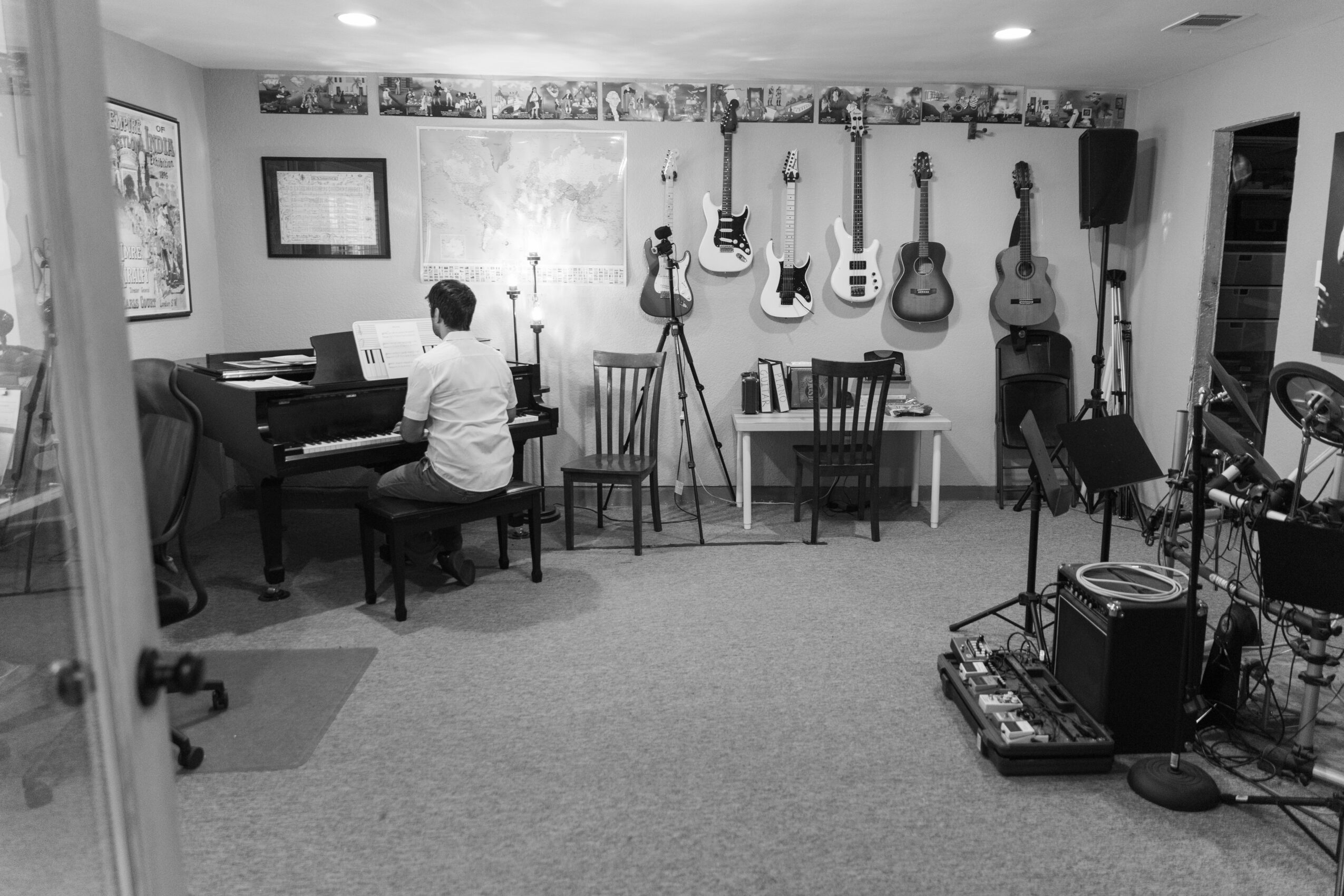
When you operate from necessity instead of excess resources, you become extremely resourceful. In the early years, we did everything ourselves. We taught lessons, communicated with families, handled scheduling, organized recitals, cleaned classrooms, marketed the business, and learned operations in real time. There were definitely moments where we questioned how sustainable it all was physically and mentally, especially operating the business out of our home.
I think people sometimes romanticize home-based businesses without realizing how important boundaries and structure are. If you’re not organized in both space and time, it can become overwhelming very quickly. We learned that creating dedicated spaces for work and personal life was critical, but also learning when to walk away and reset. Just because your office is inside your home doesn’t mean you’re available 24/7.
As a husband-and-wife business, we also learned very early on that overlapping responsibilities too much creates chaos. “Divide and conquer” became our philosophy. We both have different strengths, and respecting those roles helped us stay sane while growing the school.
As the business grew, another challenge became protecting the culture of the school while still improving and modernizing. There’s a lot of pressure in every industry right now to constantly scale, automate, and move everything online. During the pandemic we explored online lessons like many businesses did, but we realized pretty quickly that for many students, especially younger children, virtual learning could not fully replace in-person connection and hands-on instruction.
That experience actually reinforced what we value most: real human interaction, mentorship, leadership, and creating an environment where students feel seen and supported as individuals.
Can you tell our readers more about what you do and what you think sets you apart from others?
JP often says that when parents sign their child up for music lessons, they’re not working for the 7-year-old version of that child — they’re working for the 18-year-old version of them. That idea really shapes how we approach teaching. Music becomes the vehicle, but the bigger goal is helping students become capable and confident people over time.
At Franklin Music Academy, we’re not just teaching songs or preparing students for performances. We believe in the power of music to celebrate cultures, preserve history, and pass on tradition. Our aim is to develop amateur artists who feel inspired to play music for a lifetime.
Some of the most rewarding moments come years later when we see how deeply music becomes integrated into a student’s identity and confidence. One of our longtime students studied with us for over a decade and later “accidentally” enrolled in a classical guitar course in high school. Her teacher was surprised at how quickly she picked up the instrument because she already had a strong foundation in reading music, rhythm, discipline, and musical comprehension through piano study. She later went on to achieve the highest UIL score rating on a Class 1 piano piece and even chose to continue taking piano courses in college.
To us, that’s the real goal. Not perfection. Not pressure. Not turning every child into a professional performer. The goal is helping students build a skill set, confidence, and appreciation for music that stays with them for the rest of their lives.
In terms of your work and the industry, what are some of the changes you are expecting to see over the next five to ten years?
We think one of the biggest conversations happening right now around education and childhood development is the growing dependence on screens, automation, and digital learning. Technology, online education, and AI can absolutely be beneficial tools, and we’re not against modernization at all. In fact, some technological advancements have made learning more accessible and efficient in really positive ways.
At the same time, we think there has to be balance.
Human beings still learn best by physically doing things, interacting with people face-to-face, and developing real-world confidence through experience. Sitting in front of screens for hours cannot fully replace human connection, mentorship, creativity, or the emotional growth that happens when someone works through something difficult in person.
Children naturally gravitate toward whatever feels fun and stimulating in the moment, especially online, so we believe adults have an important responsibility to help create balanced environments where creativity, learning, discipline, and play can all coexist in healthy ways.
That’s one reason why music education still matters so much to us. Learning an instrument requires patience, focus, emotional regulation, listening skills, and delayed gratification — qualities that are becoming harder to cultivate in an increasingly fast-paced and overstimulated world.
As Franklin Music Academy grows, we hope the heart of the business always stays grounded and personal. Our systems and operations may modernize over time, but we never want our teaching or communication to feel robotic or impersonal. We want families to continue feeling like they are entering a space where people genuinely know them, care about them, and are invested in their child’s long-term growth as a human being — not just as a musician.
Contact Info:
- Website: https://franklinmusicacademy.com/
- Instagram: https://www.instagram.com/franklinmusicacademy/
- Facebook: https://www.facebook.com/FranklinMusicAcademy/#