


Today we’d like to introduce you to Brandon Toohey.
Hi Brandon, thanks for sharing your story with us. To start, maybe you can tell our readers some of your backstory.
My journey in martial arts began in Austin in the summer of 1996, when I started training in karate. A friend invited me to try a TaeKwonDo class in 1999, and after that first class, my parents, my brothers, and I all signed up. What began as an activity quickly became something our entire family shared.
As a teenager, I spent as much time at the school as I could. I trained several days a week, joined the demonstration team, and began assisting with beginner classes while I was still a color belt. I earned my black belt in 2001, started teaching professionally in 2002, and became a full-time instructor in 2004. Looking back, teaching was the turning point. I enjoyed competing, but helping someone gain confidence or accomplish something they once thought was impossible gave martial arts a much deeper purpose for me.
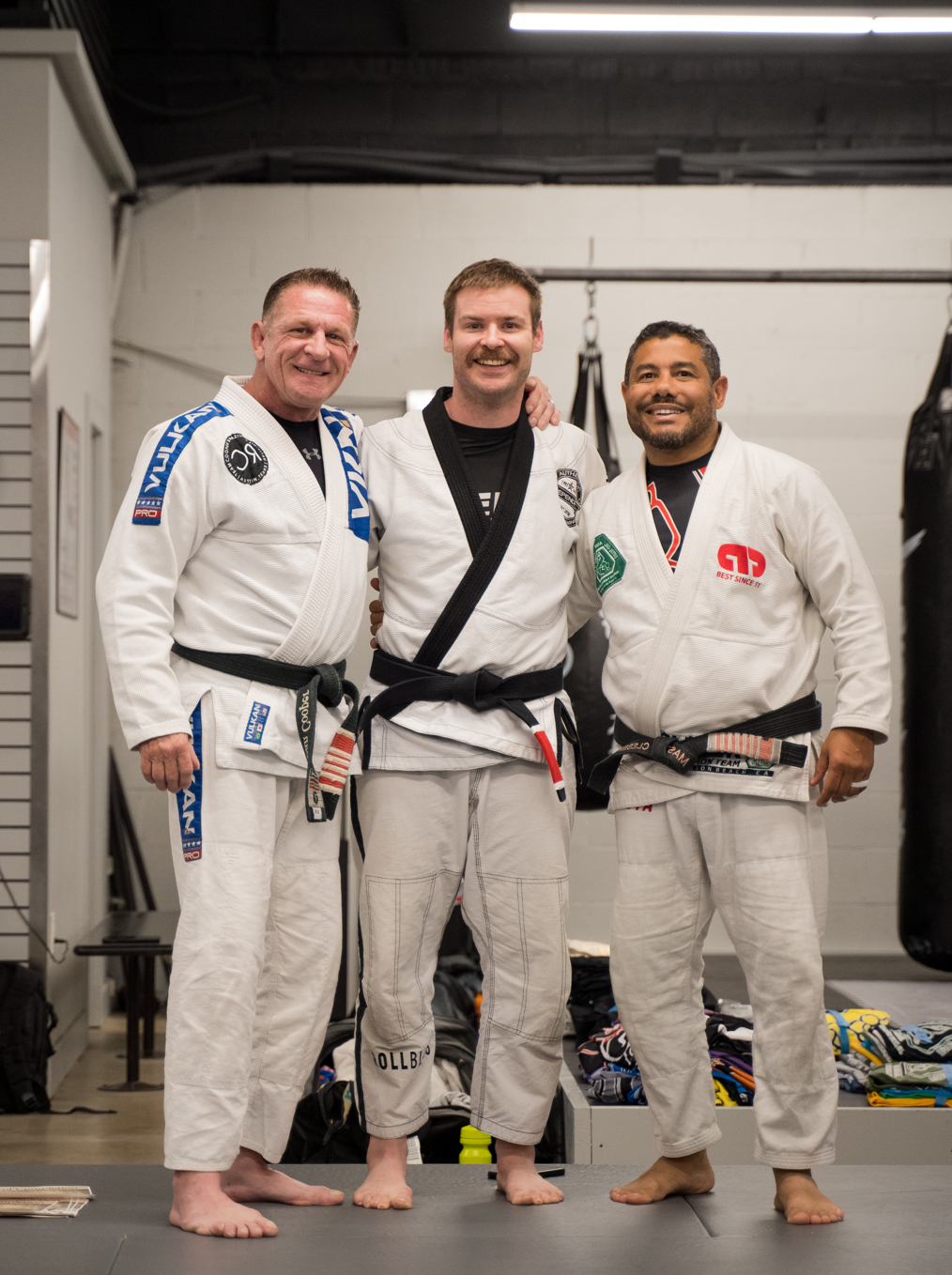
In 2011, my wife and I took the leap into school ownership when I purchased Round Rock TaeKwonDo from my instructor. Since then, the school has grown and evolved alongside our family and the community we serve. I earned the rank of Senior Master and Seventh-Degree Black Belt in 2022, and a Brazilian Jiu-Jitsu black belt in 2023. Continuing to train in different martial arts keeps me learning and reminds me what it feels like to be a student.
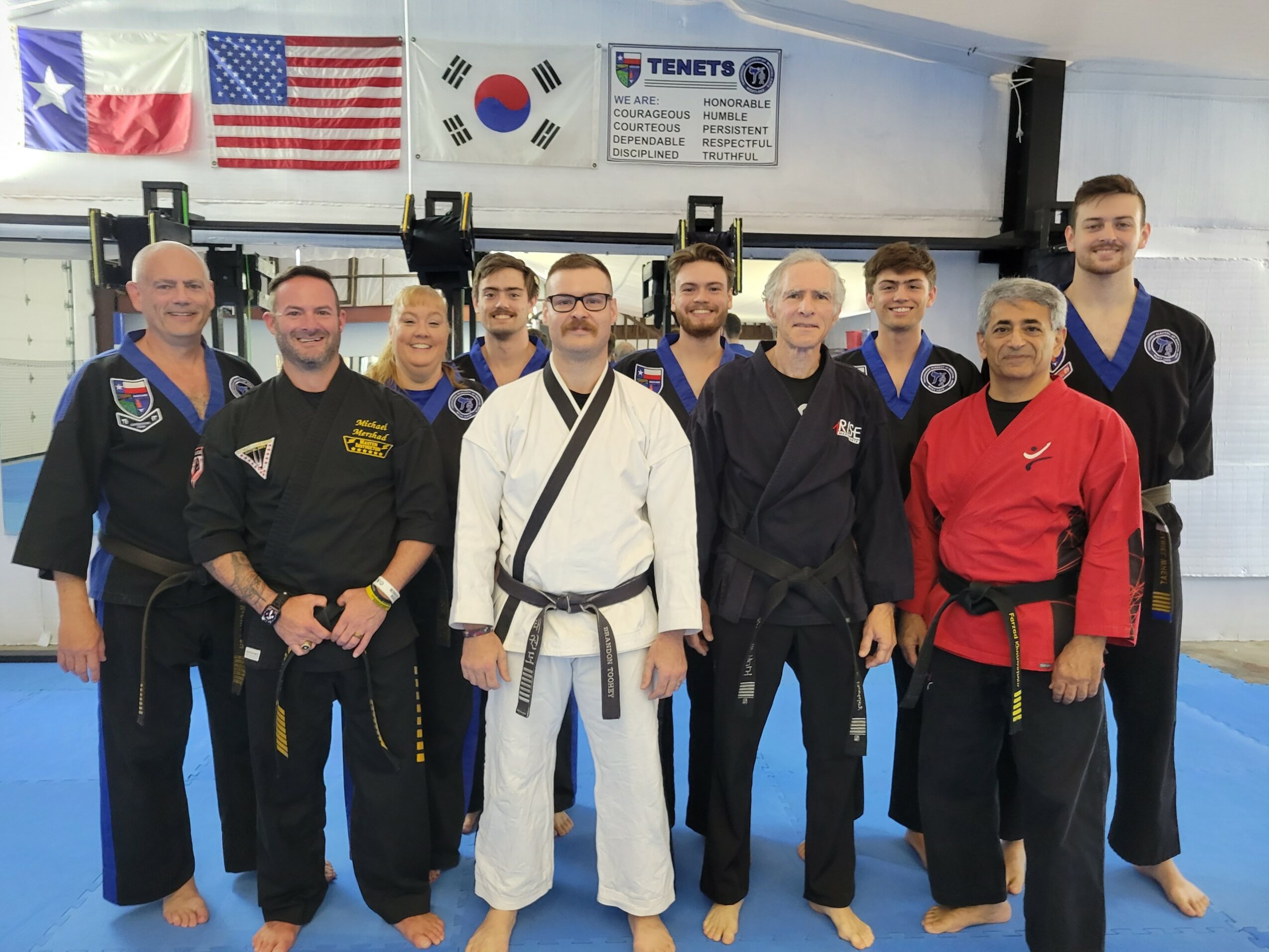
Today, I see my role as much bigger than teaching punches and kicks. My goal is to create an environment where children, teens, and adults can develop confidence, discipline, leadership, and a genuine sense of belonging. I also work with local schools, coach off-campus PE students, and help create opportunities for martial artists throughout the Austin area. The titles and milestones mean a great deal to me, but the most rewarding part is watching students grow into capable, confident people who positively influence those around them.
Would you say it’s been a smooth road, and if not what are some of the biggest challenges you’ve faced along the way?
It has definitely not been a completely smooth road. One of my biggest challenges was learning that being a good martial arts instructor and running a successful martial arts school require two very different skill sets.
When I became an owner in 2011, I felt comfortable on the mat. I knew how to teach, coach, and connect with students. What I had to learn was everything that happens outside of class such as managing finances, marketing, maintaining a facility, communicating with families, developing instructors, and making decisions that affect other people’s livelihoods. There was no belt-ranking system for business ownership, and many of those lessons came through trial and error.
For a long time, I also believed that being responsible meant handling everything myself. That may work for a while, but eventually it limits both the organization and the people around you. Learning to communicate expectations clearly, trust other instructors, and allow people to do things differently than I would has been an important part of my growth.
The emotional side can be difficult as well. When you care deeply about your students, every setback feels personal. Families move on, students quit before reaching their goals, plans fall short, and sometimes your best effort still does not produce the result you hoped for. I have had to learn how to listen to feedback and take responsibility without treating every disappointment as a verdict on my ability or the value of our work.
Those struggles have made me a more patient instructor and a more thoughtful leader. Martial arts teaches us that progress is rarely a straight line. You adjust, learn from what happened, and return to the work with a better understanding than you had before.
Alright, so let’s switch gears a bit and talk business. What should we know about your work?
I would say my real specialty is long-term student development. I help people build confidence and ability, then teach them how to use those qualities to lead and serve others.
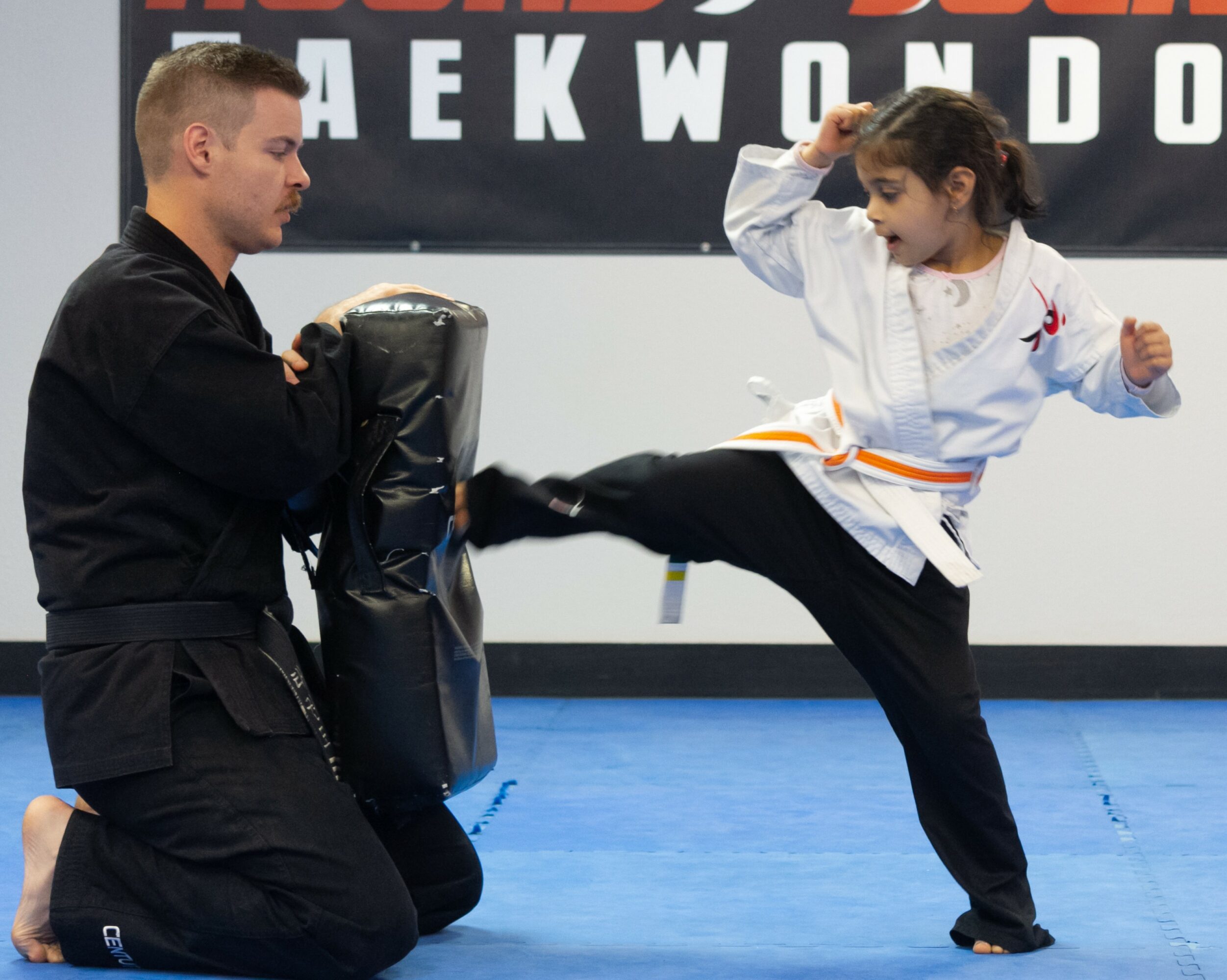
Some students begin with us when they are five or six years old, so I have the privilege of watching them grow up. I have seen a young child who was the smallest person in class step into sparring even though she was visibly afraid. Years later, that same student became a fourth-degree black belt and an instructor who gets down on the student’s level, explains patiently, and corrects them without making them feel small.
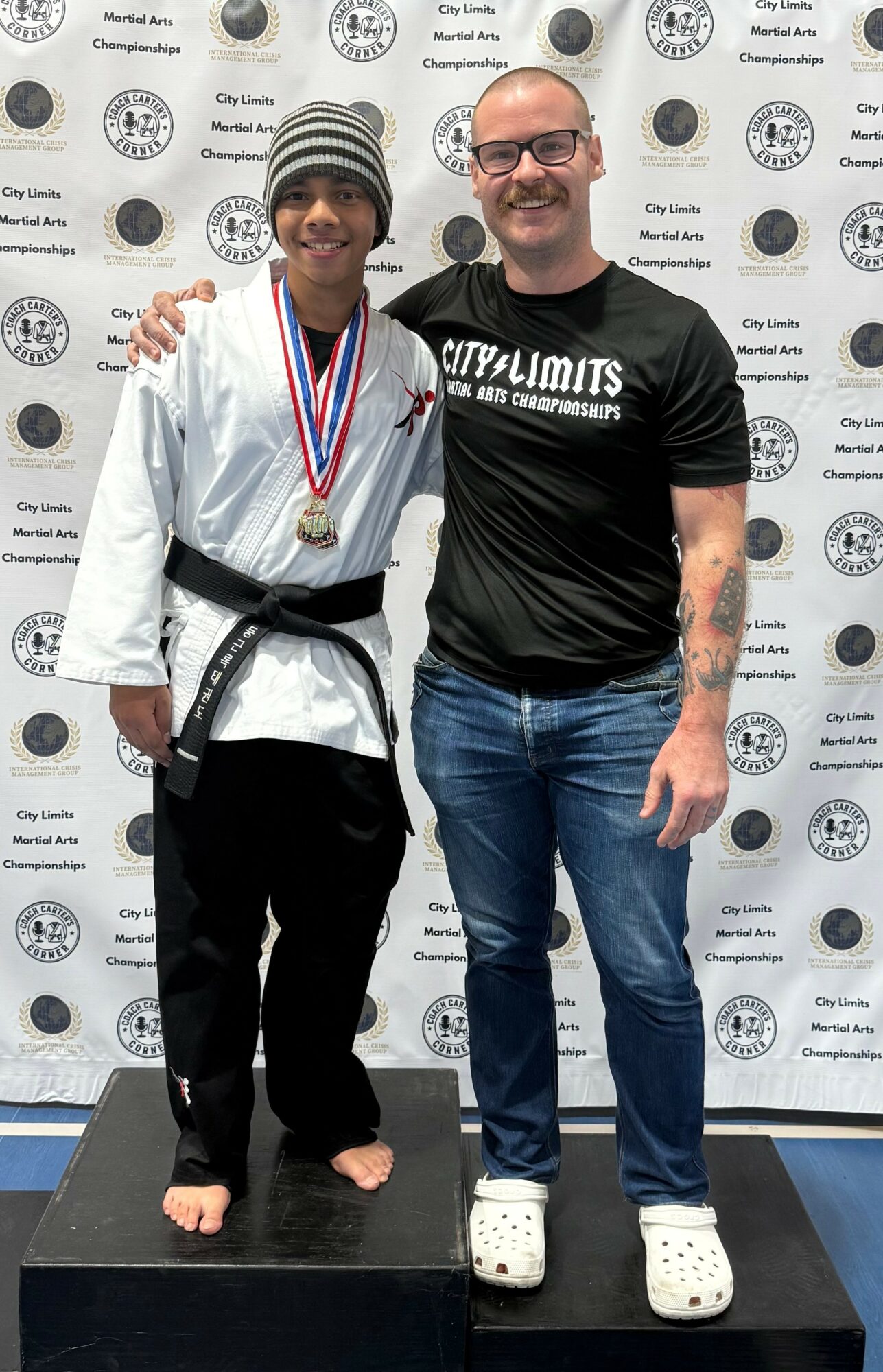
I have seen students continue coming to class for months while recovering from injuries, doing whatever they could safely do instead of walking away. They later faced a very difficult black belt test and refused to quit. In their first advanced tournament division, they lost an early match, fought their way back through the bracket, and won the division.
Those are the moments I am most proud of. Belts and medals are meaningful, but they are not the final goal. I am proud when students become dependable people.
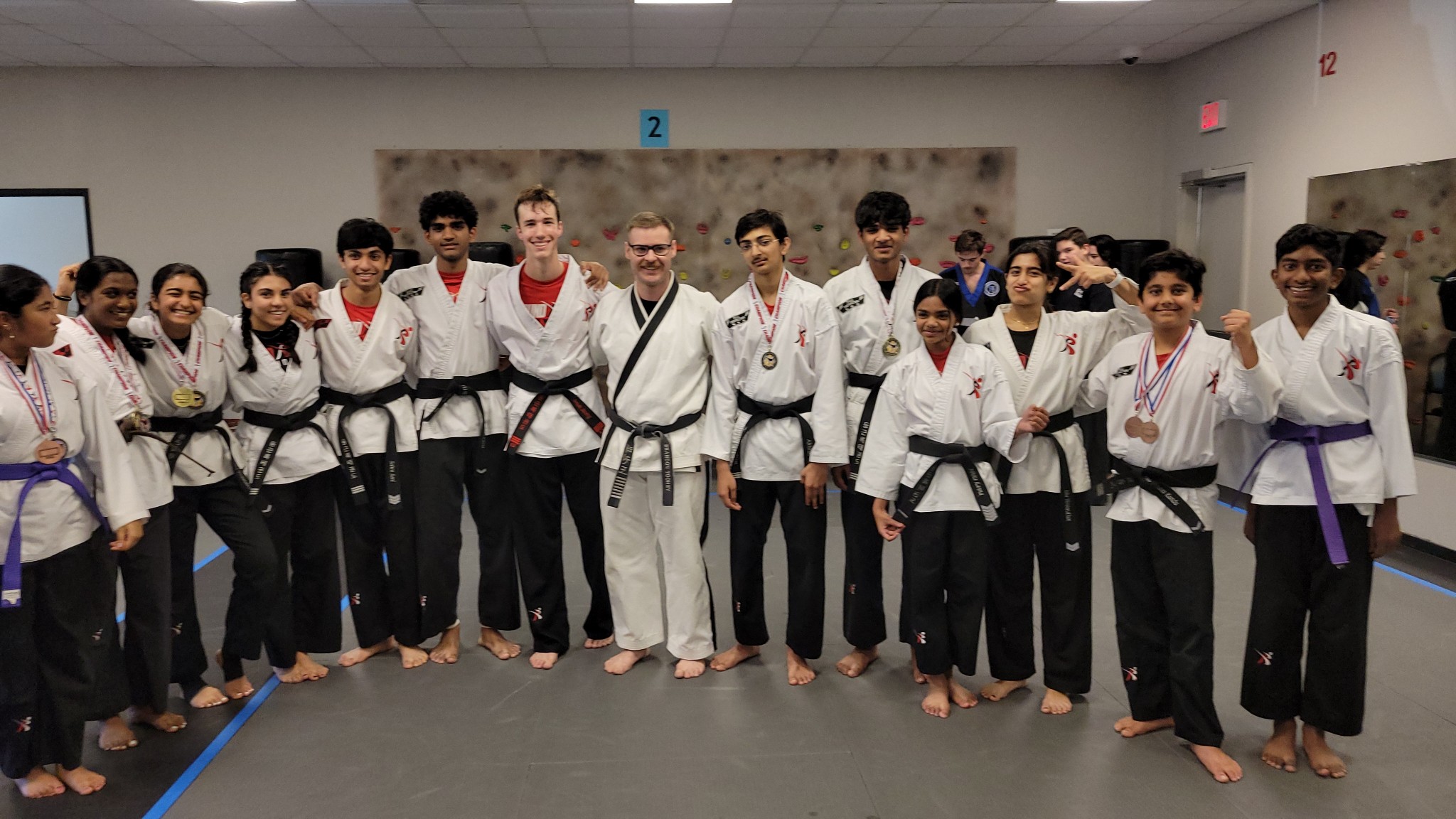
What sets us apart is that leadership is not just something we talk about. Our students are trusted with real responsibilities as they mature. They learn how to be compassionate without lowering expectations, how to remain calm when someone else is struggling, and how to lead through their own example.
I think we are known for combining high standards with a welcoming, family-oriented environment. We want students to be challenged, but we also want them to know they belong here. If someone leaves our school more confident, responsible, resilient, and prepared to positively influence the people around them, then we have done our job.
Where do you see things going in the next 5-10 years?
Over the next five to ten years, I think the martial arts industry will continue moving toward a more complete approach to student development. People will still want effective technique, self-defense, fitness, and competition, but families are increasingly looking for much more than that. They want positive mentors, healthy structure, confidence, social connection, and an activity that helps their children become more capable people.
Technology will play a larger role. Schools will use it for communication, scheduling, curriculum support, tournament management, and video feedback. Students now have instant access to techniques and instructors from around the world, which can be a great learning tool. At the same time, watching a video is not the same as having a coach who knows you, recognizes when you are struggling, and holds you accountable. With so much of life moving onto screens, I believe the in-person relationships and sense of belonging found in a good martial arts school will become even more valuable.
I also expect families to become more selective. The cost of youth activities continues to rise, so parents will want to know that their investment is producing something meaningful. Schools will need to demonstrate that they are safe, professionally run, inclusive, and genuinely invested in each student. Simply promoting belts, trophies, or flashy techniques will not be enough.
I believe we will also see more cross-training and cooperation between martial arts schools. Students are already more willing to learn from different styles, and instructors have access to more information than ever before. I see that as a positive change. We can preserve the traditions and identity of our individual arts while still being open to better training methods and different perspectives. I also hope schools create more shared tournaments, seminars, and training opportunities that bring martial artists together.
Contact Info:
- Website: https://roundrocktkd.com
- Instagram: https://www.instagram.com/shiggly/
- Yelp: https://www.yelp.com/biz/round-rock-taekwondo-round-rock