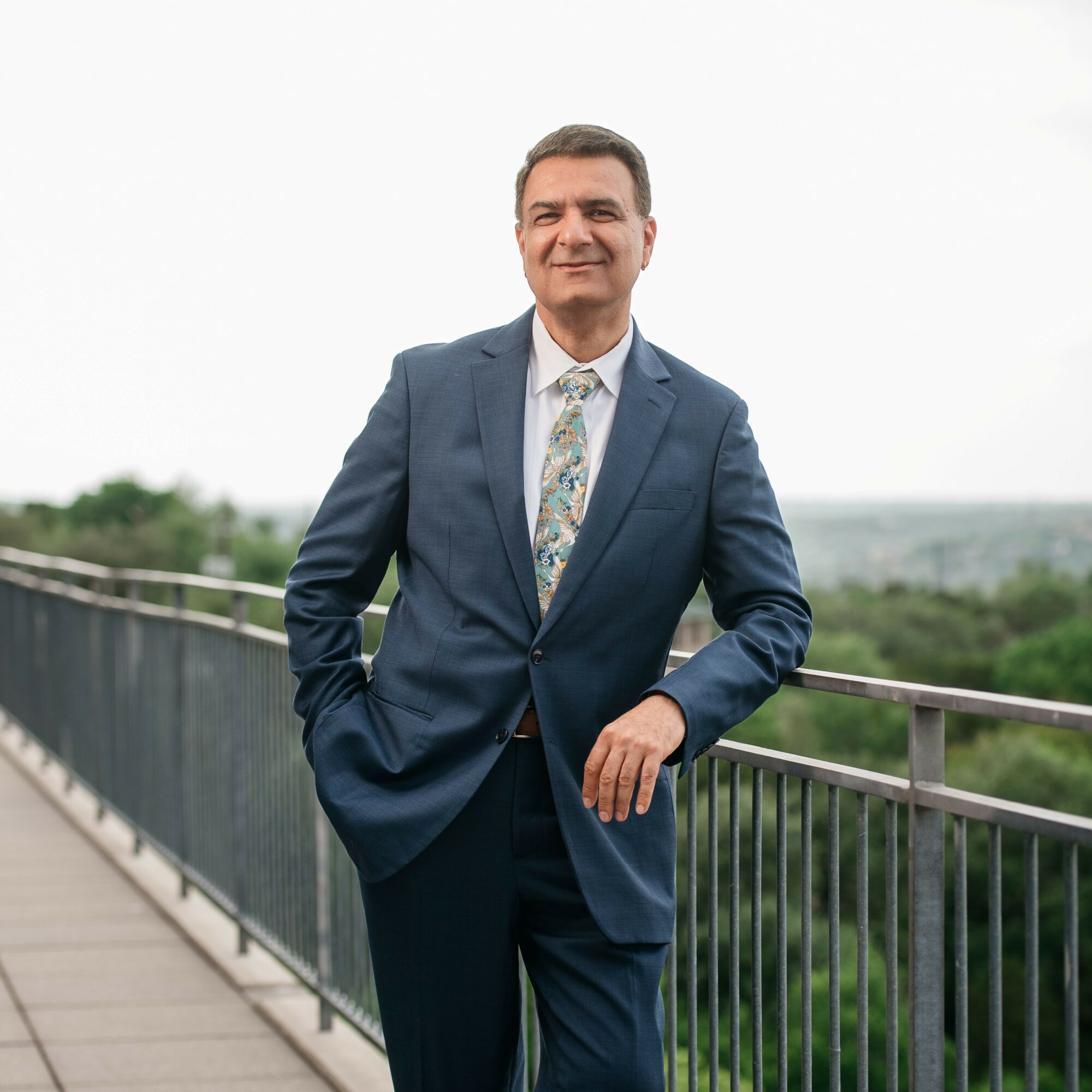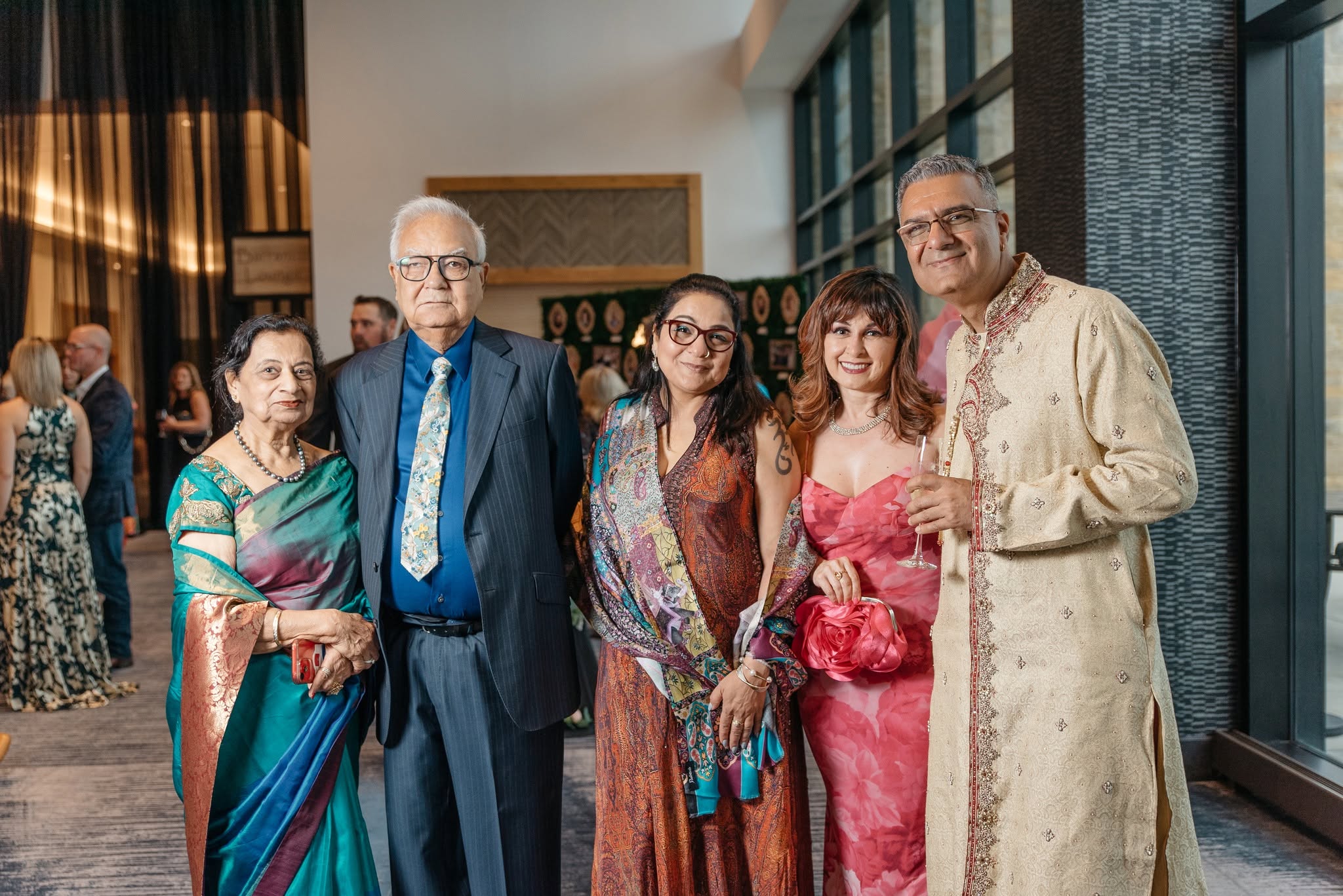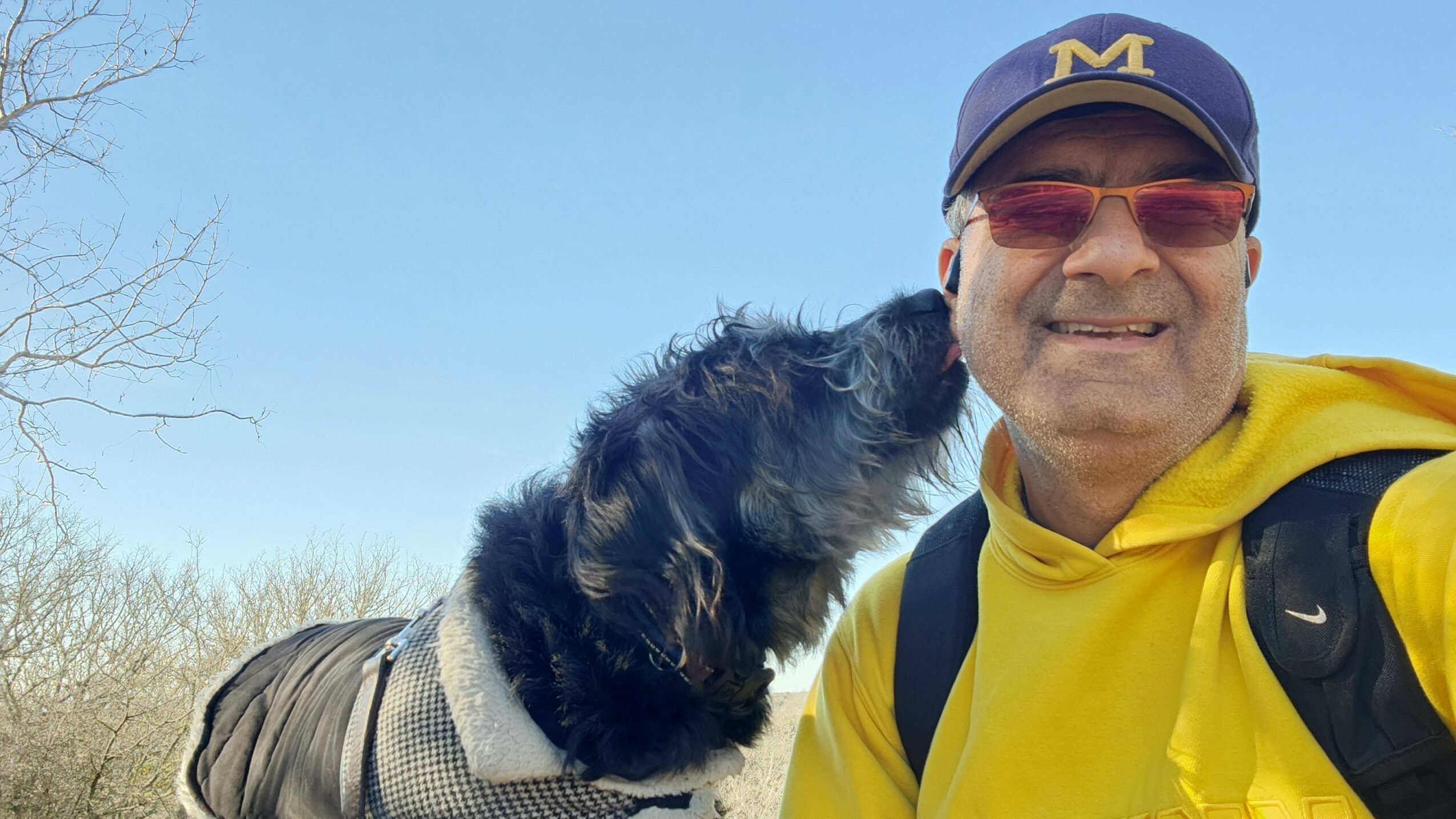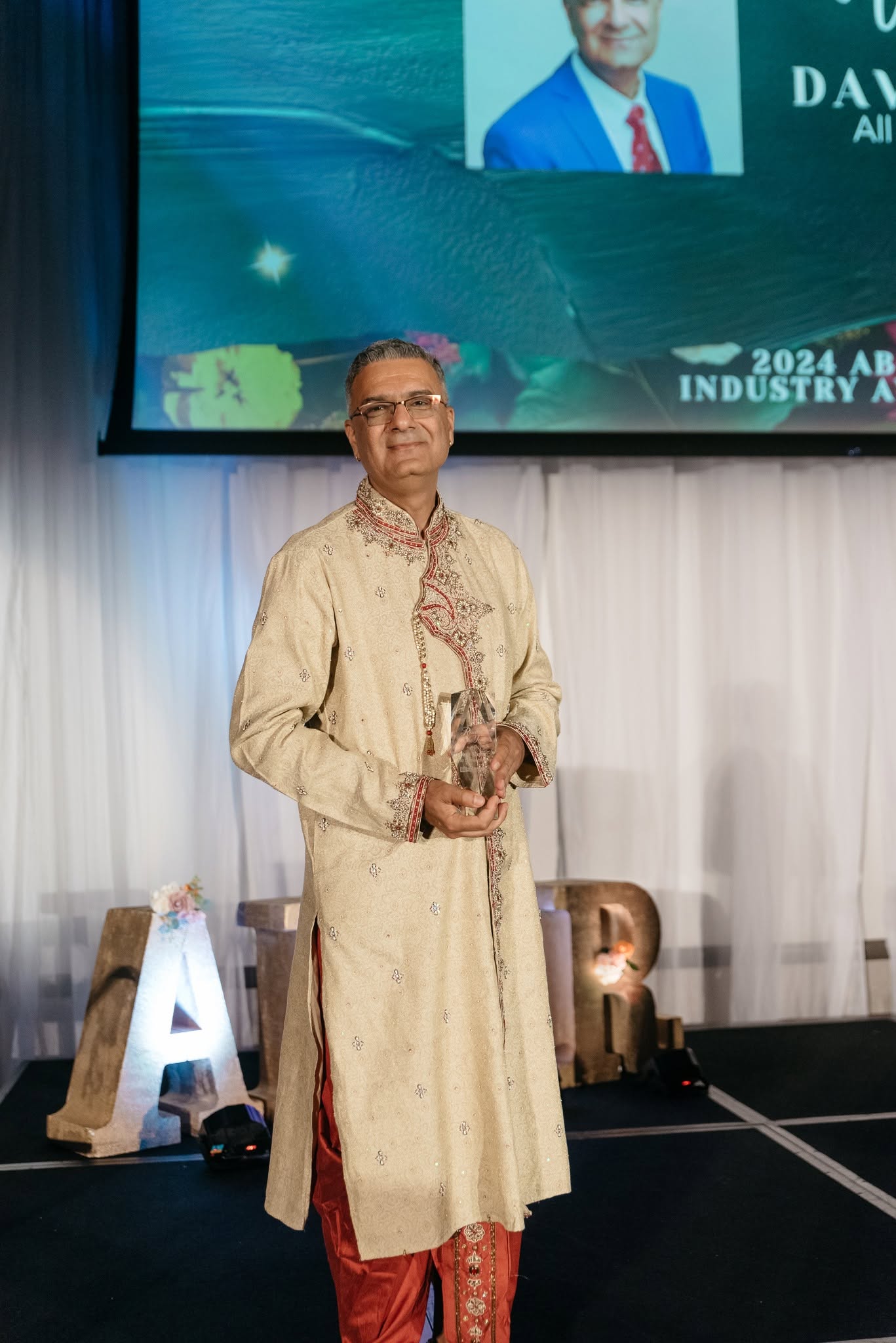



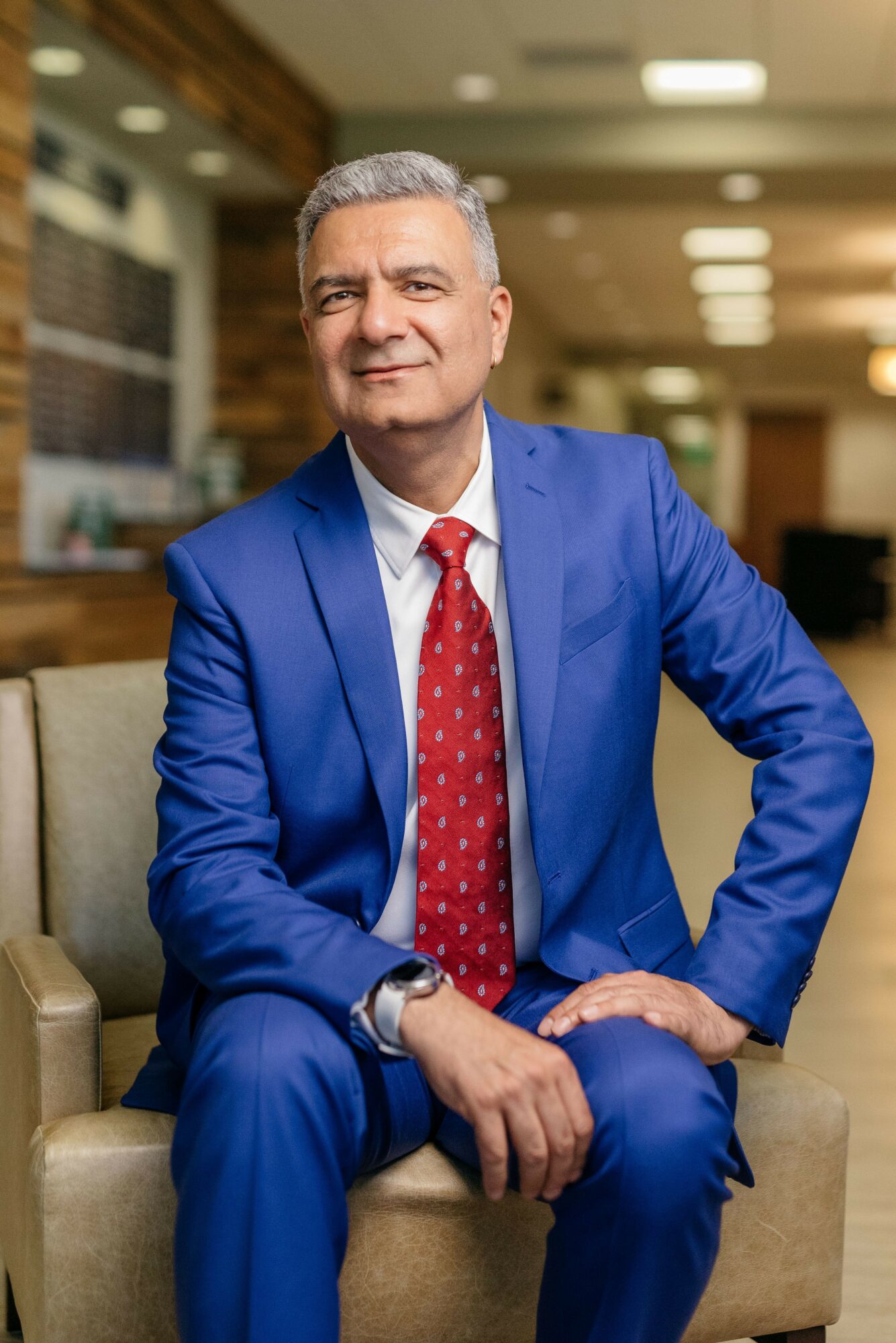
Today we’d like to introduce you to Dave Kapur.
Hi Dave, we’d love for you to start by introducing yourself.
Looking back, my path into real estate wasn’t something I planned from the beginning. It was shaped by a series of experiences, some intentional and some completely unexpected. I’ve come to believe that the things we struggle with—and the moments that force us outside our comfort zones—often influence our lives more profoundly than the plans we make.
I graduated with an engineering degree in 1996 and, somewhat ironically, was the only distinction holder in my graduating class without a job offer. I spent the next couple of years running my family’s corrugated-box manufacturing business while my father took a break from business to devote himself to social service. Watching him make that choice left a lasting impression on me and planted an early seed for the importance of giving back.
I also grew up hearing, often in good humor, that I had been “born with a silver spoon” and that whatever success I achieved was because of my father’s legacy. Given my speech impediment, those comments affected me more deeply than people probably realized. I wanted to create a path that was unequivocally my own. Academics had always been my strength, so education became my ticket to doing that.
I came to the United States and pursued a dual master’s degree in engineering at the University of Michigan at Ann Arbor on a research assistantship. After graduating, I joined management consulting firm ZS Associates, where I learned to approach problems by first understanding the person behind them—their needs, objectives, constraints and, importantly, their “must-not-haves.” That consultative approach continues to influence how I work with real estate clients today. People can often live without something they like, but living with something they absolutely cannot tolerate can become a much bigger burden.
I was subsequently recruited by Capital One and later pursued an MBA at the University of Virginia’s Darden School of Business. Darden was particularly meaningful because its rigorous case-study method placed a heavy emphasis on participation and discussion—an environment that could have been intimidating given my speech impediment.
During my admissions interview, I was asked how I would cope. I explained that my stammer becomes more pronounced under stress, particularly when something matters deeply to me, but that I had already participated in C-level meetings and knew I could contribute. I also told them that my presence could be a learning opportunity for my classmates. In life, we encounter people who communicate differently or have circumstances that require patience and empathy. Learning how to navigate those situations was a skill that could benefit everyone.
The admissions committee invited me to several receptions and informal interviews so they could see how I interacted outside the formal interview setting. I ultimately joined Darden, became a portfolio manager for one of the school’s investment funds and finished seventh nationally in the UBS Stock Challenge.
I initially envisioned a career on Wall Street, but once again my speech impediment became part of the equation. One interviewer told me they were confident in my capabilities but concerned that communication could be an issue in a client-facing role. Then the Great Recession hit in 2008. As an immigrant who required sponsorship, the already difficult job market became even more challenging. Fortunately, an opportunity arose at Capital One, allowing me to return to an organization where I had previously worked.
The 2008 crisis left a lasting impression on me. I saw firsthand how financial decisions—particularly those involving housing and debt—could profoundly affect people’s lives. It reinforced something I still believe today: financial decisions are rarely just about numbers. They are about people.
In 2015, I left Capital One and moved to Austin to pursue my own ventures. My sister was a major reason for the move; I wanted to be closer to her and spend time with my nephews while they were growing up. I initially planned to build my own real estate ventures, but those plans eventually stalled because of capital requirements and the complexity of navigating regulations that vary from state to state.
Yet that detour led me to discover what I felt was a gap in the real estate industry. Too often, agents seemed focused on showing properties and facilitating transactions rather than truly advising their clients. With my background in analytics, finance, investments, consulting and leadership, I believed I could bring something different.
I entered real estate in 2016 with the goal of being a trusted advisor rather than simply a showing agent. I wanted to bring together the analytical and emotional sides of real estate because I don’t believe they should work in opposition—they should inform each other.
Today, I work with everyone from first-time homebuyers to sophisticated investors, in both residential and commercial real estate. Residential real estate fulfills me emotionally because I’m helping people with their homes and their lives; commercial real estate stimulates me intellectually because of the analytical and strategic challenges.
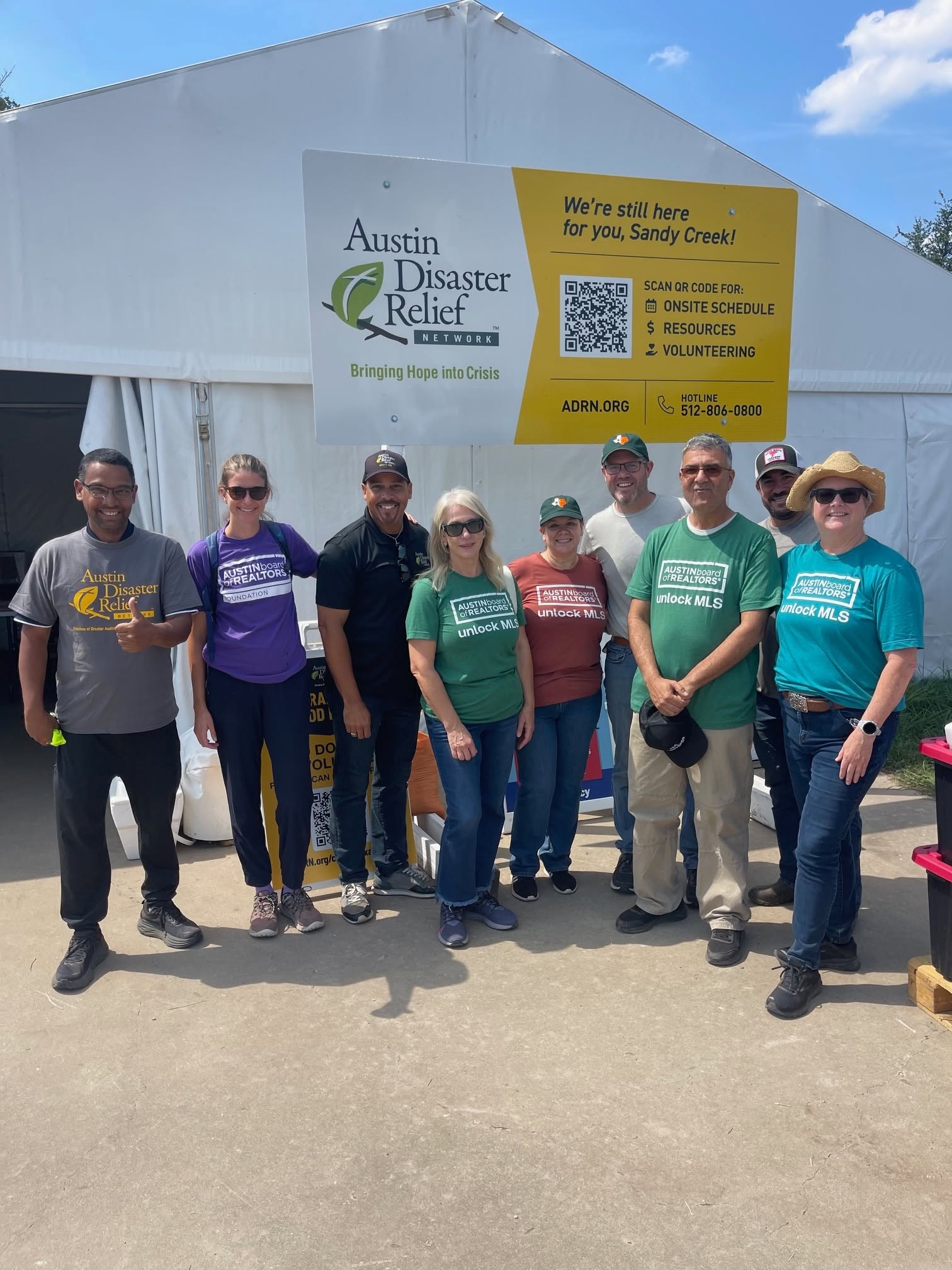
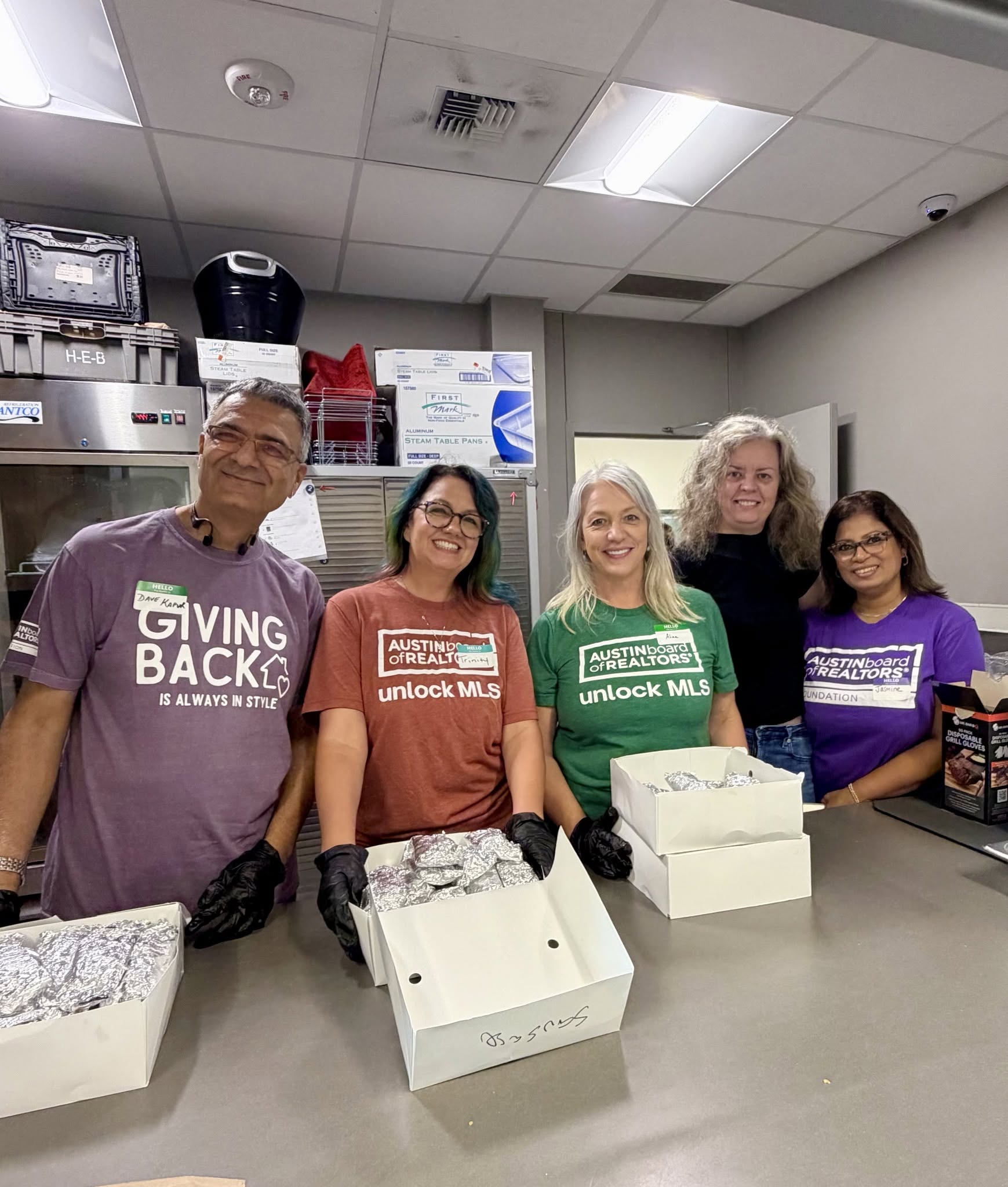
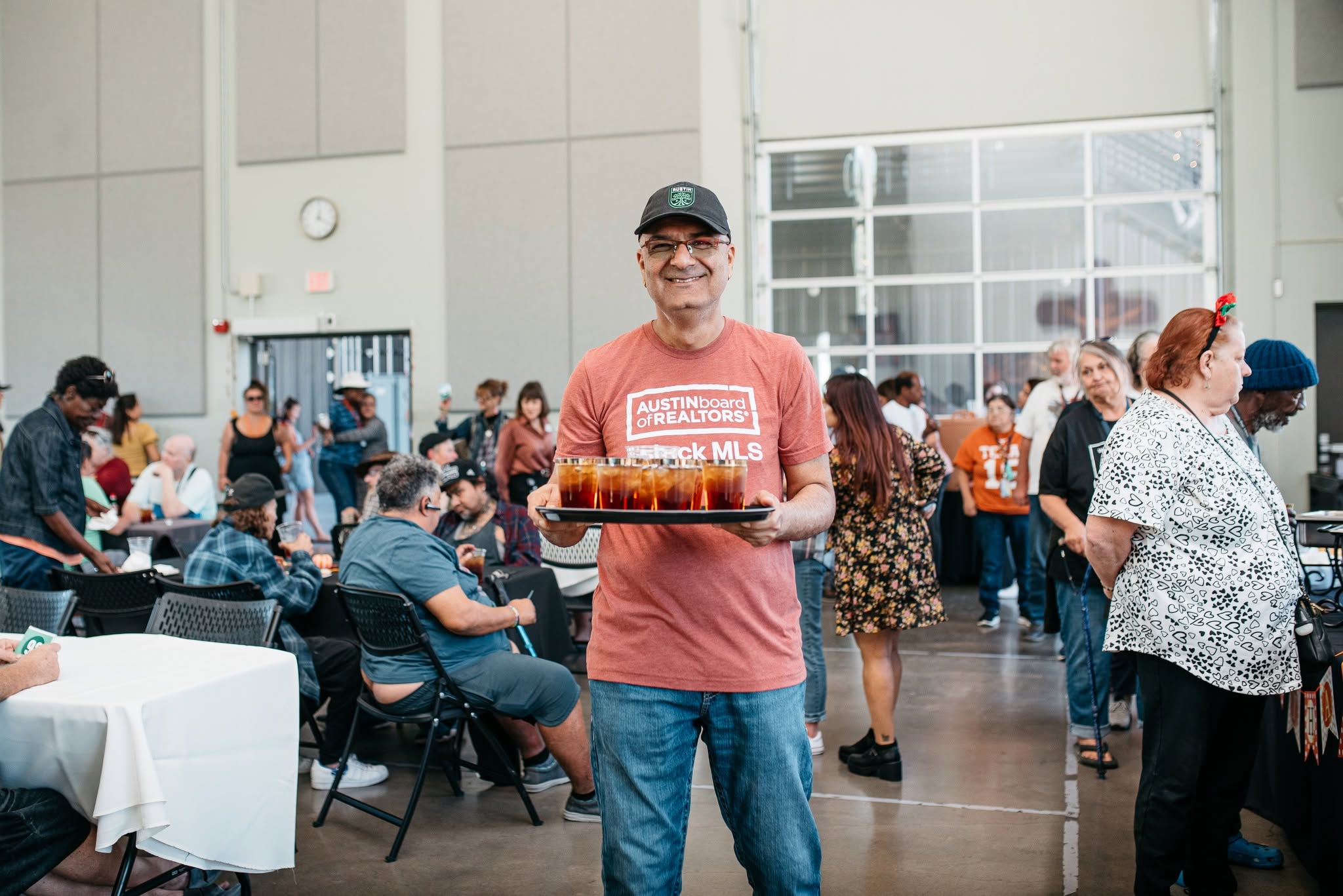
I’ve also become deeply involved in serving my profession and my community. I’ve served on the Texas REALTORS® Professional Standards Committee since 2019, including ethics and grievance panels, and have served on numerous Austin Board of REALTORS® committees. Giving back remains important to me through organizations including Community First Village, the Central Texas Food Bank, Salvation Army, Coats for Kids and CASA of Williamson County.
If there is a common thread through my journey, it is that the things we initially see as obstacles can sometimes shape our lives in ways we could never have anticipated. My speech impediment made some paths more difficult, but it also made me more introspective, empathetic and intentional about listening. Consulting taught me to ask better questions. Finance taught me to respect the numbers. Challenges taught me resilience. And real estate gave me an opportunity to bring all of those experiences together in service of other people.
I’ve been fortunate to build a career doing something I genuinely enjoy while helping people navigate some of the most important decisions of their lives. I make a living from helping people—and I consider that a blessing.
If there is a common thread through my journey, it is that the things we initially see as obstacles can sometimes shape our lives in ways we could never have anticipated.
We all face challenges, but looking back would you describe it as a relatively smooth road?
It definitely hasn’t been a smooth road, but I’ve come to appreciate the twists and turns because they have shaped me as much as the successes have.
One of the most personal challenges throughout my life has been my speech impediment. I stammer and stutter, and it tends to become more pronounced in situations where I’m under pressure or when something matters deeply to me. That has influenced my confidence, my career choices and, at times, my willingness to put myself out there. There were professional opportunities I didn’t get because someone questioned whether my communication style would work in a client-facing role.
But I’ve never wanted my speech to define what I was capable of. Darden was a particularly important chapter in that regard. It was an intensely competitive, discussion-driven environment, and I had to participate just like everyone else. Over time, I learned that I didn’t need to speak perfectly to have something valuable to say. In fact, I think the experience made me a better listener, more empathetic and more conscious of making space for other people.
The 2008 financial crisis was another major turning point. I had earned an MBA from Darden and was pursuing opportunities in finance and investments, but the Great Recession dramatically changed the landscape. As an immigrant who required sponsorship, the situation became even more difficult. Fortunately, I was able to return to Capital One, but the experience gave me a firsthand understanding of how quickly circumstances can change—and how deeply financial decisions can affect people’s lives.
Then, when I moved to Austin in 2015, I essentially had to start over again. My sister was the only person I really knew, and networking has never been my natural strength. Yet I had chosen a profession in which relationships are everything. Real estate forced me to walk into rooms, introduce myself, have conversations and build trust one person at a time.
There have certainly been disappointments along the way, including business ventures that didn’t work out as planned and professional opportunities that didn’t materialize. But I’ve learned not to measure every setback by what it takes away. Sometimes it redirects you toward something that fits you better.
I think that’s one of the biggest lessons my journey has taught me: you don’t always get to choose the circumstances you’re given, but you do get to choose how you respond to them. I’ve tried to approach challenges with resilience, a positive attitude and a willingness to learn.
And perhaps most importantly, I’ve learned to be comfortable with being vulnerable. I don’t see vulnerability as weakness anymore. It has helped me become a better listener, a better advisor and, I hope, a better human being.
Appreciate you sharing that. What else should we know about what you do?
I’m a REALTOR® and Broker Associate specializing in residential and commercial real estate across Central Texas. My clients range from first-time homebuyers who may be making one of the largest financial decisions of their lives to experienced investors looking at a property through the lens of returns, risk and long-term strategy.
What I believe sets me apart is that I don’t see my role as simply helping someone find a property or facilitating a transaction. I see myself as a trusted advisor. My background in engineering, management consulting, finance, investments and business leadership has shaped the way I approach real estate. I bring an analytical perspective to the numbers, but I also recognize that real estate decisions are deeply emotional and personal. I don’t believe those two sides should compete with each other—they should inform each other.
My consulting background, in particular, has influenced how I work with clients. I spend a lot of time understanding their story, their goals, their needs and their constraints. I also ask about their “must-not-haves.” People can often compromise on something they like, but living with something they absolutely don’t want can become a much bigger problem. Understanding that distinction helps me advise clients rather than simply show them properties.
I enjoy working with first-time homebuyers because there is something incredibly rewarding about helping someone navigate a process that can initially seem overwhelming. At the other end of the spectrum, I enjoy working with sophisticated investors because of the analytical and strategic challenge. Residential real estate fulfills me emotionally; commercial real estate stimulates me intellectually. Having both sides of the business keeps me engaged and continually learning.
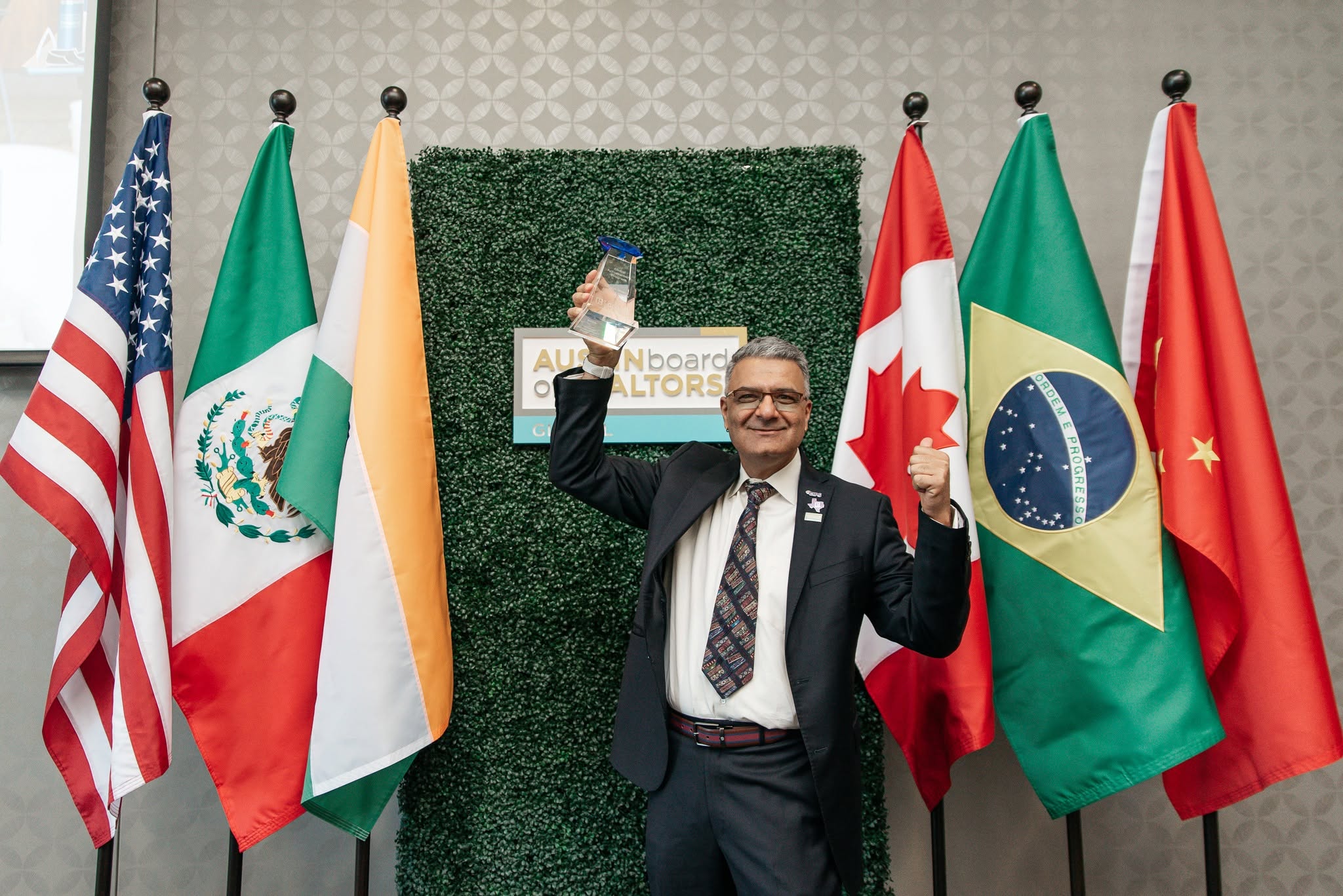
I’m also proud of the way I’ve built my business. I’ve been fortunate to receive recognition including the REALTOR® of the Year Award, an Ethics Award and Five Star Professional recognition, but those aren’t what I consider my greatest accomplishments. What means the most to me is the trust clients place in me and the relationships that continue long after a transaction closes. Some of my favorite things on my office wall aren’t awards at all—they’re paintings and notes from clients’ children that include me as part of their family. Those are the things that remind me why I do what I do.
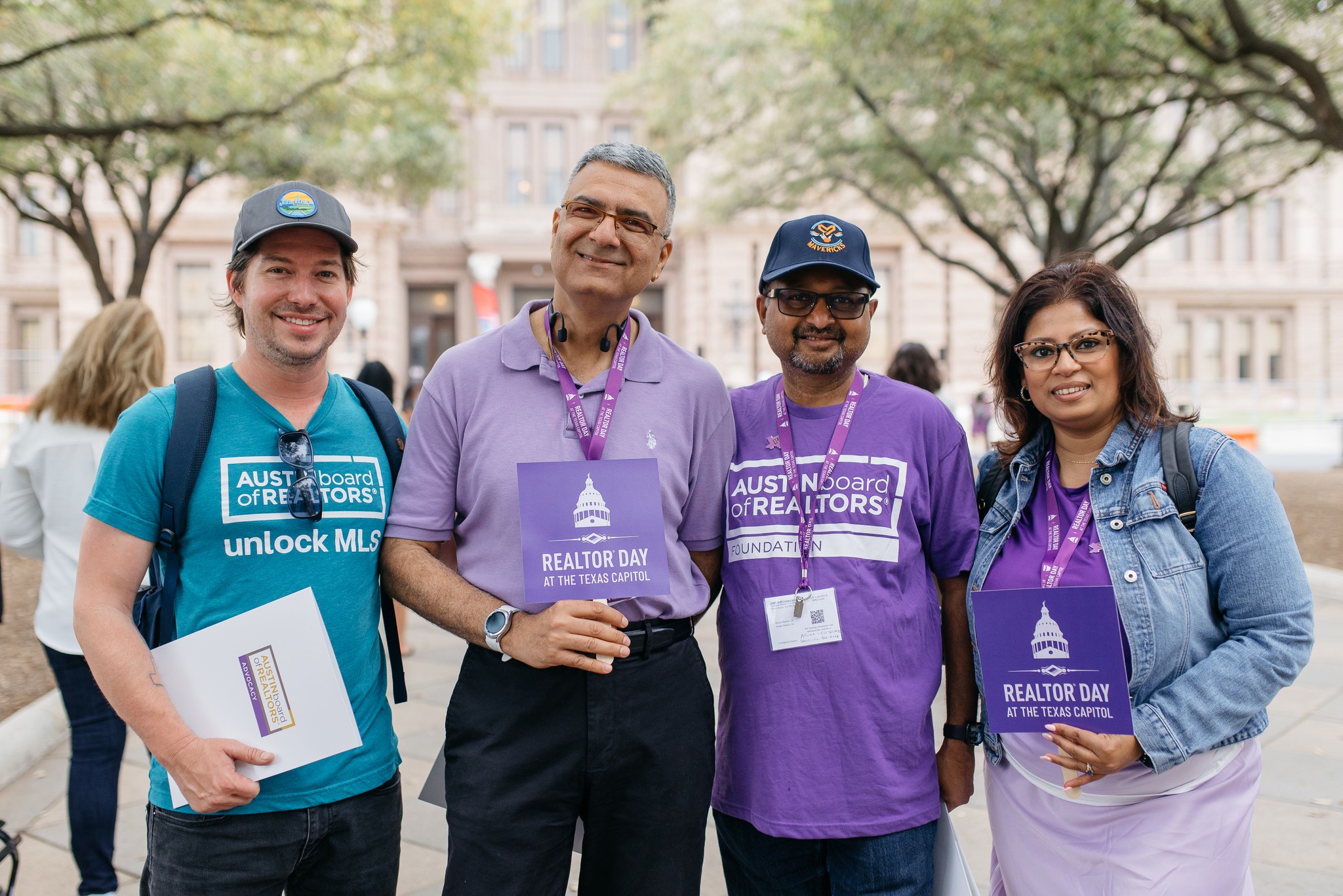
I’m also deeply involved in serving the profession. Since 2019, I’ve served on the Texas REALTORS® Professional Standards Committee, including ethics violation hearing and grievance panels. I’ve served on numerous Austin Board of REALTORS® committees as well, including Budget & Investment, MLS Compliance, Diversity, the Foundation and the Global Advisory Board, which I chaired when our team received the National Association of REALTORS® Diamond Award for the association’s Global Program.
Those experiences have reinforced something I believe strongly: our profession carries a tremendous responsibility. People are trusting us with their homes, their investments and, often, their financial futures. I want to be the person sitting on the same side of the table as my client—asking the difficult questions, looking at the numbers honestly, identifying the risks and helping them make a decision they can feel good about.
Ultimately, I don’t measure my career by how many transactions I complete. I measure it by whether I genuinely helped someone make a better decision than they might have made without me. If I can do that and make a living doing it, I consider myself very fortunate.
What quality or characteristic do you feel is most important to your success?
If I had to identify one quality that has been most important to my success, I would say authenticity.
I’ve never been particularly good at pretending to be someone I’m not—and I’ve learned to see that as a strength rather than a weakness. My speech impediment made me self-conscious about how I was perceived, especially earlier in my career, and for a long time I probably spent too much energy worrying about how I came across. Over time, I realized that people respond much more to sincerity than perfection.
I genuinely enjoy helping people. When I meet a client, I’m not thinking first about how I can turn the relationship into a transaction. I’m trying to understand their story, what they’re trying to accomplish, what keeps them up at night, and what they may not have thought about yet. That curiosity allows me to ask better questions and, hopefully, give better advice.
I also believe authenticity creates trust. Clients need to know that I’ll tell them what I actually think—even when it’s not necessarily what they want to hear. If I think a property is overpriced, an investment doesn’t make sense, or a particular strategy carries too much risk, I believe my responsibility is to say so. Being a trusted advisor sometimes means having uncomfortable conversations.
That philosophy extends beyond my clients. I’ve tried to approach my professional and community service in the same way: show up, contribute where I can, and do the right thing even when there isn’t necessarily a reward attached to it.
I often say, “I’ll do my karma and let God and the universe take care of the rest.” I don’t mean that as a substitute for hard work—I mean that I try to focus on doing my part genuinely and well, without becoming overly attached to the outcome.
Ultimately, I think people can tell when you genuinely care. I’ve been fortunate that many of the opportunities and relationships in my career have grown from simply trying to be useful to another person. That’s something I’ve never wanted to lose, regardless of how successful I become.
Contact Info:
- Website: https://www.dreamtxhomes.com
- Instagram: https://www.instagram.com/dreamtxhomes
- Facebook: https://www.facebook.com/DreamTXHomes/
- LinkedIn: https://www.linkedin.com/in/divyakshkapur/
- Twitter: https://twitter.com/divyaksh
- Youtube: https://www.youtube.com/@dreamtxhomes/
- Yelp: https://www.yelp.com/biz/divyaksh-kapur-dream-tx-homes-austin
- Other: https://www.tiktok.com/@davekapur?lang=en