


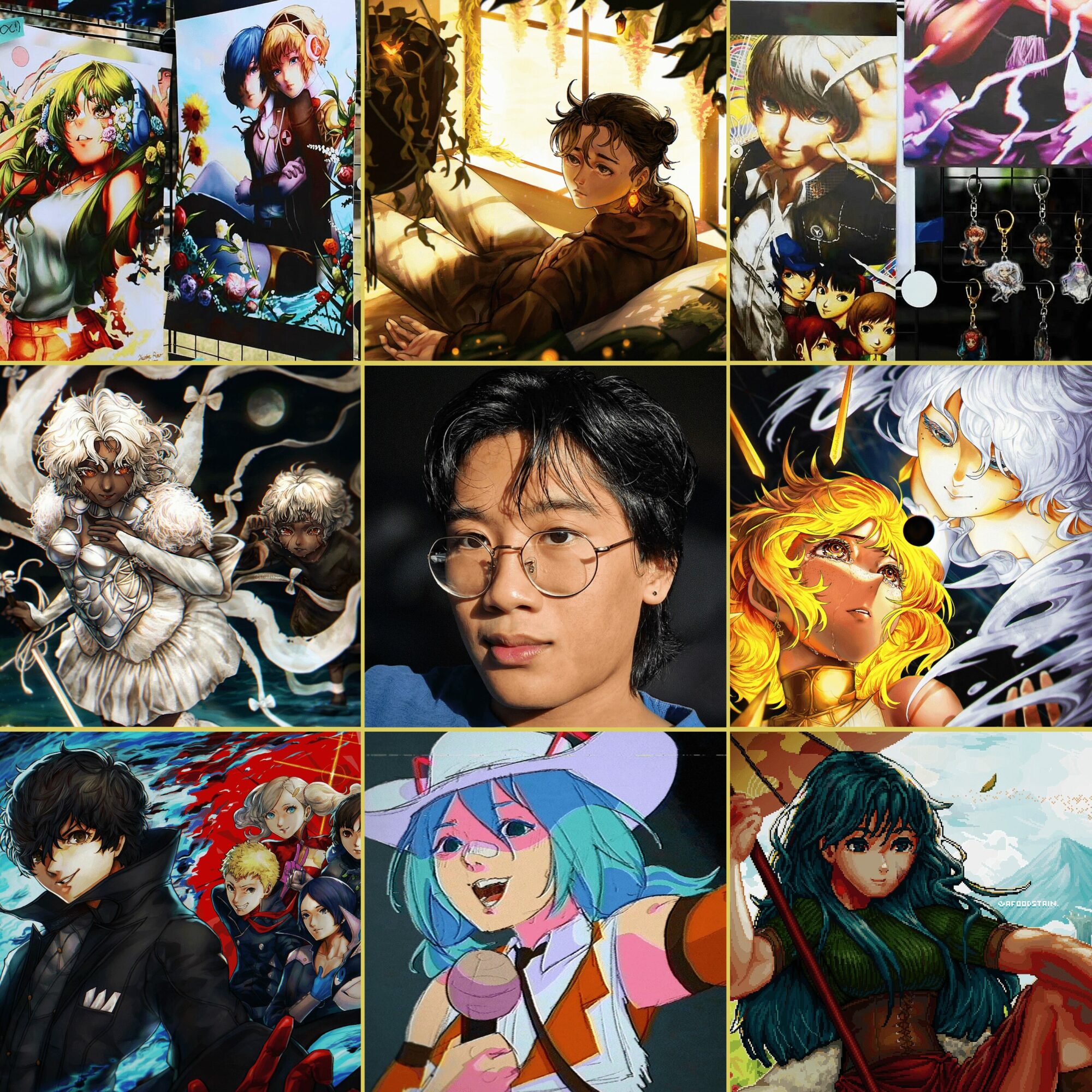
Today we’d like to introduce you to Faustin Puno.
Hi Faustin, thanks for joining us today. We’d love for you to start by introducing yourself.
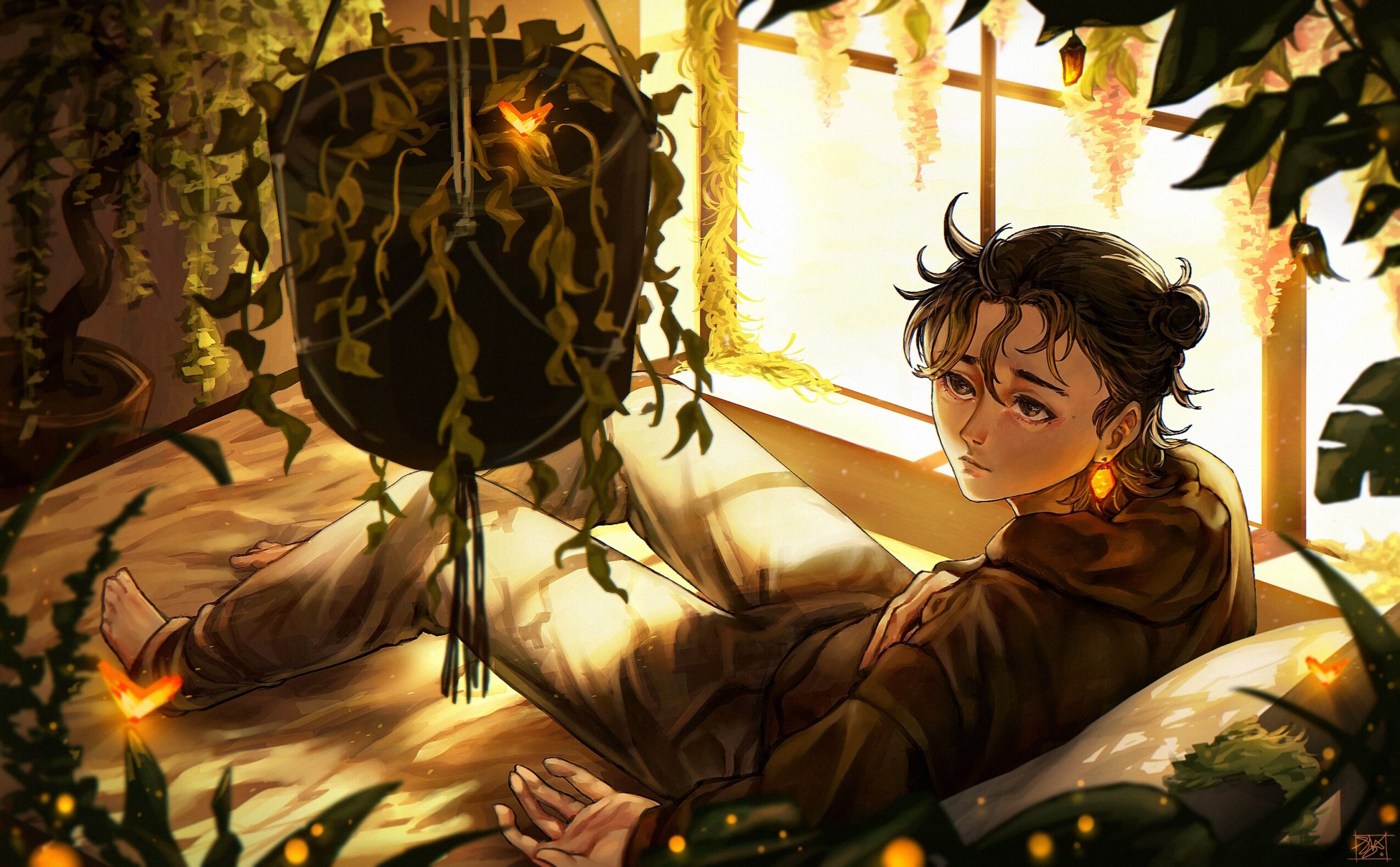
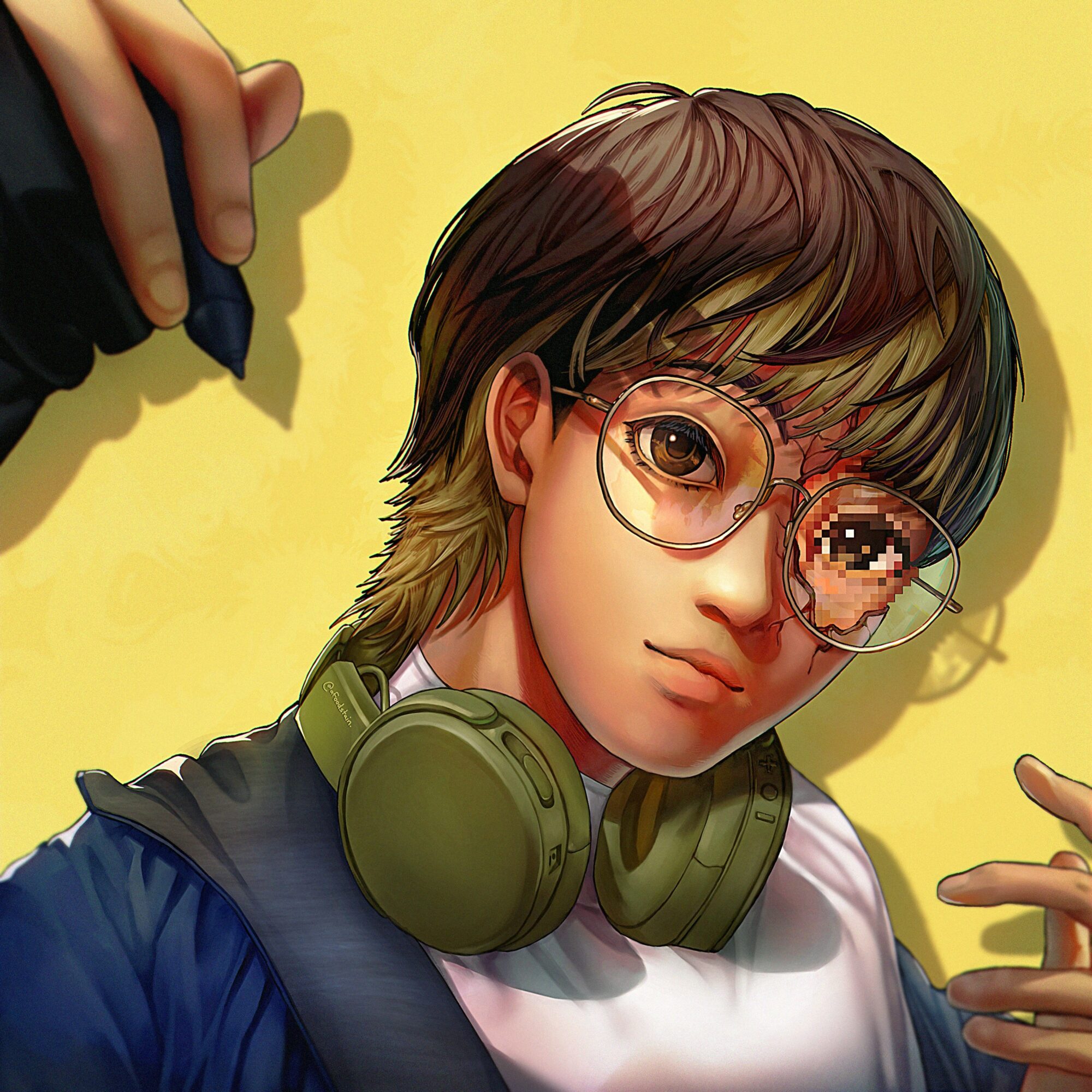
Growing up, being able to express myself was exceptionally difficult in my earliest youth. From drawing planets and stars quietly in my room, my early hyperfixation was a way of connecting with myself. Whether it was peers or some of my closest family, there was always a barrier in authentically expressing myself for the longest time, and growing out of my shell, I began to embrace more of my creative side as I grew into my teens. Jumping from video games to film and other media, art and being inspired by it stuck with me up until one summer of 8th grade, when I decided to take my illustrative journey more seriously.
Growing up a second-generation Filipino-Indonesian American, there’s a lot of shared adversities and expectations in being a part of that bubble, but the ways I coped were often through my own hobbies. The feeling of being accepted was hard for a long time, and I never got to feel fully connected with my cultural roots. At the time, there were a lot of heavy emotions I didn’t have the words for, and art was my conduit in seeing myself as someone capable of betterment; an escape from a reality I wasn’t always ready for. This isn’t to say that every piece I made was always deep; I believe sometimes simple things like learning how to draw a pretty character over the course of months is enough to find yourself and your own personal journey. And so, I drew a lot of pretty characters early on and found joy in them.
Soon after, I began to see art as a reflection of my own growth, and I began to grow alongside the hobby. Admittedly, the process of art is a love that often ebbs and flows, and I am not someone who is always resistant to burnout. There were often times in my high school, and even my college career, where security and becoming something I wasn’t felt like the answer to succeeding in life. However, in the times where I couldn’t bear to draw despite it acting as a tool of escape, I found value in things that didn’t involve art. Taking care of my body and pushing it a little more every week, getting good sleep, playing an instrument or sport, spending quality time with my closest peers now and then, and reflecting on my experiences through journaling were the “non-productive” activities that broadened my perspective and understanding of how to internalize my emotions and value myself a little better.
My desire for happiness in choosing what I was willing to suffer through, such as art, eventually taught me that with a love for something, giving myself the grace to seek sustainability, balance, and a reminder that telling a resonant story and enjoying that creation is worthwhile, was what helped me return back to art in those times of frustration. I realize I’m someone who analyzes my feelings and deconstructs them because I know I can be very passionate and emotional. Using different facets of the experiences and perspectives I’ve come across, I do art and express myself because as impossible as it is to be fully understood by others, I can see something through and understand myself better. And if that leads to what people see as a bombass story, then I think that’s a pretty cool byproduct of the process.
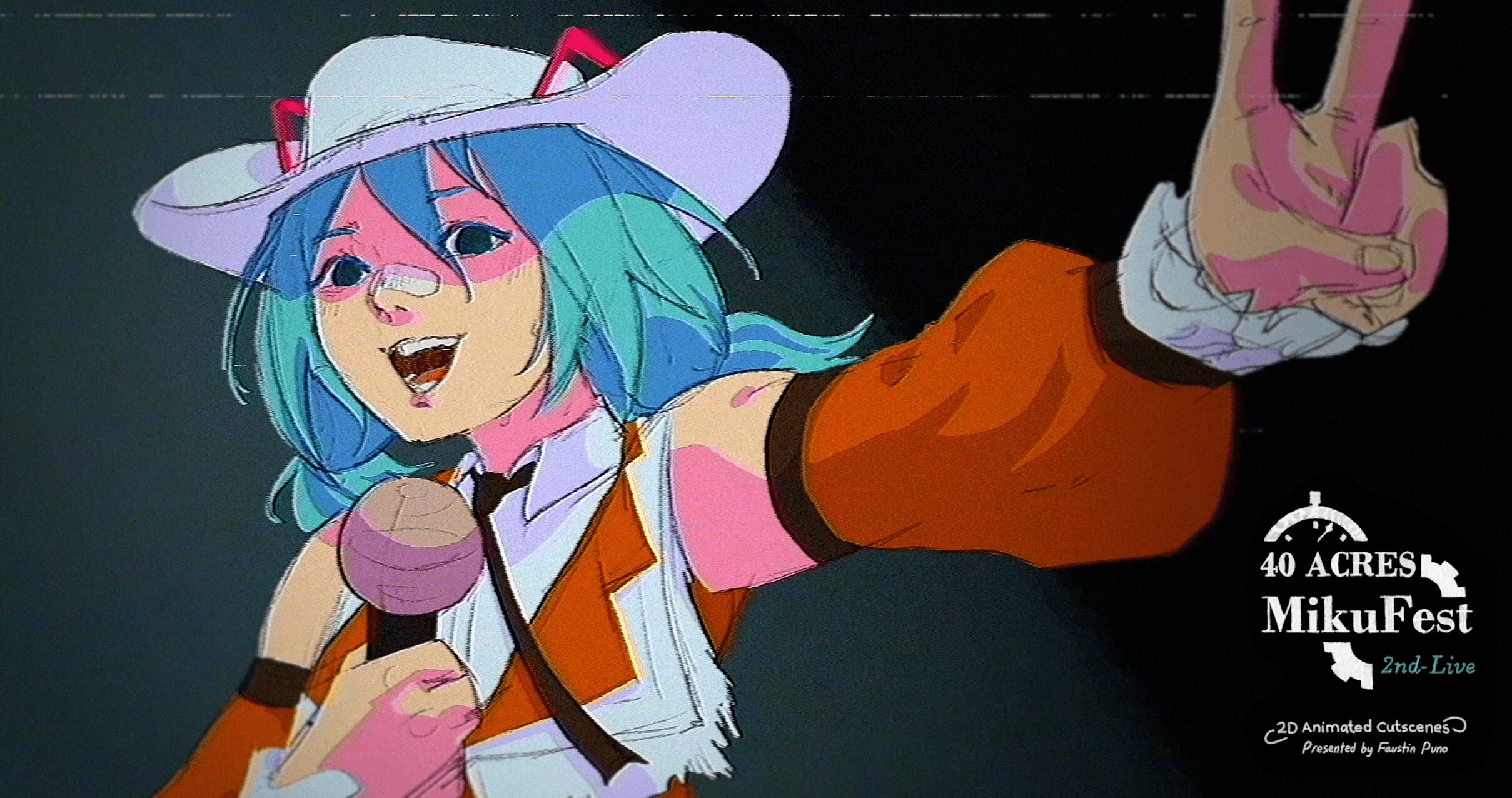
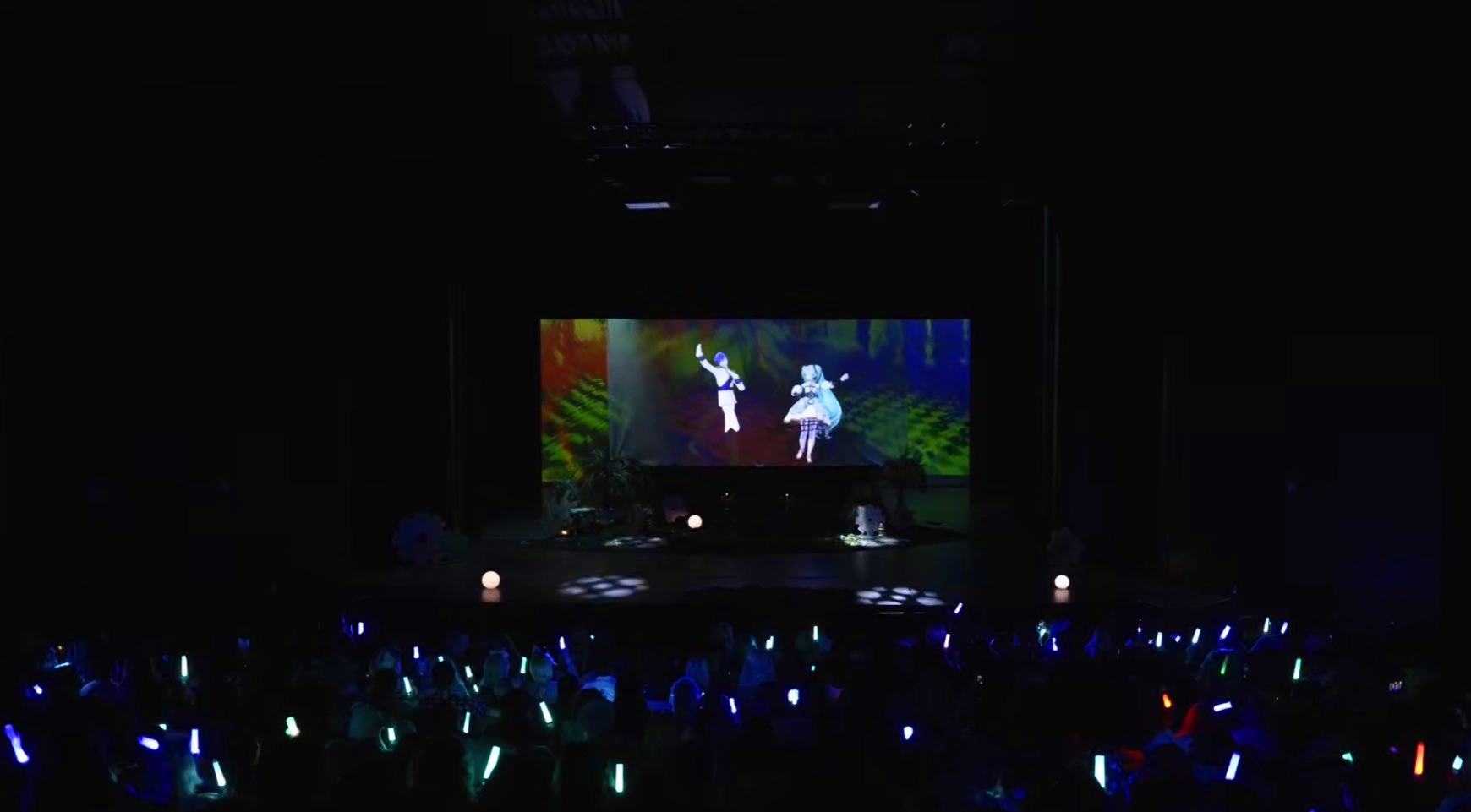
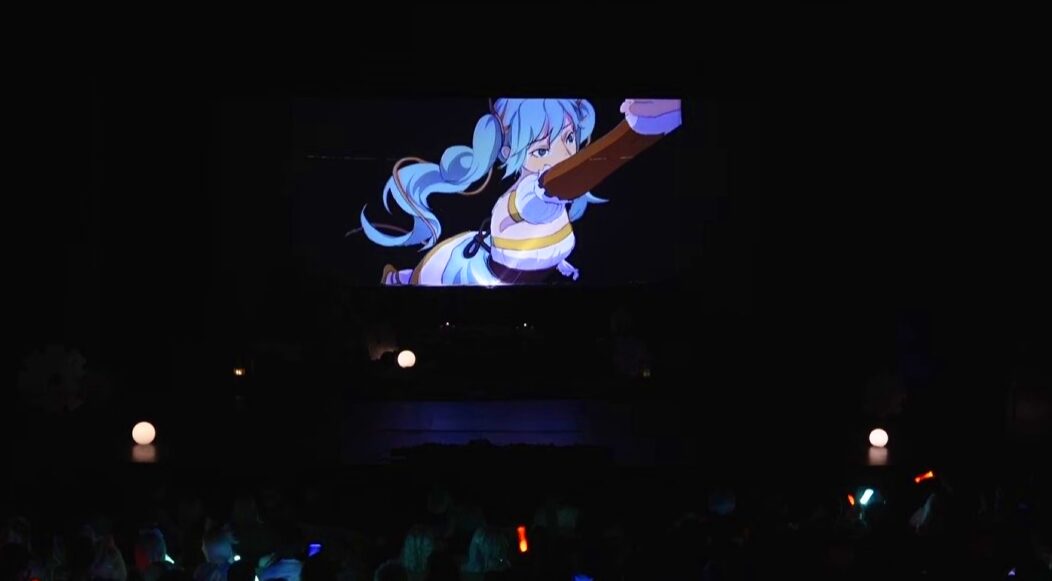
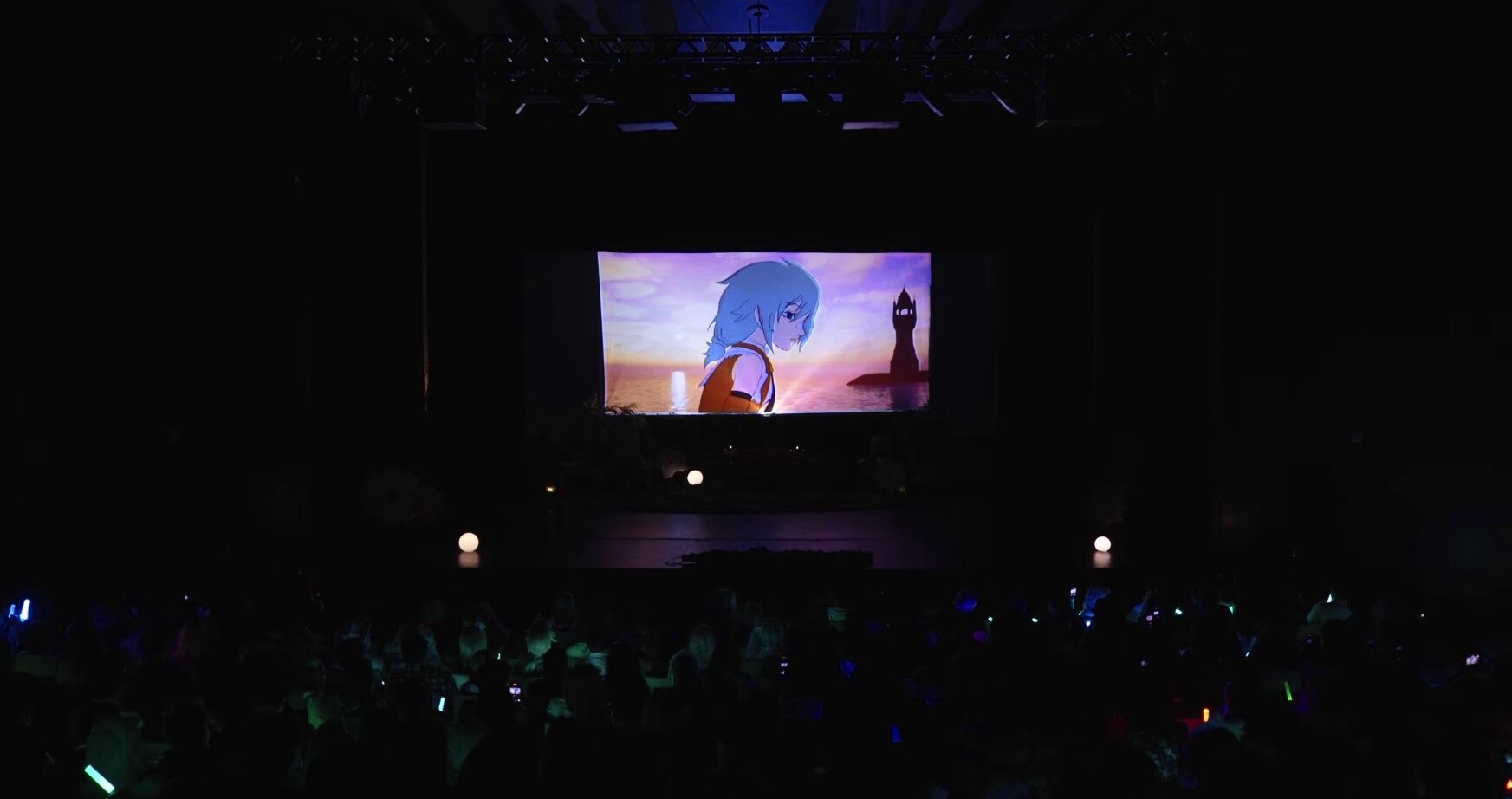
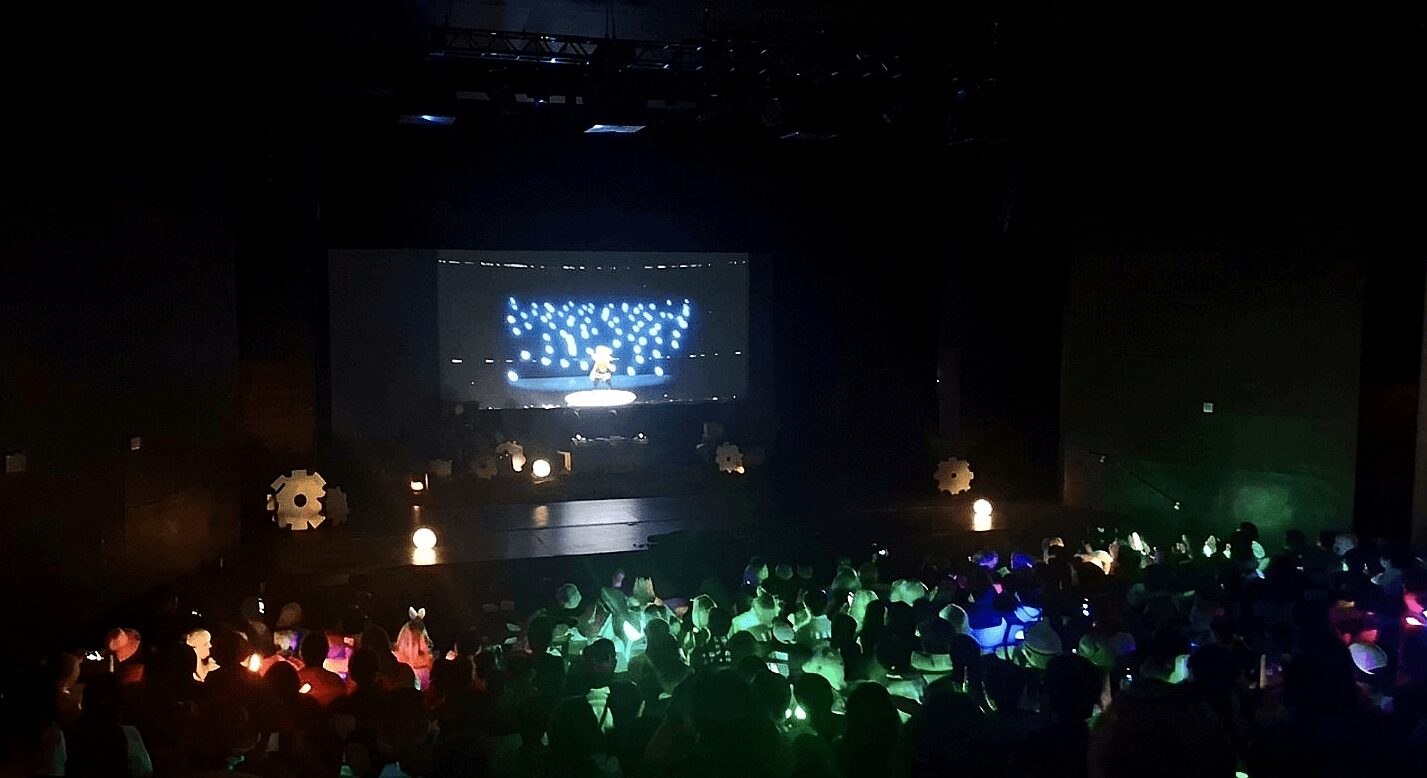
These days, I am an Arts and Entertainment Technology Senior student, along with other things I occupy myself with. I lead one of the biggest art orgs at UT, and last year, I was a part of a large student-organized project called Mikufest at 40 Acres between August 2025 and February 2026 as a 2D Animation Director/Lead Storyboard Artist for the first-ever integrated 2D animated cutscenes for a VOCALOID-style concert that combines a large collection taken here at UT Austin. When I like to do something and I’m passionate, I can’t help but get excited and really committed to the process of creation! With these experiences, I learned a lot to improve my leadership skills, which I want to apply in a creative setting. So this year, I will be tackling both once more! I’m going to continue leading the org as a Co-President so that I can hopefully provide the same sense of belonging I received my Freshman year of college to other UT Austin students who come across our silly art org. And with Mikufest, I want to continue to use animation to tell a story that is authentic to me and my team and help cultivate something that can excite and resonate with a large audience, and be a part of something bigger than myself.
Would you say it’s been a smooth road, and if not what are some of the biggest challenges you’ve faced along the way?
I’ve met a lot of creatives who had a surprising temperament to burnout, and a lot of people like me who didn’t. As someone who came out of a 7 month long project like Mikufest and directed a newly established 2D animation sector of the concert, I often found myself as a bottleneck to progress, which led to me placing a lot of pressure on myself. Even in instances where the results were met with resounding success, I was no exception to burnout.
I’m gonna get a bit vulnerable and reflect on the challenges I faced as a fresh Animation Director for the 2nd-Live Mikufest at 40 Acres Concert and the preparation that had led to that, as I feel like my most recent experiences of burnout can maybe be felt by other budding creatives in leadership positions.
Initially, I was recruited as the first and only 2D animator and storyboard artist through a small web of connections within the AET department and the concert director. At the start of pre-production, I was facing the obstacle of severe artistic burnout, where my motivation to create couldn’t keep up with my ambitions to make something meaningful. However, in spite of my doubts, I ambitiously took the chance with the hopes I could make an impact in a project bigger than myself.
Early within the project, I visualized the director’s themes, coincidentally, of burnout and validation, by collaborating with him and the choreography team to write a storyboard treatment and narrative design. Even though art was hard, I wanted to find other ways to creatively express myself, so I translated that into writing, and I harnessed that energy constructively to tell a raw and authentic story. In this film I led, it tells a tale where Vocaloid J-Pop Idol Hatsune Miku undergoes a surreal, transformative experience of heartache to rekindle her passion for performance. When I couldn’t draw, I would iterate, conceptualize, and write. It honestly took a couple of months of what seemed like valuable time before I could confidently touch the drawing board.
Approaching storyboarding and keyframe animation, I knew there were many fundamental areas of animation that I was lacking in. Paired with burnout and knowing that came with a lot of imposter syndrome. I was competent in some areas, but 2D anime-style animation was something I hadn’t methodically practiced and hadn’t touched much, let alone create a 6-minute film out of it.
Nonetheless, I kept on embracing the workload I had placed on myself. With illustration, I knew how to compose characters in a frame, draw consistent models, and I had an aesthetic that was seemingly appealing to people. I used that acknowledgement of my own skillset to play with the cards I have despite navigating unexplored territory.
As my pacing began to pick up as fall ended, I transitioned back into drawing by storyboarding, creating around 120 keyframe panels. In retrospect, I was too perfectionistic in my storyboarding, a weakness I always had but got better at with time, which often made progress move at a snail’s pace. In the times I wasn’t in the fine art library grinding away, I also had many things outside of Mikufest that I cared about. Tending to relationships, my well-being, extracurriculars, class, and sleep were all very important to me. Even if it meant my progress on Mikufest was stifled, I often tended to these things while handling the solo workload I had willingly placed on myself, and I had hoped I could pace things with this lifestyle.
Right before I had left for the Philippines for my Winter Break, I managed to pump out a Keyframe Animatic of half of the projected story. Knowing the concerning amount of work that was expected to be realized before the concert in February, I realized I couldn’t do this alone. I reached out to a close friend who also animated and equipped her with as many materials to guide her assistance in Rough Animating my animatic. Away from the States, I had a lot of anxiety about completing the project in time, and up until now, I have been able to do things all on my own.
Coming back to America, I could vividly remember the first day of my Spring Semester began, when I had chosen to wake up abnormally earlier than usual for school. Realizing the amount of time I couldn’t dedicate while off from school, I began to spiral into a panicked frenzy. Heart racing, I was at the realization that with the way things are going, I believed I was absolutely screwed and that my doubts as a fraud were confirmed. However, I took an impulsive call to a TalkNow counselor within the University’s mental health resources I thankfully had access to. I think that call was what helped me stay grounded about not just Mikufest, but my career as an artist, and that even if there’s not much security, I can still find fulfillment in what I do on a day-to-day basis, one step at a time.
Eventually, I was convinced to put my ego aside and accept I couldn’t do this scale of work alone. Within a month away from the concert date, I managed to recruit a seven-person 2D animation team and equipped them with the proper materials. I haphazardly created a functional workflow that alleviated the pressure of the recruits, while I filled all gaps in terms of animation. Admittedly, the amount of self-inflicted pressure I was under wasn’t sustainable, and at times felt like my cross to bear. I had never experienced such a rush of adrenaline up to that point as an artist, but working alongside other creatives with different strengths truly solidified the resounding success that came from the concert, and the outcome would not have been possible without them.
Yeah, I definitely took a 3-month burnout after all of that, but I took it with a little more kindness this time. After a month of Mikufest, my professor told me best: your workflow is what you make of it in animation. There are a lot of industry standards that make a team unified, but I think working to what was accessible to my current level back then helped push me to figure things out and made the approach less daunting. And at the end of the day, animation is an art form, and I’m glad that process doesn’t have to be a fixed one. Despite the tribulation on my end, I am grateful to have learned many lessons as an artist and leader that I can reflect on from this experience.
I believe the story I tell with Miku mirrors my own, on why we “perform” and continue to pursue an art we’re passionate about despite heartache and burnout. Even though this was something towards live entertainment, I really felt this was also something I did for myself. Yeah, there was a lot to prove, but nurturing an idea for so long and working towards a creative concept you care about also had meaning. Seeing it all through and telling a story true to you has meaning. I realized that, for me, sometimes pacing that accommodates you is what is needed to better ease out of burnout within the extent of your own control. And I think between the sudden deadlines and incentives, there were times that were fun and made me feel in the present moment, in a world that makes anxieties towards the future easy to manifest.
I was able to convey a part of myself to such a large audience, whether it was fully understood or not. I’m very grateful for the people in and outside of the project that reminded me that what I was doing was enough, and I don’t think I would have overcome so many internal hurdles without the external support my closest peers gave me. I think my experience on such a large-scale collaborative project taught me that ambitious ideas were possible through passion and the support of others, which is why I want to continue to use this experience to hone and strengthen visual stories while sharing a part of myself in how I most authentically can.
Appreciate you sharing that. What else should we know about what you do?
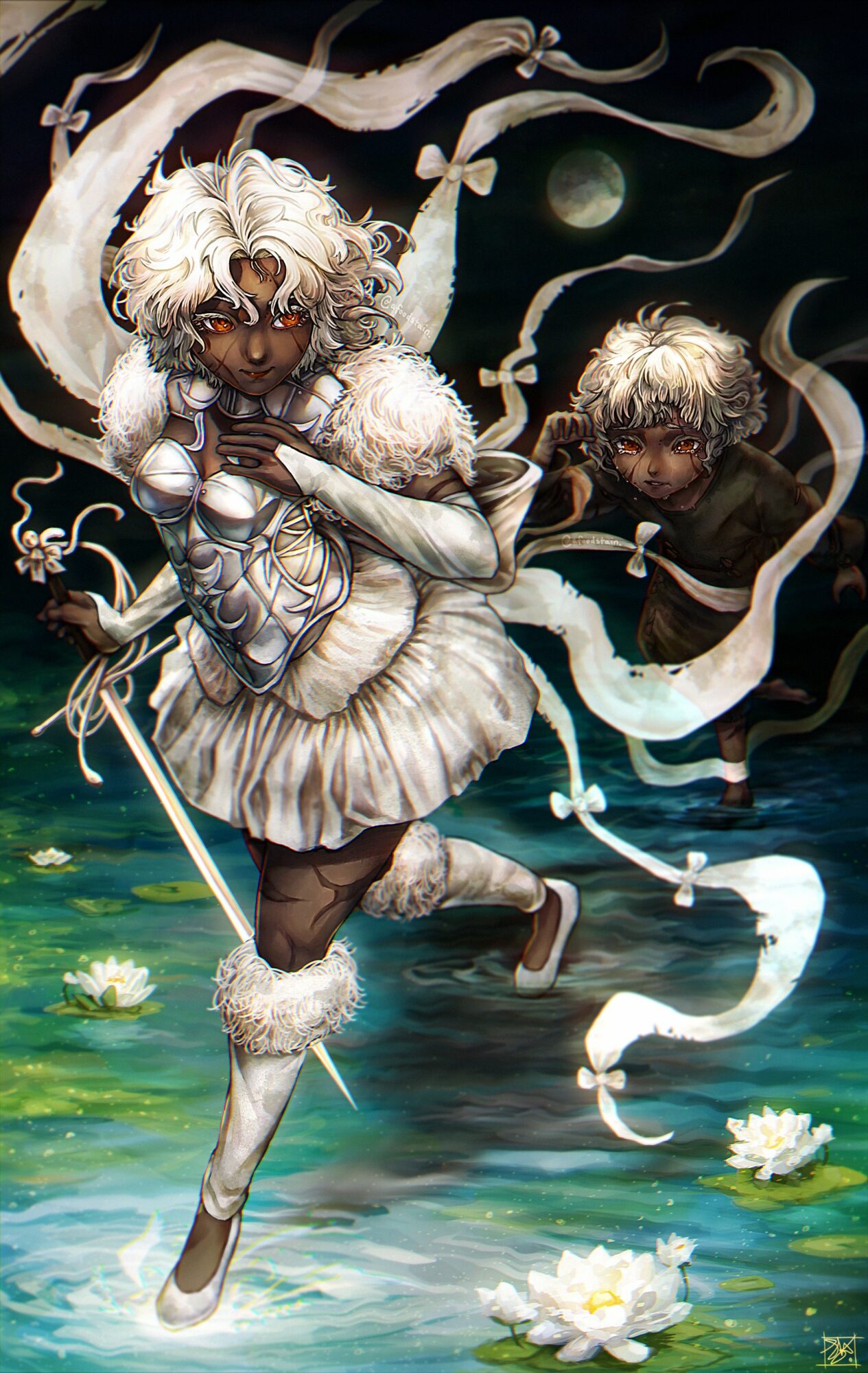
I create visual stories or explore fun ideas using the artistic skill set I’ve developed throughout my high school and college years. For a while, I specialized in illustration. But these past couple of years, I’ve been leaning more towards 2D animation, narrative design, and storyboarding.
Amongst my peers, my illustrative work and rendering, along with the stuff I did for Mikufest, are things I’m most known for. But last month, I made an animated parody of a clip from the Adult Swim show “Smiling Friends” using characters from the Nintendo Franchise of Kirby, and it surprisingly took off on my social media.
I’m most proud of my work on the 2nd Live of Mikufest on 40 Acres! But if I were to nail a second project, it would be my Final Storyboard Project during my sophomore year called “Departure from Dreamland.” It’s a short animatic I made that psychologically explores the consequences of childhood escapism through the perspective of a young girl and her deep attachment to a symbol of her innocence: the fictional Nintendo character “Kirby” (You could probably tell I like Kirby a lot). I hope to revisit that animatic one day.
I’d say what sets me apart is that when I start something I truly enjoy and see it as possible, I love committing to the process, putting my best foot forward to learn and improve, and seeing an idea through to the end!
In terms of your work and the industry, what are some of the changes you are expecting to see over the next five to ten years?
In terms of my own industry, I honestly can’t say I’m the most informed. But with creative fields such as my own, there is a shared sense of feeling threatened by the rapidly evolving integration of AI and automating out human labor. I think over the coming years, I see a lot of possibilities of AI continuing to be relevant in affecting my industry. It’s a whole can of worms with a clear side against AI “art” that I personally lean more toward.
As an artist, many like myself see the process and figuring out creative problems as our favorite thing about art. The desire to tell stories, share experiences in your own voice, and grow from even trying to tackle those challenges is something I believe is wholly unique to the joys of being human. I believe art is about the individual, the emotions they’ve collected, their own interpretations of the world, and sharing that in their own personalized execution, regardless of how original and derivative it is. And for some art to be realized, it takes a collective of individuals with all these walks of life and experiences to make something possible.
I think what’s notably concerning is that a lot of leadership in the art industry has chosen to automate out human artists at times, instead using AI to create a product that would be used or seen in mass quantity. I believe harnessing this technology stems from a pressure to produce something more efficiently and more easily consumable, which sadly has been a trend for the longest time and may continue for a while. I think it’s a shame that positions of leadership and consumers themselves don’t see a responsibility in consuming or creating AI content, and I think we undermine the volumes of intentionality and effort behind the beauty of the creative process.
With all that said, I think there’s hope to hold on to. I’ve acknowledged there’s a lot outside of your control. However, I think finding value in life by accepting that and doing the things within your control to seek happiness and living by what sits right in your heart, while not doing it at the expense of others, is what I believe to be one of the most reliable mindsets in my case. Whether or not I believe AI is going to continue to evolve, which it likely will, I think there will always be artists who possess a real humanity in finding value in the joy of creating and the process. And there will still be many consumers who do appreciate the work done by a human creator with a genuine curiosity in the creative thought process. I actually see some hope in the industry from those who stubbornly pursue their dreams and create something permanent in media out of a love for the game. There’s comfort in knowing people like that will always exist and even come together to create something bigger than themselves.
Contact Info:
- Website: https://punofaustin.wixsite.com/my-site
- Instagram: https://www.instagram.com/afoodstain/
- LinkedIn: https://linkedin.com/in/faustin-puno