


Today we’d like to introduce you to Josh Cliffords.
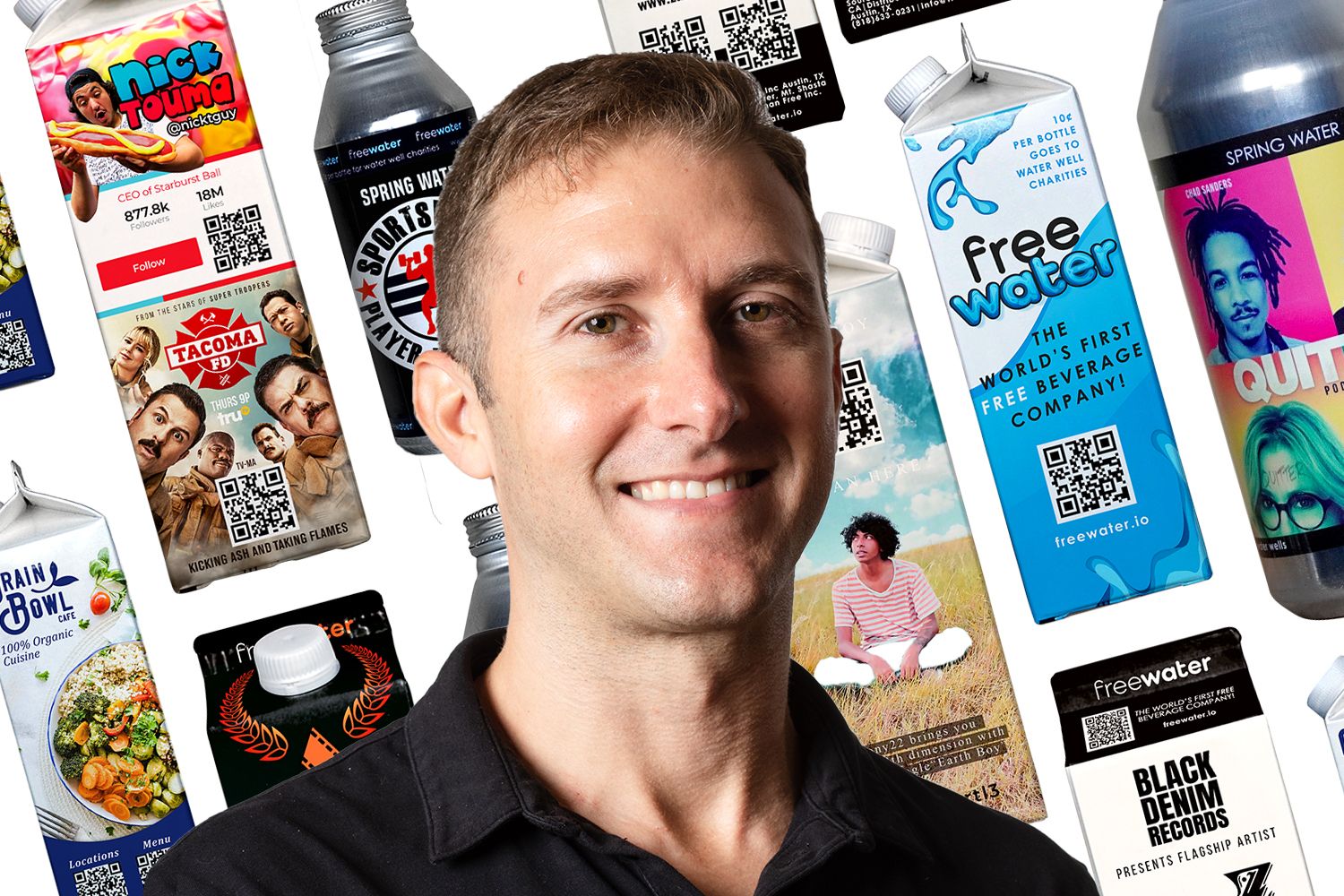
Hi Josh, can you start by introducing yourself? We’d love to learn more about how you got to where you are today?
Back in 2015, my wife and I started a nonprofit organization to support refugees in Europe. Over the next 18 months of volunteering, we heard the same heartbreaking story again and again: many people had been forced to leave their homes because they lacked access to basic essentials like clean water, food, safety, or economic opportunity.
Those conversations stayed with me. I could not stop thinking about how something as basic as water could shape the course of a person’s life. Over the following years, I began developing a new model that could make giving to charity as simple as saving money, drinking water, or receiving an everyday product for free.
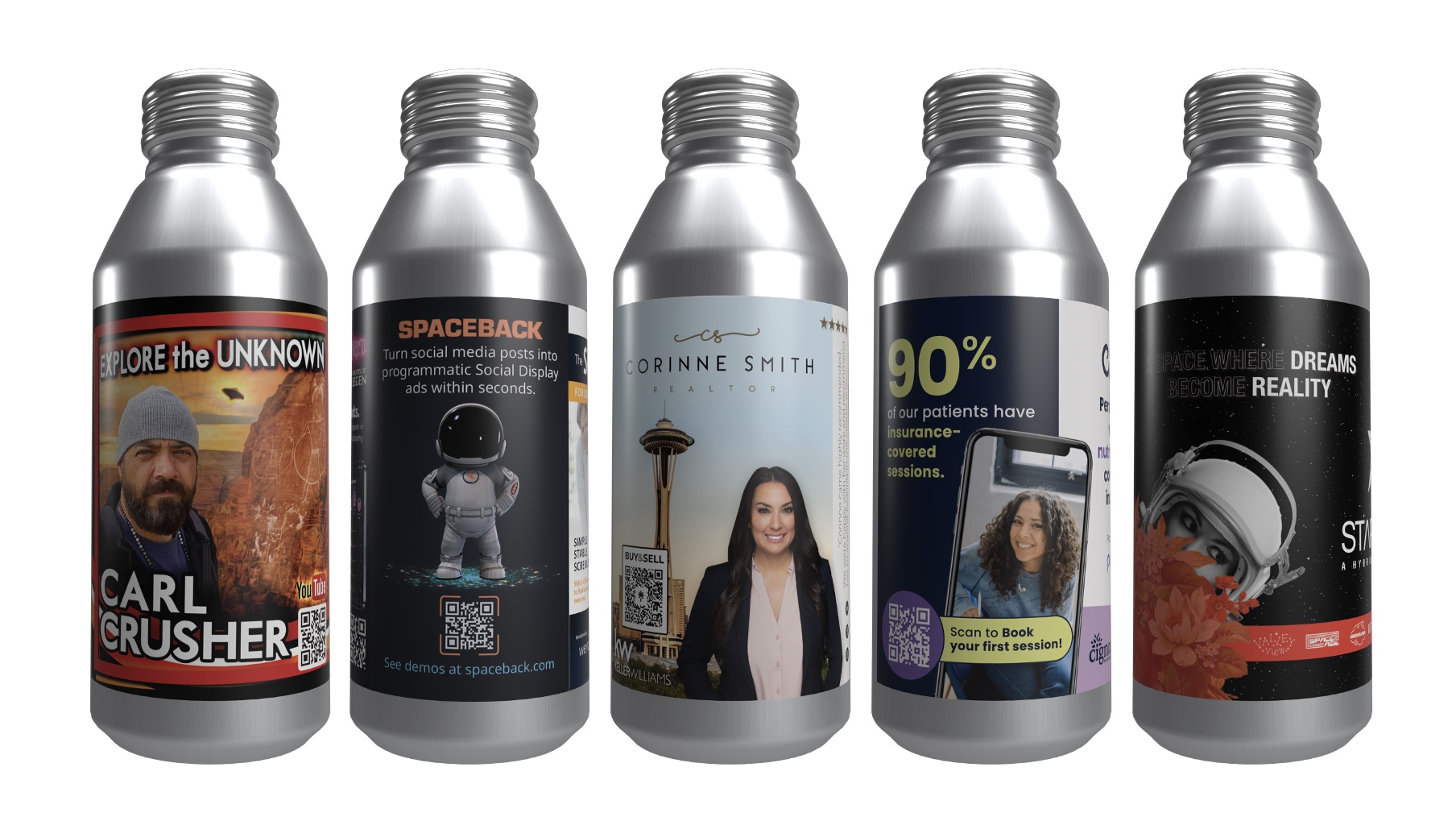
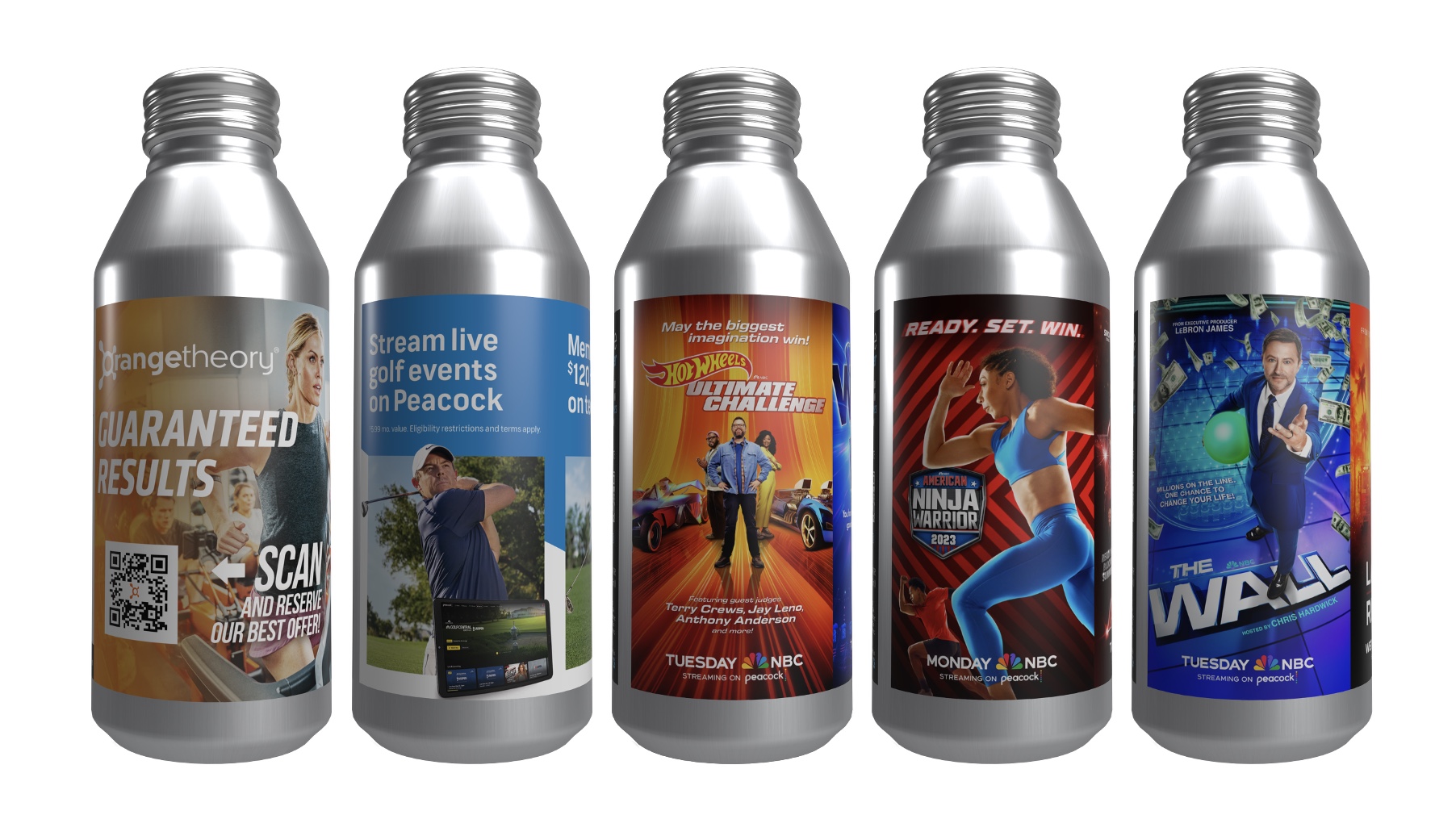
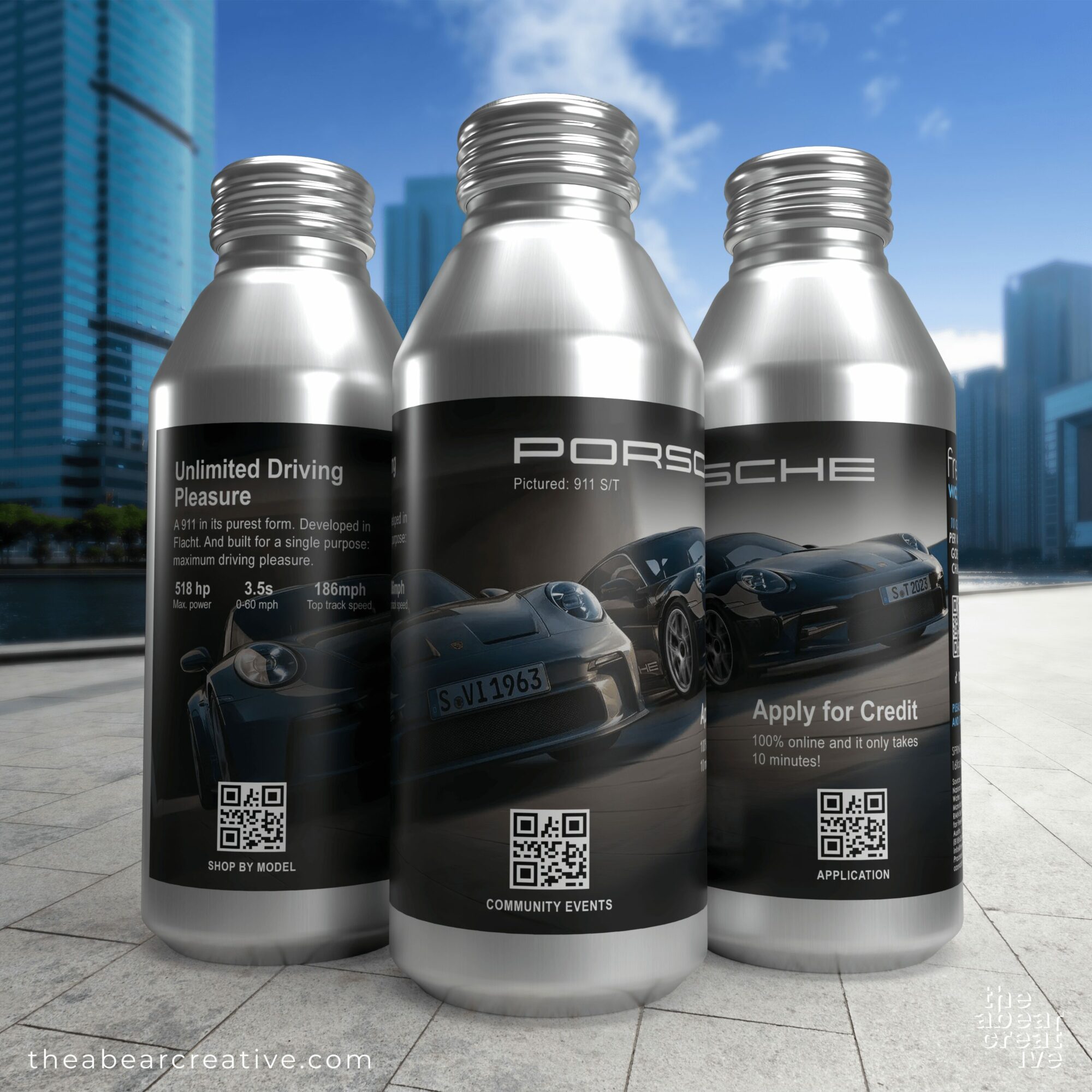
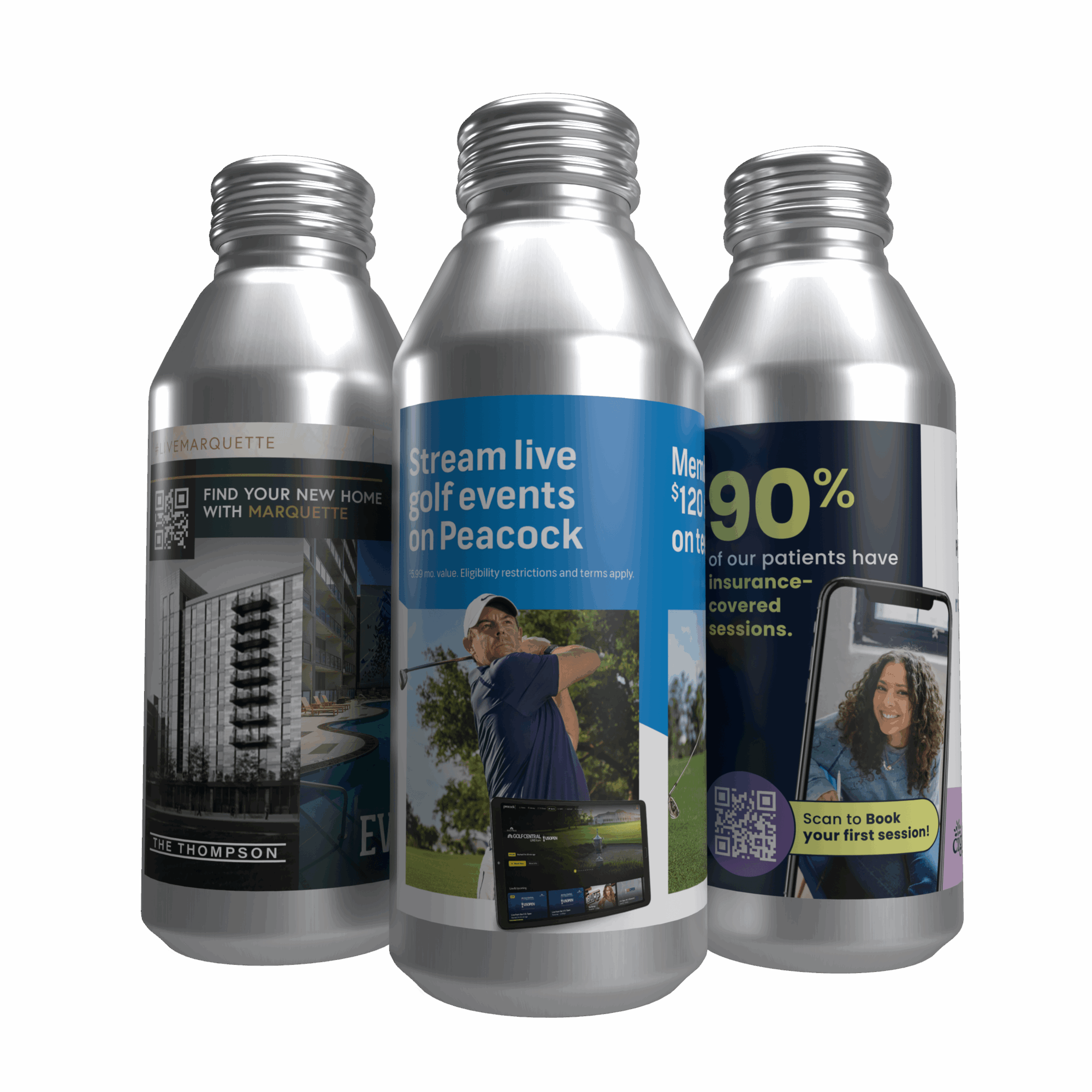
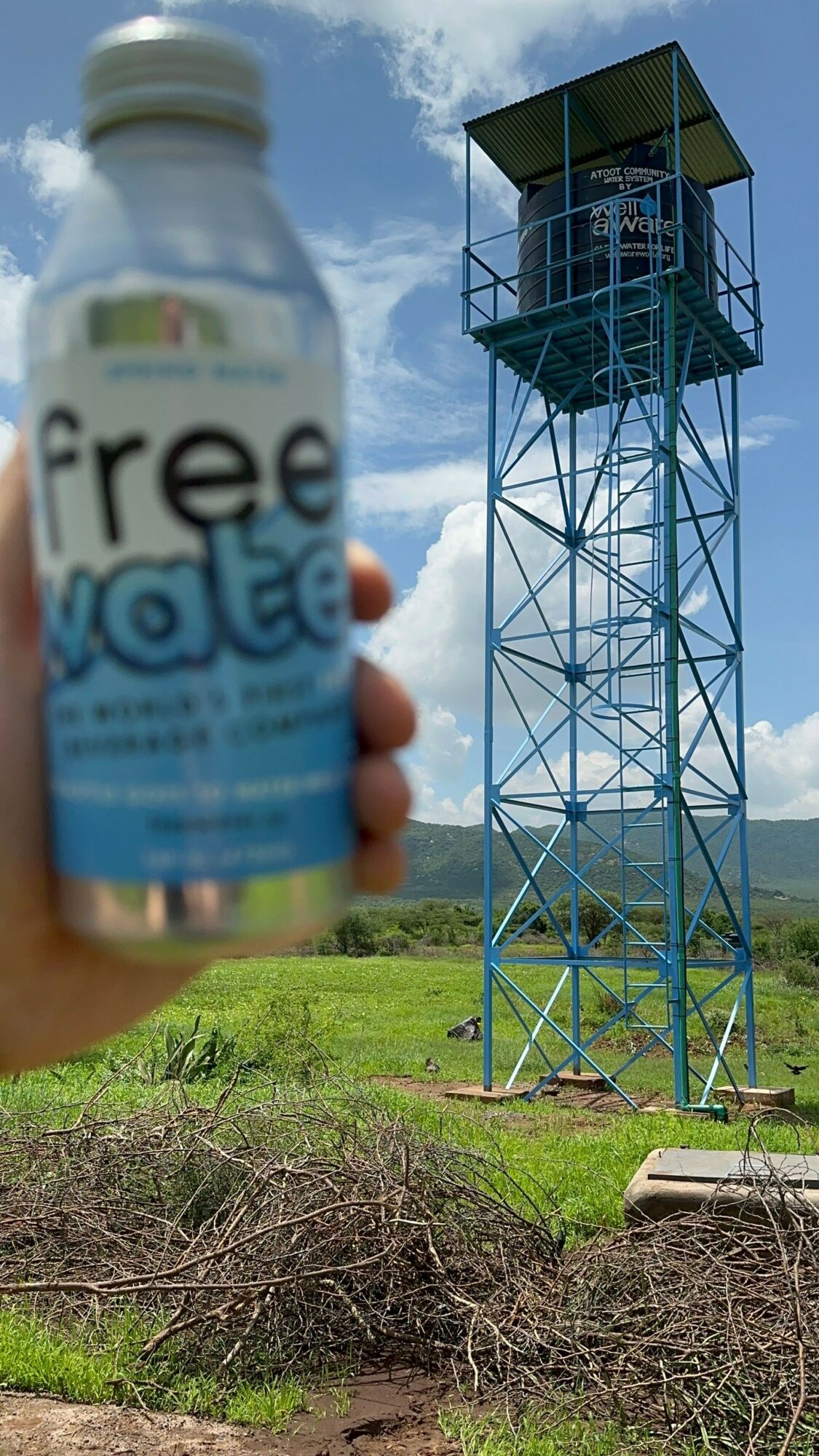
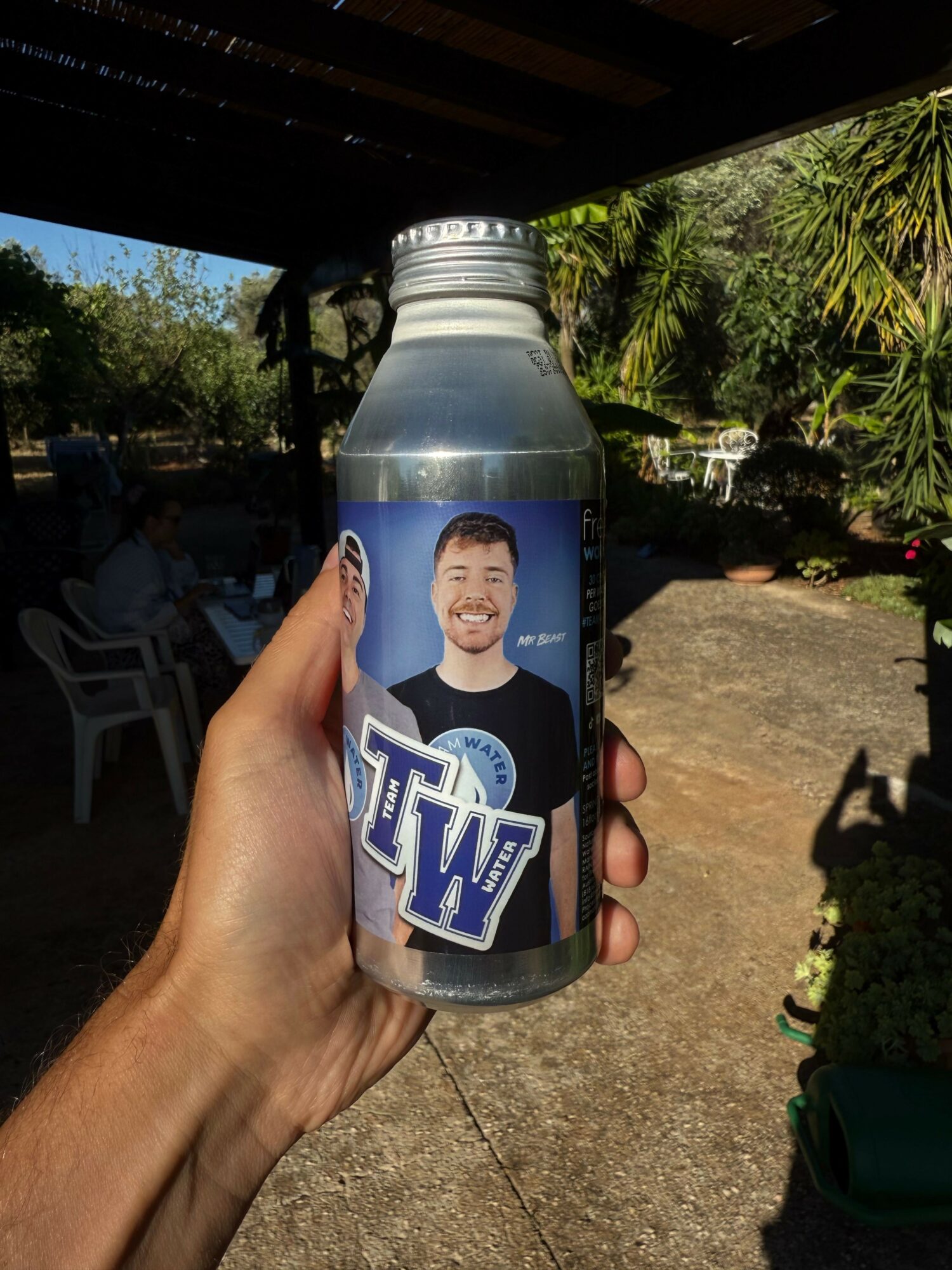
That idea eventually became FreeWater. Our beverages are free because the packaging is paid for by advertising, and every unit carries a donation to help fight the global water crisis. The larger vision is to turn everyday consumption into a system that gives back — where people can access essentials for free, brands can reach consumers in a meaningful way, and charitable impact is built directly into the product itself.
Would you say it’s been a smooth road, and if not what are some of the biggest challenges you’ve faced along the way?
No, it definitely has not been a smooth road.
One of the biggest challenges was that I did not come from the industries needed to build FreeWater. I had no real background in beverage manufacturing, advertising sales, marketing, social media, software development, logistics, or large-scale distribution. But to make the model work, I had to learn pieces of all of them from scratch.
When you build something this new without a roadmap, you make a lot of mistakes. There were production challenges, funding challenges, technical challenges, and moments where I thought we were getting close to success, only to realize we still had a lot more to figure out.
But those struggles also became part of the education. Every mistake helped clarify the model. FreeWater was not just a product we were trying to sell — it was a new system we were trying to prove. That required patience, experimentation, and a willingness to keep going even when the path was not obvious.
Alright, so let’s switch gears a bit and talk business. What should we know?
FreeWater is a free beverage company, but the most important part is that it is not just free — it is better than free.
Our beverages are paid for by advertising printed directly on the packaging, so the consumer pays nothing. But every unit also includes a donation to help fight the global water crisis. That means the product is negatively priced: the person receives the water for free, and additional value is returned through charitable impact.
That is what makes FreeWater different. We are not simply giving away a product as a promotion or charity expense. We are building a business model where the product pays for itself, creates profit, and gives back at the same time. In today’s version, that extra value is returned through donations. In the future, the same model could also pay the consumer directly.
What I want readers to understand is that FreeWater is really a proof of concept for something much bigger. If advertising, efficiency, and new value layers can make water free and charitable, the same basic model can be applied to many everyday products people already consume — food, household goods, hygiene products, and more.
Our long-term vision is not only free water. It is an entire negatively priced supermarket system, where essential goods are free or better than free, brands fund access through advertising, businesses remain profitable, and every product gives value back to people, communities, or causes. That is the larger mission behind FreeWater.
Another important part of FreeWater is that we are making the work open source. We do not want these ideas locked inside one company. We want entrepreneurs, nonprofits, brands, governments, and communities around the world to be able to copy the model, improve it, and apply it to whatever product or service they choose. The more people who build free and negatively priced systems, the faster this idea can spread beyond water.
To help make that possible, we are publishing the framework through our first two books. How To Make A Free Product Company is a practical, step-by-step guide for building free or negatively priced goods and services. Abundance Engineering goes deeper into the theory behind the model — how to engineer systems that move beyond zero, give back more than they take, and turn everyday products into engines for impact. Our hope is that FreeWater becomes one example among many, not the only one.
We love surprises, fun facts and unexpected stories. Is there something you can share that might surprise us?
Something that may surprise people is that beyond FreeWater, I have spent nearly a decade independently researching and working in the space of free and negatively priced products. FreeWater is the visible example, but the deeper work is about what happens when goods and services move past zero — when they are not only free, but return value back to the person, a community, or a cause.
Once you cross zero, a lot changes. Economics changes, because the relationship between buyer and seller is no longer based on extracting payment at the point of use. Psychology changes, because people interact differently with products when price is no longer the barrier. Data changes, because choices become a clearer reflection of what people actually want instead of what they can afford. And over time, even infrastructure and governance could change, because so much of modern society is built around the assumption that people must pay to access the basics of life.
The world today largely operates on a “pay to live” model. My work asks what would happen if we engineered the opposite — systems where people can receive essential goods for free or better than free, while the business still earns money and no one has to lose. That is the larger research behind FreeWater, and it is the idea I am now exploring through my books and open-source work.
Contact Info:
- Website: https://www.freewater.io/
- Instagram: https://www.instagram.com/freewater.io/?hl=en
- LinkedIn: https://www.linkedin.com/in/josh-cliffords-3155247a/
- Youtube: https://www.youtube.com/@FreeWaterio