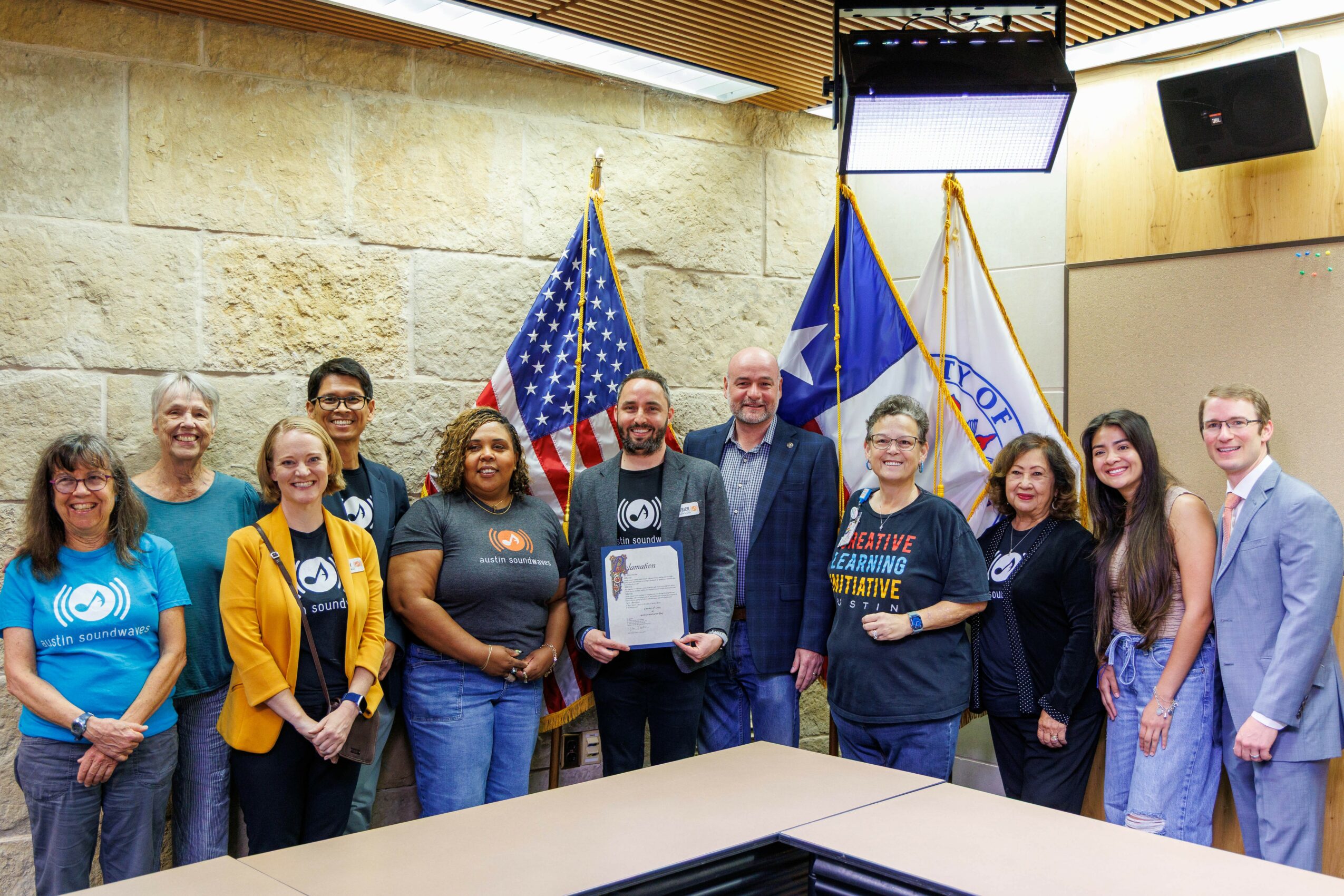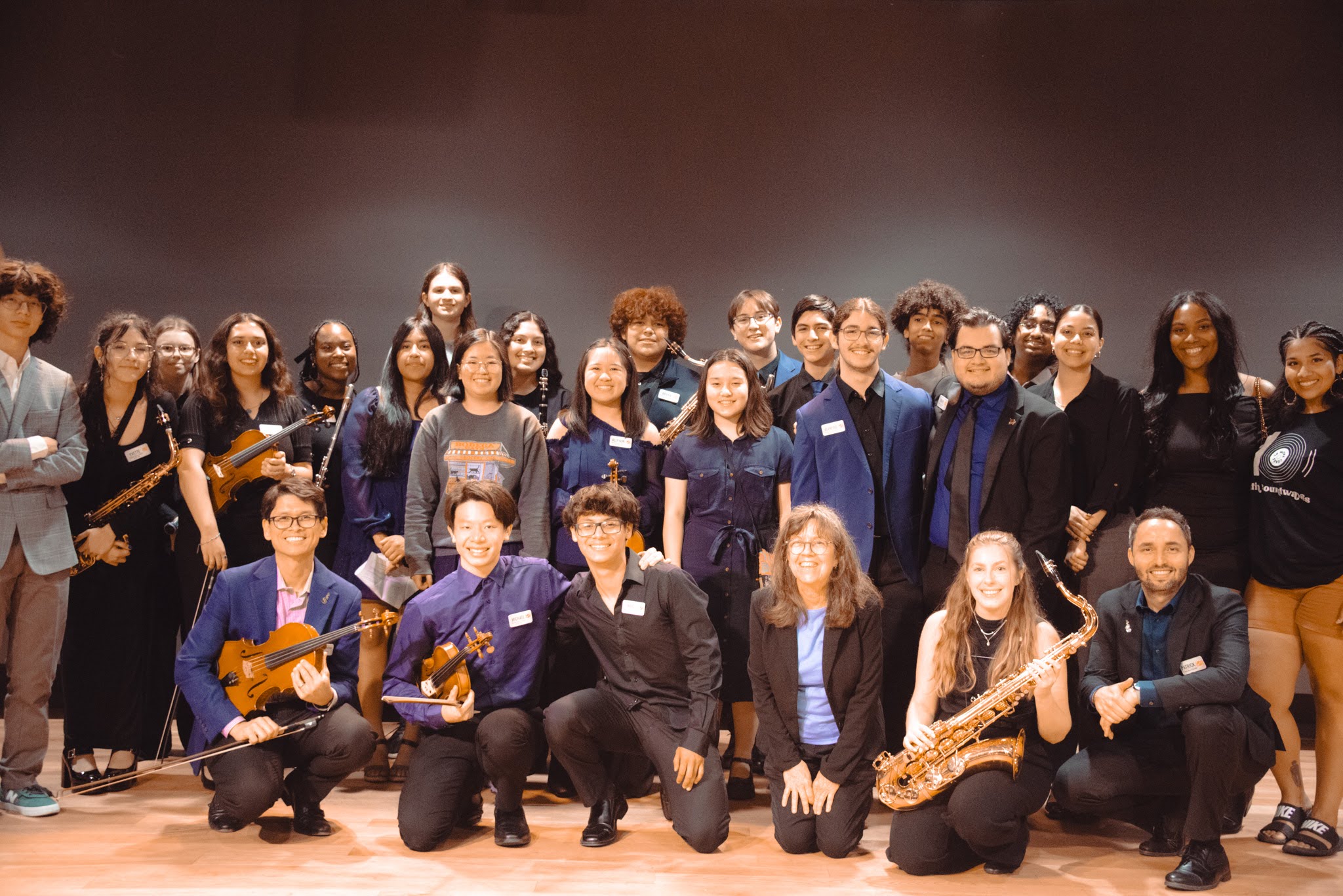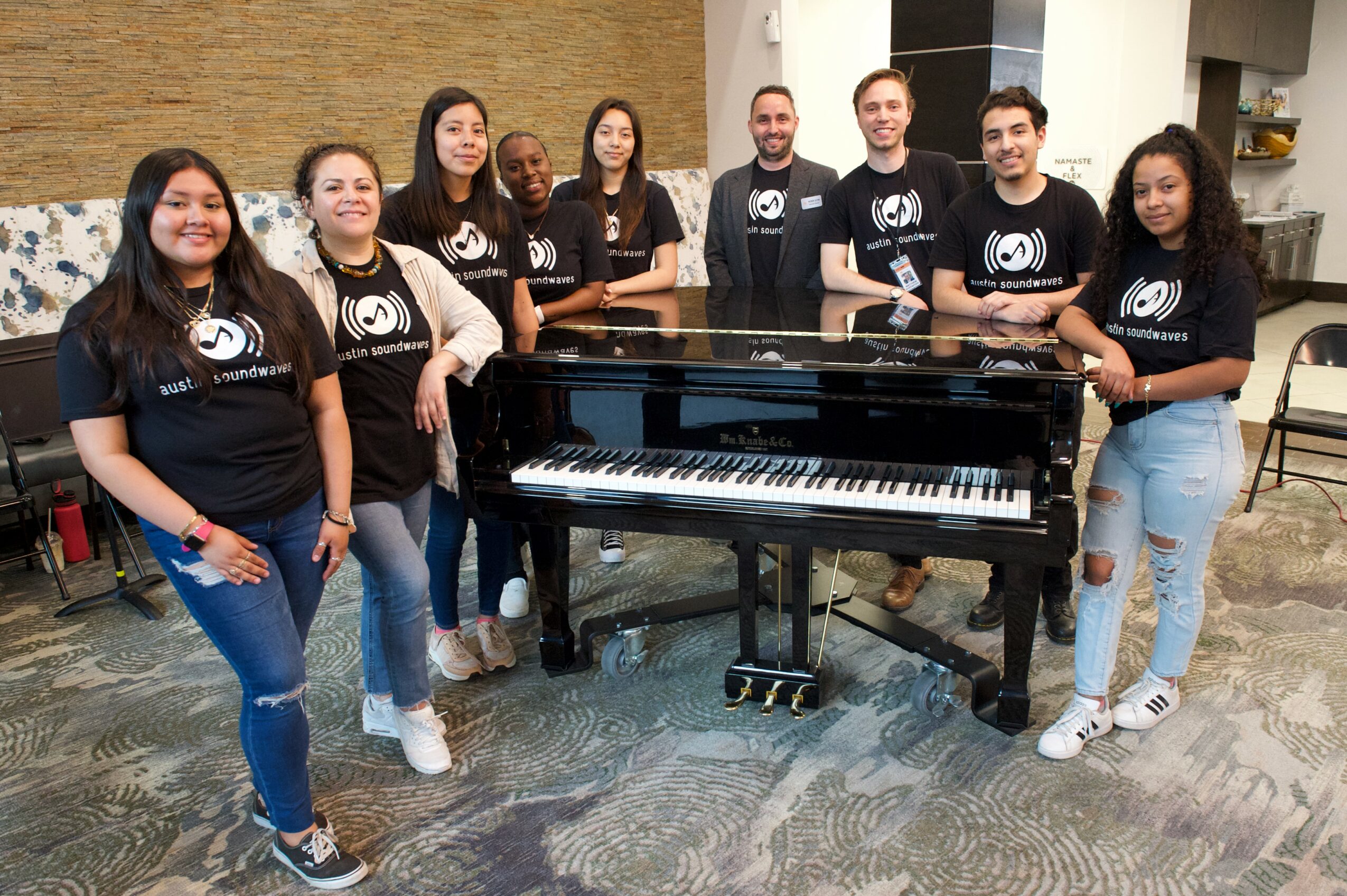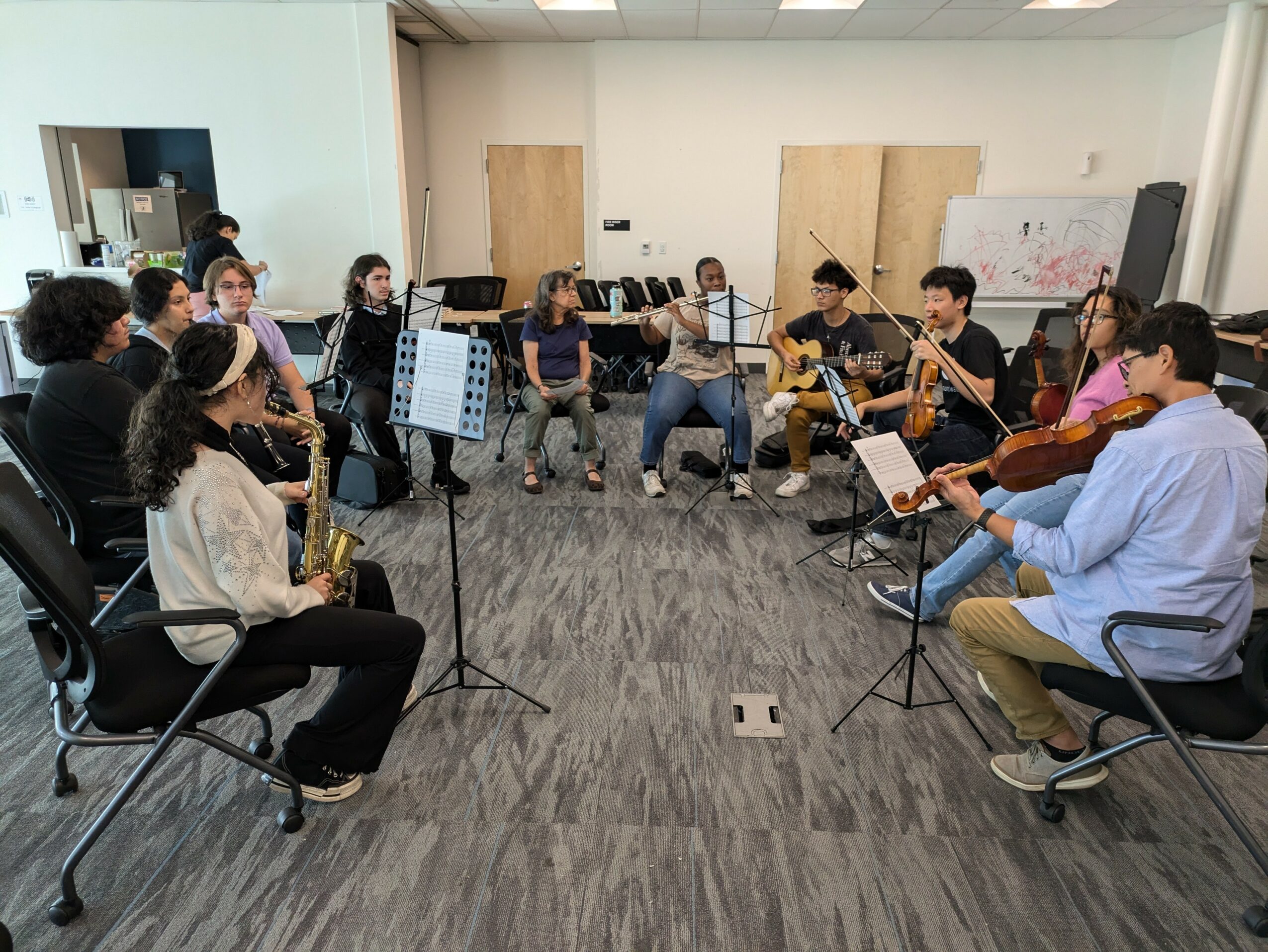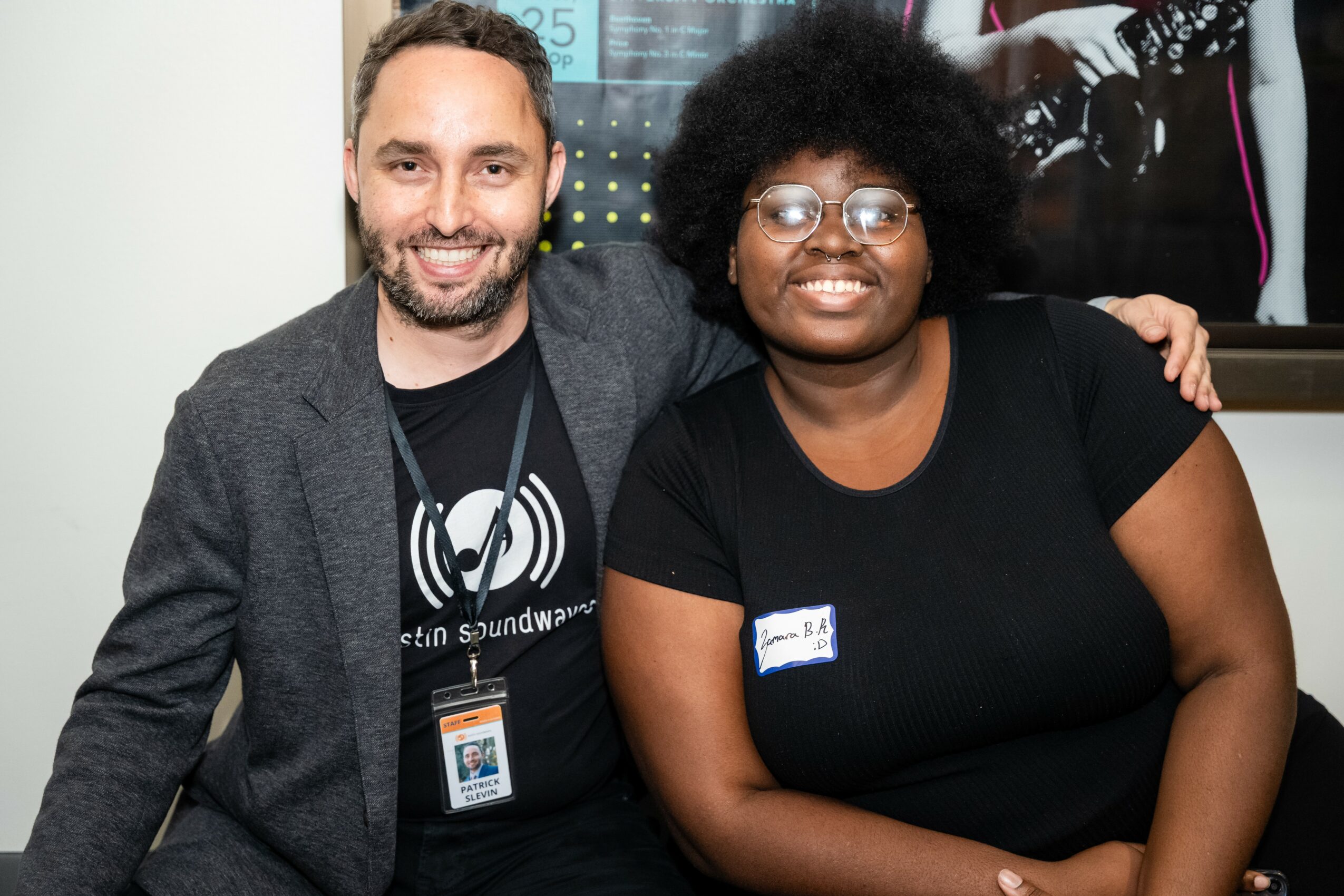



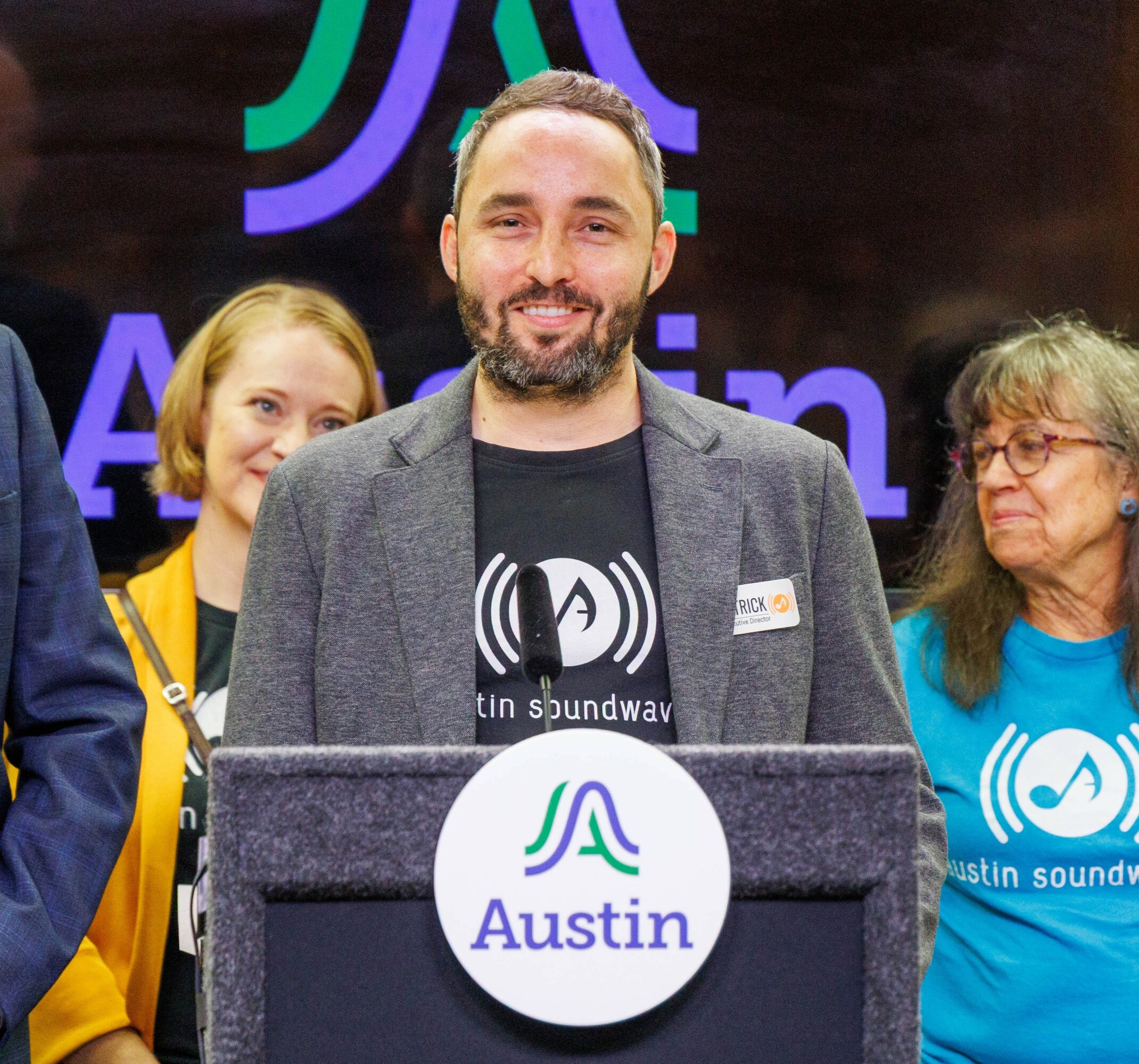
Today we’d like to introduce you to Patrick Slevin.
Patrick, we appreciate you taking the time to share your story with us today. Where does your story begin?
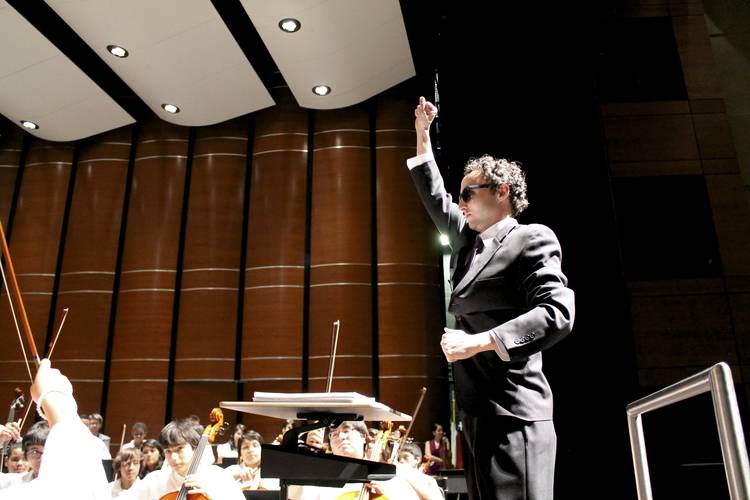
I grew up playing drums and percussion and spent a lot of time in band rooms, orchestras, and youth programs. I actually went to a high school that didn’t have an especially strong music program, so a big part of my musical education happened outside of school. On Monday nights, I played with the American Youth Philharmonic youth orchestras, and that experience really expanded my sense of what was possible. I was suddenly around students, conductors, and teachers who pushed me to a much higher level.
As I got older, I started noticing how uneven access to those kinds of opportunities could be depending on a student’s school or family resources.
I studied at Northwestern University in Chicago and later spent time in Boston at New England Conservatory. During those years, I was performing, teaching in schools and community programs, and trying to learn from as many different environments as possible. Somewhere along the way, I also performed on America’s Got Talent, which was definitely a unique experience.
A major turning point for me was participating in the Sistema Fellows Program. Through that experience, I traveled around the U.S. and to Venezuela visiting community-based music programs and spending time with educators and students. It changed how I thought about long-term music education, community, and what young people are capable of when they have consistent support and high expectations.
I started Austin Soundwaves in 2011. In the early years, I was teaching classes, writing grants, hauling percussion equipment around Austin, organizing concerts, and trying to slowly build trust with families and schools.
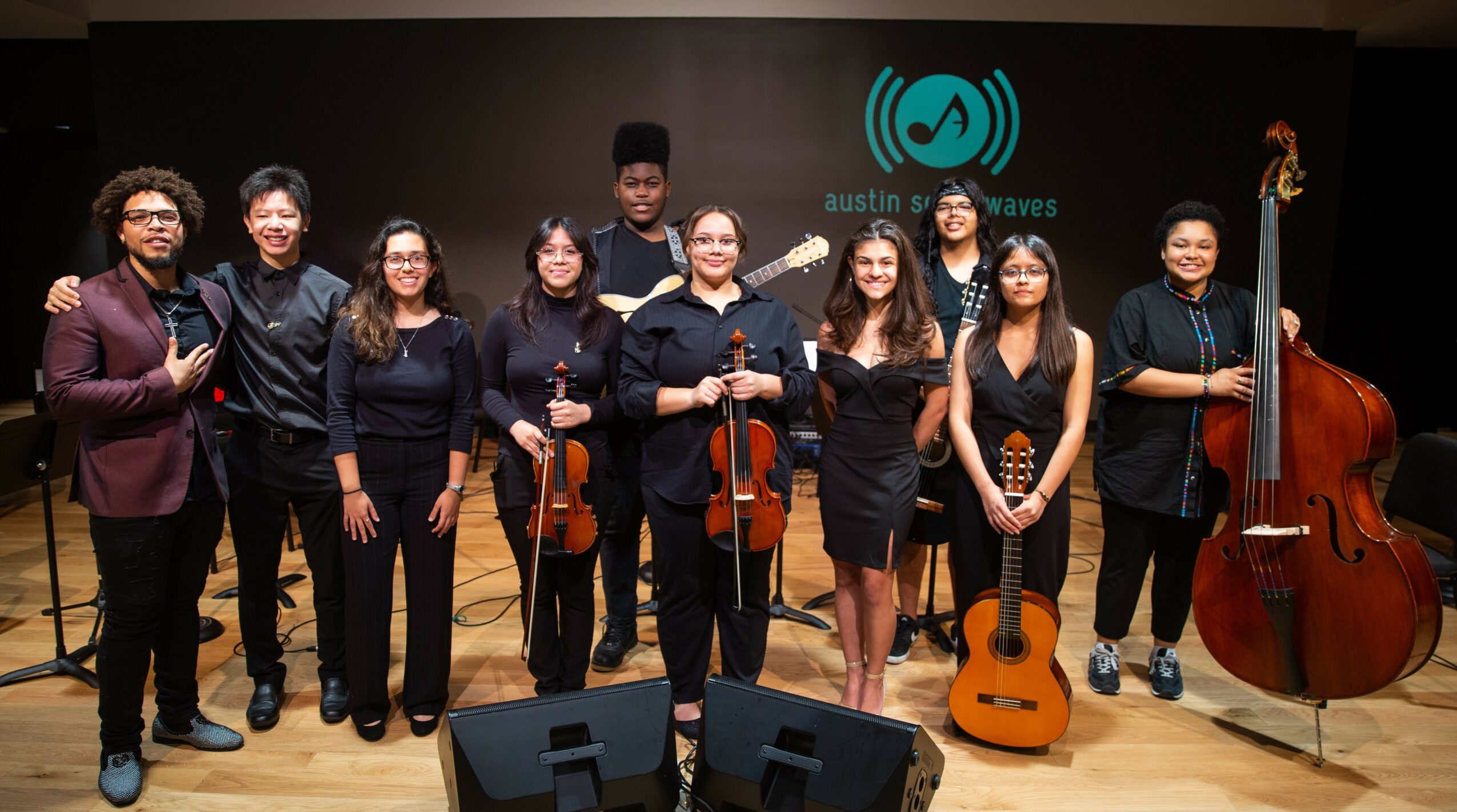
Fifteen years later, Austin Soundwaves now serves more than 2,000 students annually through school partnerships, 9 community programs, and Summer Music Camps. One of the best parts has been seeing former students come back as educators and professional musicians themselves.
Right now, we’re preparing to open the Community Arts Collaborative, a 25,000-square-foot purpose-built arts center. It will become the first permanent home for Austin Soundwaves and will allow us to double the number of students we serve.
We all face challenges, but looking back would you describe it as a relatively smooth road?
Definitely not. I started Austin Soundwaves when I was pretty young, and in the beginning I mostly focused on the programming side because that’s what I knew best. I could teach, perform, connect with students, and build ensembles. Running an organization was a completely different skill set.
There were years where things felt very uncertain financially. I remember one moment early on when our business bank account had dropped to $4.67 and payroll was due in two days. Experiences like that force you to become much more disciplined and thoughtful very quickly.
I think a lot of people assume mission and passion are enough to sustain a nonprofit, especially in the arts. They matter, but at a certain point you also have to learn how to build systems, manage people well, create financial stability, and make decisions for the long-term health of the organization.
On a more personal level, I think I’ve spent a lot of the last 15 years figuring out my own identity within all of this. At different points, I’ve thought of myself primarily as a percussionist, educator, nonprofit leader, fundraiser, or administrator. Those roles can pull you in very different directions. More recently, starting a family has added another layer and has made me think differently about balance, time, and the kind of life I want to build alongside the work.
Continuing to perform has actually helped me keep perspective. In leadership roles, everything can start to feel like it sits on your shoulders all the time. Performing reminds me what it feels like to simply focus on my own role, trust the people around you, and be part of a larger group effort. I think that balance has made me a better leader over time.
We’ve been impressed with Austin Soundwaves, but for folks who might not be as familiar, what can you share with them about what you do and what sets you apart from others?
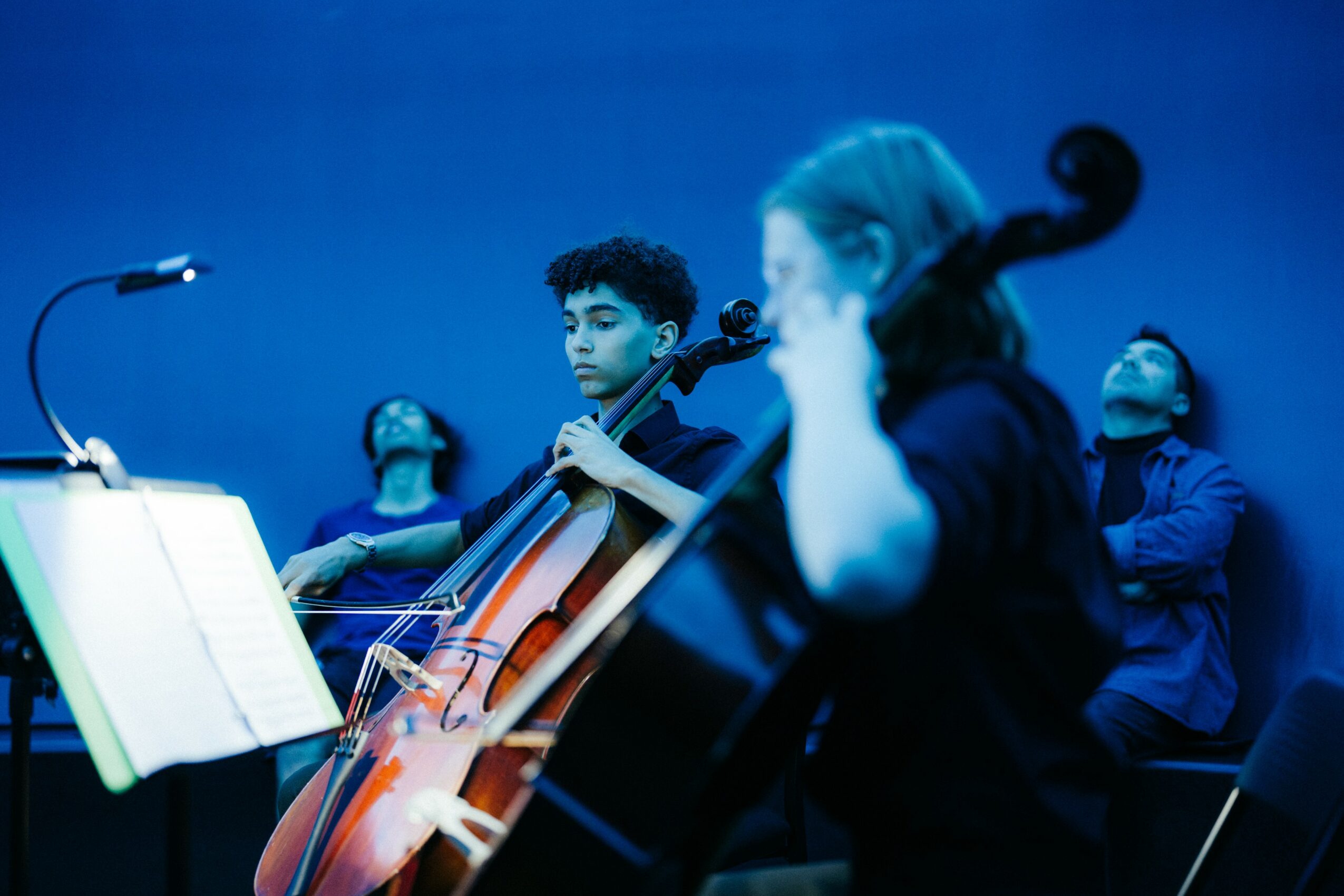
Austin Soundwaves is a nonprofit music education organization that provides students of all ages across Central Texas with access to high-quality music education, mentoring, and performance opportunities.
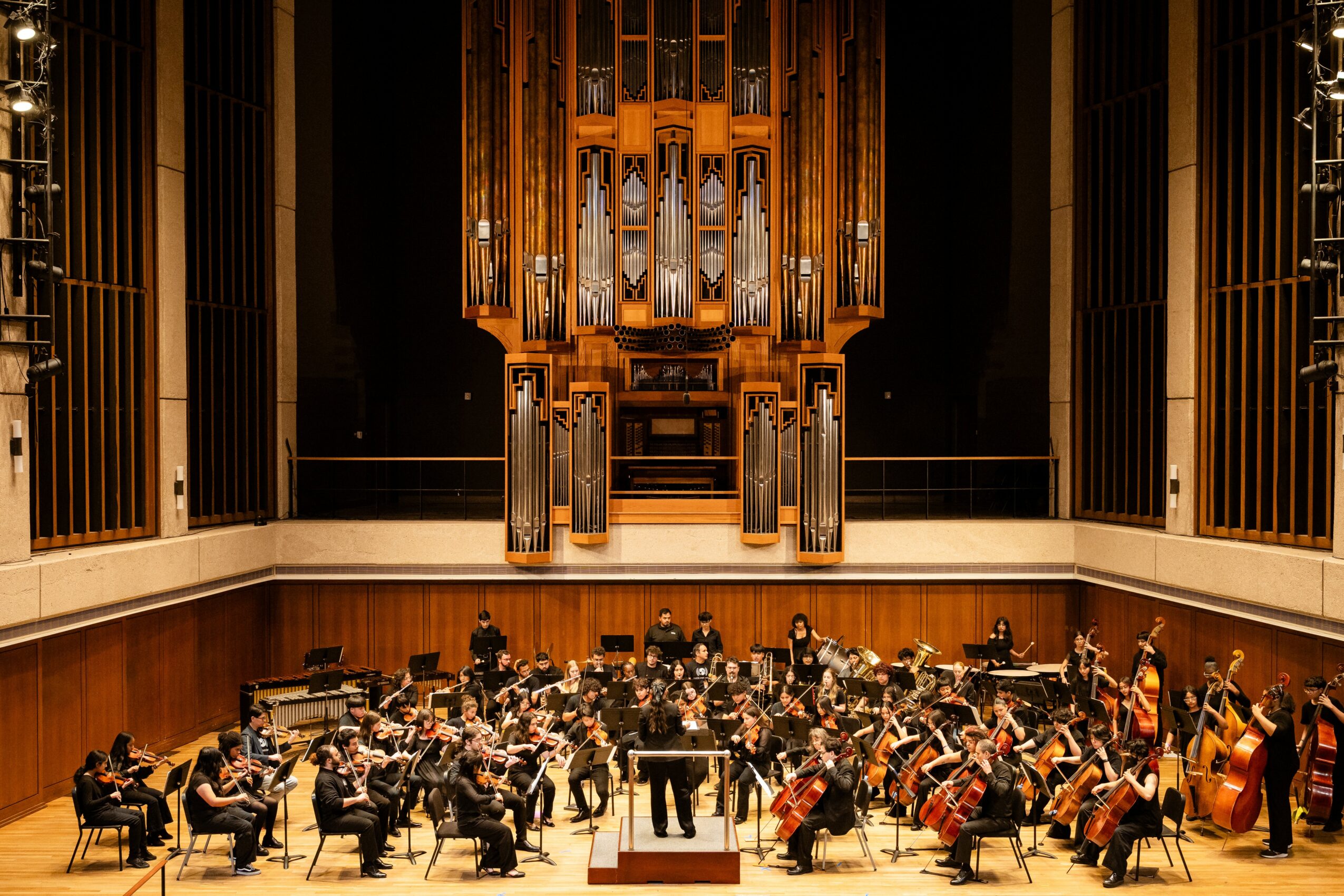
Today, we serve more than 2,000 students annually through school partnerships, youth ensembles, private lessons, summer camps, and programs like Mariachi Para Todos, Soundwaves Symphony, and the Draylen Mason Fellowship Program. Some students participate for a summer, while others stay with us for 10 or 15 years and eventually come back as mentors, teaching artists, or professional musicians themselves.
I think one thing that sets us apart is that we don’t see “access” and “excellence” as competing ideas. Sometimes in arts education those concepts get framed against each other, but we’ve always believed students deserve both high expectations and strong support systems.
We’re also collaborative by nature. A lot of our work has grown through partnerships with public schools, universities, artists, arts organizations, and community groups throughout Austin. We try to think long-term and build programs that are genuinely connected to the communities they serve rather than just dropping in temporarily.
Brand-wise, I’m probably most proud that the organization still feels human as we’ve grown. The culture of the organization matters a lot to me. We want students to experience real artistic rigor and accountability, but also feel known, welcomed, and part of a community. I’m also proud that many of our alumni stay connected long after graduation, whether they become professional musicians, educators, volunteers, donors, or simply lifelong supporters of the arts.
Right now, we’re preparing to open the Community Arts Collaborative, a 25,000-square-foot purpose-built arts center that will become our first permanent home. That’s a major milestone for us because it will allow us to expand programs, deepen partnerships, and double the number of students we serve while creating a long-term home for community-based arts education in Austin.
What do you like and dislike about the city?
One thing I really like about Austin is that people here genuinely support creative work and new ideas. There’s still a strong culture of collaboration across the arts, education, and nonprofit communities, and a lot of meaningful partnerships happen organically through relationships and shared projects.
I also just enjoy living here. I love going to Austin FC matches, seeing performances by local arts organizations, catching shows at clubs around the city, and spending time on the bike trails. The Moody Center has also brought a lot of great concerts and events through Austin that probably wouldn’t have happened here 10 or 15 years ago.
What worries me most is affordability and the increasing difficulty of sustaining creative communities long-term. Austin has grown incredibly fast, and many artists, educators, musicians, and families are getting priced out or stretched thin. That has real consequences for the cultural life of the city. It becomes harder to maintain the kind of diverse and accessible creative ecosystem that made Austin special in the first place.
I also think the city is still trying to figure out how to grow without becoming more fragmented and disconnected in the process.
Contact Info:
- Website: https://www.austinsoundwaves.org/
- Instagram: https://www.instagram.com/atxsoundwaves/
- Facebook: https://www.facebook.com/AustinSoundwaves
- LinkedIn: https://www.linkedin.com/in/patrick-slevin/
- Youtube: https://www.youtube.com/@austinsoundwaves