

Today we’d like to introduce you to Randal Ford.
Randal, we appreciate you taking the time to share your story with us today. Where does your story begin?
I’m an Austin-based photographer and director, and I’ve spent more than twenty years creating portraits and commercial images. Over time, photographing animals became a major part of my personal work, and that grew into a fine-art collection of limited-edition animal portraits.
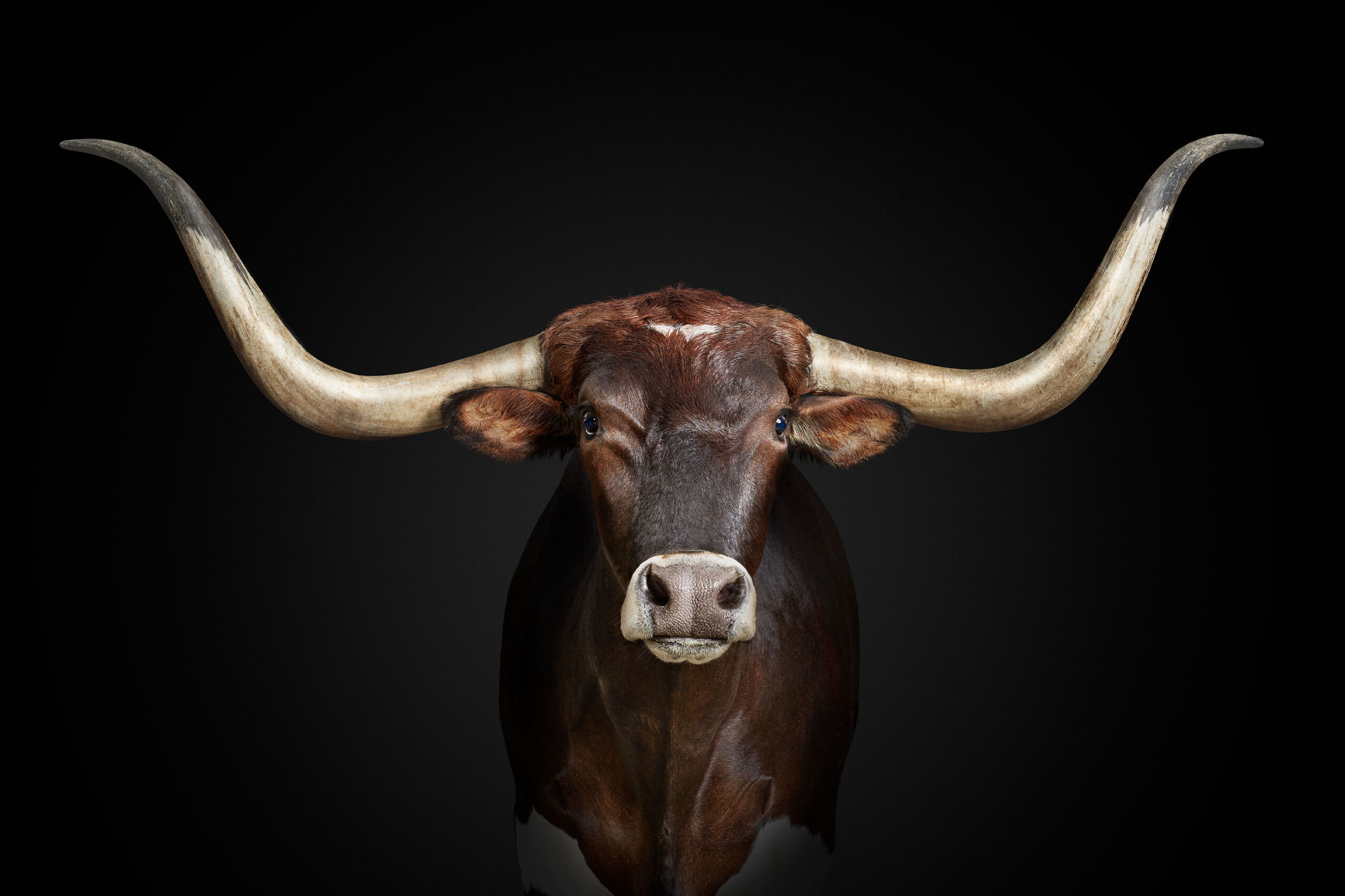
My approach is rooted in studio portraiture: simple backgrounds, deliberate lighting, and close attention to the subject. An animal’s surroundings can tell you a lot about where it lives. Removing those surroundings gives you a different way to look at it. You start noticing the shape of a horn, the structure of feathers, or a slight shift in posture.
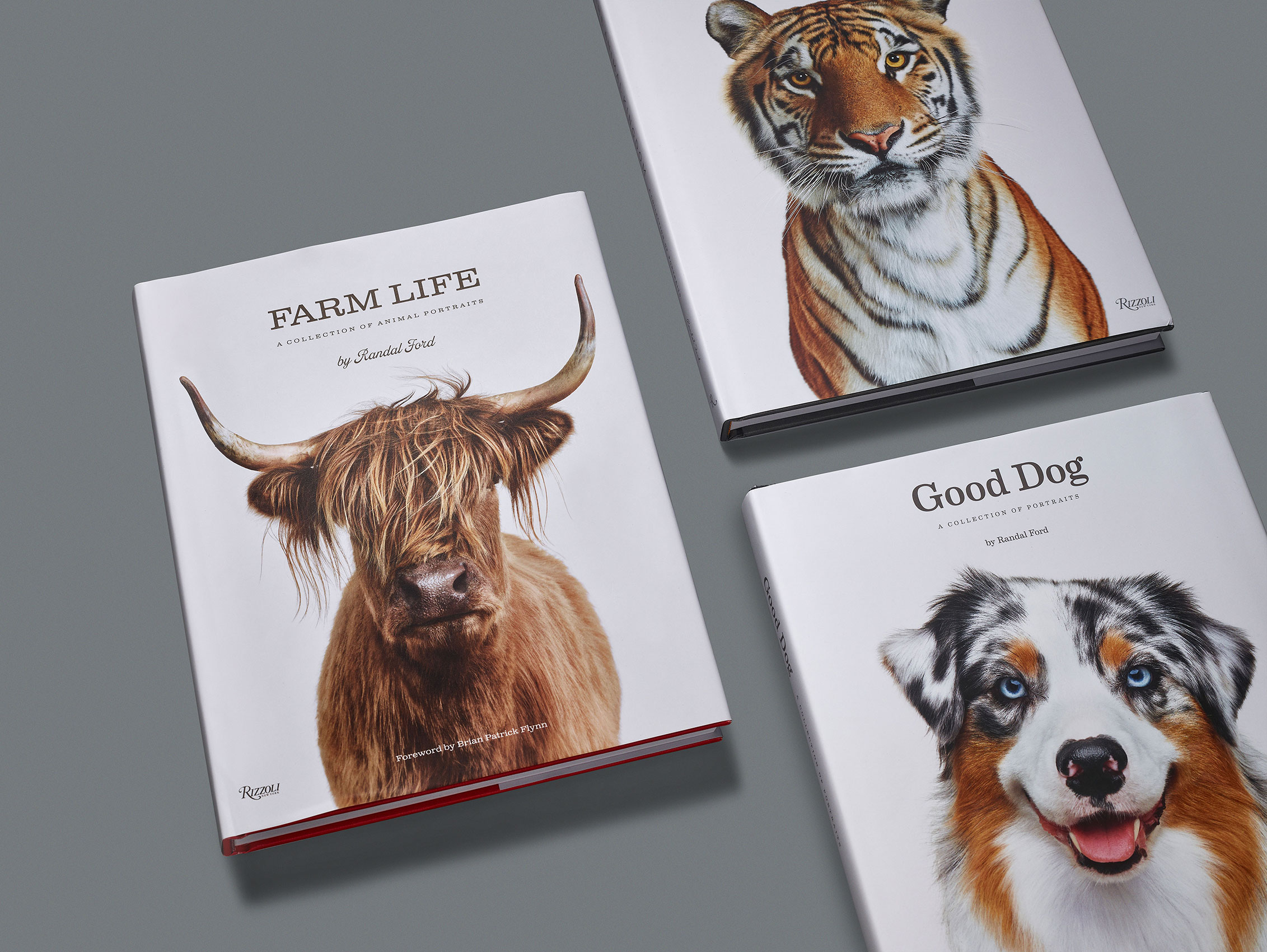
That work has become three books published by Rizzoli: The Animal Kingdom in 2018, Good Dog in 2020, and Farm Life in 2024. Each gave me an opportunity to spend more time with a particular group of animals and build a collection that holds together as a whole.
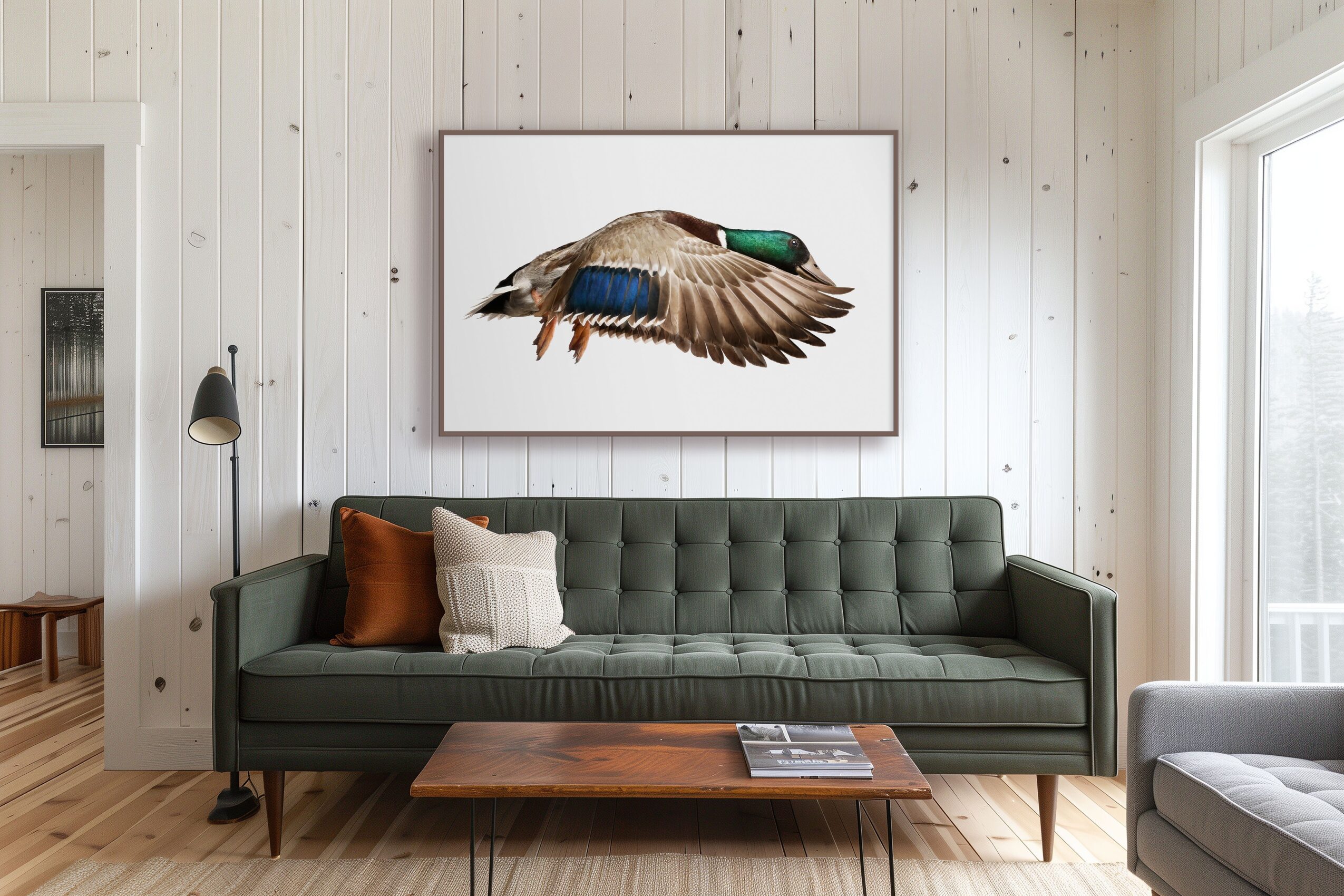
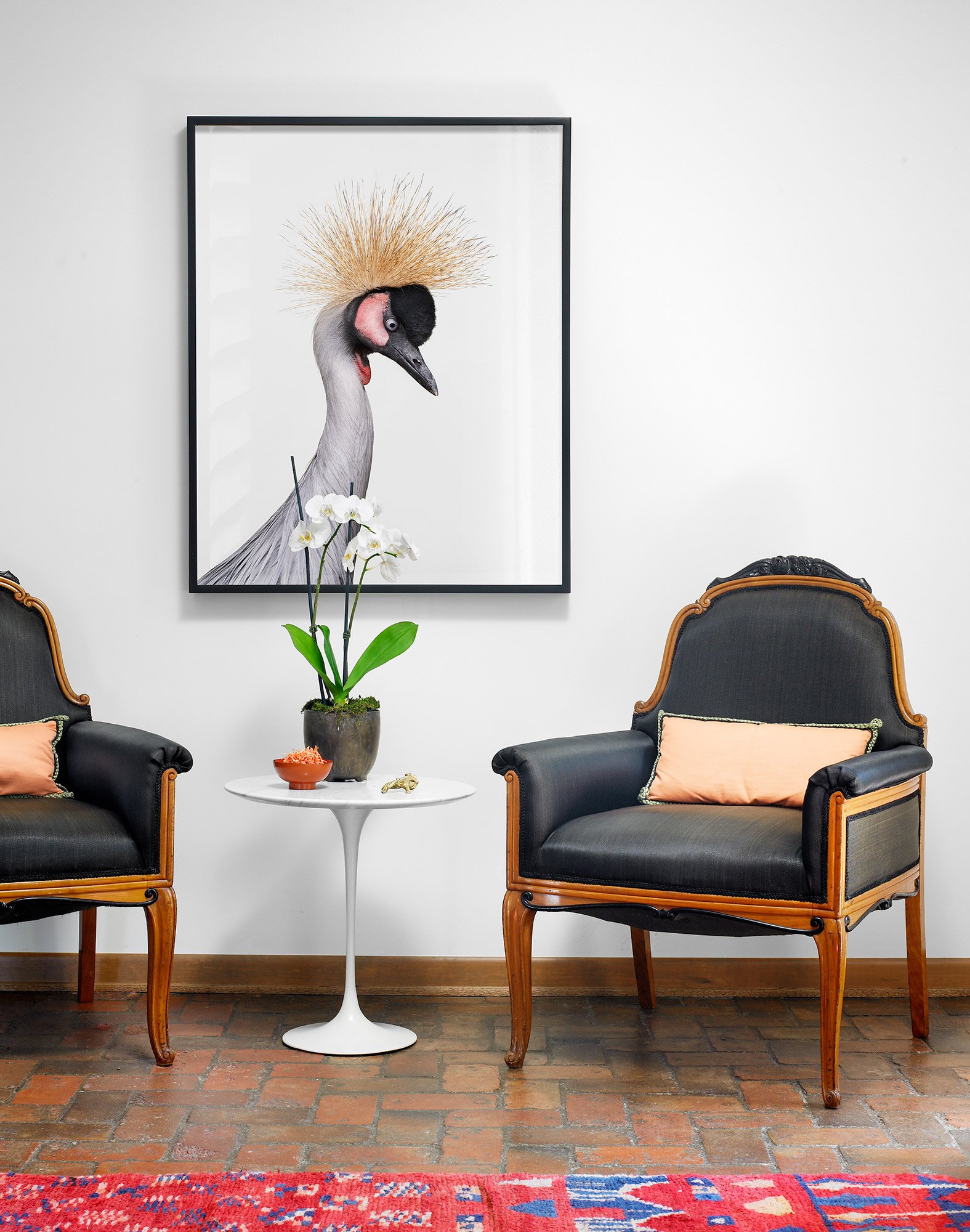
Today, a major part of my practice is creating fine-art photographs for collectors and working with people to find the right piece for their homes. It’s rewarding to see a photograph move from a moment on set to something someone lives with every day.
I also continue to work actively in commercial photography and directing. The two sides of my career keep me engaged in different ways. Commercial projects involve collaboration and solving a particular creative challenge; my personal work gives me room to follow my own curiosity.
Would you say it’s been a smooth road, and if not what are some of the biggest challenges you’ve faced along the way?
It hasn’t been a completely smooth road. One ongoing challenge is making enough room for personal work while running a business. A commercial assignment comes with a brief and a deadline. A personal project depends on you deciding it matters enough to keep showing up for it, even before you know where it will lead.
There’s also a difference between making a photograph people enjoy and building a sustainable fine-art practice around it. The photograph is the starting point. Print quality, edition information, framing, shipping, and communication all affect someone’s experience of owning the work. I’ve had to give those details the same attention I give the image.
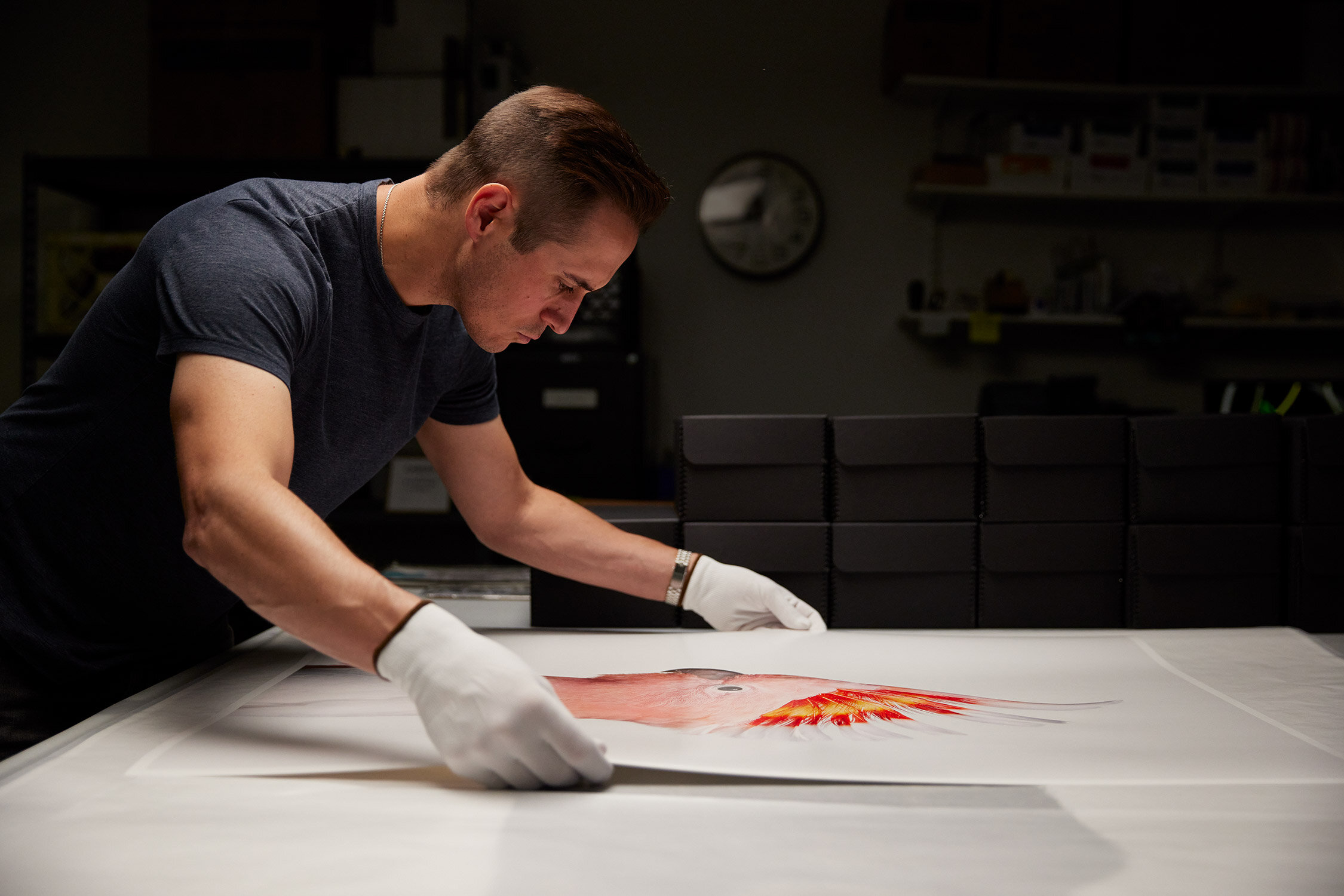
Another challenge is helping people understand a physical print through a screen. Most people first encounter my photographs on a phone, but a large print has a very different presence. You can see individual hairs, fine feather patterns, and subtle changes in the light. Scale becomes part of the experience.
That has pushed me to think more about what collectors actually need to know. How large should the piece be? What does a limited edition mean? How should it be framed? Those are reasonable questions, especially for someone buying their first photograph, and I want people to feel comfortable asking them.
As you know, we’re big fans of you and your work. For our readers who might not be as familiar what can you tell them about what you do?
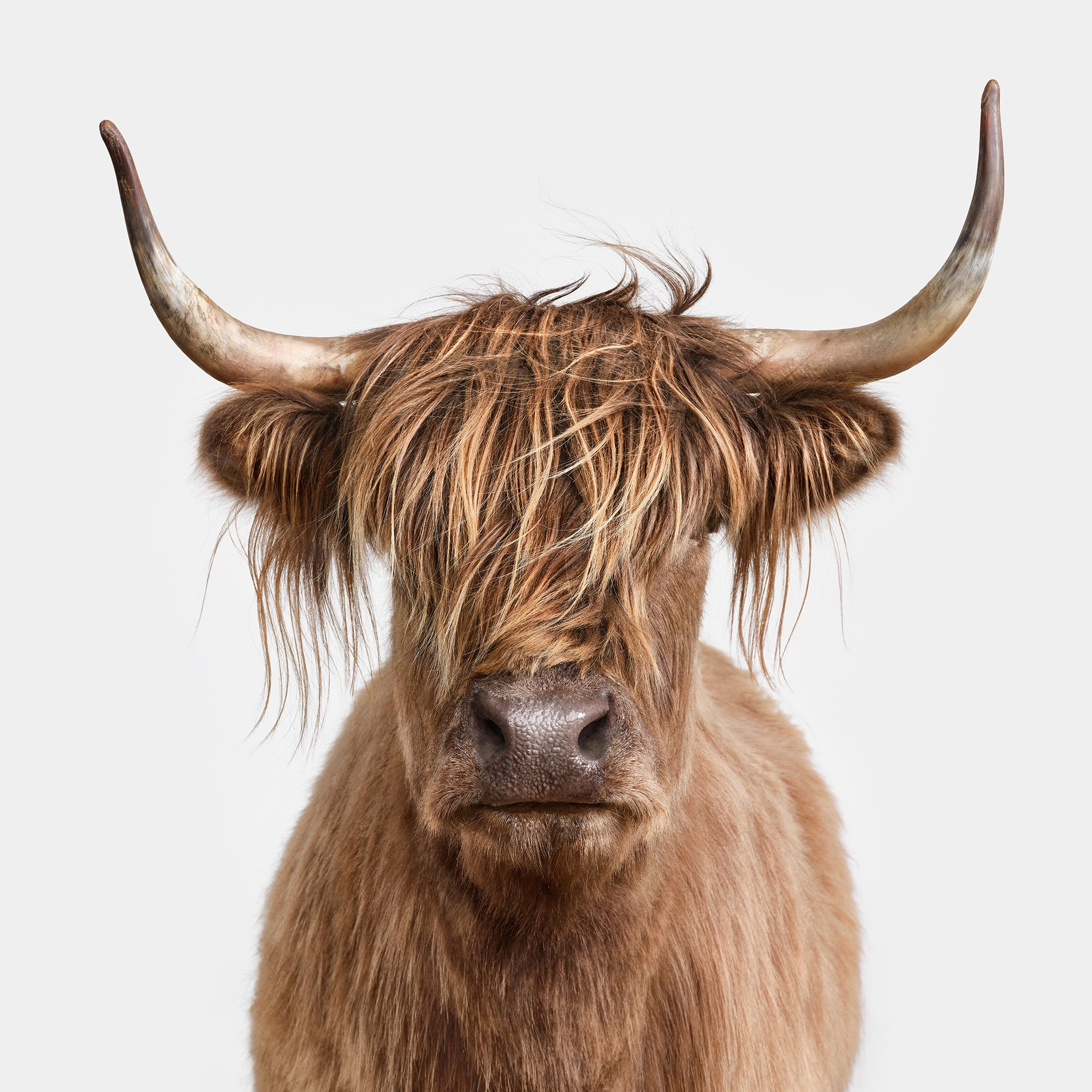
I’m best known for studio portraits of animals, which I offer as limited-edition fine-art prints. The collection includes Highland cows, birds, horses, dogs, and wild animals, photographed with a consistent approach to lighting and composition.
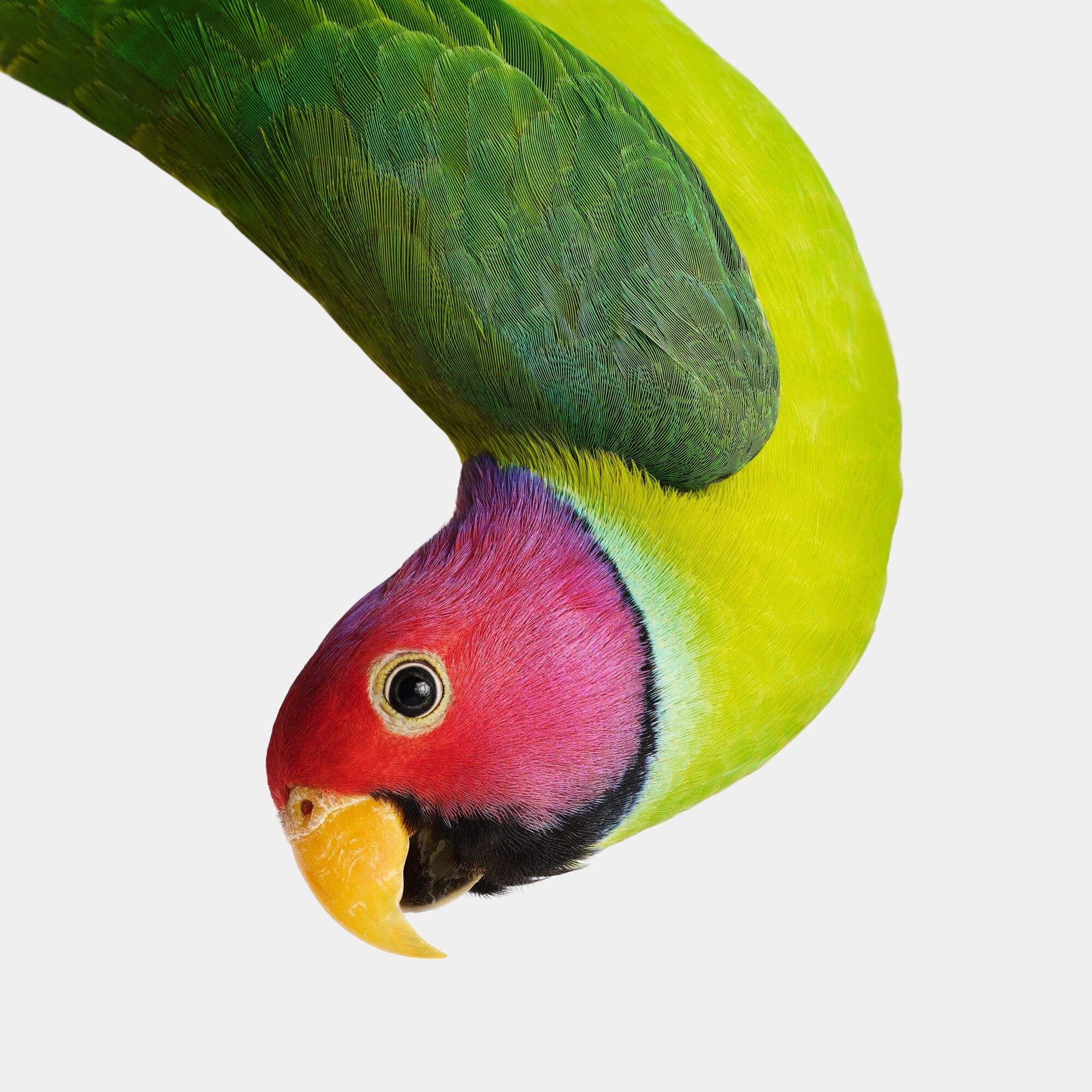
Highland cows are wonderful subjects because so much is happening visually: the sweep of the horns, the texture of the coat, and sometimes just a small glimpse of an eye. Birds offer a different set of possibilities. Their feathers, colors, and silhouettes can make an image almost abstract before you recognize the animal. I’ve been spending more time exploring birds, and there’s a lot there that continues to surprise me.
I think about how those details will translate into a finished print. A portrait needs to hold your attention across a room and reward you when you move closer. My paper prints use archival pigment inks on Hahnemühle Photo Rag Baryta, a substantial cotton paper that reproduces both fine detail and deep tones beautifully. Each comes with a certificate of authenticity identifying the artwork and its edition number.
For someone considering a photograph, I’d start with the image you keep coming back to. Then we can work through the practical questions: available sizes, edition availability, framing, and how the piece will sit in the room. A limited edition means the number of prints is capped within that edition, so it’s worth understanding how the editions are organized by size. The dimensions of the finished frame matter, too, as does the distance from which you’ll usually see the work.
You don’t need an art background to make a good choice. You should understand what you’re buying and have a connection to it. I want someone to enjoy the photograph long after the initial excitement of putting it on the wall.
One milestone I’m especially proud of is having my work selected for Animal Model: 200 Years of Photography at Photo Elysée in Lausanne, Switzerland. The exhibition runs from December 4, 2026, through April 4, 2027, and includes photographers such as Richard Avedon, Henri Cartier-Bresson, Elliott Erwitt, and William Wegman. Having my photographs included in that history is an honor.
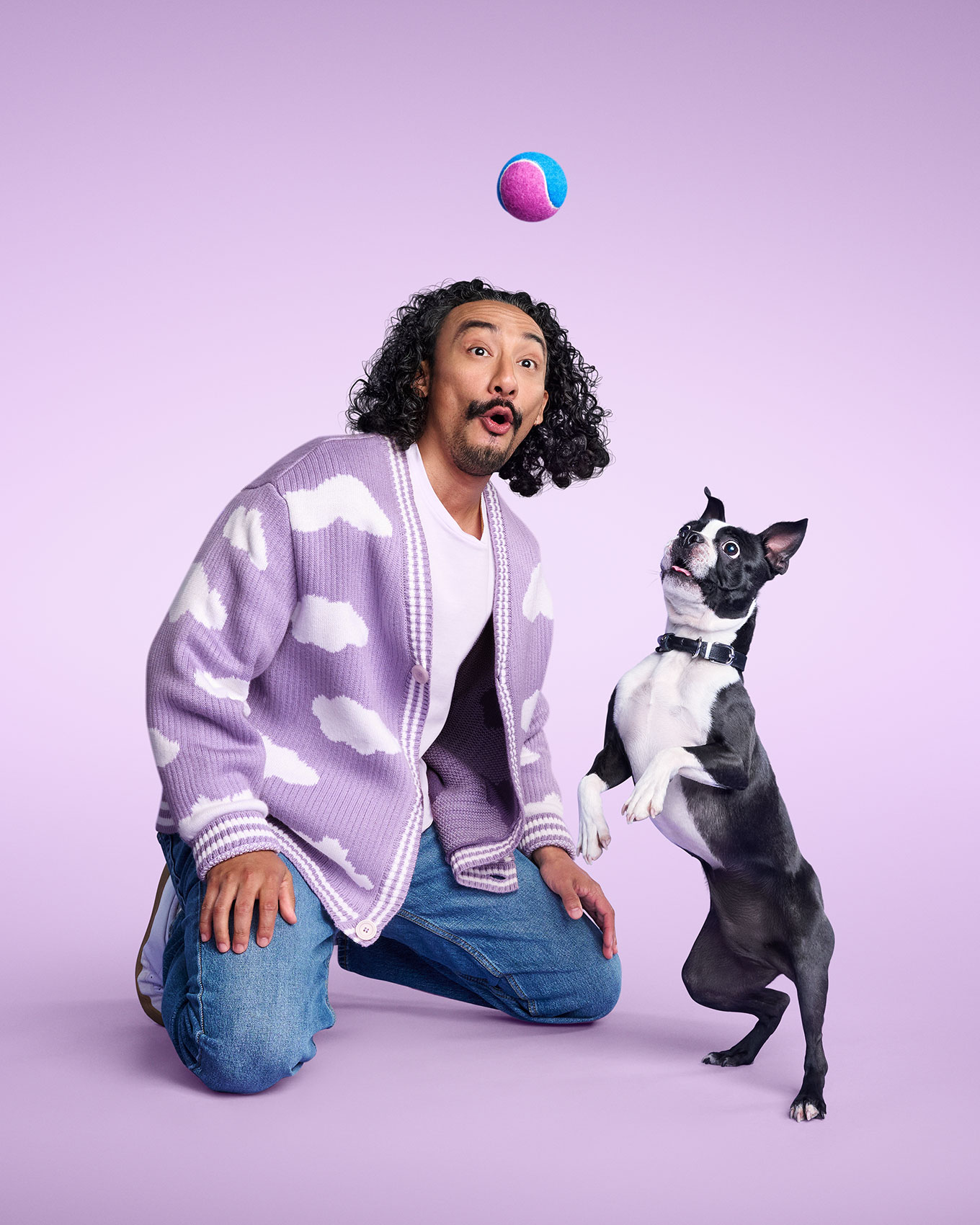
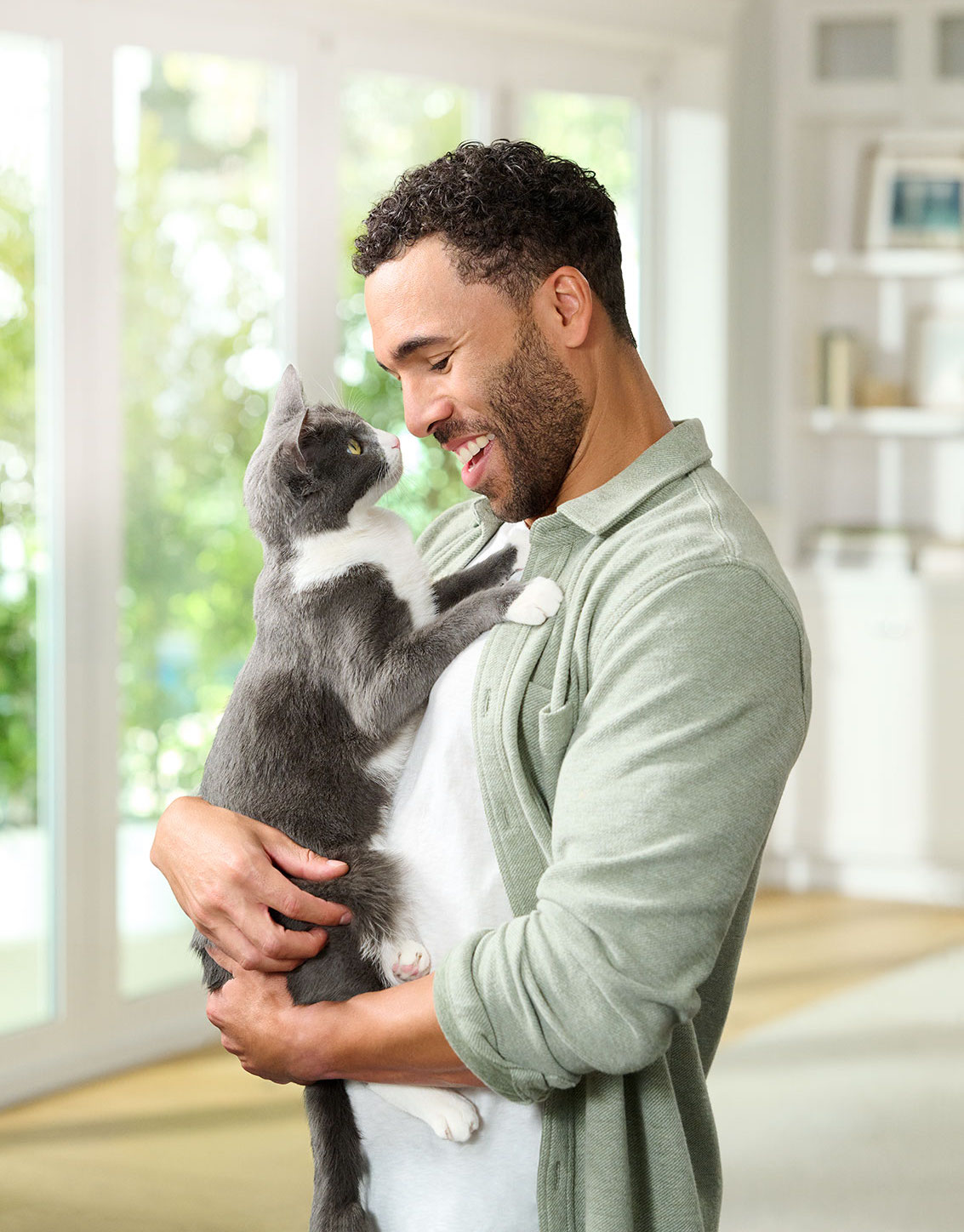
Alongside my fine-art practice, I’m an Austin-based commercial photographer and director working with brands and advertising agencies on national campaigns. Commercial pet photography is a particular specialty, including work for Purina that brings pets and people together. Those shoots draw on my experience photographing animals and directing people, with careful attention to lighting, timing, and the relationship between them. I enjoy the collaboration and production that go into these projects, and commercial work remains a substantial part of my career.
Fine-art animal portraits, available prints, and books: https://randalford.art
Commercial photography and directing: https://randalford.com
Before we let you go, we’ve got to ask if you have any advice for those who are just starting out?
Make personal work before someone hires you to make it. It’s difficult for people to imagine what you could do if they’ve never seen you do it. A focused series gives them something concrete to respond to, and it helps you figure out what you actually want to spend your time creating.
I’d also encourage photographers to print their work. Living with a photograph on a wall teaches you things you won’t learn from scrolling past it. You notice what holds your attention, what becomes distracting, and which images you still enjoy months later. That’s useful feedback.
Learn the business side early. Understand your costs, price your time thoughtfully, communicate clearly, and follow through. Being dependable matters. So does making the experience enjoyable for the people working with you.
And give a promising idea enough time to develop. You don’t have to reinvent your work every few months. Sometimes the most worthwhile thing you can do is stay curious about a subject and keep looking more carefully.
Contact Info:
- Website: https://randalford.art/
- Instagram: https://www.instagram.com/randalford/
- LinkedIn: https://www.linkedin.com/in/randalford/
- Other: https://randalford.com/