


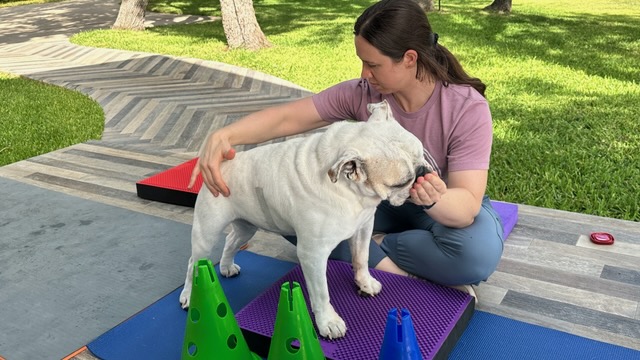
Today we’d like to introduce you to Sonia Lucas.
Hi Sonia, please kick things off for us with an introduction to yourself and your story.
Like many people in veterinary rehabilitation, my path wasn’t a straight line. I actually began my career as a zookeeper, where I discovered how rewarding it was to care for animals and build relationships with both them and the people who loved them. Eventually, I decided to pursue a Doctor of Physical Therapy degree, believing I had left my animal career behind. During PT school, however, I discovered there was an emerging field where physical therapists could apply their expertise to helping animals, and it felt like everything came full circle. It combined my passion for animals with my fascination for movement, biomechanics, and helping patients regain their independence.
After earning my Doctor of Physical Therapy (DPT) degree, I practiced in human physical therapy for about a year before completing my Certified Canine Rehabilitation Therapist (CCRT) certification through the Canine Rehabilitation Institute. Once I found canine rehabilitation, I knew it was exactly where I was meant to be. I made the leap to working exclusively with dogs and launched Austin Canine Rehab & Wellness, which has since grown from a solo mobile practice into a team of certified canine rehabilitation therapists serving dogs and their families throughout the Austin area.
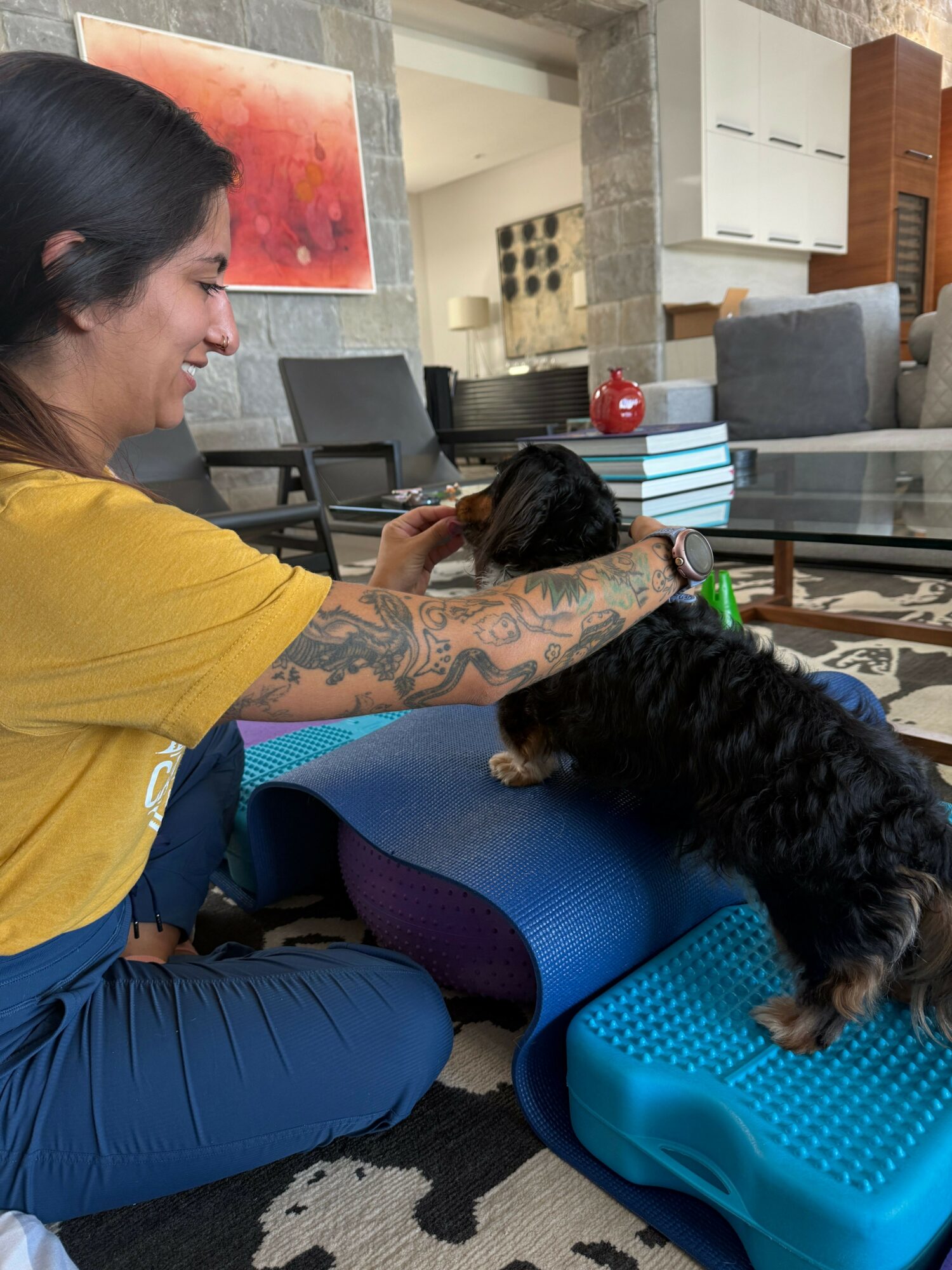
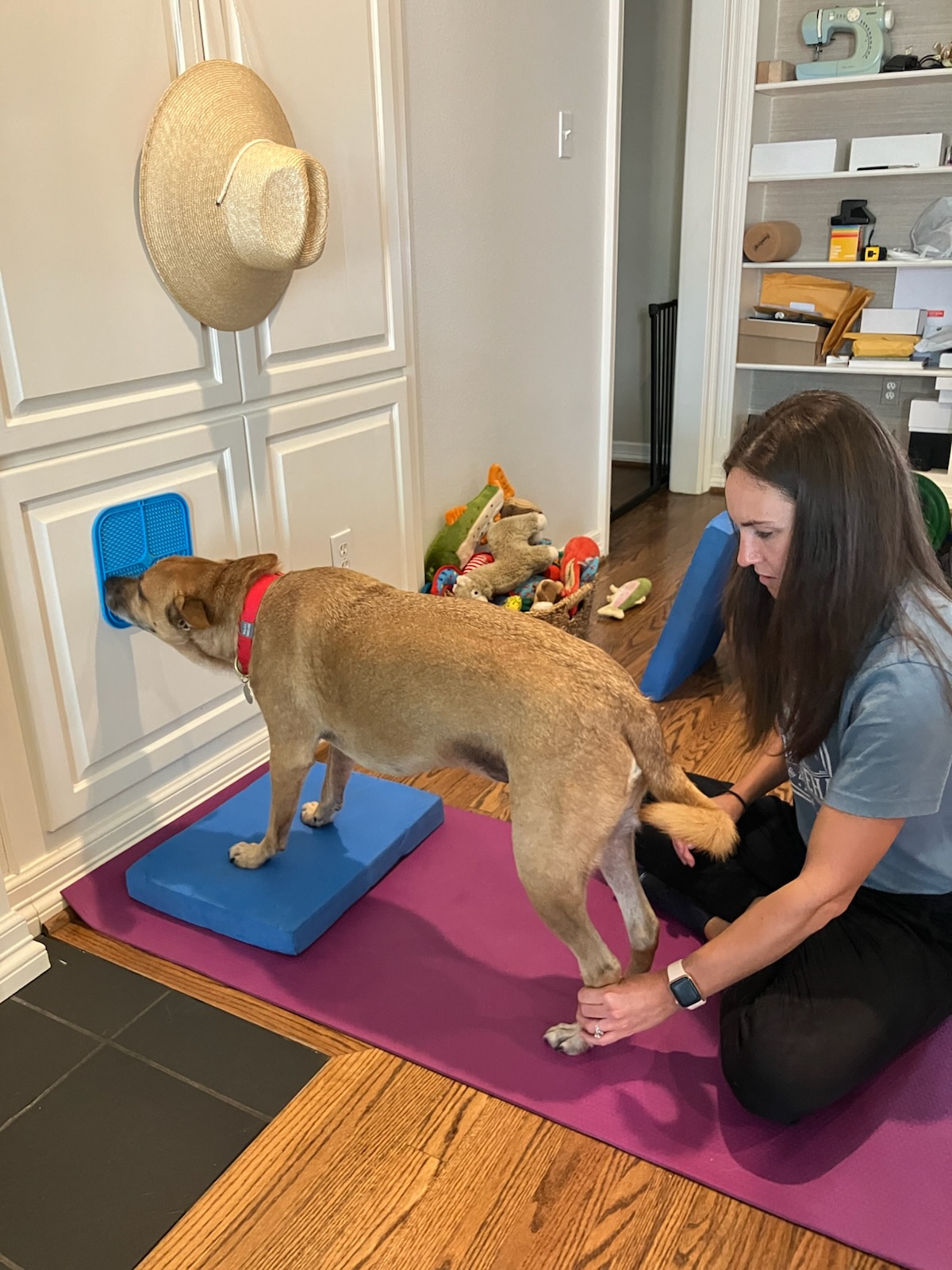
Today, we work with dogs recovering from orthopedic surgery, neurologic injuries, sports injuries, and age-related mobility challenges. While improving comfort is always important, our philosophy goes far beyond pain management. We focus on restoring strength, balance, confidence, and function so dogs can continue doing the things they love, whether that’s hiking Austin trails, playing fetch in the backyard, climbing the stairs independently, or simply getting up to greet their family again.
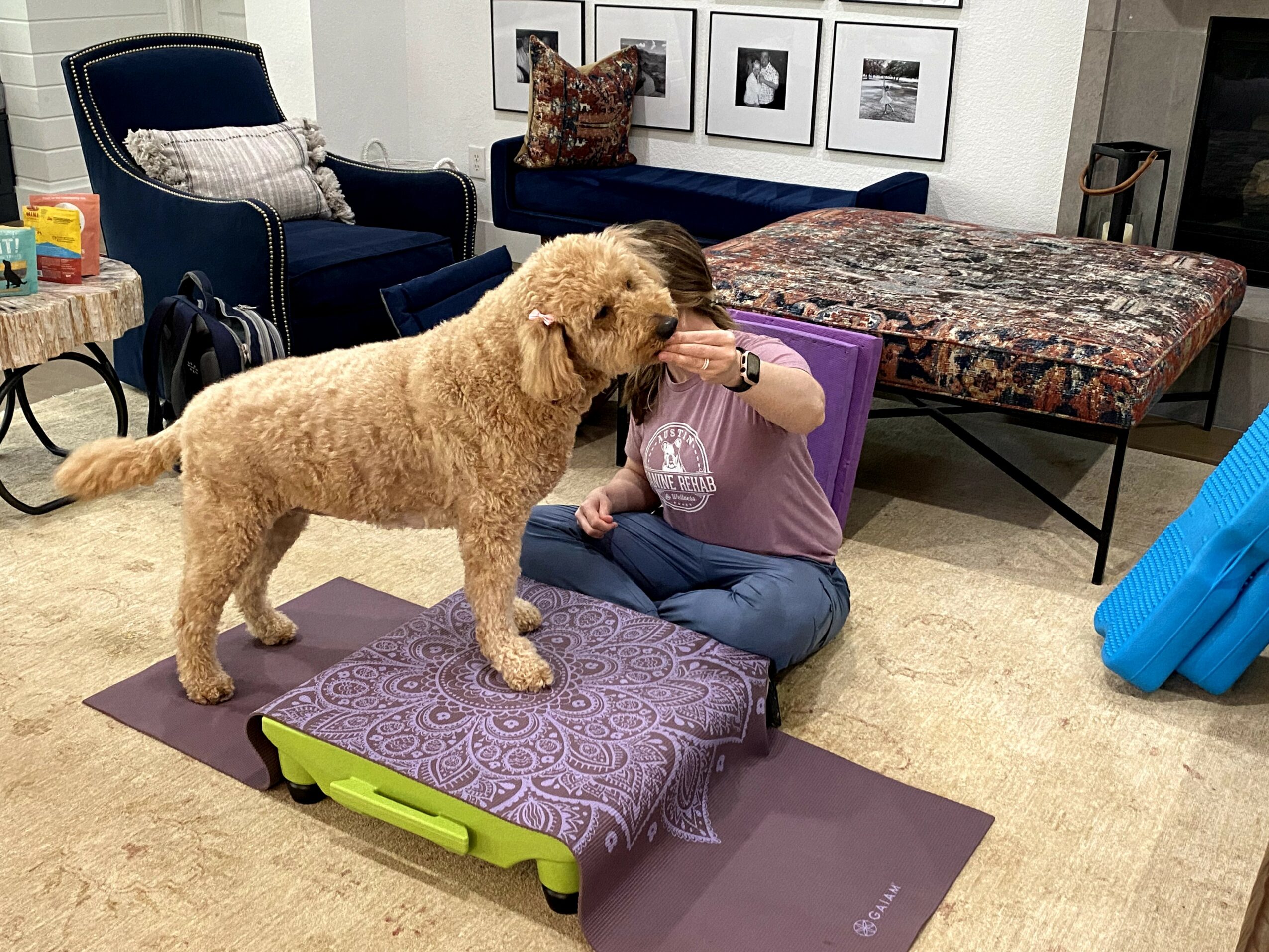
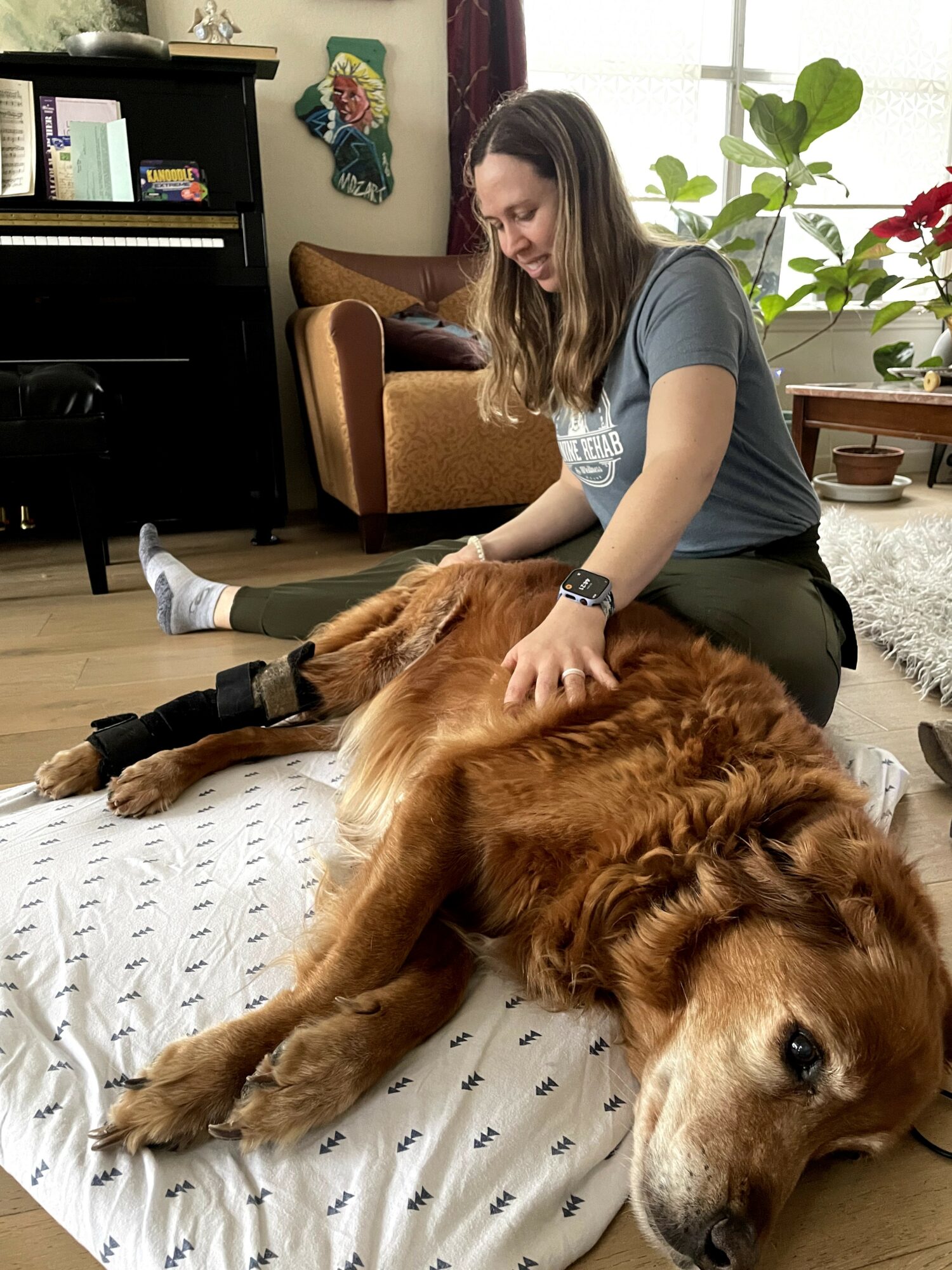
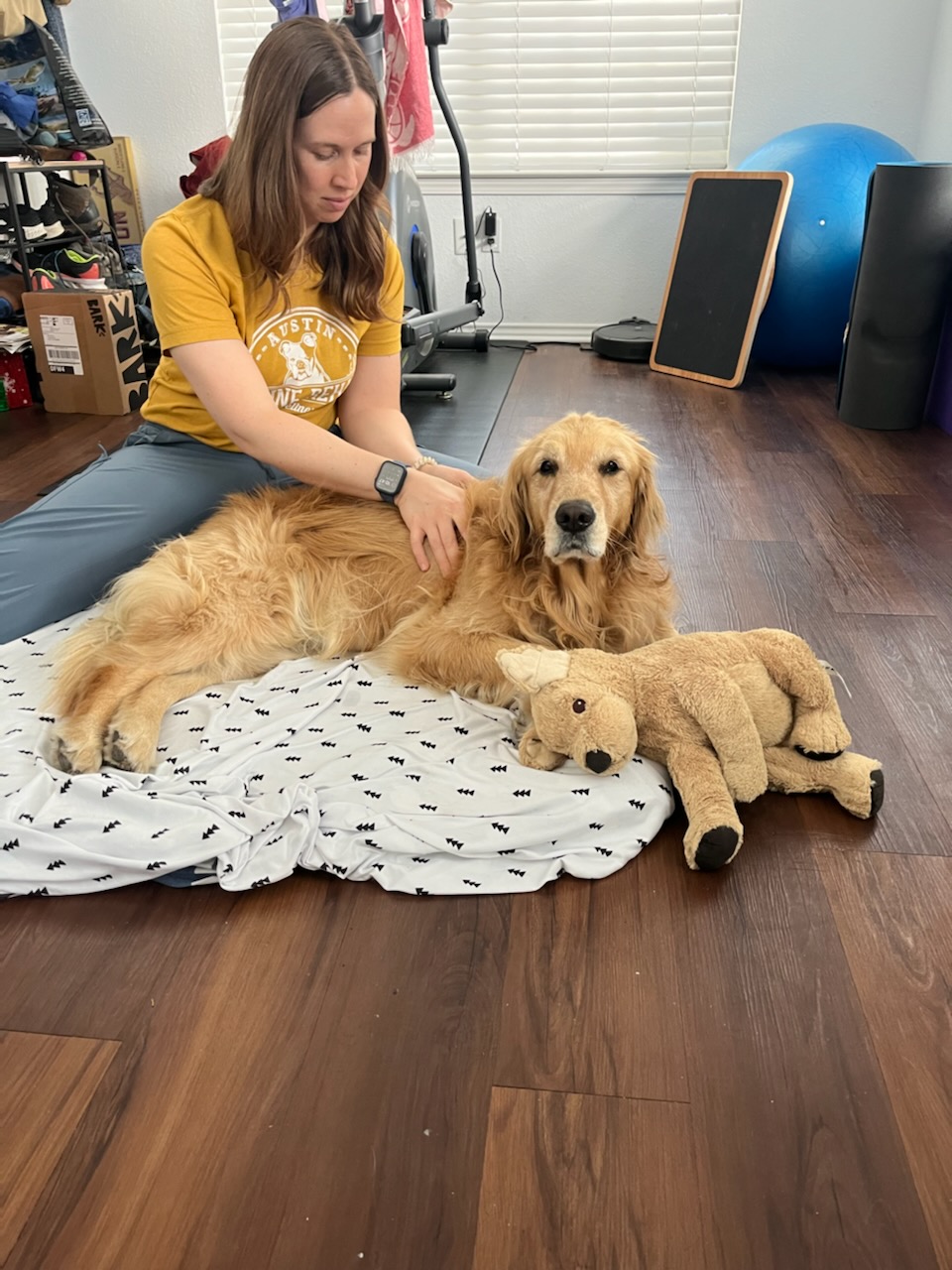
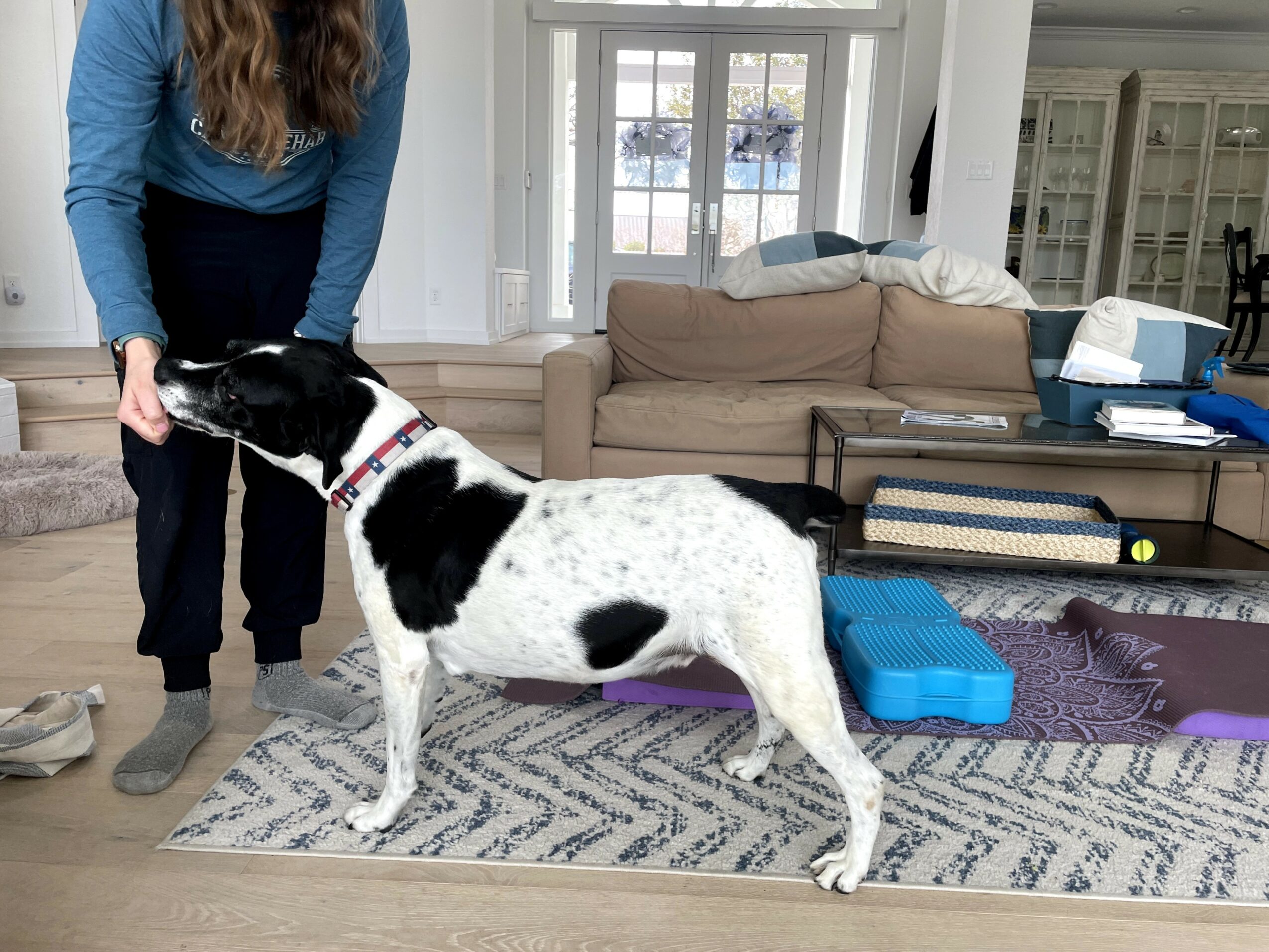
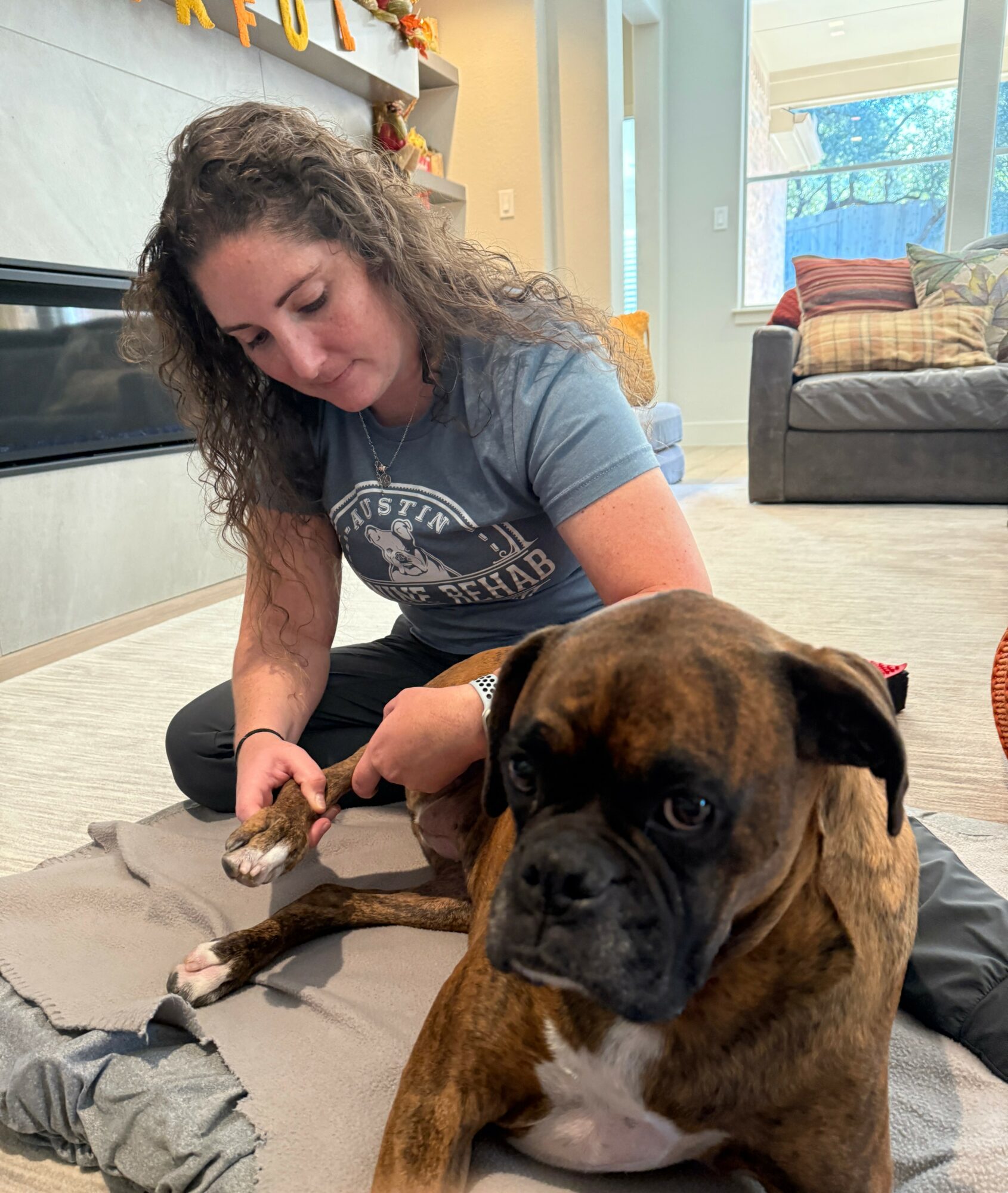
One of the things that makes our practice unique is that we bring comprehensive canine rehabilitation directly into our patients’ homes. Seeing dogs in the environment where they actually live allows us to identify challenges they face every day and create individualized canine rehabilitation programs that fit naturally into their routines. Just as importantly, we spend time educating and empowering owners, because some of the greatest progress happens between our visits.
As our practice has grown, I’ve also become increasingly involved in advancing the profession of canine rehabilitation through leadership, mentoring, and education. I serve on multiple professional committees, collaborate with veterinarians and rehabilitation professionals, and enjoy mentoring the next generation of canine rehabilitation therapists. It’s incredibly rewarding to contribute to a field that continues to grow while helping raise awareness of the life-changing impact rehabilitation can have for dogs and their families.
Looking back, it’s amazing to see how much both our practice and the profession have evolved. What continues to inspire me most isn’t just helping dogs recover from injury – it’s helping them stay active, independent, and part of their family’s adventures for as long as possible. That’s what motivates me every day and continues to shape the future of Austin Canine Rehab & Wellness.
We all face challenges, but looking back would you describe it as a relatively smooth road?
It definitely hasn’t been a smooth road, but I don’t think I’d change any of it because every challenge has taught me something.
One of the biggest challenges was building a business around a profession that many people didn’t even know existed. When I started Austin Canine Rehab & Wellness, a lot of pet owners had never heard of canine rehabilitation, and many didn’t realize it could help dogs recovering from surgery, living with arthritis, or dealing with neurological conditions. Even today, a big part of my job is education. I spend a lot of time helping pet owners and veterinary professionals understand what canine rehabilitation is, when it’s appropriate, and how it can help dogs regain strength, mobility, and confidence.
I also launched my business during the COVID-19 pandemic. There was a lot of uncertainty, but it reinforced something I still believe today: if you consistently provide great care and build genuine relationships, people notice. Those relationships with clients and local veterinarians became the foundation for everything that followed.
As the practice grew, the challenges changed. Treating dogs was the part I already knew how to do. Learning how to hire, mentor, and lead a team while maintaining the standard of care our clients expect was an entirely different skill set. Building systems, developing future canine rehabilitation therapists, and growing a business without losing the personal touch has been one of the most challenging and rewarding parts of this journey.
The biggest lesson I’ve learned is that growth should never come at the expense of quality. Every decision we make comes back to one question: Will this help us provide better care for dogs and a better experience for the families who trust us with them? If the answer is yes, then we’re moving in the right direction.
As you know, we’re big fans of Austin Canine Rehab & Wellness. For our readers who might not be as familiar what can you tell them about the brand?
Austin Canine Rehab & Wellness is a mobile canine rehabilitation practice serving dogs throughout the greater Austin area. We specialize in helping dogs recover from orthopedic surgery, neurological injuries, sports injuries, arthritis, and other mobility challenges through individualized, evidence-based rehabilitation. Our goal is simple: to help dogs move better so they can continue living active, fulfilling lives with the people who love them.
What sets us apart is our focus on function. While reducing pain is an important part of recovery, lasting results come from restoring strength, balance, coordination, endurance, and confidence. Every rehabilitation plan is tailored to the individual dog because no two patients, or families, are exactly alike. We look beyond a diagnosis to understand how a dog moves, what limitations they’re experiencing, and what matters most to that family. Then we build a plan to help them get back to doing the things they love.
As a mobile practice, we also have the unique opportunity to evaluate and treat dogs in the environment where they live every day. Seeing how a dog navigates their own home, yard, or neighborhood provides valuable insight that simply isn’t possible in a traditional clinic. It also allows us to partner closely with owners, giving them the knowledge and confidence to continue supporting their dog’s progress between visits.
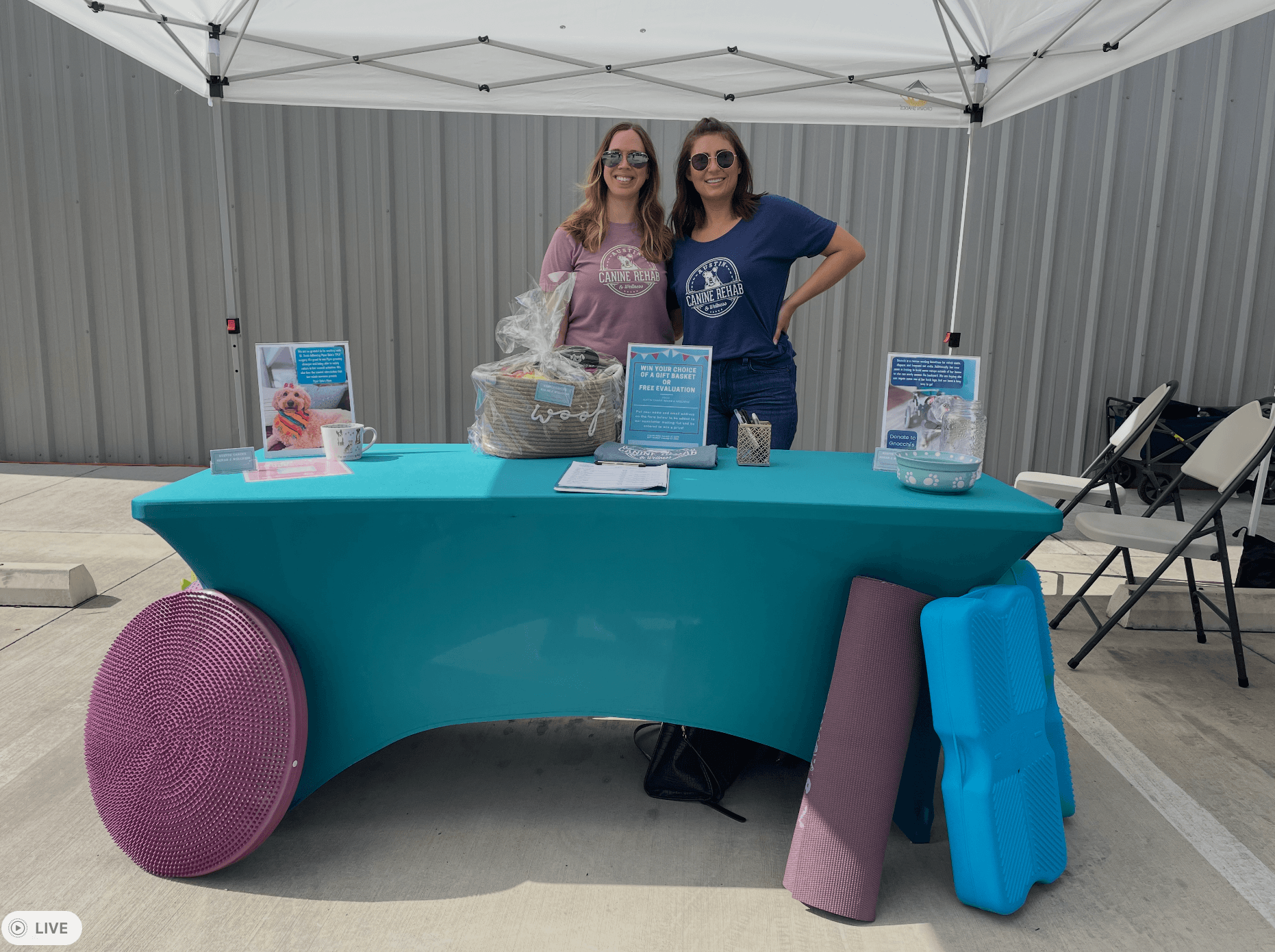
One of the things I’m most proud of is the trust we’ve built within both the veterinary community and among the families we serve. Our practice has grown largely through word of mouth and veterinary referrals, which reflects the relationships we’ve worked hard to build and the level of care we strive to provide. As we’ve grown from a solo practice into a team of certified canine rehabilitation therapists, we’ve remained committed to delivering the same personalized experience that has always been the foundation of our practice.
At the heart of our brand is a simple belief that every dog deserves the opportunity to live an active, comfortable life for as long as possible. While we care for dogs of all ages and diagnoses, we have a special place in our hearts for senior dogs. Helping an older dog continue joining family walks, navigating the stairs with confidence, or greeting their favorite people at the door reminds us that rehabilitation isn’t just about recovery. It’s about preserving independence, extending quality of life, and creating more good days together.
What quality or characteristic do you feel is most important to your success?
I think curiosity has been one of the biggest contributors to my success. I’ve never been satisfied with simply knowing what works. I want to understand why it works and whether there’s a better way to help my patients, support my team, or improve the experience for the families we serve.
That mindset has shaped every part of my career. It pushes me to continue learning, collaborate with other rehabilitation professionals and veterinarians, stay current with emerging research, and constantly refine how we deliver care. It also reminds me that every dog is different. Even if two dogs have the same diagnosis, their goals, personalities, home environments, and recovery journeys may be completely different, which is why every rehabilitation plan should be individualized.
I also believe that listening is an underrated skill in healthcare. Some of the most important information doesn’t come from a physical examination. It comes from taking the time to listen to an owner’s observations, concerns, and goals for their dog. When you combine curiosity with listening, you make better clinical decisions, build stronger relationships, and ultimately provide better care.
At the end of the day, I hope I never feel like I’ve learned everything. The field of canine rehabilitation continues to evolve, and I want to keep evolving with it. I think that commitment to learning has made me a better clinician, a better business owner, and a better leader.
Contact Info:
- Website: https://www.austincaninerehab.com
- Instagram: https://www.instagram.com/austincaninerehab
- Facebook: https://www.facebook.com/austincaninerehab
- Yelp: https://www.yelp.com/biz/austin-canine-rehab-and-wellness-austin
- Other: https://maps.app.goo.gl/RvgDgA1z4uFYJZu1A