


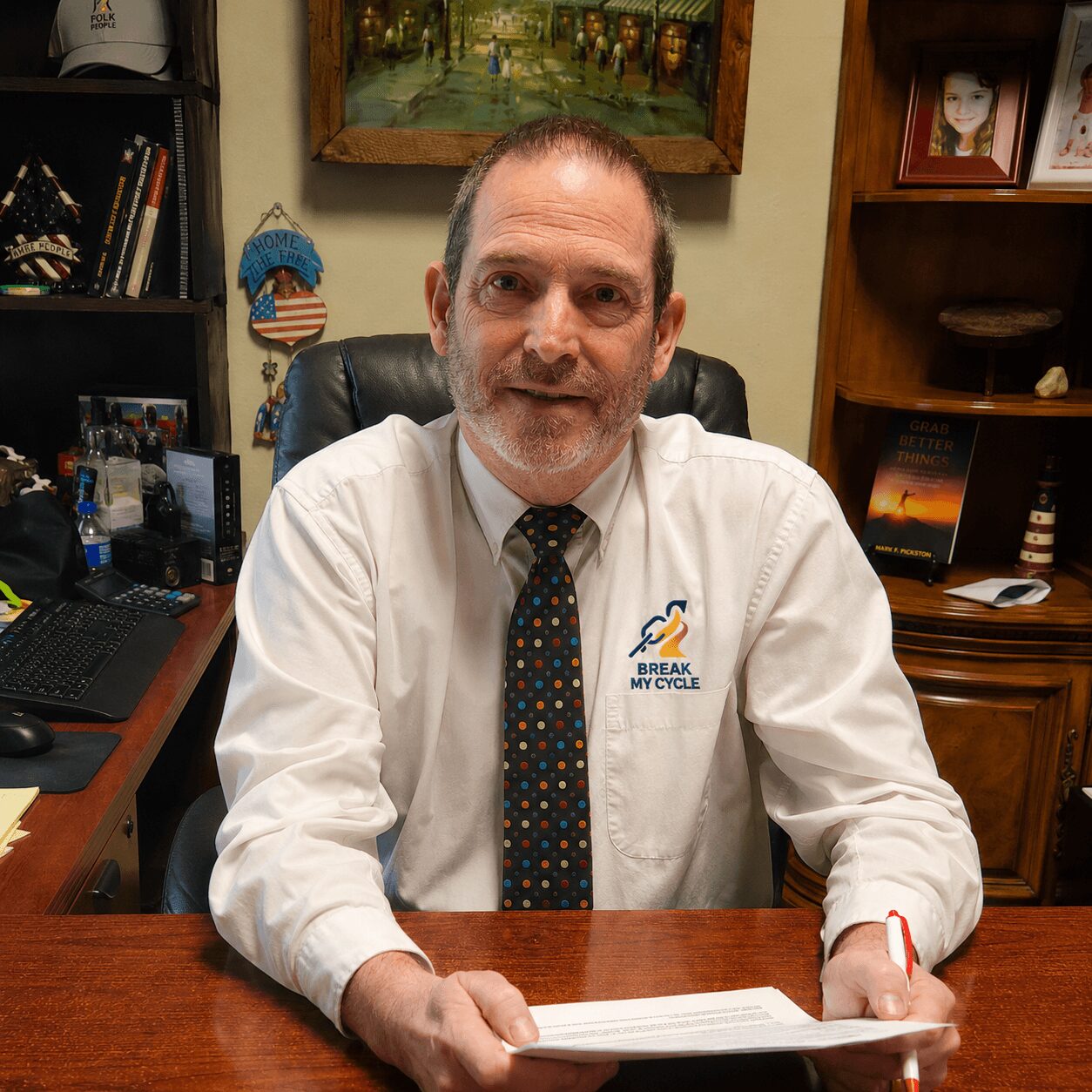
Today we’d like to introduce you to Mark Ferrill.
Hi Mark, please kick things off for us with an introduction to yourself and your story.
I began my journey within the tax industry unintentionally. After completing a 21-year career in the U.S. Navy and later spending 15 years with Northrup Grumman as a Mission Assurance manager, I simply stepped in to help my father on a seasonal basis after he purchased a Liberty Tax franchise. I never intended to have a career in the tax industry. It started because my father purchased a Liberty Tax franchise. What began as helping family unexpected evolved into a path that would completely reshape the way I viewed money, business, people, – and more importantly, myself.
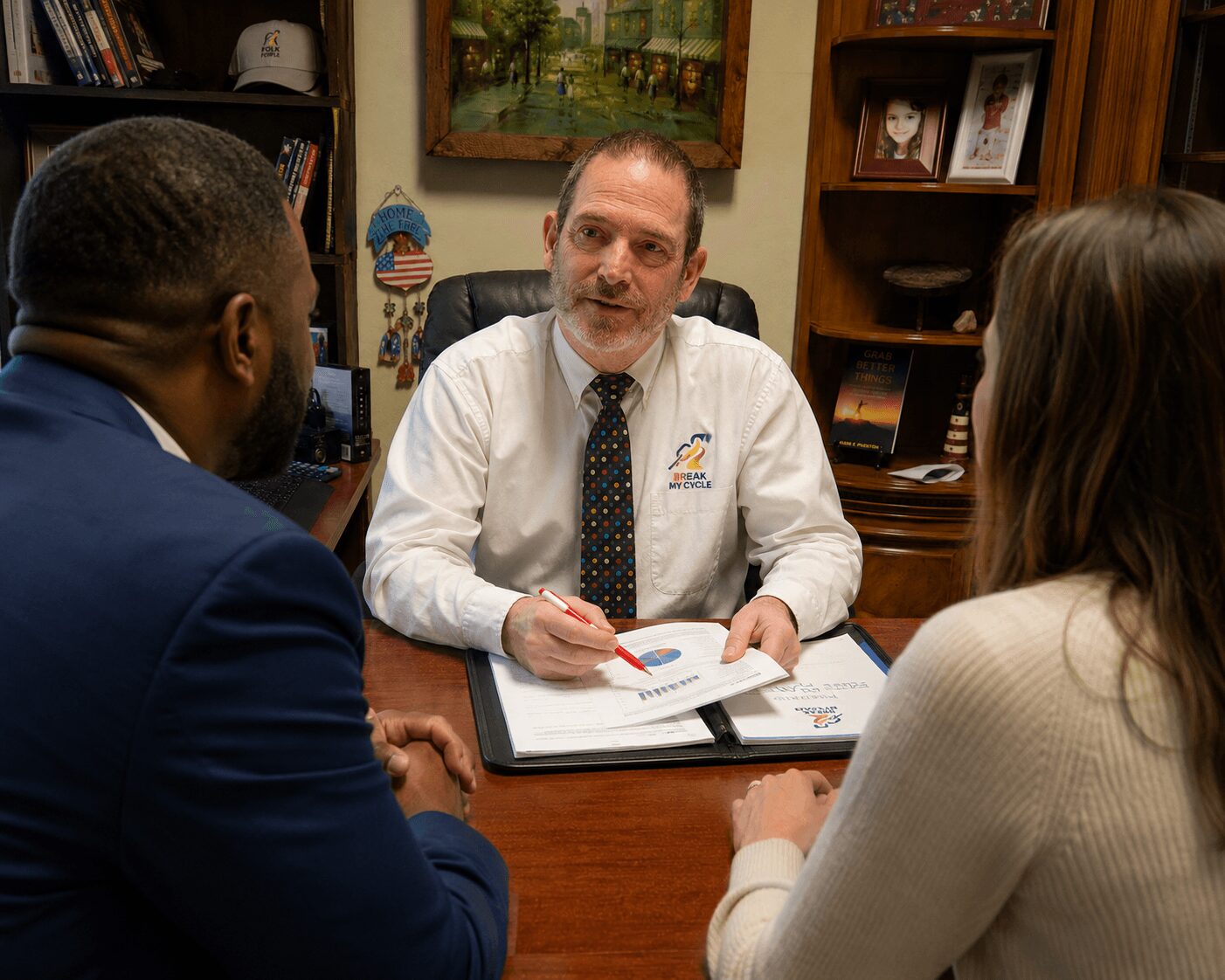
Over the year, I found myself sitting across from thousands of individuals, families, and small business owners during some of the most stressful moments of their lives. At first, I believed the work was about taxes, numbers, and compliance. But the longer I did it, the more I realized that most financial struggles had very little to do with math. I saw hardworking people trapped in cycles – living paycheck-to-paycheck, overwhelmed by debt, afraid of the future, and often lacking the guidance or systems needed to move forward. It became clear to me that the real issue was rarely income alone. It was behavior, mindset, stress, habits, and the financial patterns people inherited or learned over time.
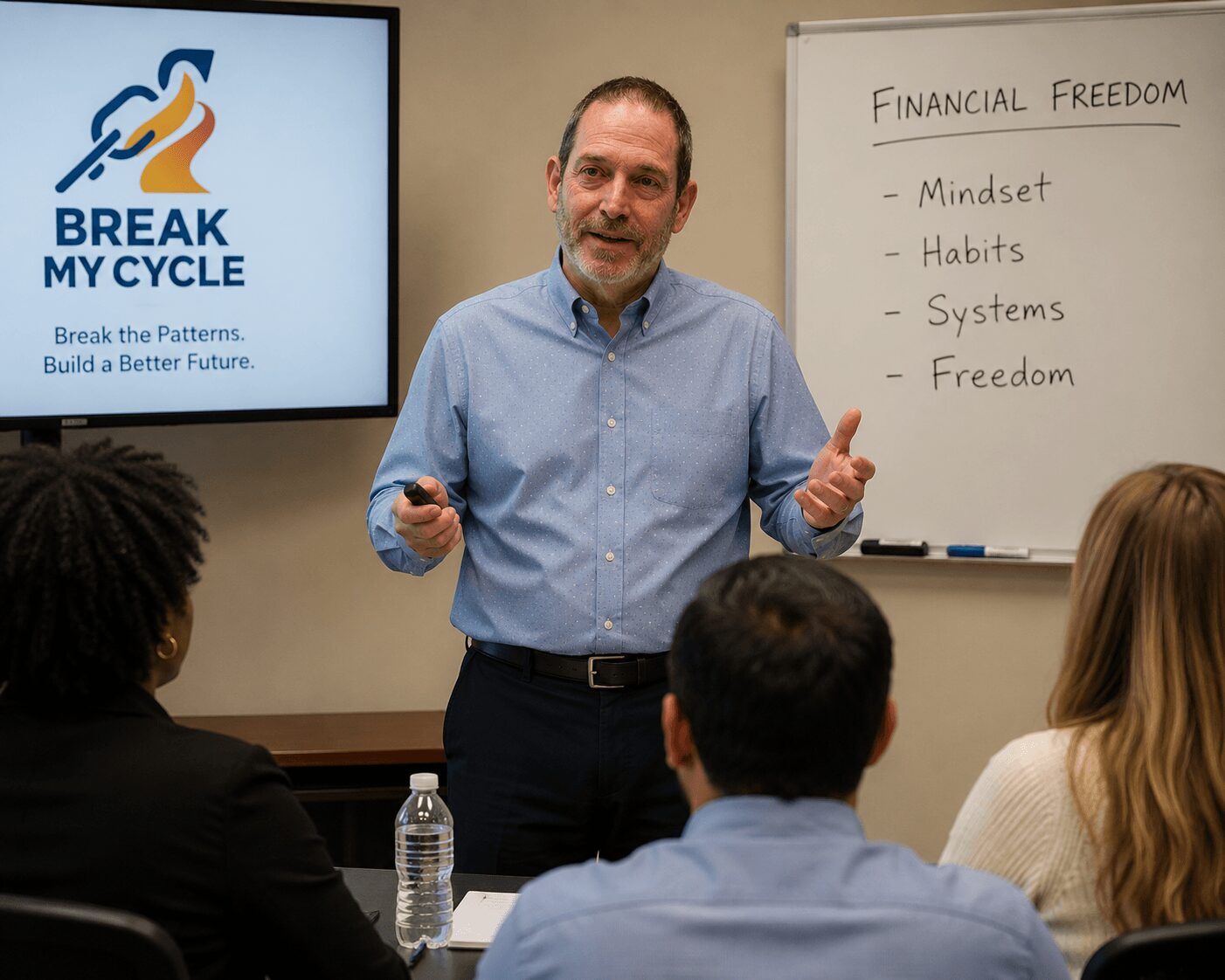
The realization fundamentally changed my direction. What started as tax preparation evolved into a deeper passion for education, financial literacy, and helping people create stability and freedom in their lives. Through both my work in the tax industry and the development of Break My Cycle, I began focusing on helping people understand not only their finances, but also the emotional and psychological cycles that keep them stuck. I wanted to create conversations that were practical, honest, and empowering – especially for people who felt overlooked or believed financial freedom was out of reach.
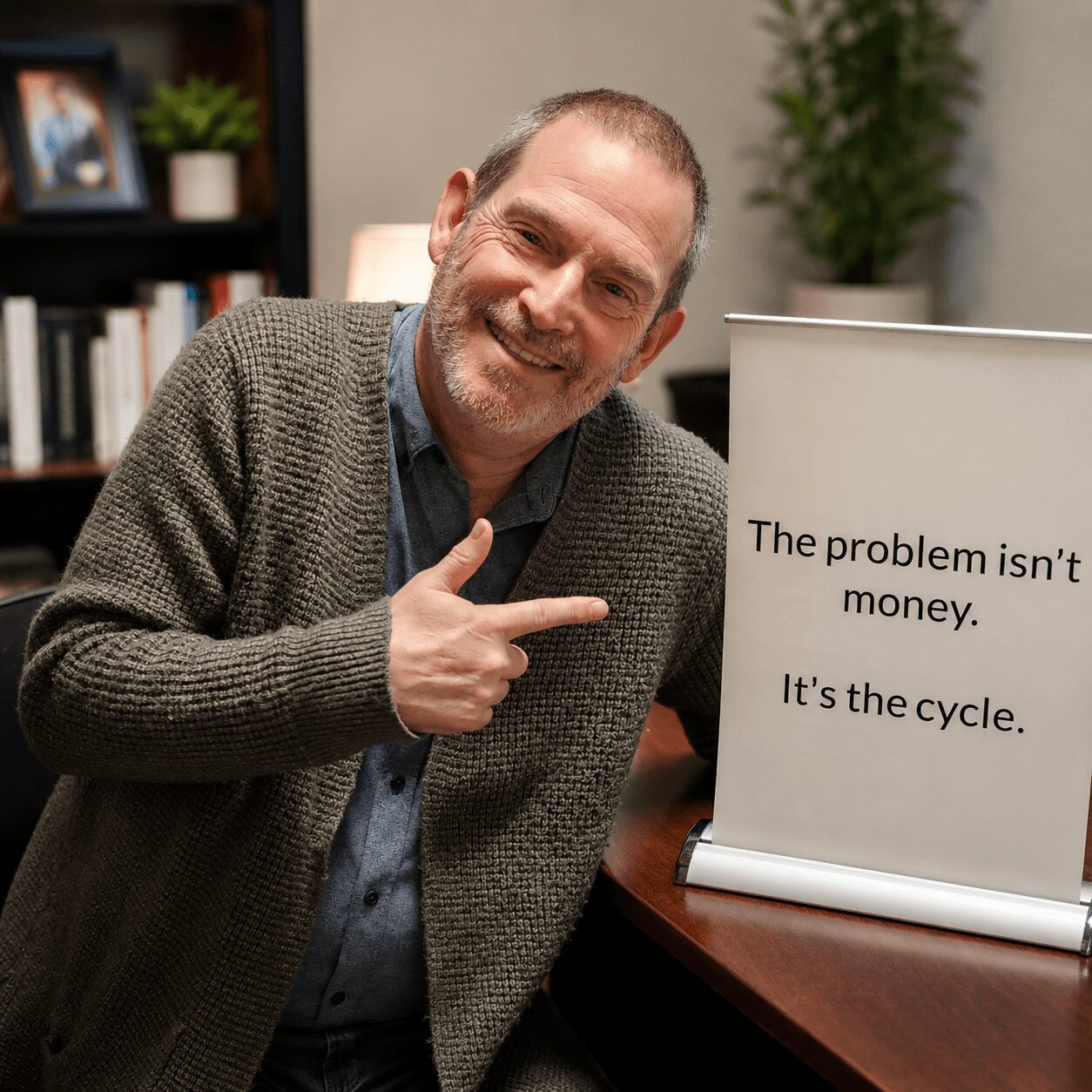
At the same time, my own entrepreneurial journey was forcing me to confront many of the same challenges. Building business, leading teams, balancing responsibilities, and trying to create something meaningful. This required me to break cycles in my own life as well. That experience ultimately shaped the philosophy behind Break My Cycle and the message that drives much of my work: “The problem isn’t money. It’s the cycle.”
Today, my focus is on continuing to grow businesses that create real impact while expanding the educational and speaking side of Break My Cycle. My goal is to help people rethink their relationship with money, success and personal growth so they can move beyond survival mode and begin intentionally building better lives.
Can you talk to us a bit about the challenges and lessons you’ve learned along the way. Looking back would you say it’s been easy or smooth in retrospect?
It definitely has not been a smooth road, although I think many of the most meaningful journeys rarely are. One of the biggest challenges was transitioning from highly structured environments like the military and corporate America into entrepreneurship. In the Navy and at Northrup Grumman, there were clearly defined systems, expectations, and processes. Entrepreneurship is very different. You quickly realize that success is not just about technical still – it requires emotional resilience, adaptability, leadership, communication, and the ability to continue moving forward even when the path is uncertain. I think the biggest differences is that, as an entrepreneur, you can no longer hide behind the curtain bureaucracy. Ultimately, the responsibility is yours.
Another major challenge was realizing that I could not build something meaningful while remaining trapped in the same cycle I was trying to help others overcome. There were periods where I found myself constantly chasing responsibilities, solving problems, managing crises, and operating in survival mode. Like many entrepreneurs, I struggled with balancing vision and execution, trying to grow business while also carrying the weight of leadership and the expectations of others. At times, it felt like I was “building the plane while flying it.”
One of the hardest lessons was understanding that growth is not only external – it is deeply personal. Building businesses forced me to confront my own mindset, habits, fears, and limitations. I had to learn that discipline alone is not enough if you are emotionally exhausted or disconnected from your purpose. That realization became a turning point for me and heavily influenced the philosophy behind Break My Cycle.
There were also practical challenges along to way – economic uncertainty, staffing issues, learning how to effectively communicate expectations to the team, dealing with the frustration when goals where unmet, and having to confront the reality that the issue often centered on my inability to clearly articulate the vision. I also had to learn how to scale operations, adapt to changing industries, and balance multiple responsibilities at once. But honestly, many of those obstacles became some of my greatest teachers. They forced me to become more intentional about leadership, systems, communications, and the kind of impact I truly wanted to create.
Looking back, I do not think the struggle were interruptions to the journey – they were the journey. Many of the lessons I now share with others were learned while navigating those difficult seasons myself.
Appreciate you sharing that. What else should we know about what you do?
What I do today is really a combination of business leadership, financial education, advisory work, and personal development. While much of my professional background is rooted in the tax and financial services industry, the deeper focus of my work has become helping individuals and business owners break destructive financial and personal cycles so they can create more intentional and sustainable lives.
Through my work with Liberty Tax and the development of Break My Cycle, I work with individuals, families, and small business owners in areas such as tax preparation, bookkeeping, payroll, business structure, and financial strategy. But what I have become most passionate about is education – helping people understand not only how money works, but also how mindset, habits, stress, decision-making impact financial outcomes. Over time, I realized that many are not failing because they lack intelligence or work ethic. They are often trapped in cycles they were never taught how to recognize or escape.
What I specialize in is creating practical, honest, and real-world conversations around money, leadership, entrepreneurship, and personal growth. I try to bridge the gap between financial strategy and human behavior because I believe lasting change requires both. My approach is not about judgement or complicated financial theory. It is about helping people gain clarity, take ownership of their direction, and begin building systems that support long-term stability and freedom.
What I am most proud of is not necessarily revenue or business growth, although those things matter. What means the most to me are the moments where people begin to see themselves differently – when someone who has lived in survival mode begins to believe that a better future is actually possible. Watching individuals gain confidence, create stability, improve their business, repair financial damage, or simply begin thinking differently about their lives is incredibly rewarding.
I think what sets me apart is that my work is deeply personal. I am not speaking from theory alone. Many of the lessons I teach were learned while navigating my own challenges, failures, responsibilities, and growth as an entrepreneur and leader. I have come to believe that the problem is rarely just money – it’s the cycle behind it. That philosophy now drives much of the work I do and the impact I hope to continue creating moving forward.
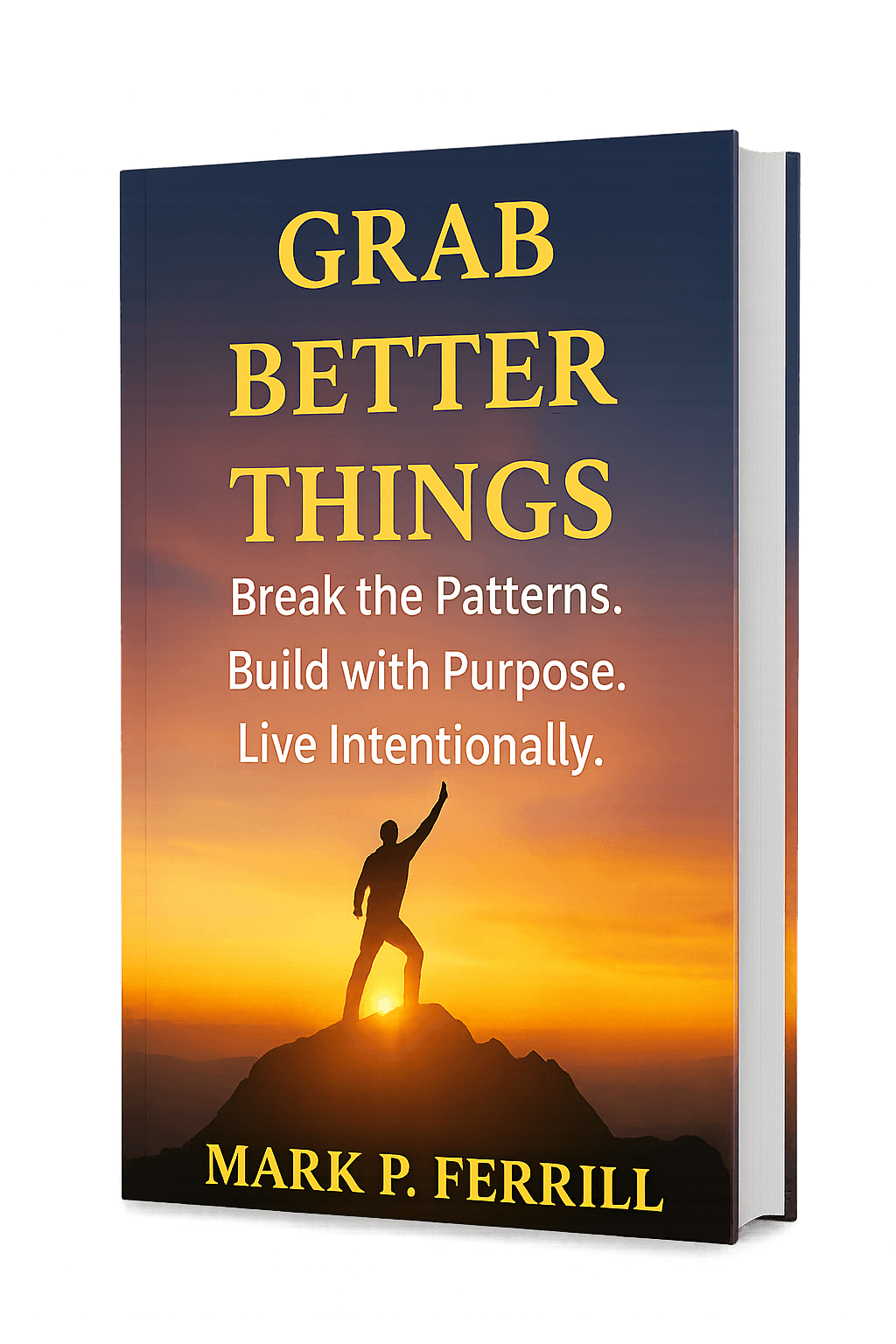
That message also became the foundation for my book, Grab Better Things, which explores the idea that many people remain stuck not because they lack potential, but because they have unknowingly accepted patterns, environments, and beliefs that limit their growth. Whether through business, education, speaking, or writing, my goal is ultimately the same: helping people recognize those cycle so they can begin intentionally building better lives.
Do you have any advice for those looking to network or find a mentor?
One of the biggest lessons I have learned about mentorship is that the value is often not found in information alone – it is found in proximity, perspective, and accountability. In today’s world, information is everywhere. You can watch videos, read books, attend seminars, and listen to podcasts endlessly. But mentorship is different. A good mentor challenges the way you think, helps you identify blind spots, and shortens the learning curve by helping you avoid mistakes they have already made themselves.
For me, some of the most meaningful growth came when I stopped looking at mentorship as a transaction and started viewing it as a relationship. Many people approach networking asking, “What can this person do for me?” I think the better question is, “How can I learn, contribute, and create value within this relationship?” Some of the strongest professional relationships I have built started simply through genuine conversations, consistency, curiosity, and showing up with the willingness to learn.
I also believe people sometimes overcomplicate networking. Some of the best opportunities come from simply being willing to engage authentically with people, ask thoughtful questions, follow up, and stay connected over time. Relationships are built through consistency, not one-time interactions. Over the years, I have learned a tremendous amount from mentors, business owners, leaders, and entrepreneurs simply by listening carefully and paying attention to how they think, communicate, solve problems, and lead people.
At the same time, mentorship also requires humility. You have to be willing to accept feedback, confront your own limitations, and sometimes let go of beliefs or habits that are holding you back. That is not always comfortable, but growth rarely is.
What has worked best for me is intentionally putting myself into environments where growth is happening – conferences, leadership events, educational programs, business communities, and conversations with people operating at a higher level than I currently am. I have found that proximity matters. The people you spend time around influence the way you think, the standards you accept, and ultimately the direction of your life.
I also think it is important to understand that mentorship is not always formal. Sometimes a mentor is someone you meet regularly. Sometimes it is someone you learn from at a distance through their books, teachings, or example. The key is remaining teachable and continuing to intentionally seek growth.
Pricing:
- I honestly believe pricing is often the wrong question. The better question is: “What is the value of the outcome you are trying to create?” If someone is simply looking for the cheapest possible transaction, there will always be someone willing to do it for less. But in many areas of life – business, finances, leadership, health, or personal growth – constantly choosing based on price alone can become very expensive in the long run. Over time, I have learned that when people shift their mindset from cost to value, their decision-making changes completely. Value is not just about what something costs today – it is about the clarity, guidance, confidence, systems, growth, and long-term results it creates. The right advice, mentorship, education, or strategy can completely change the trajectory of a person’s business or life. That philosophy influences much of the work I do. I am less interested in transactional relationships and more interested in helping people create meaningful and lasting transformation.
Contact Info:
- Website: www.breakmycylce.com | this will be up by mid-May