


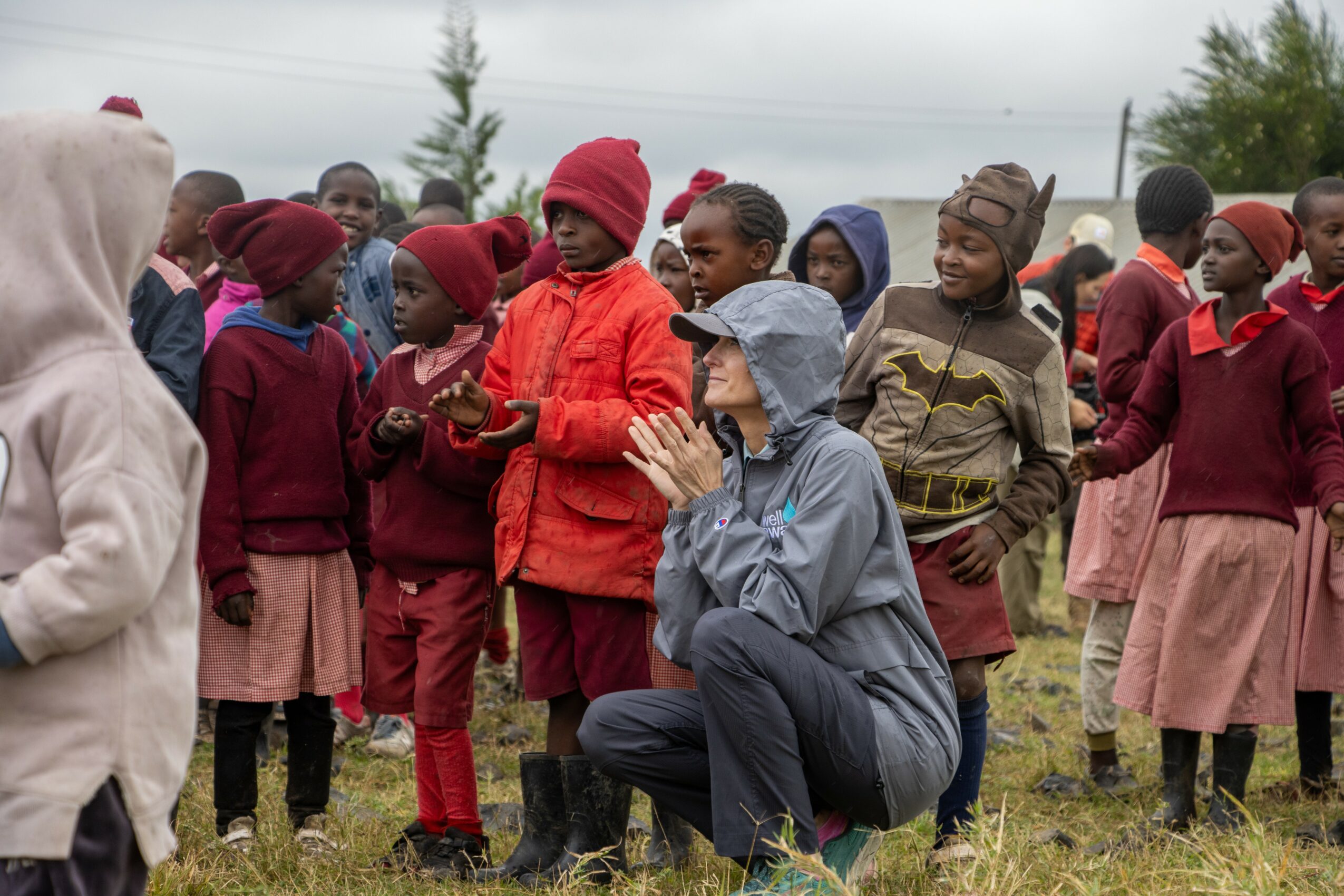
Today we’d like to introduce you to Sarah Evans.
Hi Sarah, it’s an honor to have you on the platform. Thanks for taking the time to share your story with us – to start maybe you can share some of your backstory with our readers?
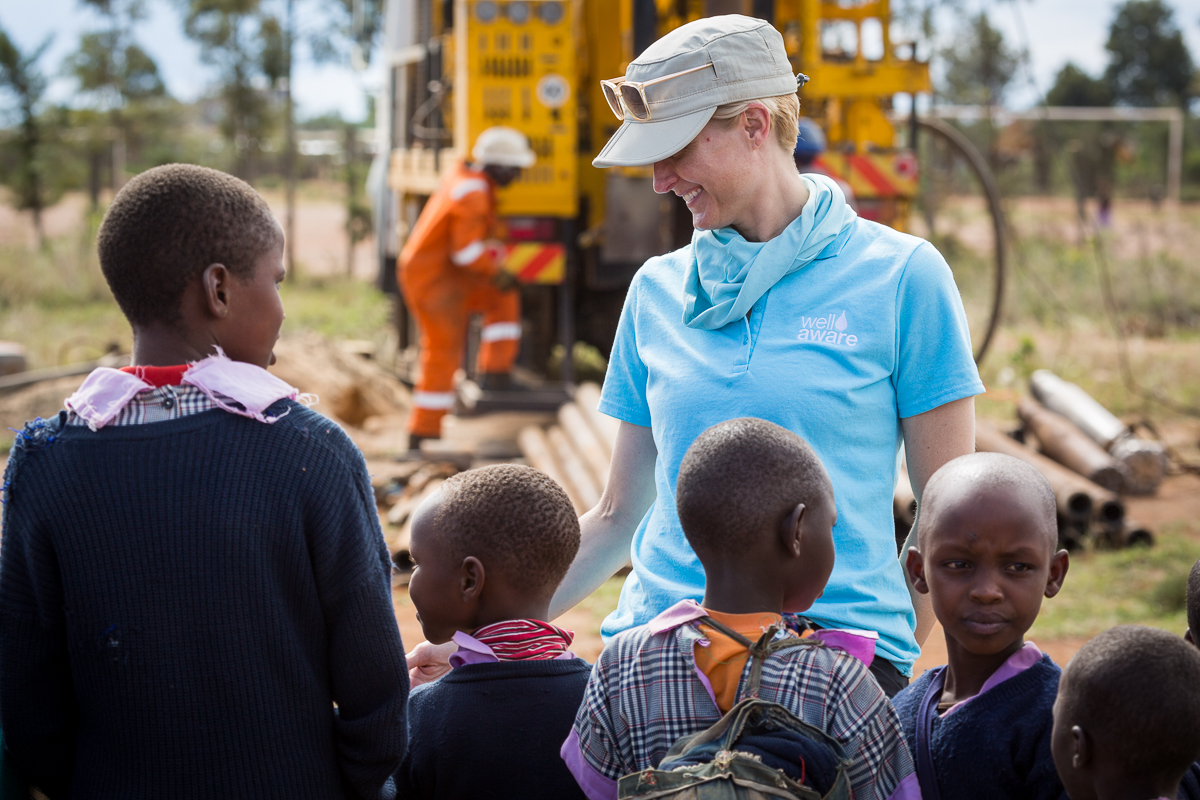
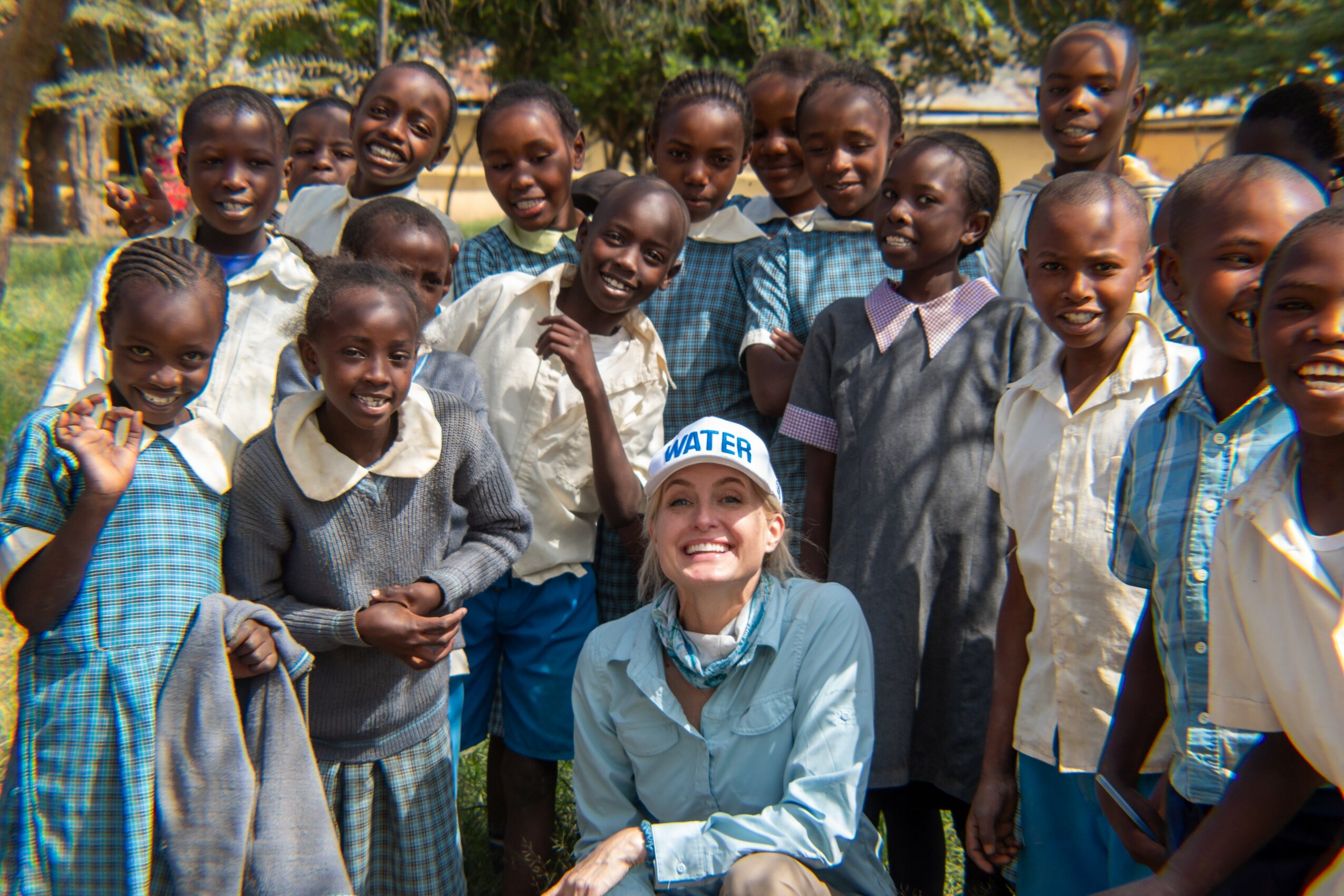
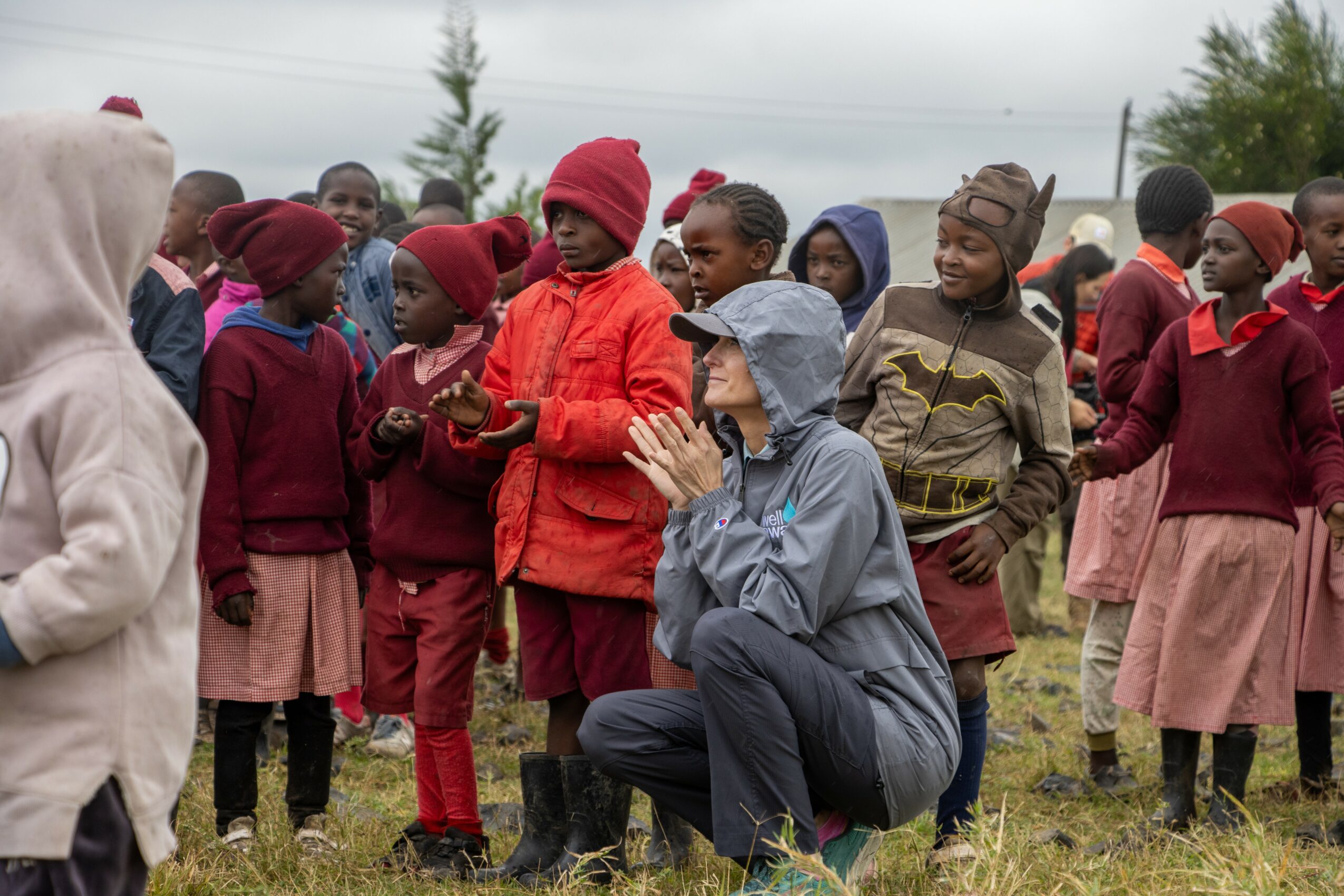
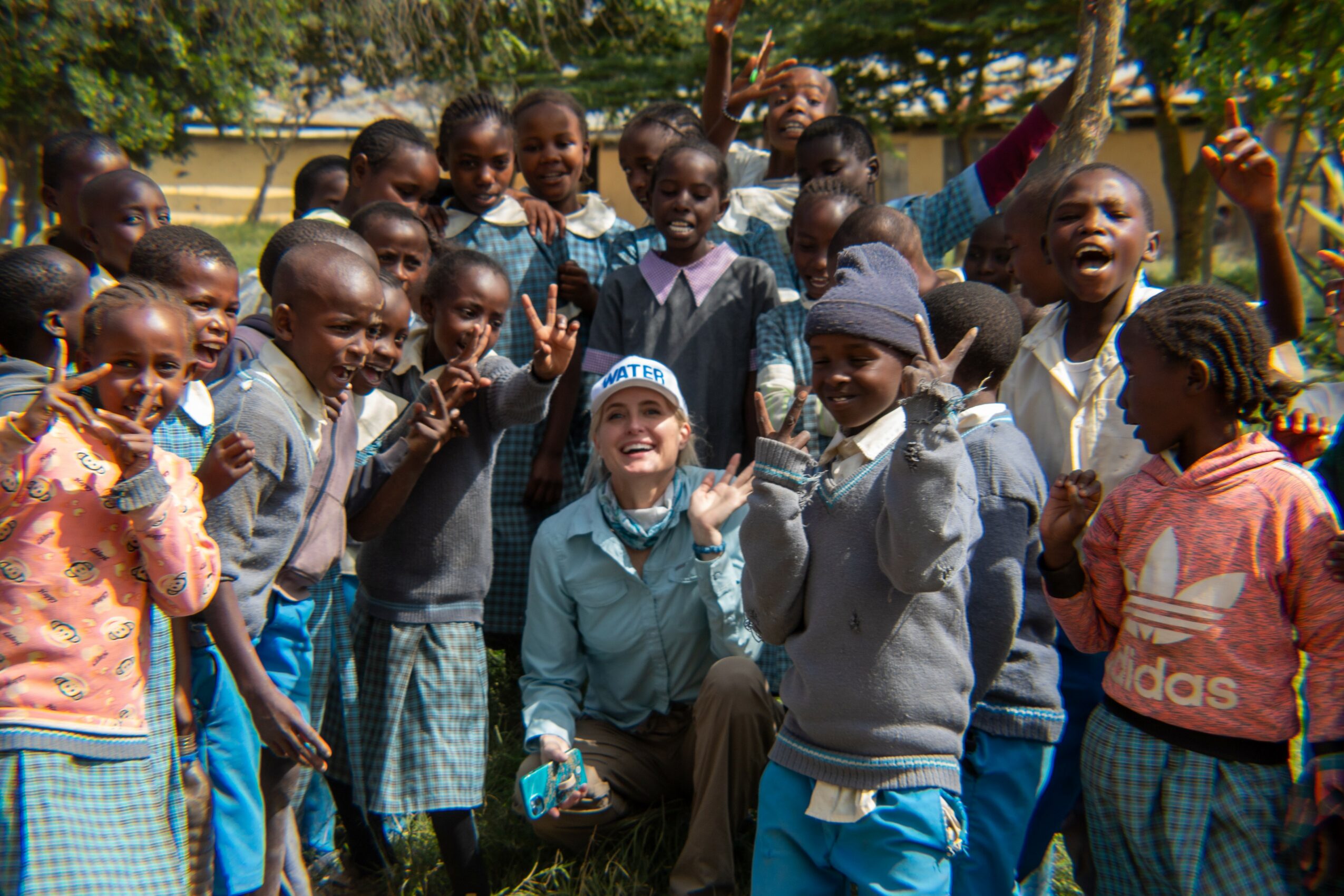
I didn’t set out to run a nonprofit. I went to Kenya on what was supposed to be a single trip, and I saw something that’s hard to unsee once you’ve seen it: communities where the water crisis wasn’t abstract; it was the organizing fact of daily life – how far someone walked, what disease was circulating, whether a girl stayed in school or spent her day fetching water instead. I came home and couldn’t pretend I hadn’t seen it.
That was 17 years ago. I had no nonprofit background, no engineering degree, no roadmap. What I had was a law degree and a refusal to accept the idea that this problem was too big or too complicated to actually solve… and a growing frustration with how much of the existing aid model wasn’t solving it either. Too many organizations were dropping in, drilling a well, taking the photo, and leaving. The well breaks within a year or two, nobody’s trained to fix it, and the community is right back where they started, except now they’re also disillusioned and have lost they resources they put into the project.
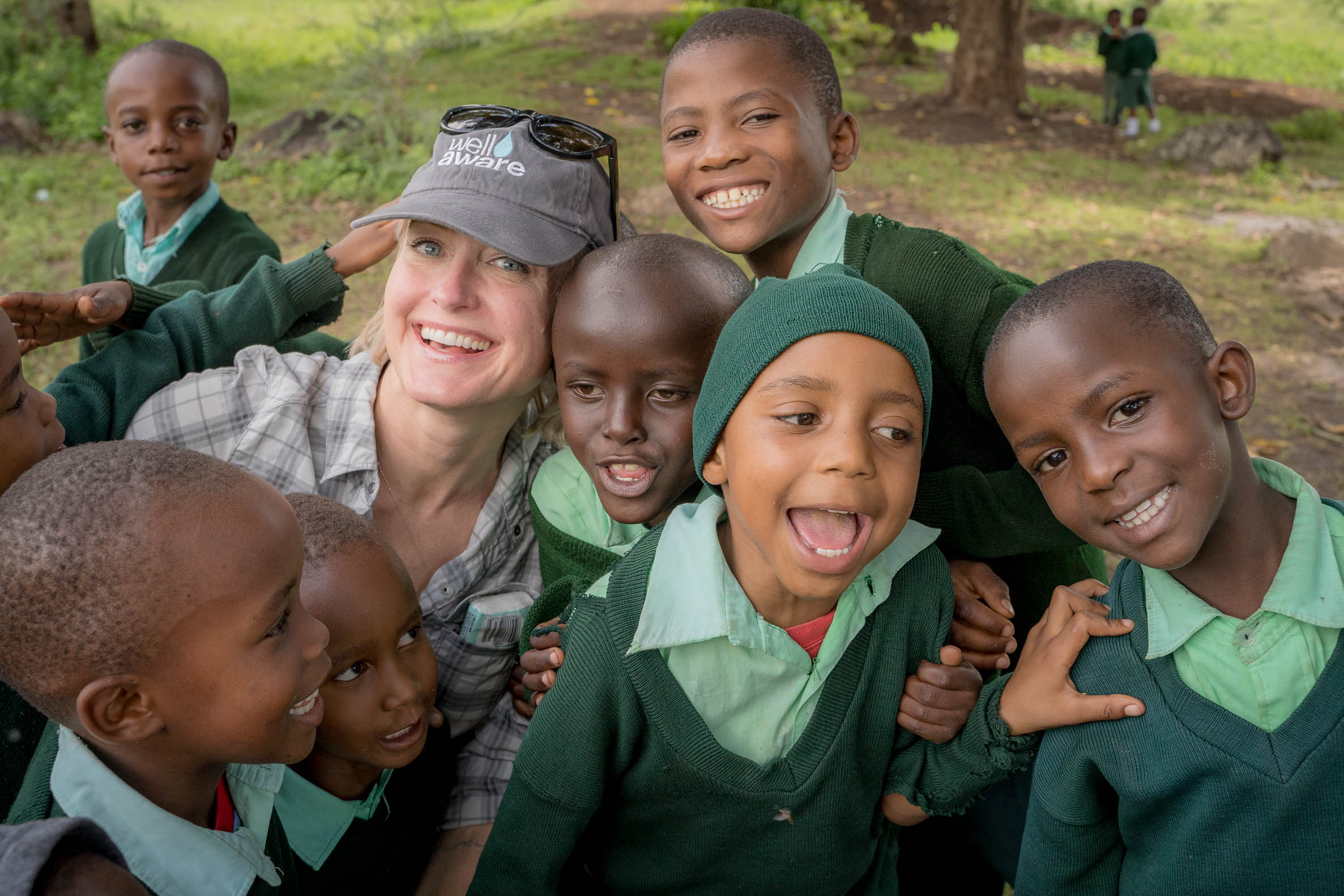
So I built Well Aware around the opposite model: we stay. We train, and we hand off ownership to the community instead of ownership staying with us. It’s slower, it’s less photogenic, and it’s the only version of this work I’ve found that actually holds up over time, which is part of why we’ve kept a 100% success rate across more than 140 communities and over half a million people.
The personal cost of building this has been real. I have a teenage daughter who has grown up with Kenya woven into her childhood, who has traveled there with me more than once. I’ve also been public, more recently, about the toll this work takes on a founder’s mental health – burnout isn’t a personal failing in this sector, it’s a structural risk that boards and donors need to take seriously, and I’d rather say that out loud than perform endless resilience.
Seventeen years in, I’m still doing this because the alternative – walking away from communities who trusted us to follow through – isn’t something I’m willing to live with. That’s really the whole story.
I’m sure it wasn’t obstacle-free, but would you say the journey has been fairly smooth so far?
No. And I’m suspicious of anyone in this sector who tells you it was.
Seventeen years in, the hardest part was never the engineering. Water systems are solvable problems… you can learn the hydrology, you can find the right drilling partner, you can figure out sustainable maintenance models. What nobody warns you about is that the nonprofit funding ecosystem is set up to reward organizations for looking efficient rather than actually being effective. There’s this obsession with the “100% goes to the field” metric – donors love it, it makes for a great Instagram graphic, and it’s quietly destroying organizations from the inside, because it pressures nonprofits to starve the very infrastructure (trained staff, fair salaries, organizational stability) that makes their work actually work. I’ve written about this because I lived it. I underpaid myself and undersupported my team for years chasing a number that was never the right number to chase.
Then there’s the harder thing to say out loud: implementing organizations like ours absorb a kind of risk that funders rarely have to think about. We’re the ones with our name, our legal exposure, and our relationships on the ground in Kenya when a grant agreement changes shape after the money’s already moved. That’s not a hypothetical for me – that’s a sentence I could write a much longer essay about, and someday I will.
There’s also a personal cost that doesn’t show up in any annual report. I have a teenage daughter on my own who has grown up with Kenya as part of her life, who has been on that ground with me. Building something real while trying to be present as a parent – while quietly managing my own mental health as a founder, which I’ve also started writing about – that’s its own obstacle course that nobody puts in the grant proposal.
So no, not smooth. But I’d rather say that honestly than hand over a highlight reel.
Thanks for sharing that. So, maybe next you can tell us a bit more about your work?
I’m the founder and CEO of Well Aware, a nonprofit that builds clean water systems in Kenya. I started it 17 years ago, which means I’ve now spent more of my adult life building this organization than not, and that’s an interesting thing to sit with.
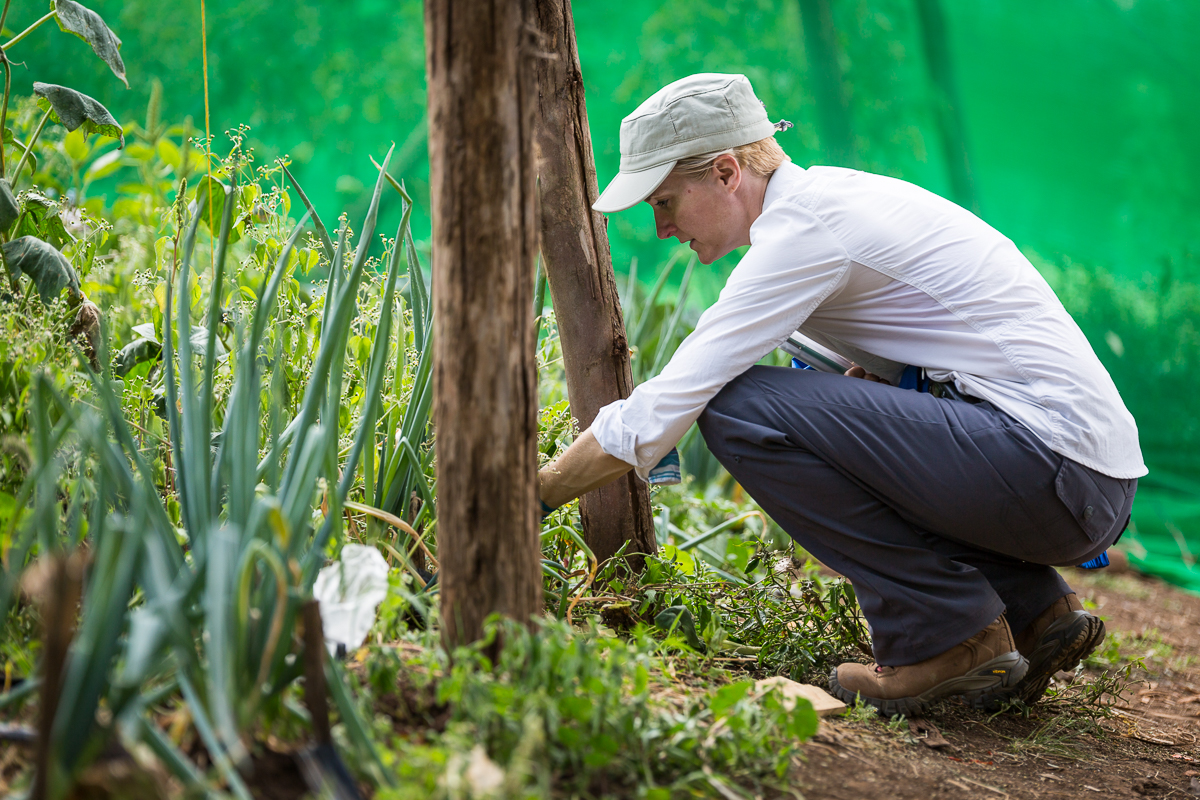
What I specialize in, if you can call it that, is refusing to accept the way this sector normally operates. Most nonprofits in the water space are pass-through organizations – they raise money and hand it to someone else to do the actual work. We’re an implementing organization. We’re the ones on the ground, drilling the wells, engineering the systems, training the communities to maintain them long after we’ve left. That distinction sounds technical, but it’s everything. It means when something goes wrong, it’s on us, not some partner three contracts removed.
What I’m most proud of is our success rate: 100% of our projects, across more than 140 communities and over half a million people, are still functioning. In an industry where failed water projects litter the landscape – abandoned pumps, broken wells nobody maintains – that number is not normal. It’s also not an accident. It’s the result of refusing to cut corners on community ownership, even when that’s slower and less photogenic than just showing up, drilling a well, and leaving.
What sets me apart is probably that I’m willing to say the quiet parts out loud. I write publicly about the dysfunction in the nonprofit funding world – the obsession with “100% goes to the field” metrics that quietly starves organizations of the staff and infrastructure they need to actually succeed. Most people in my position don’t talk about that, because it’s uncomfortable and it can make donors nervous. I’d rather be uncomfortable and honest than polished and ineffective.
Who else deserves credit in your story?
None of this happens alone, and I’m allergic to founder narratives that pretend otherwise. The truth is, my team makes me a better leader than I’d be on my own. The people who run our operations, our donor relationships, our marketing, our field engineering – they catch what I miss, push back when I need pushing back on, and do the unglamorous work that never makes it into a magazine feature but is the actual reason wells in Kenya keep functioning years after we leave. I don’t think there’s a stronger team our size doing this work – they deserve more visibility than they usually get.
I also lean heavily on close collaborators outside the organization – mentors and fellow social entrepreneurs who’ve shaped how we think about sustainability and community ownership. The reason our systems don’t become another abandoned well in a field somewhere is because of partnerships like that.
And then there are our donors… the real ones, the ones who fund the unglamorous stuff like staff salaries and maintenance training instead of just the photogenic well-drilling moment. I try to be vocal about crediting them specifically, because the sector has a bad habit of treating donor generosity as expected rather than honoring the funders who actually understand what sustainable impact costs.
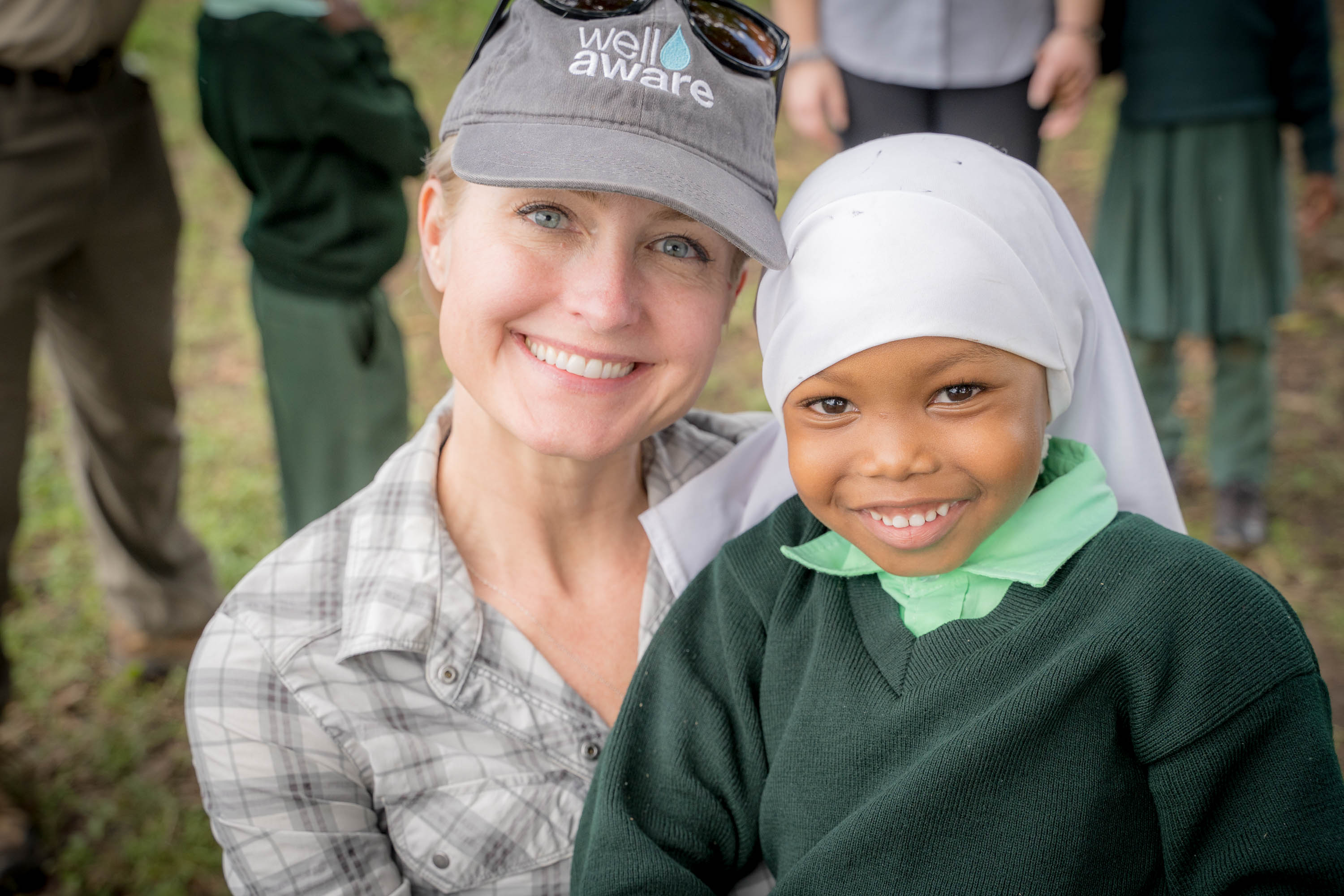
Lastly, my daughter deserves more credit than she probably realizes. She’s grown up with Kenya as part of her life, has traveled there with us, and has had to share her mother with an organization that doesn’t exactly run nine-to-five. That’s its own kind of partnership, and it’s made me think harder about what kind of leader and parent I actually want to be.
Pricing:
- $20 provides clean water to one person for life
- $100 provides clean water to a family for life
- $500 provides clean water to five families for life
- $1,000 provides clean water to ten families for life
Contact Info:
- Website: https://wellawareworld.org
- Instagram: https://www.instagram.com/wellawareworld
- Facebook: https://www.facebook.com/WellAwareWorld
- LinkedIn: https://www.linkedin.com/company/wellawareworld/