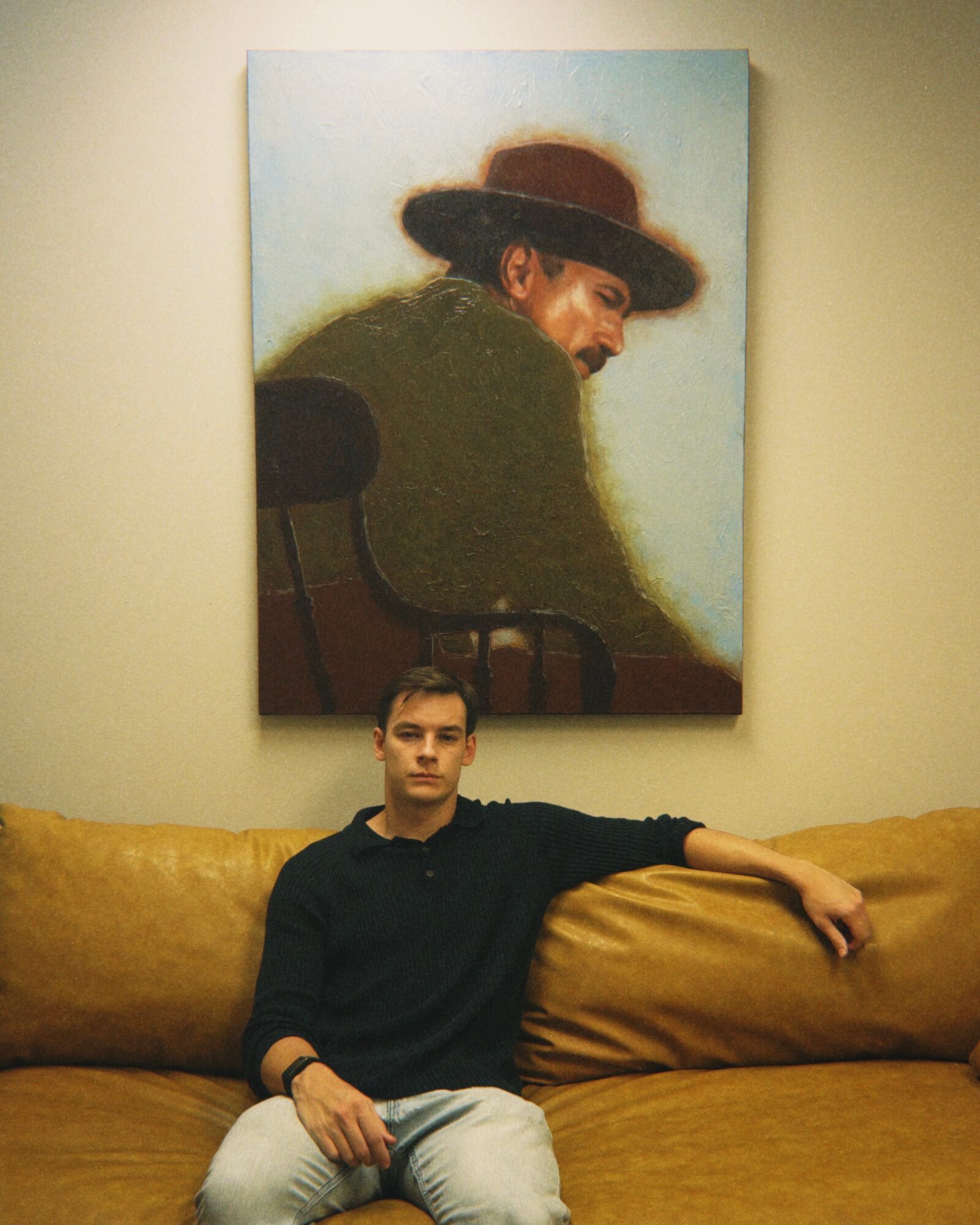



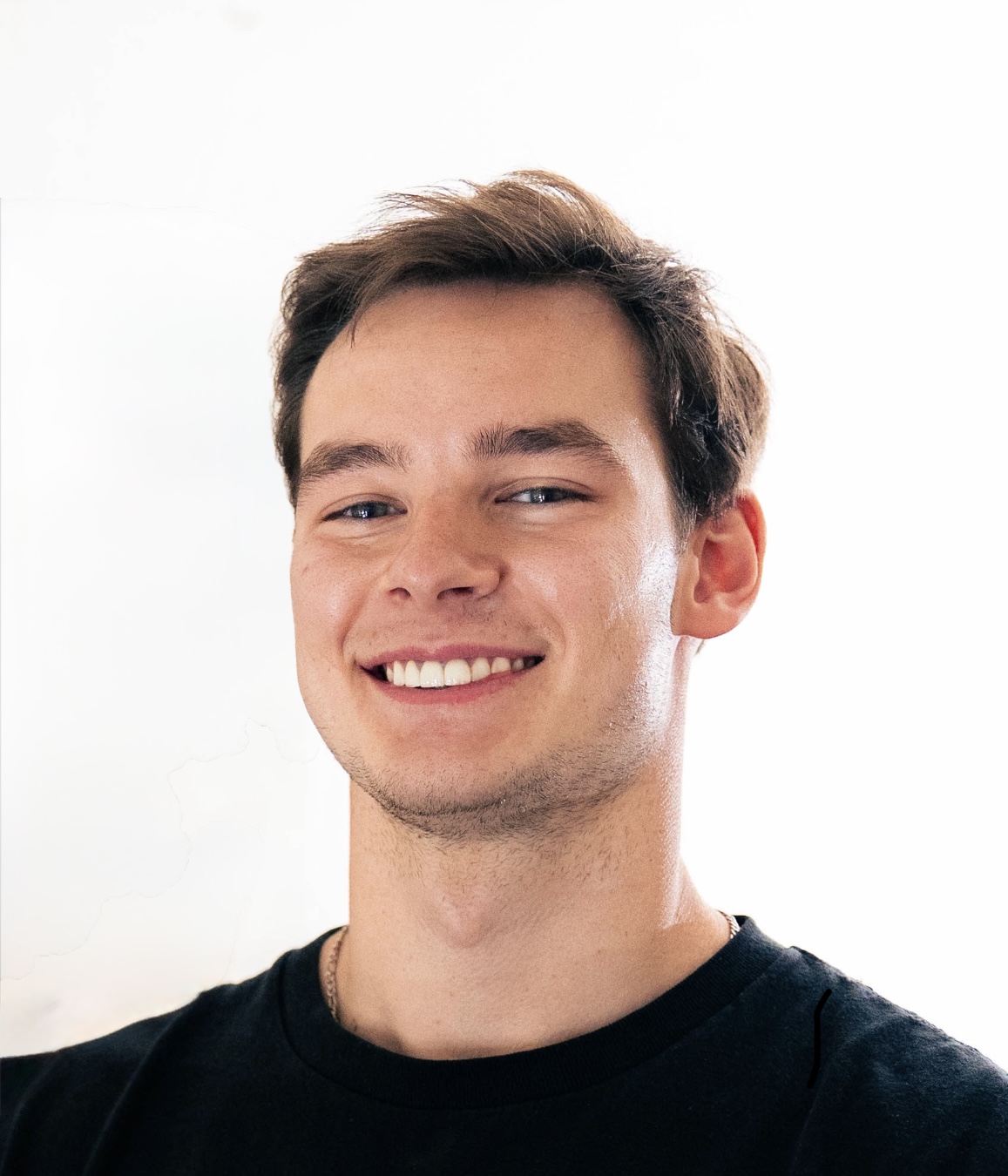
Today we’d like to introduce you to William Ballard.
Hi William, please kick things off for us with an introduction to yourself and your story.
I grew up in Griffin, Georgia, and eventually went on to study Interdisciplinary Art & Design at the University of Georgia, where I earned my BFA.
After college, I decided to pursue painting full-time, taking on everything from commissioned portraits and live wedding paintings to creating work for my own exhibitions. I’ve since had the opportunity to be a part of solo and group shows, including I Dream of the Sea and Quarter Life Crisis, which allowed me to explore deeper themes in my work. Around this time I had the opportunity to study under my favorite artist Bo Bartlett, who was a major influence on my approach to figurative painting and storytelling, and in working with him I learned how to put love and emotion into a painting.
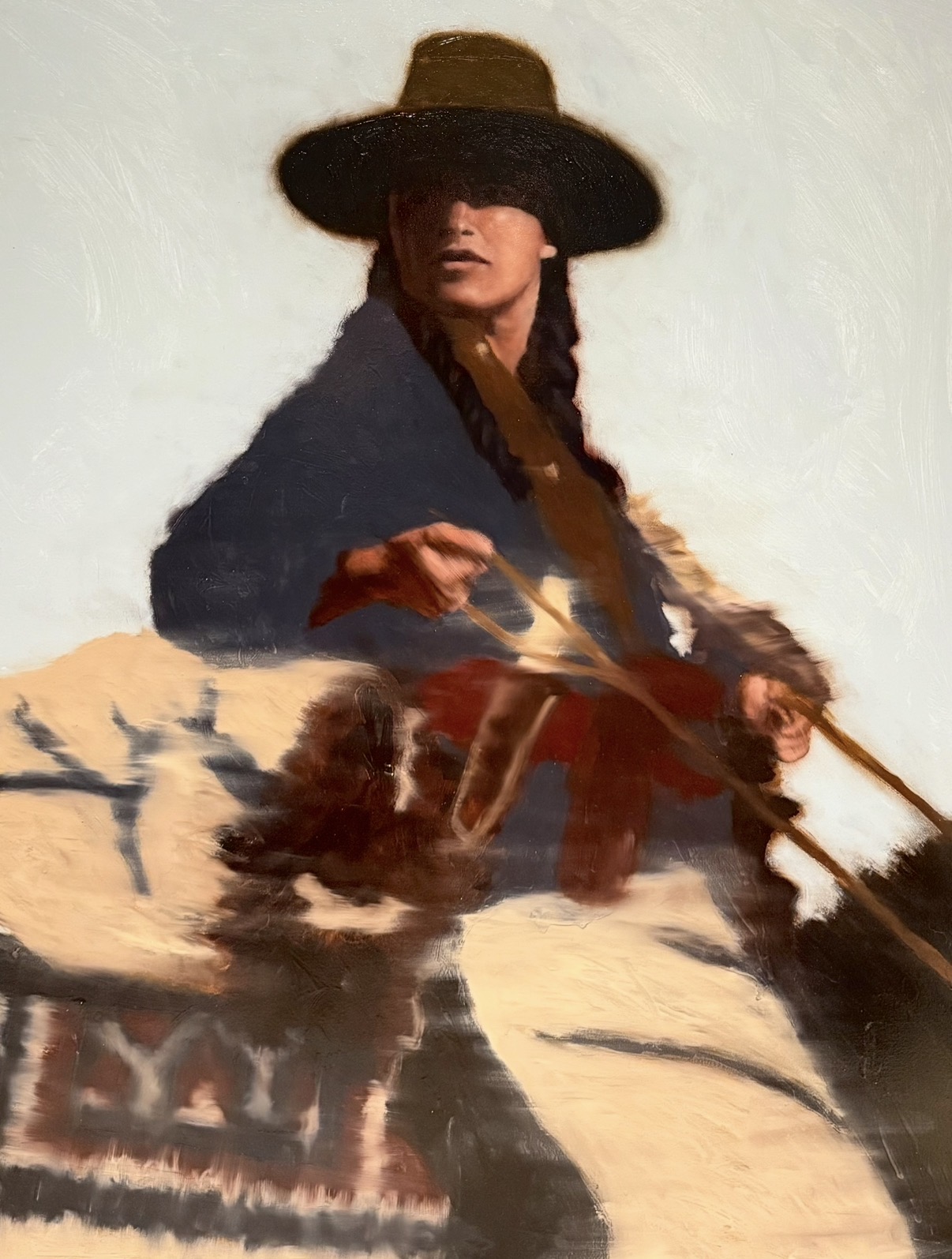
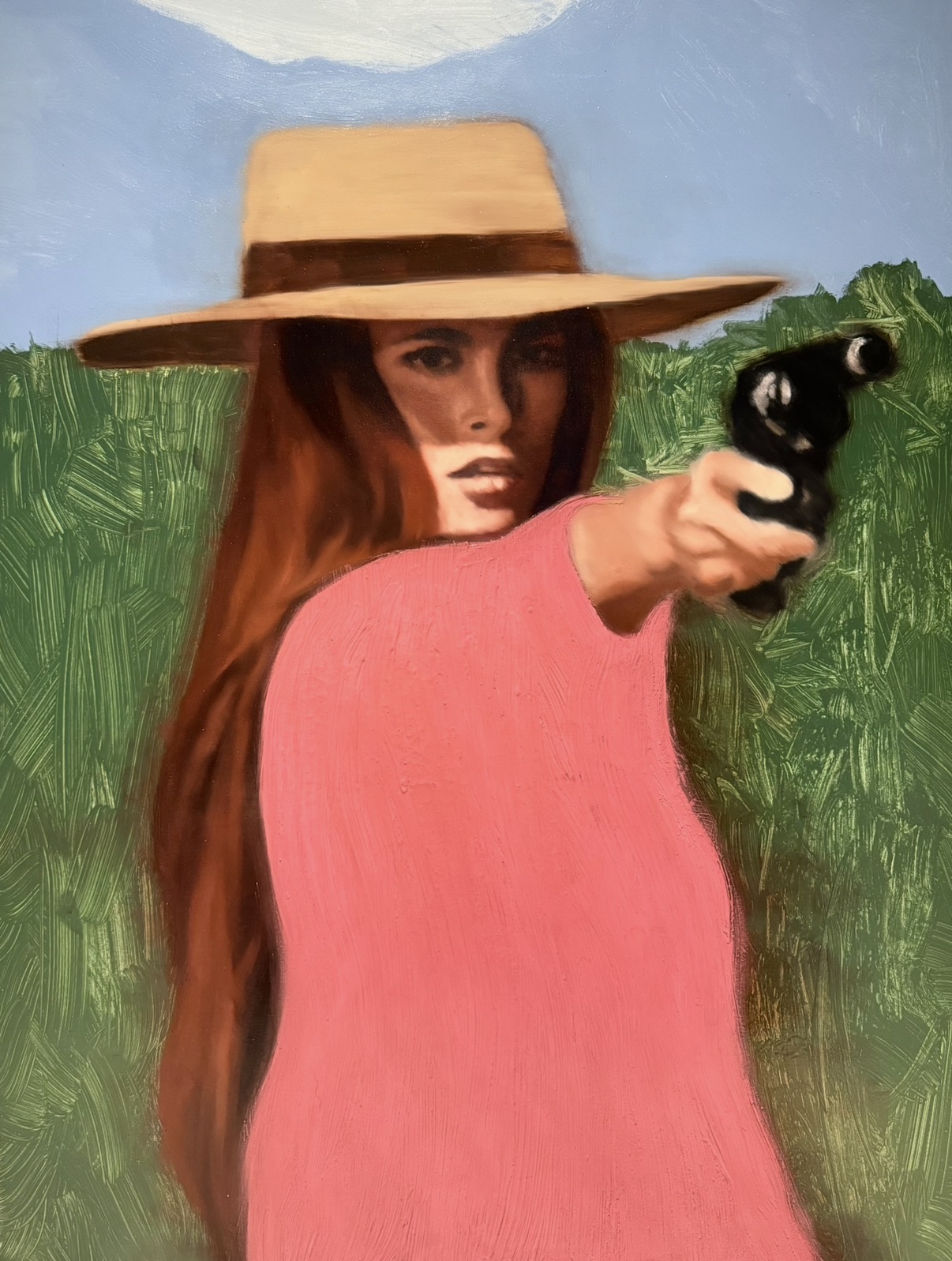
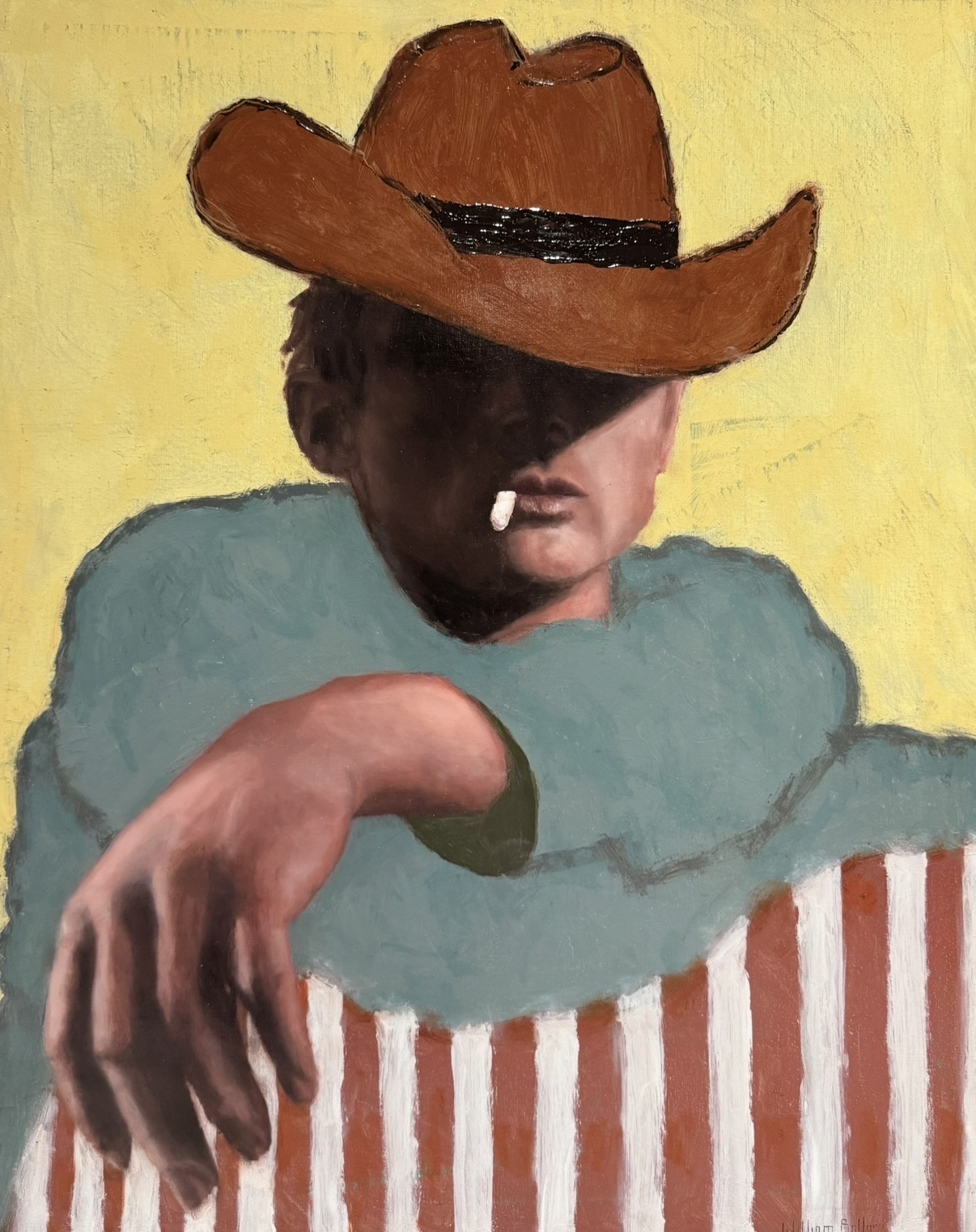
My paintings often explore nostalgia, human connection, and the barriers between people and the world around them. Stylistically, I like combining highly realistic elements with simplified, almost abstract areas of color, often using dramatic lighting and cinematic compositions to create a particular mood.
Earlier this year, I moved to Austin, Texas, to start a new chapter both personally and professionally. I’m continuing to build my career here, develop my style, and explore new ideas. I feel fortunate to have been able to make a living through painting at a relatively young age, and I’m excited to see where it takes me.
Alright, so let’s dig a little deeper into the story – has it been an easy path overall and if not, what were the challenges you’ve had to overcome?
The road has been far from smooth and I’ve been on the brink of giving up more than once. One particularly hard time was just 3 months into my art career. I was generating revenue as an artist but I was not making any profit. During those 3 months I saw my savings from the past 4 years dry up and trying to be an artist was becoming more and more stressful.
I did a painting for someone in California, hopped on a plane to deliver it in person, and the client never showed. I was starting to get pretty down on myself at this point. I had an art show as soon as I got back from California and while I was there I didn’t even make enough money to cover my booth fee. On the drive home I decided it was time for me to give up and take my life in another direction and I made a plan to go try to get a job at a restaurant down the street the next day. My friend worked there so I thought I had a decent chance of getting the job.
The next morning I was woken up by a phone call. Somebody wanted me to come do a mural in Savannah. While I was there working on the mural, someone spontaneously bought on of my paintings, and in the following days I set up multiple commissions. For 3 months I’d been working as much as I possibly could, and the momentum finally caught up with me on the exact day I was going to call it quits. For 3 months I was losing money, and the fourth month I made over $6,000 dollars and realized I had the potential to make this a real career.
Thanks – so what else should our readers know about your work and what you’re currently focused on?
In simple terms I create portrait paintings that combine realism and graphic elements, telling the viewer where they should move their focus. I think all great art requires 3 layers. The first layer is the art itself. The paint on the canvas or the sculpture that was molded from the clay.
Then you have the story behind the art. What’s the meaning inside of the painting, and why was this message important enough to put so much time and effort into.
Third you have the person that made the art. Every painting by Picasso has a massive price tag because of the painter, rather than just the painting. He spent years creating a brand around his personality and his image that added an extra layer on top of each of his paintings. We can see the power of this branding by realizing his work would be viewed completely different if they were painted by someone else.
I try to combine these 3 layers as best I can to create a world around my paintings, on top of trying to make beautifully aesthetic paintings by themselves. The strength of each layer builds on the last.
Risk taking is a topic that people have widely differing views on – we’d love to hear your thoughts.
I don’t mind taking risks where the outcomes are reversible. Going all in on art just out of college was a major risk, but if it didn’t work out I would end up working a normal job. The same thing I would have done if I didn’t take the risk in the first place. I want to make as many mistakes as possible while I’m young so I can learn those lessons early, and stack the skills that come from that learning as quickly as possible.
In a lot of ways it would have been a bigger risk to go straight into a normal, comfortable job. In that case I risk having the rest of my life planned out for me. I risk never learning what it takes to build my own business and grow through those mistakes. Those risks are scarier to me than the risk of failing. I know that if I fail, there will always be something to learn, and hopefully, I won’t make that same mistake twice.
I love learning and I love growth, and to some extent these things will always take risks. I will constantly be putting myself in uncomfortable situations in hopes that I can become a better person through the process. But regardless of the framing of risk and growth, it never feels comfortable to take the leap, and that’s why so many people never will.
Contact Info:
- Website: https://www.williamballardart.com/
- Instagram: https://www.instagram.com/williamballardart/
- Facebook: https://www.facebook.com/profile.php?id=100008401848836
- Youtube: https://youtube.com/@williamballardart?si=OUXdvVxMHSNXlv82